North America
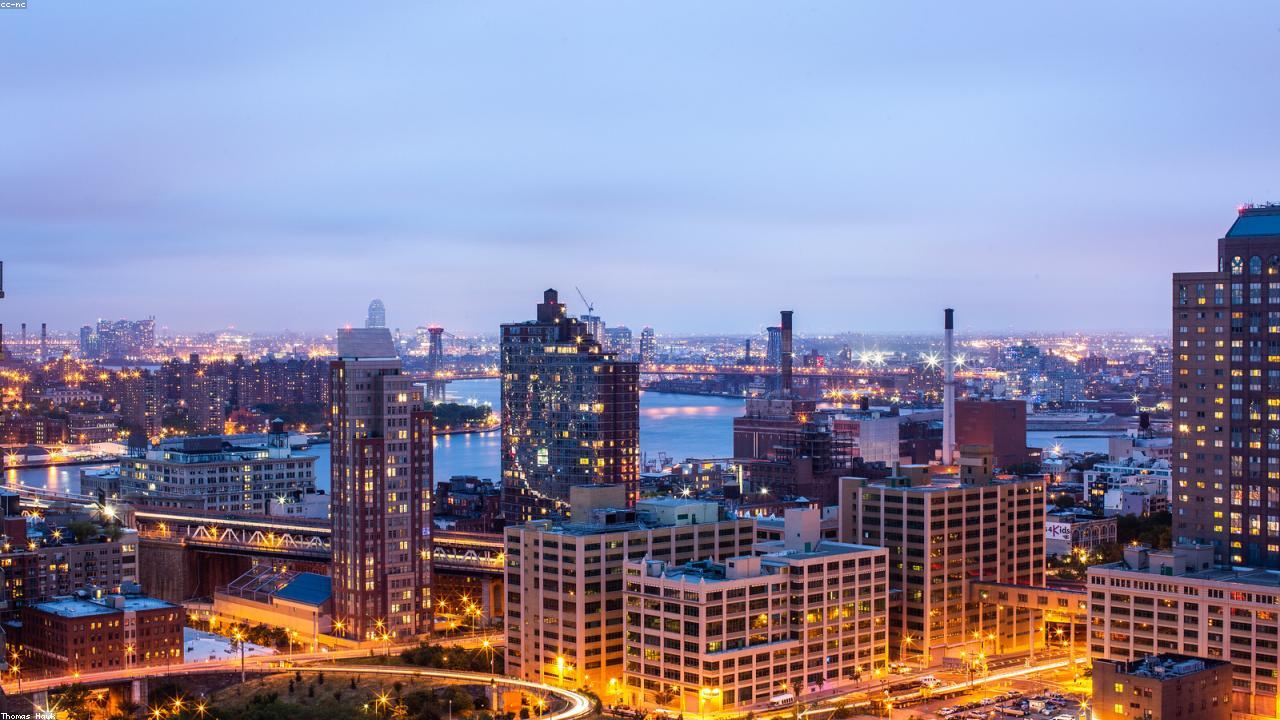
New York, United States
New York City, slowly: the case for staying put in one neighbourhood
May 23, 2024
Photo: Ščenza
Tulum, Mexico · North America
The short list, pulled out of the long essay. No opening hours, because they change and I would only get them wrong — just what is worth your morning, roughly when to turn up, and where I have wasted time so you don’t have to.

By Ščenza
Last checked
Zona arqueológica, north of the hotel stripThe first entry of the day, not a minute later
Walled Maya port city on a limestone cliff above the Caribbean, still occupied into the sixteenth century, with a squat pyramid the Maya may have used as a beacon for canoes finding the one gap in the reef. It is small — ninety minutes covers it — and it is almost entirely about where it sits. I turned up at eleven once and spent the visit looking at the backs of other people's heads instead of the sea.
Muyil, about twenty-five kilometres southMorning; you will get wet, so plan the day around it
Maya traders cut these channels through the mangrove to move salt, jade and cacao between the lagoons and the sea, and you can now put on a life jacket and let the current carry you along about a kilometre of one, on your back, looking up at bromeliads. Roughly forty minutes of doing nothing at all. It is the most restful thing on the peninsula and the only activity I have ever finished feeling younger than when I started it.
West out of Tulum puebloAt opening; the light shafts come mid-morning
Limestone drinks everything here, so the peninsula has no rivers at all — the fresh water sits underground in thousands of collapsed sinkholes, and swimming in one is the thing the Yucatán does that nowhere else can. Gran Cenote and Dos Ojos are the well-organised ones just out of town. Mask, no sunscreen, and be ready for the temperature: twenty-four degrees all year round, which reads as warm on paper and does not feel it on entry.
Near Temozón, about two hours westBefore midday, combined with Valladolid
Ek Balam has the pyramid you are still permitted to climb, and near the top there is a preserved stucco doorway carved as the open jaws of a jaguar-monster, teeth included — plastered over for centuries, which is precisely why it survived. Far fewer people than Chichén Itzá, an hour up the same road. There is a cenote in the trees behind the site for afterwards. Climbing rules change without notice, so check on the day rather than trusting me.
About a hundred kilometres west, towards Chichén ItzáStay over if you can; it changes the shape of the trip
Colonial town founded in 1543 directly on top of a Maya settlement called Zací, using its stones, a fact the local guides state plainly and without softening. Walk the Calzada de los Frailes out to the convent of San Bernardino, eat cochinita in a square where the prices bear some relationship to the local economy, and swim in a cenote inside the town itself. After a week on the Tulum beach road it feels like being released from a very expensive waiting room.
The long version
Tulum's transformation from a sleepy palm-shaded strip of palapa cabins to a brand-saturated wellness-tourism corridor has been one of the more dramatic coastal-tourism shifts in Latin America. The cenotes, the Mayan ruins, the wider Yucatán remain.
Read the full essay →New York, United States
May 23, 2024
Oaxaca, Mexico
February 9, 2024
Mexico City, Mexico
November 30, 2023