Photo: Ščenza
Reykjavik, Iceland · Europe
Reykjavik in winter: the small city under the northern lights
Reykjavik in November has four hours of usable daylight, average temperatures hovering around freezing, and a small-town feel that disguises its position as the cultural capital of the North Atlantic. Pack for it; show up anyway.
By Ščenza
· updated · 5 min read
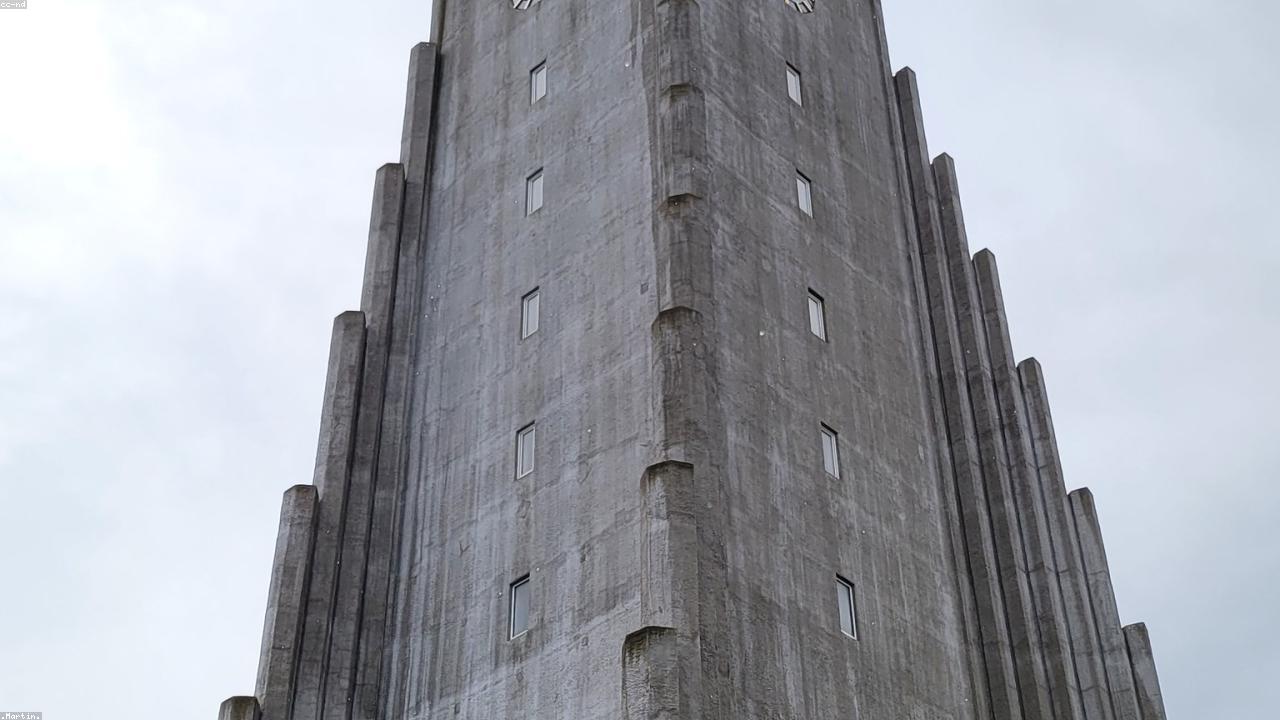
It’s 3:30 in the afternoon and the sun is going down over the harbour. The fishing boats are coming in with the day’s catch. The cathedral, the Hallgrímskirkja with its volcanic-basalt pillars, glows lavender against a sky that has not been fully bright today and won’t be again until tomorrow at eleven. A small girl on the pavement opposite, in a wool jumper, is licking an ice-cream cone in the cold, and her grandfather is not surprised. This is winter in Reykjavik.
Why I keep coming back
Iceland was, for a long time in my career, the place I went between difficult assignments. I came here first in 2009, in the aftermath of the financial collapse, when the krona had cratered and the country was raw with the consequences. I came back in 2013, 2015, 2017, 2021. The country runs on a particular combination of practicality and weirdness that I have, slowly, come to think of as one of the world’s great national personalities.
The Icelanders are descended from medieval Norwegian and Irish settlers. They have a literary tradition older than most European national literatures (the Sagas). They have one of the highest per-capita book publishing rates on earth. They believe in elves (some of them; ask a roadworks crew that has rerouted a road around a rock). They eat fermented shark.
Reykjavik is the city of this country. It has 130,000 people. It has the architecture of a fishing town done very tidily. It has good coffee, four notable bookshops, two excellent music venues, and a degree of natural-light variability you will not have prepared for.
Where to base yourself
Downtown (101). Almost everything is walkable from a base near the Hallgrímskirkja or down towards the old harbour. Reykjavik is small enough that you don’t need a neighbourhood strategy.
What to actually do
The Blue Lagoon is fine; don’t make it the only hot spring. The Blue Lagoon is genuinely beautiful and has been carefully managed, but it now requires advance booking, is expensive, and is crowded. Sky Lagoon, closer to the city, is the newer alternative with a more atmospheric infinity edge over the sea. The municipal pools — Sundhöll Reykjavíkur, Laugardalslaug — are where Icelanders actually go: a few euros, hot pots at various temperatures, a sauna, a steam room. Bring a swimsuit and a towel.
Hire a small car and drive the Golden Circle in one day. Thingvellir National Park (where the tectonic plates pull apart visibly), the Geysir hot-spring area (the original of the English word, though the famous one is now mostly its quieter neighbour Strokkur), Gullfoss waterfall (an absurd two-tiered cataract). 250 km, six hours of leisurely driving in winter, longer in summer when you’ll want to stop more.
Drive the south coast at least to Vík. Hire the car for two full days and continue past Gullfoss to Seljalandsfoss, Skógafoss, the black-sand beach at Reynisfjara, the small black church at Vík. The drive itself is the experience: glaciers visible to the north, the Atlantic to the south, the road empty of traffic in winter. Check weather and road conditions on road.is before you go.
Stay up for the aurora. Or, more realistically, sleep until around 11 p.m., wake to check the forecast, and walk five minutes out of central Reykjavik to a dark patch by the sea. The Grótta lighthouse on the western edge of the peninsula is the locals’ viewpoint. The aurora isn’t a guaranteed nightly show — solar activity matters, and clouds matter more — but on clear nights between September and April, it’s there.
Visit one of the bookshops. Mál og menning on Laugavegur is the all-purpose one; Bóksala stúdenta is the university shop and the academic one. Bring a book home. Iceland publishes more books per capita than almost anywhere on earth and many are translated into English.
Where to eat
Icelandic food, for a long time, had a reputation for being severe. It still can be. But the modern Reykjavik food scene is excellent.
Dill — One Michelin star, the modern Icelandic restaurant that proved this could be done. Reservations weeks ahead.
Mat Bar — A small wine bar with a serious kitchen, walk-in friendly, the small plates approach.
Snaps Bistro — French-influenced bistro, reliable for a non-tasting-menu evening, popular with locals.
Bæjarins Beztu Pylsur — The hot-dog stand by the harbour. A perfectly executed local hot dog (lamb, beef, pork, with crispy fried onions and a brown mustard) for around 600 ISK. Bill Clinton ate one here once and they will still tell you about it.
Brauð & Co. — A sourdough bakery on Frakkastígur with a vivid painted façade and a cardamom roll that is, on its own, a reason to visit Iceland.
When to come
Winter (November–February) for the northern lights and the empty country. Daylight is short — three to five hours — but the snow makes the landscape extraordinary.
Late February to early April is the sweet spot: aurora still possible, longer daylight, the country slowly waking up.
June for the opposite — the midnight sun, 22 hours of daylight, the highland roads opening, the puffins arriving.
Avoid the very deep winter weeks of December and early January if you want to drive — the storms are real and the daylight is shortest.
Practical notes
- Visa: Schengen.
- Money: Icelandic króna. Card universally — Iceland is one of the most cashless countries on earth.
- Driving: The car is essential outside Reykjavik. Roads.is and vedur.is are the live weather and road websites; check them obsessively in winter. Headlights on at all times, by law.
- Cost: Iceland is expensive. A beer is roughly €10–12 in a bar. Groceries are 50% higher than continental European prices. Plan accordingly.
- Tap water: Among the cleanest on earth. Don’t buy bottled water; you’re insulting the country.
- The lagoon entry: Book in advance, even in winter. Walk-up tickets are no longer sold.
A final thought
Iceland teaches a particular kind of attention. The weather changes every fifteen minutes. The light shifts every five. The country is so far from human-built scale — fields of pumice, ridges of frozen lava, glaciers visible from main roads — that you spend your time recalibrating your sense of size.
Reykjavik is the country’s small parenthesis: a city of fishermen and writers and bartenders, with one big church and a thousand small front gardens, where on the right December evening you can be walking back from dinner and the sky, simply, lights up. The aurora is the trip’s headline, but it isn’t the trip’s lesson. The lesson is the patience required for the aurora to appear: hours, sometimes days, of weather and waiting. The Icelanders have been doing this for a thousand years. They are not in a hurry. Neither, when you’re there, are you.
If you only have a few days
6 ideal things to do in Reykjavik
Swim at Sundhöll Reykjavíkur
Barónsstígur, five minutes from HallgrímskirkjaEarly morning, with the regulars
Guðjón Samúelsson's 1937 indoor pool — the city's oldest purpose-built one, geothermal from the day it opened — gained an outdoor pool and hot tubs in 2017, so you can now sit outdoors at forty degrees while snow lands on your head, which is the whole Icelandic proposition in a sentence. Shower naked and thoroughly first; the attendant will tell you if you don't, and will do it in front of everyone. Diocletian had Split doing this seventeen centuries ago and we have somehow let the habit lapse.
Up the Hallgrímskirkja tower
Skólavörðuholt, at the top of SkólavörðustígurA clear afternoon; there is a lift
Forty-one years in the building, finished in 1986, and modelled on the columnar basalt you will meet later at Svartifoss — so the building that looks most like Iceland is also the newest large thing in it. A lift takes you up the 74-metre tower for the view: coloured roofs, the bay, Esja across the water with the next weather already visible on it. Downstairs the Klais organ has 5,275 pipes, and if you catch someone practising, stay. Best free half-hour in the city.
The Settlement Exhibition on Aðalstræti
Aðalstræti, city centreSave it for a rainy hour — you will be given one
Builders digging a hotel foundation in 2001 struck the wall of a Viking-age longhouse, and instead of moving it the city built the exhibition around it, in the basement where it lies. You walk around the actual turf wall, dated by a volcanic ash layer to within a year or two of 871. It is one room, and it is done extremely well. Reykjavik keeps discovering that it is older than it looks, which is the opposite of my problem.
Kolaportið flea market
The old customs house, Tryggvagata, by the harbourWeekends only, all year round
Iceland's only year-round flea market fills the ground floor of the old customs house every weekend: lopapeysa jumpers of wildly varying quality, second-hand books in a language you cannot read, and a food end selling dried fish, flatbread and the fermented shark that exists mainly so that Icelanders can watch foreigners eat it. I have eaten it. Once. This is our Pazar in Split with wool in place of tomatoes, and considerably better lighting.
Walk out to the Grótta lighthouse at dusk
Seltjarnarnes, the western tip — about an hour on footAurora season, September to April. Closed 1 May–15 July for nesting terns
Go west along the shore until the streetlights give out and you reach a lighthouse on a tidal island, which is where people who live here go to look for the northern lights instead of paying for a coach. Check the tide before you cross; the causeway floods and somebody gets stranded on it every winter. From May to mid-July the arctic terns are nesting and the islet is off limits — and if you did try, the terns would make the position clear themselves.
The ferry out to Viðey
Kollafjörður bay — ferry from SkarfabakkiDaily in summer, weekends in winter; the Peace Tower is lit 9 October to 8 December
A short crossing puts you on an almost empty island with an eighteenth-century house, Richard Serra's nine pairs of basalt columns set around the shoreline, and Yoko Ono's Imagine Peace Tower, which throws a column of light up into the sky between Lennon's birthday and the date he was shot. In summer it is a walk among nesting birds. In winter the ferry runs at weekends and you may get the whole island to yourself, which I did, in horizontal rain, and enjoyed considerably more than I expected to.
From a Split boy’s notebook
The Split lens
What reminded me of home
Small seaport at the edge of a much bigger country, with the harbour as the social heart. The Saturday Kolaportið flea market is our Pazar with woollen jumpers instead of olive oil. Both cities punch above their population in cultural depth.
What Split could borrow
Reykjavik built municipal geothermal pools as the city's daily social space — pensioners, teenagers, tourists, all in the same hot water at 7 a.m. We have thermal springs near Solin and a Roman bath tradition Diocletian himself patronised. The city should rebuild a public thermal pool. It's our heritage.
Who can take you
Tour operators & guides to try
A short, opinionated starter list — just my humble opinion. Verify before booking.
Intrepid Travelsmall groupwww.intrepidtravel.com →
Intrepid's Iceland circuits handle the practical hardships well — the right vehicles for the F-roads, weather-adjusted itineraries, the highland routes that solo drivers sometimes can't access. Group size 12–16; tents on the highland trips, guesthouses elsewhere. The summer trips are the strongest; their winter Iceland is fine but you'll wish you'd hired your own 4x4 for the flexibility. Caveat: aurora is never on a schedule, and Intrepid can't manufacture it for you.
Hurtigrutenexpeditionwww.hurtigruten.com →
Hurtigruten's Icelandic coastal cruises (operated under their Expeditions arm rather than the regular Norwegian fleet) are a genuinely different way to see the country — Reykjavík + Westfjords + east coast from the sea rather than the road. Premium pricing, comfortable vessels. Best for travellers who want a slower pace and don't want to drive. Caveat: the on-shore time at each port is limited; you sample the country rather than know it.