Europe
Paris, France
Paris in the off-hour: the city that rewards stubborn patience
September 12, 2024
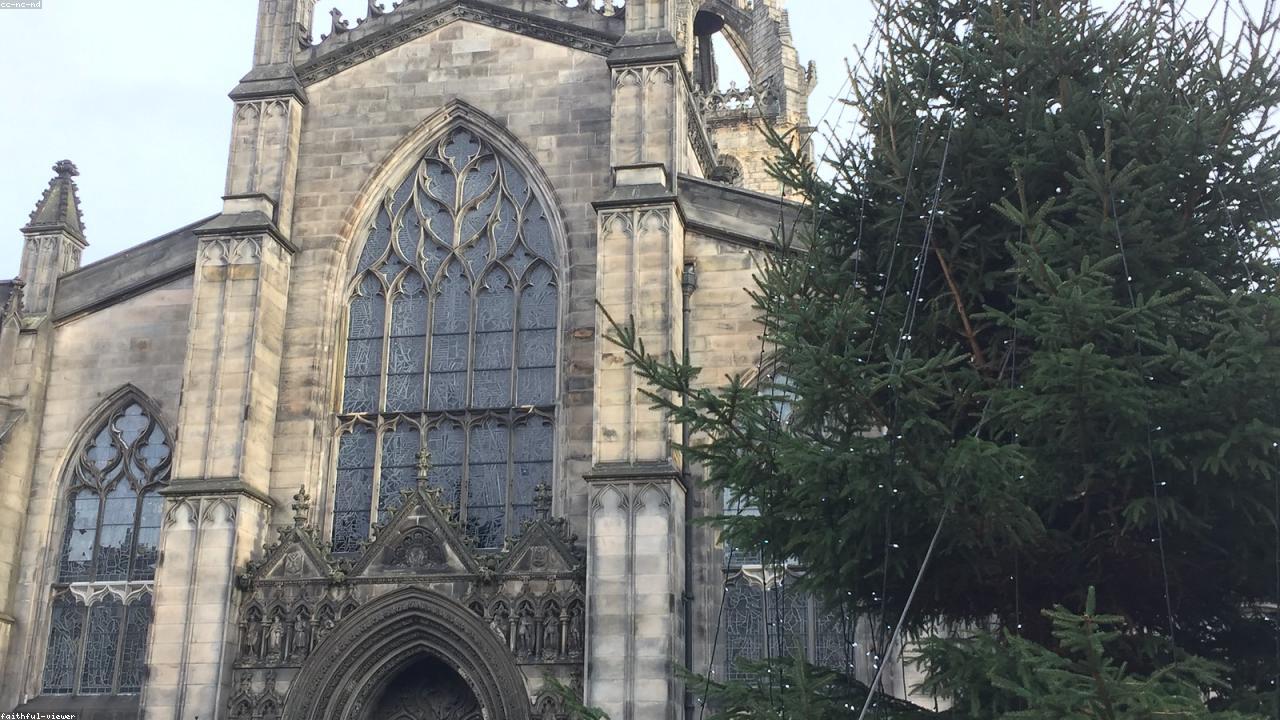
Photo: Ščenza
Edinburgh, Scotland · Europe
The short list, pulled out of the long essay. No opening hours, because they change and I would only get them wrong — just what is worth your morning, roughly when to turn up, and where I have wasted time so you don’t have to.

By Ščenza
Last checked
Holyrood Park, east of the Old TownMid-morning in winter; absurdly early in summer
Two hundred and fifty-one metres of extinct volcano sitting inside the city, with the earthworks of an Iron Age fort still legible on the summit and the Firth of Forth laid out beyond it. Forty minutes up the eastern grass slope, rather less if you decide to race a stranger, which I did once and regretted well before the top. James Hutton worked out deep time on these rocks, which is a great deal to have happened on a hill you can climb in a jumper.
Chambers Street, Old TownA wet afternoon, which Edinburgh will supply
Free, enormous, and the only museum I know where the Lewis chessmen, a Pictish stone and the actual stuffed body of Dolly the sheep are about four minutes' walk apart. The Victorian Grand Gallery is a cast-iron hall with a four-storey column of eight hundred objects running up through the middle of it. I have gone in for an hour on three separate visits and come out after three, and I have still never found the roof terrace on the first attempt.
Edinburgh Castle and the Nelson MonumentOne o'clock, obviously
Since 1854 a ball has dropped down a mast on the Nelson Monument at one o'clock so that ships in Leith could set their chronometers, and since 1861 a gun has been fired from the castle as the foggy-day version of the same signal. Both still happen. Stand on Calton Hill, watch the ball fall, wait about three seconds, then hear the gun — sound being slow and the castle being a kilometre away. Half of Princes Street flinches. I still do.
Ten minutes downhill from Princes StreetLate afternoon, for the light in the valley
Eleven watermills once ground the city's grain in this hollow, and the buildings are still standing — restored, lived in, and slightly unreal, in a valley you drop into from Telford's bridge with no warning at all. The walkway follows the river out towards Leith, past St Bernard's Well and the modern art galleries. I have never once managed the full eight kilometres to the harbour without stopping, which is either a stamina problem or a very well-sited pub.
Forrest Road, Old TownEvenings; sit where you can see the corner
Small bar with a serious claim on the Scottish folk revival: people have been playing traditional music in the corner here since the late 1940s, and Billy Connolly and Barbara Dickson were regulars long before either was famous. No stage, no tickets, no amplification. Musicians arrive, sit down, start. You stop talking when the fiddle starts, a rule I worked out on my second visit rather than my first, having spent the first one being an idiot at volume.
Half an hour out of Waverley by train or busA clear day; the bridge is best in low sun
Nineteenth-century cantilever railway bridge, opened in 1890, painted the particular red that gave English a phrase for a job that never ends, and a UNESCO site since 2015. From the little high street underneath it the scale refuses to compute — trains cross constantly and look like models. The Hawes Inn on the waterfront is where Stevenson set the kidnapping in Kidnapped and is still a working pub, which is a continuity Split keeps failing to manage with its own literary addresses.
The long version
I love Edinburgh in February. I know nobody is supposed to, but the festivals have packed up, the Christmas markets are gone, the tour buses are dormant, and the city — built of dark stone on top of an extinct volcano — looks like itself again.
Read the full essay →