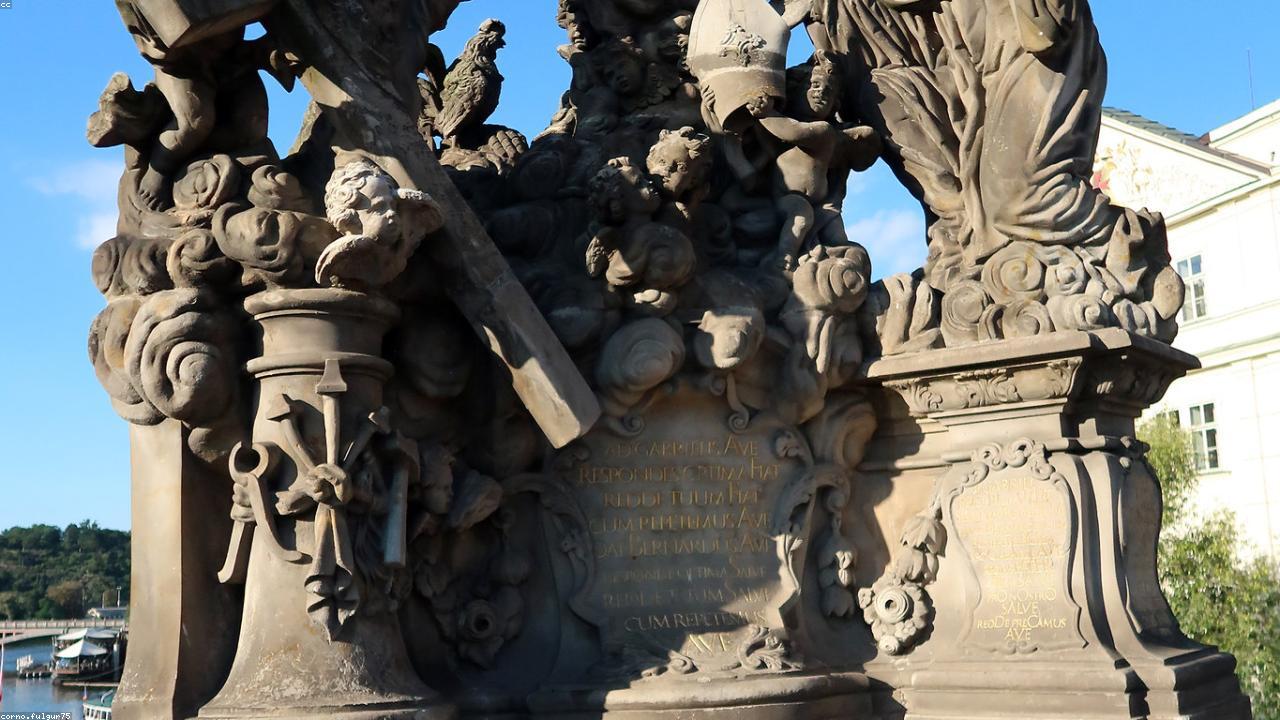
Photo: Ščenza
Prague, Czechia · Europe
Prague at half-speed: the city after the tour groups leave
I first saw Prague in 2003, when the post-communist hangover was real and the beer cost almost nothing. The city has changed more than any European capital I know. The trick now is to find the version of it that survived.
By Ščenza
· updated · 6 min read
There’s a particular hour in Prague that I have, over twenty years, come to think of as the city’s actual time. It begins around 7 p.m. in winter, when the tour groups have gone back to their buses and the street performers have packed up, and lasts until about 11. The Old Town Square empties out. The cobblestones, the colour of slate, hold the light from the gas lamps. The cold pushes into your coat. The city, which has spent the day being looked at by ten thousand strangers, becomes itself again.
If you can be here for this hour, every evening of a week-long trip, you will understand Prague. If you only see it in the noon hours, you will think the city is a postcard. It is not. It is a city that wears a postcard during the day.
Why I keep coming back
My first trip was 2003 — the beer was nine crowns, the Charles Bridge was crowded but not yet impassable, and a friend of mine had a half-renovated apartment in Žižkov where the bathtub was in the kitchen. I came back in 2008, 2012, 2016, 2019, 2022, 2024, 2025. I have watched the city, especially the Old Town and Malá Strana, become aggressively monetised. I have also watched the outer neighbourhoods — Vinohrady, Holešovice, Karlín — quietly become genuinely interesting, in a way they weren’t.
What keeps me returning is the architecture. Prague is, more than almost any European capital, a city of unbroken historical layers. The Romanesque is in the church crypts. The Gothic is in the spires. The Renaissance is on Hradčany hill. The Baroque is over half the Malá Strana. The Cubist (yes, architectural Cubism is a Czech thing) is on a couple of streets near the Vltava. The functionalist 1920s and the brutalist 1970s coexist, sometimes within a single block. You walk around with your head up and the centuries keep arriving.
Where to base yourself
Vinohrady, east of the centre. Belle-époque apartment buildings, a calm grid of leafy streets, the city’s best modern restaurants and brunches, a 15-minute walk from the Old Town and a 7-minute Metro from anywhere.
Karlín, north of the centre. A formerly industrial district badly damaged in the 2002 floods and rebuilt; now one of the city’s most architectural and food-focused districts, with great river walks.
Žižkov for the bohemian / working-class hybrid. The TV tower is here. So are some of the city’s best, smokiest old beer halls.
Avoid the Old Town itself as a base, especially anything within shouting distance of the Astronomical Clock. The square is impossible after 9 a.m. and noisy at night.
What to actually do
Cross the Charles Bridge at 6 a.m. Yes, really. It’s the only way to have it. By 8 a.m., it’s a slow-moving river of selfie sticks. At dawn, when the Vltava is steaming under the bridge in winter, it is genuinely one of the most beautiful places in Europe. Then get coffee at Café Savoy in Malá Strana, which opens at 8.
Walk up to the Strahov Monastery, not to the castle. The castle is fine and the changing-of-the-guards is a tourist transaction. The Strahov, west of the castle, has the most beautiful library reading rooms in central Europe and a quiet park behind it where you can look down at all the spires you came to see.
Spend an hour at the Museum Kampa. A small contemporary-art museum on the river, in a converted mill. The František Kupka collection is the show. The Jiří Kolář collages are quietly extraordinary. The crowd is mostly Czech.
Drink in an actual beer hall. Not U Fleků (a tourist set piece). Lokál Dlouhá for fresh-tank Pilsner Urquell and proper, brusque service. U Vejvodů for a more student-y, late atmosphere. Pivovar U Tří růží if you want a microbrew in the centre. A half-litre is roughly 60 crowns in a neighbourhood place and 100 in a tourist one; this is the cleanest test.
Take the night train, if you’re moving on. Prague’s main station is a sleeper hub — Berlin, Budapest, Krakow, Vienna, all by overnight train. The Czech state rail compartments are clean and the breakfast comes with a plastic-wrapped roll of black bread and a single mandarin.
Where to eat
Czech cuisine in 2003 was meat-and-dumplings, almost without exception. Czech cuisine in 2026 is more interesting than you’d expect — partly because of a new generation of chefs and partly because the city has a lot of foreign residents now.
Eska (Karlín) — A sourdough bakery turned full restaurant; the smoked-trout tartare, the lentil with quark, the wood-fired sourdough.
Lokál Dlouhá (Old Town) — A modern take on the Czech beer hall: tank Pilsner, schnitzel, beef with cream sauce. Fast service, fair prices, a tourist will find a Czech sitting at the next table.
Field (Old Town) — One Michelin star, contemporary Czech tasting menu, the only fine-dining spot in the centre I keep returning to.
Sansho (Centre) — Chef Paul Day’s Asian-leaning cooking; the wagyu sourcing is legitimate; the wine list is small and exact.
Manifesto Market (Holešovice) — A shipping-container food market in the rapidly changing northern district. Useful for a fast lunch with options.
When to come
Late October through November is the best month I know. The crowds are gone, the autumn light catches the stone, and the city is grey in a way that flatters it.
Early December, before the Christmas market crowds hit, is also lovely.
January and February are genuinely cold but the cheapest months — and the empty Charles Bridge in fresh snow is the photograph everyone wants and almost nobody gets.
April is reliable. Summer (June–August) is crowded, hot, and the city loses its lighter qualities.
Practical notes
- Visa: Schengen.
- Money: The Czech crown (CZK). Cards are widely accepted; carry some cash for beer halls and smaller cafés. Avoid the airport exchange counters and the ‘EuroNet’ yellow ATMs in the centre — both have aggressive fees.
- Transport: Excellent. The Metro is fast and intuitive (lines A, B, C). Trams run late. The 24-hour ticket at 120 crowns is the no-brainer for two days of moving around.
- Pickpockets: Trams 22 and 23 (the castle line) and the Old Town Square. Standard front-pocket discipline.
- The drinking: Czech beer is the strongest argument for spending an evening in a beer hall. Order Pilsner Urquell tanková (tank) where you can. Tipping is roughly 10%, rounded up.
A final thought
Prague is one of the few European capitals that emerged from the twentieth century with most of its central architecture still intact. The Nazis didn’t bomb it; the Soviets didn’t rebuild it; the post-1989 boom rebranded it but did not, in the end, knock most of it down.
The consequence is that the city carries the past the way a long-lived person carries their stories — visibly, slightly stooped, not always at ease, but very much present. You can read whole centuries off a single street. That’s the gift on offer here. The cheap beer used to be the draw; it isn’t anymore, prices having caught up to most of Western Europe. The architecture is the draw, and the architecture is doing fine, and the architecture, unlike the beer, will not get more expensive between your visits. The city is worth getting up at dawn for. Most things, eventually, are.
If you only have a few days
8 ideal things to do in Prague
Cross the Charles Bridge before six
Between the Old Town and Malá StranaDawn in any month; winter dawn is late enough to be civilised
Five hundred and sixteen metres, thirty statues — every one of them a replica now, the originals having been taken indoors away from the weather — on a bridge begun in 1357 and under some phase of restoration for most of my adult life. Before six it is empty, the Vltava steaming in the cold, one saxophonist setting up who has clearly not decided whether to bother. Return at nine and you will queue to stand still. Highest-return alarm clock in Europe.
The two halls of the Strahov Library
Strahov Monastery, on the hill above Malá StranaLate afternoon, then walk down through the orchard
Two hundred thousand volumes across two rooms — the barrel-vaulted Theological Hall and the taller Philosophical Hall, ceilings by Nosecký and Maulbertsch — plus a corridor cabinet of curiosities holding some deeply unwell-looking taxidermy. Afterwards walk down through the monastery orchard with the whole field of spires in front of you. The castle queue is twenty minutes east and I have never regretted walking away from it.
Vyšehrad and its cemetery
On the bluff above the river, two Metro stops south of the centreSunday morning
Everyone climbs to the castle and almost nobody comes to the other fort. Vyšehrad has ramparts to walk, the city's oldest surviving rotunda from the eleventh century, and a cemetery where Dvořák, Smetana, Mucha and Čapek lie within a few minutes of one another. On a Sunday it is Czech families, dogs, and nobody selling anything at all. The view down the Vltava from the walls is the one the postcard racks forgot about.
The Old Jewish Cemetery and the Spanish Synagogue
Josefov, north of the Old Town SquareFirst entry of the day — it is a narrow path and it backs up
The oldest legible stone belongs to a rabbi and poet who died in 1439, and the last burial was in 1787. In between, with no room to expand and no permission to clear, the community raised the ground and buried in layers — twelve of them in places — which is why the stones now lean into each other like a crowd on a tram. Ten minutes away the Spanish Synagogue does the opposite: gilded, stuccoed and patterned in the Moorish manner down to a Torah ark shaped as a mihrab.
An evening in the Municipal House
Náměstí Republiky, beside the Powder TowerEvening for a concert; the guided tour runs by day
Art Nouveau at full volume: Smetana Hall under its glass dome, and upstairs the Lord Mayor's Hall painted top to bottom by Mucha, which the daytime tour gets you into. The concerts are aimed at visitors and the programme is usually the greatest-hits kind, and I have given up pretending to mind. Sitting under that ceiling while an orchestra grinds through the New World Symphony is not something I am capable of being superior about.
The metronome on Letná
Letná Park, above the bend in the riverLate afternoon into evening, spring to autumn
Where Stalin's monument stood until it was dynamited in 1962 there is now a 25-metre metronome, installed in 1991 as a temporary piece and never taken away, not always swinging. Skateboarders own the plinth. Behind it the beer garden sits under the chestnuts with the whole row of bridges laid out below. Bring a bottle opener; I have twice had to ask a teenager on a skateboard for help and he was gracious about it both times.
Plečnik's church on Náměstí Jiřího z Poděbrad
VinohradyAny weekday; there is usually a market on the square
Jože Plečnik built this between 1929 and 1932 and it resembles nothing else in the city — a brick ark of a building with a 42-metre tower carrying a glazed clock face 7.6 metres across, the largest in the country. Half of Vinohrady walks past it to the Metro every morning without once looking up. Stand at the far end of the square with a coffee and give it ten minutes, then go and see what the same man did to the castle gardens.
Saturday morning at the Náplavka market
Rašínovo nábřeží, the embankment below VyšehradSaturday, early — the good bread goes first
Saturday brings ninety-odd stalls down onto the embankment: growers, butchers, cheese, bread, a queue at every coffee cart, and the crowd is Czech families doing their shopping rather than a performance staged for visitors. Buy breakfast, sit on the concrete steps with your feet hanging over the water, and watch the swans run their protection racket. Most ordinary thing on this list, and the one I would keep if I could only keep one.
From a Split boy’s notebook
The Split lens
What reminded me of home
Layered Romanesque–Gothic–Baroque architecture in a small walkable centre, with a working population still trying to live among the day-trippers. The pre-dawn empty Charles Bridge has the same quality as Diocletian's peristyle at six in the morning before the cruise-ship arrivals.
What Split could borrow
Prague's metro runs through the night on weekends. Our Promet bus network stops too early — getting home from Bačvice on a summer Saturday means a taxi if you've missed the last bus. A handful of night bus routes from the Riva would be a small thing with a real social effect.
Who can take you
Tour operators & guides to try
A short, opinionated starter list — just my humble opinion. Verify before booking.
Context Travelspecialistwww.contexttravel.com →
Context's Prague history walks are the right depth if you care about the layered narrative — Habsburg, First Republic, Nazi occupation, communism, Velvet Revolution — that the standard tour brushes over. Their Jewish Quarter walk and the post-1989 architectural walk are particular strengths. Six-person cap. Caveat: these are not for hurried visitors who want a 90-minute summary; Prague Context walks are usually 3+ hours.
Prague City Adventuresspecialistpraguecityadventures.com →
Prague City Adventures is the locally-run outfit covering walking tours, food walks, and beer-tank visits through the city's brewery heritage. Groups around 12 with Czech-resident guides — Old Town for the obvious history, but also Žižkov for the post-1989 narrative that the standard tours brush past. Caveat: their food tours are reliable but pricier than the alternatives; if budget matters, the working beer pubs done independently are arguably more rewarding than a guided food walk.
If you liked this, try these
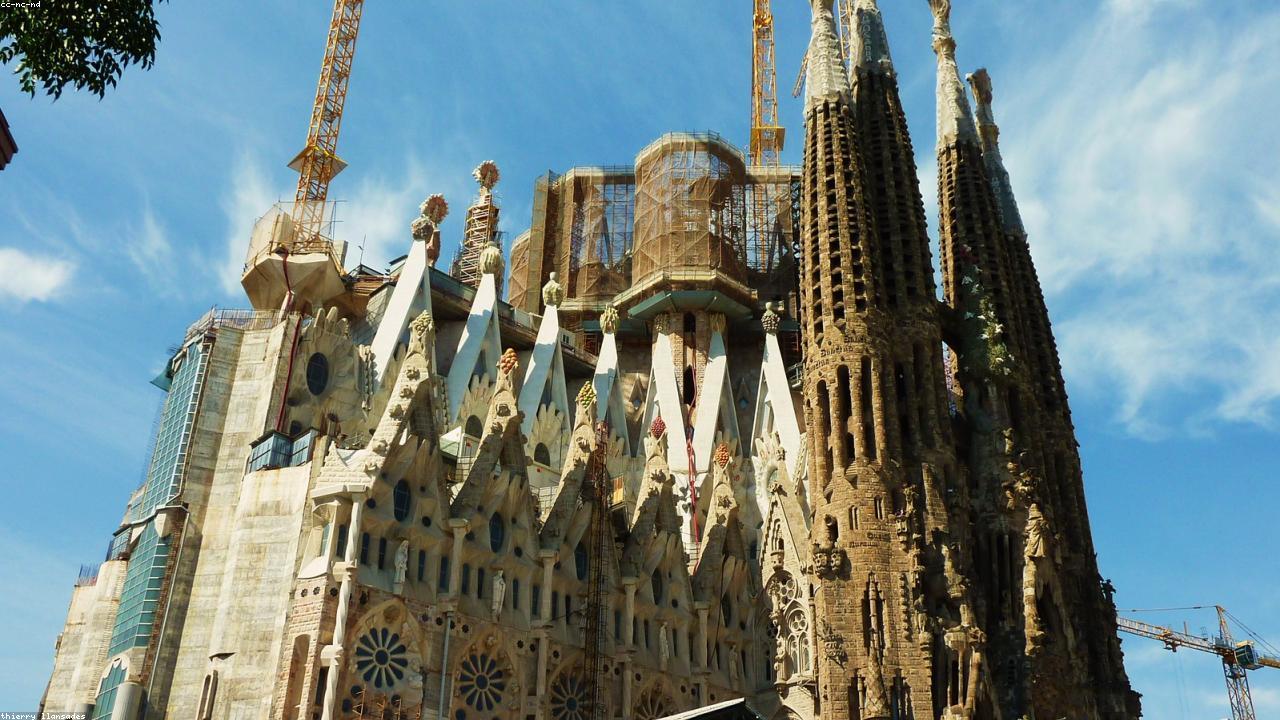
Barcelona, Spain
Barcelona without the postcard: a week with the working city
April 8, 2024
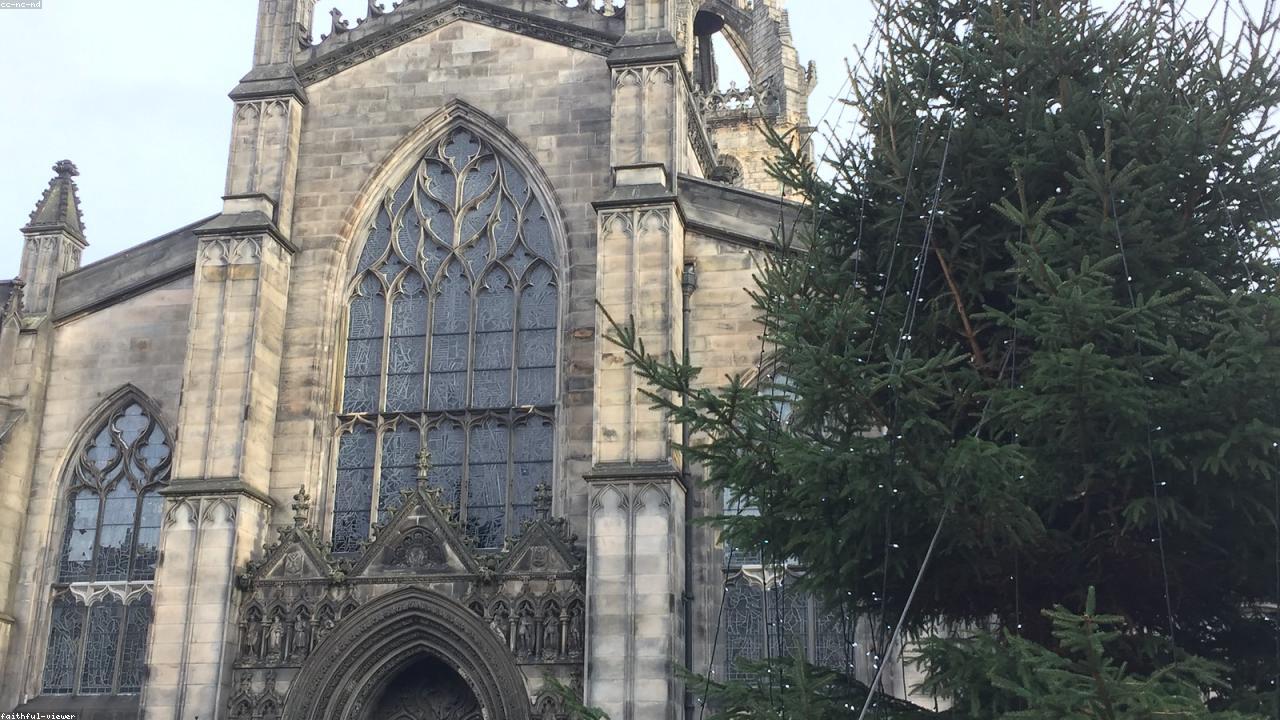
Edinburgh, Scotland
Edinburgh between festivals: the stone city in its quieter clothes
February 19, 2023
Dubrovnik, Croatia
Dubrovnik out of season: the walled city without the cruise ships
April 11, 2022