Africa
Stone Town, Tanzania
Zanzibar: Stone Town and the spice islands
July 19, 2022
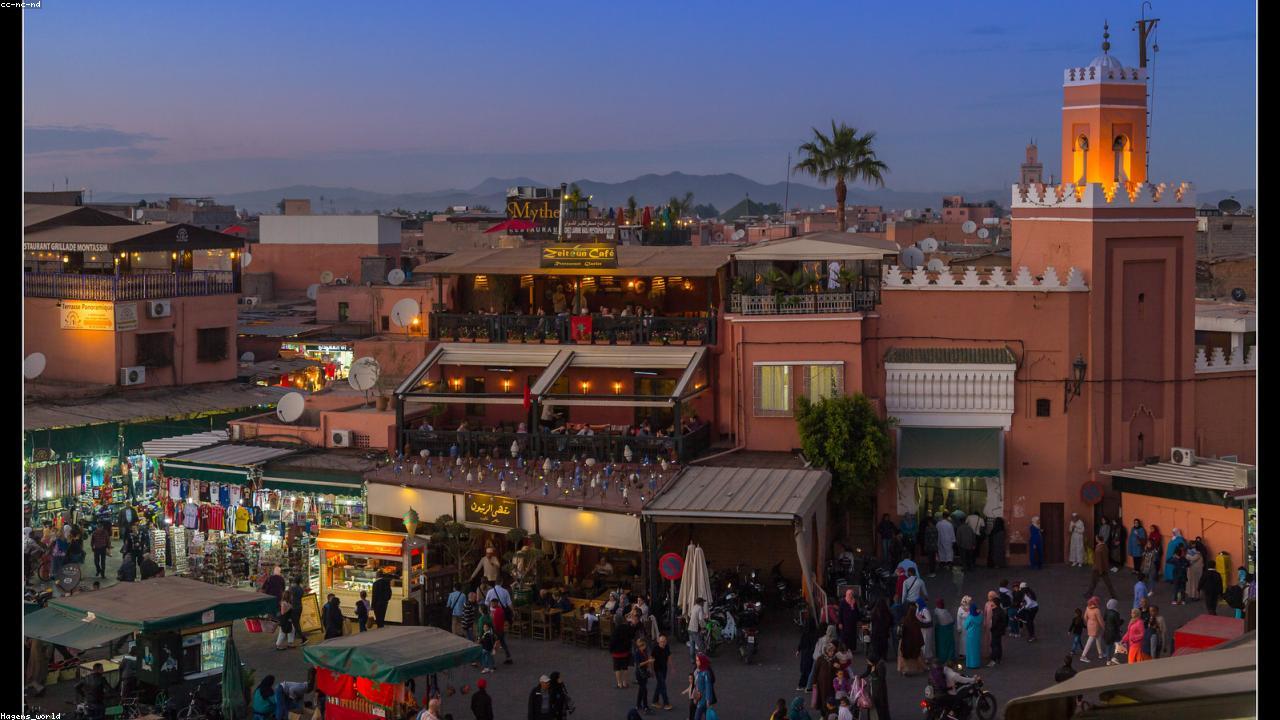
Photo: Ščenza
Marrakech, Morocco · Africa
The short list, pulled out of the long essay. No opening hours, because they change and I would only get them wrong — just what is worth your morning, roughly when to turn up, and where I have wasted time so you don’t have to.
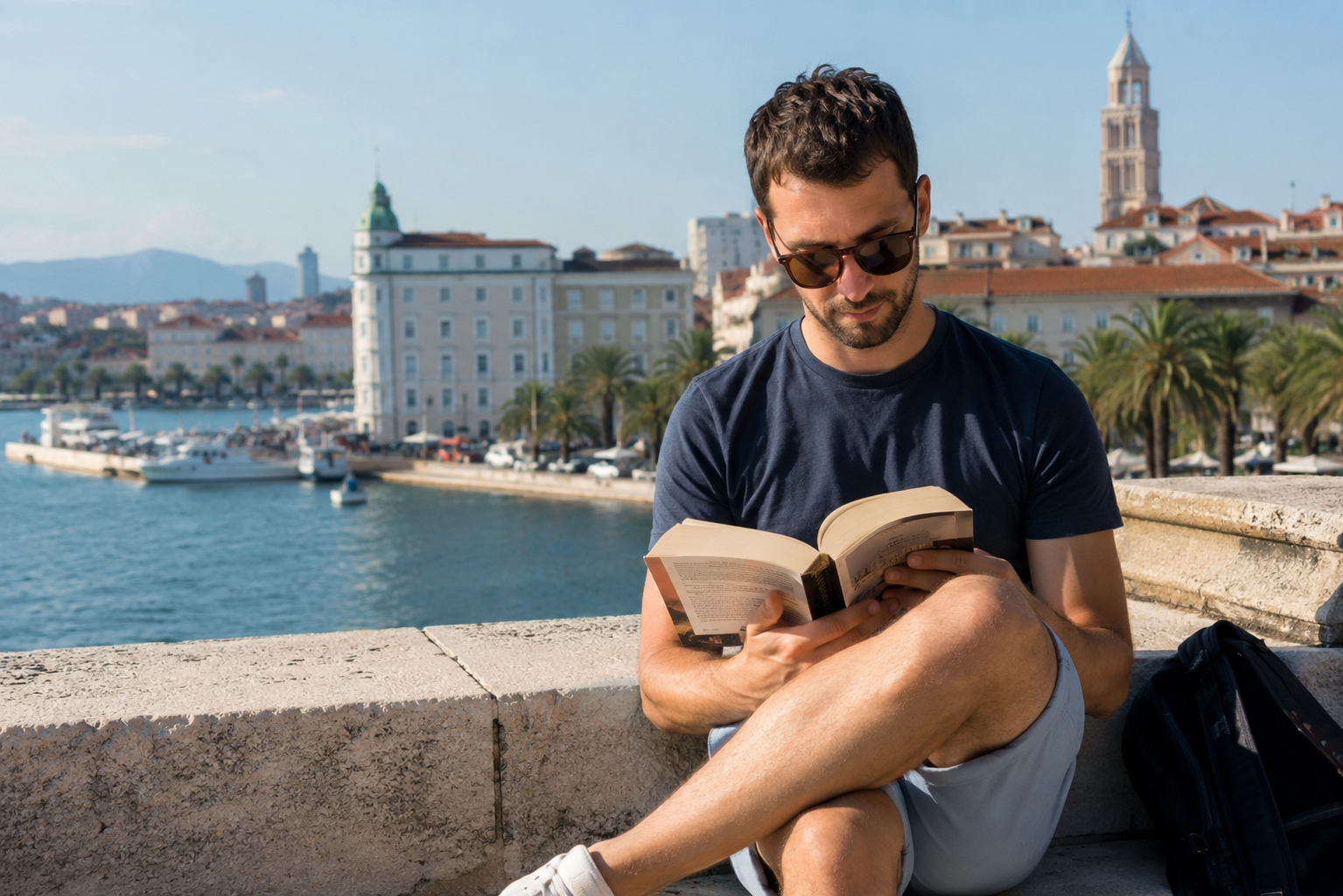
By Ščenza
Last checked
Medina, between the square and the main mosqueThe first two hours after the shutters go up
Eighteen souks, tens of thousands of people working in them, historically divided by trade — leather here, copper there, pottery, carpets, slippers — and the divisions still broadly hold even where they have blurred. Go early, while the shutters are still going up and nobody has begun their pitch. You will get lost. Getting lost is the mechanism, not the failure: the medina was laid out by people who did not want an invading army to find its way through, and the design continues to work perfectly on me.
Medina, at the northern end of the souksFirst hour of the day
Sixteenth-century Quranic college, closed for restoration in 2018 and reopened in 2022, and the four years were spent well. A white marble courtyard with a long reflecting pool, cedar galleries above it, zellij and carved plaster over every surface a hand could reach. Upstairs are 132 student cells, most about the size of a cupboard, which is a useful corrective if you have spent the morning complaining about the ceiling height in your riad. Come at opening — once the courtyard fills, the pool reflects nothing but people.
Kasbah quarter, near the MellahLate afternoon, for the light on the rammed earth
A sultan named it 'the Incomparable' in 1578; a later one stripped it back to the brick and carted the marble off to Meknes, which is a thorough way of making a point about your predecessor. What survives is a sunken orange garden, a ninety-metre pool, and rammed-earth walls with white storks nesting along the top, clattering their bills at one another all afternoon. It is the emptiest large site in the medina. I go every visit and, if I am honest, mostly just watch the storks.
Mouassine quarter, medinaLate afternoon; men's and women's hours are separate
Part of a Saadian complex begun in 1562, which makes this the oldest working public bath in the city — stone rooms, domed ceilings, black soap, a kessa glove, and an attendant who removes a layer of you that you had not realised was optional. It is not a spa. There is no herbal tea at the end. We had Roman baths in Split for four centuries and quietly let the whole tradition go; walking out of here into a warm alley is what not letting it go looks like.
The main square, medinaFrom about an hour before sunset
In something like ninety minutes the square converts from a fairly ordinary open space into the largest outdoor dining room in Africa: carts rolled into position, fires lit, numbered stalls, storytellers pulling circles around themselves, the Koutoubia calling to prayer over the lot of it. Eat wherever the turnover is fastest — that is the only rule that reliably matters. The touts work hard on the approach. Say no clearly, keep walking, and don't take it personally; they are at work, and so, once, were you.
About 90 minutes' drive south of the citySpring or autumn; the peaks hold snow well into May
Imlil sits at the foot of Toubkal, which at 4,167 metres is the highest mountain in North Africa, and you do not have to climb it to justify the drive. Walk between the villages instead, up through the walnut terraces, and eat lunch in sight of a slope you have no intention of attempting. Going from forty degrees in the medina to cold clean air in under two hours is a genuine physiological event. I did it on the same day as the hammam once and then slept for eleven hours.
The long version
Marrakech is a city built for confusion. The medina was designed in the 11th century as a fortified labyrinth, and the design has held. The riad — the inward-facing courtyard house — is built around a small fountain and a fragment of sky. The streets are narrow on purpose. Surrender to it.
Read the full essay →