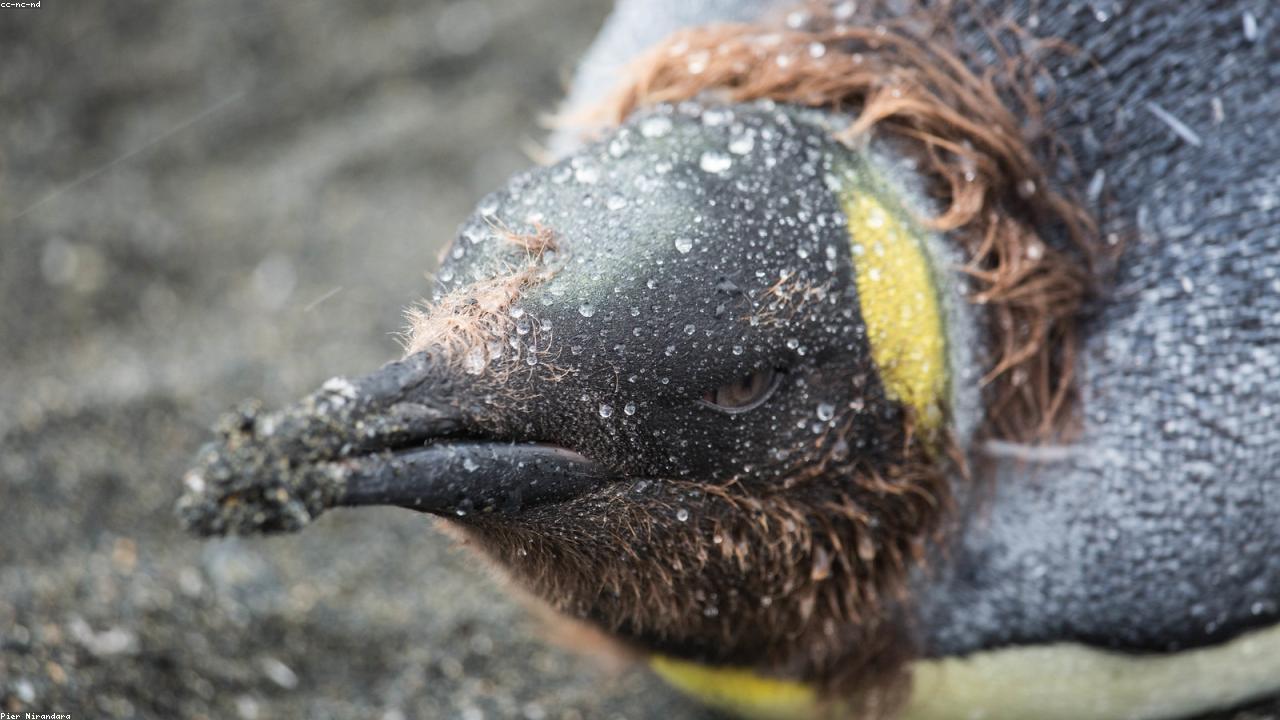
Photo: Ščenza
Ushuaia, Antarctica · Polar
Antarctica: ten days on the seventh continent
Antarctica is the most genuinely empty continent on earth. The only realistic access is by ship across the Drake Passage from Ushuaia, Argentina. The 10-day cruise — penguins, ice, the Drake itself, the cold ocean — is one of the most distinctive trips available in modern travel.

By Ščenza
· updated · 4 min read
It’s 5:48 a.m. in the Lemaire Channel, off the Antarctic peninsula, and our small expedition vessel is creeping through a narrow ice-channel between two vertical glaciated cliffs. The water is glass-flat and reflects the cliffs perfectly. A pod of minke whales is moving alongside the boat. The temperature is around -2°C. A chinstrap penguin colony is visible on a rocky outcrop a kilometre away. The light is blue-white, the kind of light that exists only at high latitudes in summer. We have been at sea since Ushuaia six days ago. The Drake Passage was, for once, only moderately violent.
Why I keep coming back
I have been to Antarctica three times — first in 2012, then 2018, then most recently in late 2023, the latter on a 12-day cruise that included a crossing of the Antarctic Circle. Each trip has reinforced the same impression: Antarctica is the most genuinely empty large landmass on earth, and the trip is one of the few in modern travel that genuinely exceeds expectation.
The Antarctic Peninsula — the long finger of land extending north from the continent toward South America — is the most accessible part of the continent and where almost all tourism happens. The 10–12 day expedition cruise from Ushuaia is the standard format: two days across the Drake Passage to the South Shetland Islands, 5–6 days exploring the peninsula by ship and zodiac, two days returning across the Drake. Some operators include the Falkland Islands and South Georgia (with the king-penguin and elephant-seal colonies) on longer 18–22 day variants.
How to do it
All Antarctic peninsula trips operate from Ushuaia, Argentina (or, less commonly, from Punta Arenas, Chile). You fly to Ushuaia, board the vessel, and cross the Drake Passage.
Operators range from large 200-passenger ships (less zodiac access; fewer landings) to small 12-passenger sailing yachts (maximum landings, most expensive). Most travellers choose a mid-size 100–150 passenger expedition vessel (Lindblad/National Geographic, Quark, Oceanwide, Hurtigruten, Aurora Expeditions). Vessels with ice-strengthened hulls can travel further south.
The last-minute Ushuaia walk-on market — where ships seeking to fill empty berths sell at significant discounts — has largely disappeared since the pandemic; book ahead.
What you’ll see
Penguin colonies. Gentoo, chinstrap, Adélie. The colonies in November are at egg-laying; in January, with the chicks hatched. The smell, downwind, is real.
Whales. Humpback, minke, occasionally killer whales. The peninsula has one of the world’s most active humpback feeding grounds in the southern summer.
Seals. Crabeater (despite the name, eats krill), Weddell, leopard, and the elephant seal at South Georgia.
Seabirds. Albatross (wandering, grey-headed, light-mantled), giant petrels, snow petrels.
Ice. Glaciers, icebergs, brash ice, growlers (small icebergs at sea level), tabular bergs the size of small countries (rarely encountered close to the peninsula).
Whaling-era and research stations. Deception Island (a flooded volcanic caldera with a working entrance), the abandoned Whalers Bay station, the Argentine and British research stations.
Optional camping. Some operators offer single-night camping on the Antarctic continent itself; a particularly memorable add-on.
Practical notes
- Visa: Antarctica has no visa; the visa formalities are for Argentina (Ushuaia is the departure point). Argentina is visa-free for most Western passports.
- Money: USD widely accepted on cruises; Argentine pesos for the Ushuaia portion.
- Cost: One of the most expensive trips in this guide. Base cabin on a mid-tier cruise is US$8,000–15,000 per person; premium cabins on smaller vessels US$20,000–35,000+. Last-minute deals via specialist agents sometimes available.
- Drake Passage: The 800-km open-sea crossing between Cape Horn and the South Shetland Islands; some of the roughest seas on earth. Sea-sickness medication strongly recommended. Some operators offer ‘fly-the-Drake’ itineraries (charter flight to King George Island instead of the sea crossing) — significantly more expensive but eliminates the seasickness.
- Cold: Manageable. Most operators provide parkas. Bring waterproof trousers, warm base layers, good gloves, waterproof boots (often loaned).
- The IAATO regulations: International Association of Antarctica Tour Operators is the voluntary regulator. Reputable operators are IAATO members; non-IAATO operators should be avoided. Landings are restricted to no more than 100 passengers ashore at any one time; sites have strict biosecurity protocols (mandatory boot-washing, no food on shore, no objects taken).
- Climate context: Antarctic tourism has roughly doubled in volume in the past 15 years, with the corresponding carbon and biosecurity concerns. The choice of operator (smaller, IAATO-compliant, low-impact) genuinely matters.
A final thought
Antarctica is, in my view, one of the rare destinations that consistently exceeds its already-extraordinary reputation. The scale of the continent, the quality of the wildlife encounters, the strangeness of the landscape (vertical ice cliffs, glaciated bays, the small zodiac approaches to within metres of a leopard seal or a humpback whale), and the genuine remoteness produce a trip that is, by most measures, unlike any other available.
It is also one of the most expensive trips on earth, one of the highest-carbon, and one of the most subject to climate-change concerns. The visit has consequences. Choose operators with serious sustainability commitments. Pay attention to the conservation briefings on board. Accept that the trip is, in some sense, an act of witness as much as travel.
Go if you can afford it. Choose a small ship. Spend extra for the Antarctic Circle crossing if possible. Take more photographs of the ice than the penguins (the ice changes more); the penguins, on social media, are over-photographed already. Antarctica is, for now, still here in its current form. The opportunity to witness it personally is one of the genuine privileges of modern travel.
If you only have a few days
5 ideal things to do in Ushuaia
Senda Costera, Tierra del Fuego National Park
West of Ushuaia, at the end of Ruta 3The day before you board
Lenga forest on one side, the Beagle Channel on the other, and at the end of it Bahía Lapataia, where Ruta 3 — the road that begins in Buenos Aires — simply stops in a car park by the water. I walked it in horizontal drizzle with the wrong jacket, having assumed that December at this latitude meant summer in the way Dalmatia means summer. It does not. Do it before you board: it is the last time for ten days you will walk anywhere that has trees.
Museo Marítimo y del Presidio de Ushuaia
Yaganes, central UshuaiaA wet afternoon before embarkation
Ushuaia exists because Argentina put a penal colony at the bottom of the world — first prisoners in 1884, the big prison built from 1902 by the inmates themselves, who then built the town around it. The museum is the prison. You walk the actual cell wings, one left unheated and unrestored, which is the honest one. Four collections share the building, including an Antarctic wing full of expedition relics. I went in for forty minutes, came out two hours later, and stopped complaining about my cabin.
Penguin walk on Isla Martillo, via Estancia Harberton
Beagle Channel, east of Ushuaia by road then dinghySeptember to April only; Harberton shuts on Tuesdays
Most Beagle Channel boats circle the island and let you photograph the colony from fifty metres. One operator is licensed to land, capped at a few dozen people a day, and you walk a marked line through Magellanic penguins with gentoos mixed in. The birds have no interest in you whatsoever, and that is the correct arrangement. Pair it with the morning navigation past Les Éclaireurs lighthouse and the sea-lion rock. Harberton closes on Tuesdays, a fact I established by arriving on one.
Crossing the Drake Passage on deck
Open water between Cape Horn and the South ShetlandsTwo days out, two days back; November to March
Everyone books the seasickness patch and then spends two days finding out whether theirs works. Mine mostly did. What nobody mentions beforehand is that the bridge on an expedition ship is usually open, and a wandering albatross will hold station off the stern for an hour without once flapping — the most efficient thing I have ever watched happen. Standing out in that wind is genuinely unpleasant and I went out every day. After the Drake, our bura back home felt like a rumour.
First continental landing at Neko Harbour
Andvord Bay, Antarctic PeninsulaZodiac operations, weather permitting — always weather permitting
Landings on the peninsula are mostly on islands, so Neko Harbour matters: it is one of the places where you stand on the continent itself, which counts for more than it logically should among people who have flown a very long way. Gentoos nest up the slope, deliberately high, because the glacier across the bay calves without warning and the wave comes in fast. Boot wash on the way out, boot wash on the way back, nothing eaten ashore, nothing picked up. The smell downwind outlasts the photographs.
From a Split boy’s notebook
The Split lens
What reminded me of home
The most controlled tourism on earth: small ships, mandatory naturalist guides, strict landing protocols, and a self-regulatory body (IAATO) that operators voluntarily join. Our Adriatic is not Antarctica, but the model of an operator self-regulatory body with real teeth is something our cruise-ship and yacht-charter industries lack.
What Split could borrow
IAATO's voluntary regulation works because the operators understand that protecting the Antarctic is protecting their own business model. Our Adriatic yacht-charter and cruise industries treat environmental compliance as a cost rather than a shared asset. A genuine IAATO-style self-regulatory body for Adriatic operators is the conversation we should be having before the next bad season makes it mandatory.
Who can take you
Tour operators & guides to try
A short, opinionated starter list — just my humble opinion. Verify before booking.
Quark Expeditionsexpeditionwww.quarkexpeditions.com →
Quark Expeditions is one of the most established Antarctic operators — multiple vessels from 100-passenger to 12-passenger sailing yachts, the Antarctic Peninsula and occasional South Georgia + Falklands itineraries. IAATO member with serious polar credentials. Upper-tier pricing (USD 8,000–25,000+). Caveat: the Drake Passage crossing is the constant variable; their 'fly-the-Drake' charter-flight option from Punta Arenas to King George Island is significantly more expensive but eliminates the seasickness factor.
Aurora Expeditionsexpeditionwww.auroraexpeditions.com →
Aurora Expeditions is the Australian-founded alternative with smaller vessels (Greg Mortimer, Sylvia Earle) and B Corp credentials. Comparable pricing to Quark for similar cabin tier. Caveat: their fleet is younger and more focused on the active-traveller end (kayaking, camping, polar plunges as standard options). Best for travellers who want the expedition-cruise format with more outdoor-activity time on shore.
If you liked this, try these
Longyearbyen, Norway
Svalbard: the polar archipelago and the bears that live there
July 12, 2024

Tórshavn, Faroe Islands (Denmark)
The Faroe Islands: eighteen rocks in the North Atlantic
July 4, 2024
Hobart, Australia
Tasmania: Australia's island state and its wild Southwest
April 15, 2024