Photo: Ščenza
Tórshavn, Faroe Islands (Denmark) · Europe
The Faroe Islands: eighteen rocks in the North Atlantic
The Faroe Islands are eighteen volcanic rocks rising sharply from the North Atlantic between Scotland, Iceland, and Norway. The total population is 54,000; the puffin colonies number in the hundreds of thousands. The light is unbelievable. The weather is unbelievable in a different sense.
By Ščenza
· updated · 4 min read
It’s 4:47 a.m. on the cliff above Saksun — a tiny village of grass-roofed cottages on the island of Streymoy in the Faroe Islands — and the sky is doing what northern summer skies do: not quite night, not quite morning, the colour of the inside of an oyster shell. A puffin lands on a tuft of grass three metres away. It looks at me. I look at it. It flies off. The village below — twelve people live here permanently — is silent. The fjord beyond it is glassy. This is the Faroe Islands, and at this hour it is one of the strangest, most quietly beautiful places I have ever stood.
Why I keep coming back
The Faroe Islands are an autonomous Danish region of 18 small islands in the North Atlantic, midway between Iceland and Norway. The total population is 54,000; the largest town, Tórshavn, has 22,000 people. The islands are connected by a combination of road tunnels (including spectacular subsea tunnels), bridges, and small ferries.
The geography is dramatic — sheer basalt cliffs rising 700 m from the sea, fjord-cut coastlines, sea stacks, grass-roofed houses on tiny coves. The weather is reliably terrible (or, occasionally, briefly spectacular), and the saying ‘if you don’t like the weather, wait ten minutes’ is more literally true here than anywhere else I have been.
Where to base yourself
Tórshavn — The capital, on Streymoy. Walking distance to the cathedral, the small harbour, and the cluster of small restaurants. A useful central base.
Vágar — The island with the airport; the famous Múlafossur waterfall (which falls directly into the ocean from a cliff at Gásadalur village) is here; Mykines (the puffin island) is a ferry away.
Northern islands (Eysturoy, Borðoy, Kunoy) — Smaller villages, fewer tourists, accessed by tunnel or ferry.
What to actually do
Visit Mykines for the puffins. The westernmost inhabited Faroese island; the puffin breeding ground (May–August), with thousands of birds nesting in the cliff burrows. Day trip by ferry from Sørvágur. The 2-hour hike to the lighthouse at the western tip is the classic.
Walk to Múlafossur waterfall. The famous waterfall that falls directly off a cliff into the Atlantic. The village of Gásadalur, accessed by a road tunnel from Sørvágur, is a 20-minute walk from the falls viewpoint.
Walk the Sørvágsvatn lake. The lake that, in the famous photograph, appears to be suspended high above the ocean (an optical illusion of perspective). 2-hour return hike from the road.
Visit the Saksun fjord. The grass-roofed village at the head of a sandy-bottomed fjord; the iconic Faroe photograph. Walk on the tidal mudflats at low tide.
Drive the island of Eysturoy. The second-largest island; Funningur fjord, Gjógv (a small village with a natural gorge harbour), the climb to Slættaratindur (the islands’ highest peak at 880 m).
Eat at one of the Michelin-starred restaurants. The Faroes have, surprisingly, two Michelin-starred restaurants in Tórshavn — KOKS (now operating in Greenland with a Faroese identity) and Ræst for the ræst fermented-lamb tradition.
Where to eat
Faroese food is heavily based on seafood (cod, halibut, mackerel), lamb (the iconic Faroese sheep that range freely on the steep grass slopes), and ræst — the traditional wind-dried, slightly fermented meat. The fermented food can be challenging for visitors.
Ræst (Tórshavn) — Modernised traditional fermented food. Áarstova (Tórshavn) — Refined Faroese in a historic building. Barbara Fish House — Reliable seafood. Heima í Stovuni (the ‘Home in the Sitting Room’) — A genuine family-host meal in a Faroese home; needs booking; an extraordinary experience.
When to come
June through August for the long northern summer days, the puffin season, the most accessible hiking.
May and September are shoulder; potential for clearer weather, fewer crowds.
October through April is the dark, stormy, windswept off-season; some accommodations close; ferries are seasonal.
Practical notes
- Visa: The Faroe Islands use Danish-Schengen rules; 90 days in 180 visa-free for most Western passports.
- Money: Danish krone (or Faroese krona, same value). Card universally.
- Transport: Most travellers rent a car at the Vágar airport. Some inter-island transfer uses helicopter (a particularly Faroese thing — government-subsidised helicopter service between the small islands; book ahead). Ferries are reliable.
- Weather: Layer up. The weather changes in 15 minutes. Wind, rain, fog, sun — all in one day, frequently.
- The whaling: The Faroes have an ongoing tradition of pilot-whale hunts (the grindadráp) that periodically draws international protest. Visitors are unlikely to witness one but the cultural complexity is worth being aware of.
- Cost: Expensive — Nordic prices.
A final thought
The Faroe Islands are one of the strangest and most quietly beautiful places I have travelled. The combination of the geographic drama, the small-village fishing-and-sheep culture, and the genuinely difficult weather produces a destination that is, in 2026, still well below tourism saturation.
A 5–7 day trip lets you see the major islands and walk the iconic landscapes. The light, particularly in the long northern summer evenings, is among the most beautiful on earth — a low-angle gold that lasts for hours. The puffins, in season, are within metres of you on Mykines.
Go in summer. Rent a car. Walk slowly. Wait for the weather. Accept that you will be rained on. The islands are eighteen rocks in the North Atlantic and, for the patient visitor, one of the most distinct travel experiences in Europe.
If you only have a few days
5 ideal things to do in Tórshavn
Tinganes
The peninsula splitting Tórshavn's harbour in twoEarly evening, once the offices have emptied
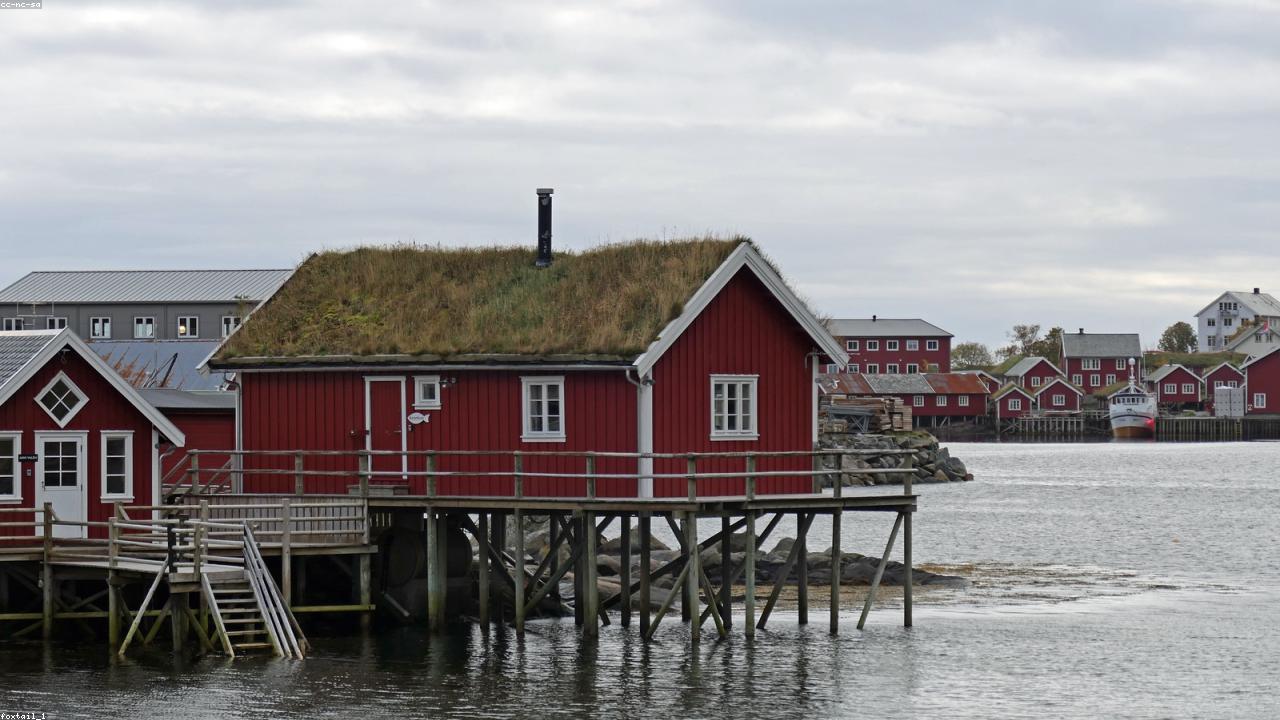
Ox-blood timber buildings with grass growing on the roofs, sixteenth and seventeenth century, still housing the government — the prime minister works under turf that somebody has to keep down. Norse settlers held a thing on this rock around the year 825, which puts it among the oldest parliamentary sites anywhere. Fifteen minutes to walk end to end. Our own administration back home sits in a Roman emperor's basement; the Faroese keep theirs in a shed with sheep-grade insulation, and theirs is the tidier arrangement.
Kirkjubøur
Southwest tip of Streymoy, 20 minutes from TórshavnAny day the wind permits
Everything is in one field here: the roofless shell of the Magnus Cathedral, begun around 1300 and never finished; St Olav's, twelfth century and still holding services; and Kirkjubøargarður, a log farmhouse dated to the eleventh century and reckoned the oldest continuously inhabited wooden house in the world. The Patursson family still lives in part of it, which is not a museum arrangement but an address. I stood inside the cathedral in horizontal rain for ten minutes and understood precisely why they stopped.
The Nólsoy ferry and the storm petrels
Twenty minutes east of Tórshavn by boatSummer. The petrel walk only works after dark, in August
Fifty thousand pairs of European storm petrels nest in the scree on this island, one of the largest colonies on the planet, above a village of about two hundred people packed shoulder to shoulder on an isthmus for shelter. The birds only come ashore at night, so the guided walk out to the burrows happens in the dark, and hearing that many of them arrive over your head is not a sound you file away and forget. Off-season it is a twenty-minute crossing, a walk to an eighteenth-century lighthouse, and coffee facing the capital.
Kalsoy and the Kallur lighthouse
Ferry from Klaksvík, then north through four tunnelsA clear day in summer. The tunnels are single-lane and blind
Eighty people live on the entire island, in four villages joined by single-lane tunnels bored through rock with no lighting in them whatsoever — carry a torch, and use the passing bays like you mean it. At the north end a small white lighthouse sits on a green spine with a long drop either side, and it is the photograph of the Faroes that people have seen without knowing where it was. They shot the end of the last Daniel Craig Bond film up there. The walk is short, steep and fully exposed.
Ólavsøka, 28 and 29 July
Tórshavn, all of itBook beds months out. The whole country turns up
Rowing races in wooden boats over a thousand metres, a procession of clergy and politicians and oarsmen, parliament formally reopening on the 29th, and then the chain dancing — the crowd linked in one long line, singing ballads with a hundred verses that nobody writes down because nobody has ever needed to. Fifty-four thousand people live on these islands and it feels like most of them are in town. If you want to see the Faroes as a country rather than as scenery, this is the two days to be here.
From a Split boy’s notebook
The Split lens
What reminded me of home
Small archipelago in a much bigger ocean, with a tight cultural identity and a population that has learnt to entertain itself in long winters. The Saturday-evening Tórshavn dinners-in-strangers'-homes scheme is exactly the kind of village-hospitality our island Šolta and Drvenik could revive.
What Split could borrow
The Faroes' 'Heimablídni' programme — Faroese families opening their homes to paying dinner guests under a clear license — is brilliant. Our konoba tradition is a fading version of the same instinct. A small license framework letting our island grandmothers serve dinner from their kitchens would protect the tradition and add a real income.
Who can take you
Tour operators & guides to try
A short, opinionated starter list — just my humble opinion. Verify before booking.
Hurtigrutenexpeditionwww.hurtigruten.com →
Hurtigruten's Faroe Islands cruises (their Expeditions fleet, not the coastal-Norway route) include the archipelago as part of a larger Northern Atlantic loop. Premium pricing; comfortable vessels; landing access by zodiac. Caveat: the at-sea time is significant; the Faroes are also genuinely easy and rewarding to do under your own steam with a rental car. The cruise format suits the traveller who doesn't want to drive.
62°Ntailoredwww.62n.fo →
62°N (named for the Faroe Islands' latitude) is the islands' main local DMC, running day tours from Tórshavn, multi-day driving itineraries, and the boat trips to the Vestmanna bird cliffs. Operating since the early 2000s with the local-island accommodation relationships sorted. Caveat: their packaging skews mid-tier hotel-based; if you want the small village home-stays (which I'd recommend for the deeper experience), you'll get them through direct booking rather than via the operator.