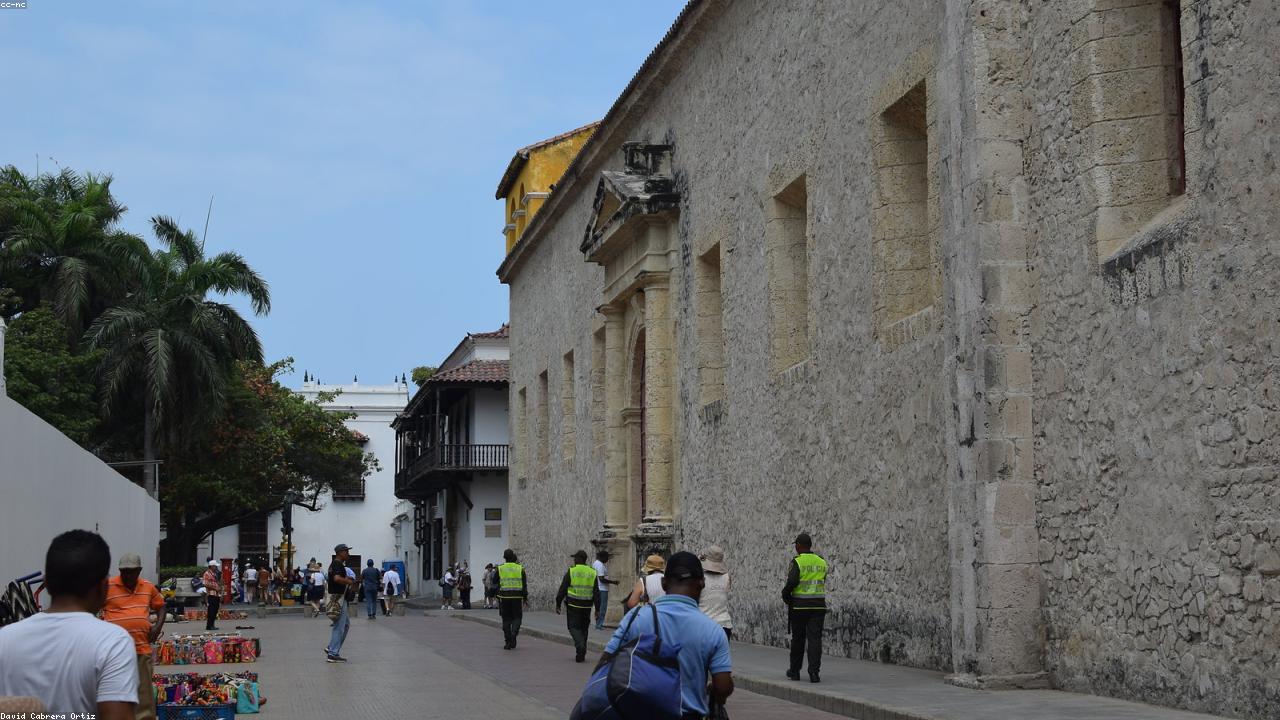
Photo: Ščenza
Cartagena, Colombia · South America
Cartagena: the walled city on the Colombian Caribbean
Cartagena's old walled city is one of the most architecturally complete colonial-era Spanish ports in the Americas. The Caribbean climate, the food, and the post-conflict tourism boom have made it a Latin American travel staple.
By Ščenza
· updated · 4 min read
It’s 5:48 p.m. on the wall — the muralla, the 17th-century fortified perimeter of Cartagena’s old town — and the local Cartageneros are out for their evening walk. A man is selling shaved ice with passion-fruit syrup. Two kids are roller-skating on the wall’s wide stone top. A small group of tourists is taking the standard sunset photograph. The Caribbean is glassy and pink. Behind us, the city’s brightly painted colonial-era facades — yellow, ochre, indigo, terracotta — are catching the late light. This is Cartagena at its visually peak hour.
Why I keep coming back
Cartagena was a key Spanish-colonial port in the Caribbean — the export point for silver from Peru and Bolivia for nearly three centuries — and was fortified to extraordinary standards against the persistent British, French, and pirate attacks. The result is one of the most architecturally complete Spanish-colonial walled cities in the Americas, UNESCO-listed since 1984.
The city has, in the past 25 years, transformed from a difficult-to-visit destination (in the worst years of the Colombian internal conflict) into one of the most popular travel destinations in Latin America. The transformation has, predictably, brought rising prices and crowding to the historic centre. The trick is to know where the day-trippers cluster and where they don’t.
Where to base yourself
Inside the walled city (Centro Histórico) for the most direct experience. Heritage boutique hotels in converted colonial houses.
Getsemaní — Just outside the walled city; the formerly working-class barrio that has become the hipper, more affordable, more food-and-music-rich alternative. Walking distance to the centro.
Avoid Bocagrande as a primary base — it’s the high-rise modern beachfront, far from the colonial centre.
What to actually do
Walk the muralla. The wall is open and walkable along almost its full length. Best at sunset.
Walk the old town slowly. The Plaza de la Aduana, the Plaza Bolívar, the cathedral, the Plaza Santo Domingo. The Inquisition Palace museum on the Plaza Bolívar.
Spend an evening in Getsemaní. The Plaza de la Trinidad fills with locals and travellers after 7 p.m. — informal music, street food, cheap beer.
Visit the Castillo de San Felipe de Barajas. The 17th-century fortress on a hill outside the walled city; one of the most extensive Spanish-American military fortifications surviving.
Day-trip to the Rosario Islands. The small archipelago an hour offshore by boat; Caribbean beaches, snorkelling, day-trip and overnight options. Touristy.
Day-trip to Mompox. A much smaller, equally colonial, far-less-touristed town up the Magdalena River — a 4-hour drive inland. The slower, calmer alternative experience.
Where to eat
Cartagena’s cooking is Caribbean-Spanish: coconut rice, fried plantain, fresh fish, lots of seafood.
Carmen — Modern Colombian fine dining; the most-celebrated kitchen in the city. La Cevichería — The Bourdain-recognised ceviche shop; touristy but real. Mardel — Modern Caribbean. Caffé Lunático (Getsemaní) — Brunch-and-evening modern; reliable. Demente (Getsemaní) — Tapas and small plates; popular with locals. Local market food at the Mercado de Bazurto — the city’s working market, a brief but vivid lunch experience. Arepas de huevo at street stands — the local breakfast snack. Coconut water from coconut cart vendors along the wall.
When to come
December through April is the dry season — the busiest and most reliably weather-good.
May through November is the rainy season — daily afternoon showers but lower crowds and prices.
The shoulder months are October and November.
The Caribbean climate is hot year-round (28–32°C); the breeze on the wall is the saving grace.
Practical notes
- Visa: 90 days visa-free for most Western passports.
- Money: Colombian peso; cards accepted in most centro restaurants and hotels; cash for street and market.
- Transport: Walking inside the walled city. Taxis or Uber for longer hops.
- Safety: The Cartagena historic centre is now very safe by Latin American capital standards. Standard urban precautions; some pickpocketing in the most touristed areas; nothing unusual.
- Spanish: Useful; English is increasingly spoken in tourism but Spanish opens more doors.
- The heat: Real and humid. Plan indoor / shaded activities for the middle of the day.
A final thought
Cartagena is one of the easier introductions to Latin American Caribbean travel — visually spectacular, safe, food-rich, with the colonial-port architecture that has made it a UNESCO favourite. The crowds in the most-photographed parts of the walled city are real but the wider city — Getsemaní, the working neighbourhoods, the Mompox alternative for a quieter colonial experience — rewards a longer visit.
Four nights minimum. Walk the wall at sunset. Stay in Getsemaní if budget is a consideration. Eat ceviche. Take a boat to the islands one day. Drink coconut water from a cart. Cartagena is, after the long decades of Colombian conflict, one of the country’s most visible recoveries; the visit is a small affirmation of that.
If you only have a few days
6 ideal things to do in Cartagena
San Basilio de Palenque
50 km inland, about ninety minutes each wayMorning, and with a guide from the village itself
Around 1600 some thirty people who had escaped enslavement fortified a settlement in the hills behind Cartagena, beat off the force sent to retake them, and negotiated their freedom out of the Spanish crown. Their descendants are still there, about three and a half thousand of them, still speaking Palenquero — the only Spanish-based creole language in South America. UNESCO listed the cultural space in 2005. Go with somebody from the village and pay them properly; going without one is just looking at houses.
Cerro de la Popa
The hill immediately behind the walled cityLate afternoon. The 2nd of February is the pilgrimage
An Augustinian convent of 1607 on the only high ground for miles, named for looking like the stern of a galley. The cloister is white, planted, and a good deal cooler than the street below. From the parapet the whole argument is visible in one frame: old town, bay, container port, the towers of Bocagrande, and the neighbourhoods nobody photographs. Every 2 February people walk up at dawn for the Virgin of the Candelaria. Take a taxi, and agree the waiting arrangement before you get out.
Iglesia y Museo de San Pedro Claver
Plaza San Pedro Claver, inside the wallsMorning, before the plaza turns into a griddle
Pedro Claver was the Jesuit who went down to the docks to meet the slave ships and spent his life on the people coming off them. His body lies under the altar in a glass case, which is a lot to walk in on before coffee. The cloister around it is the museum. This is the one building inside the walls that makes you deal with what the walls were built to protect and what paid for them. Everything else in the old town is painted a beautiful colour. This is the ledger.
Las Bóvedas
North wall, between the Santa Clara and Santa Catalina fortsThe last hour of light, tacked onto a walk on the muralla
Powder stores first, then cells: twenty-three bombproof vaults built into the north wall in the 1790s, and at high tide the men held in them stood in seawater up to the knee. Every arch is now a shop selling hammocks and souvenirs, which is a soft retirement for a dungeon. Go for the barrel vaults themselves and for the light coming through twenty-three identical openings at the end of the day. You are allowed to buy nothing. Nobody minds.
Playa Blanca on Isla Barú
Barú, by road bridge or by boatStay a night, or arrive ahead of the day boats
Two centuries ago the Canal del Dique cut Barú off the mainland and made it an island; a bridge has since put it back within driving distance. Playa Blanca is the beach everyone means, and for the middle of the day it belongs entirely to the day-trip boats coming over from the Rosarios. Either beat them there or sleep on the island and have the sand at first light, which is when it does the thing it is famous for. I did the day-boat version first, like everyone, and regretted it quietly on the way home.
Teatro Adolfo Mejía
San Diego quarter, inside the wallsSee what's on. Otherwise a daytime look inside
Built on the footprint of a church of 1625, opened in 1911, and restored in the eighties into a seven-hundred-seat horseshoe with Italian marble stairs and Enrique Grau's nine muses spread across the ceiling. Cartagena gives you a great deal of colonial exterior and very little interior you are permitted into, and this is the exception. If there is a concert on, go, whatever it is. I sat through an evening of accordion music I understood almost none of and would book it again tomorrow.
From a Split boy’s notebook
The Split lens
What reminded me of home
Walled colonial port on the Caribbean with an old town saturated by tourists and a working-class neighbourhood (Getsemaní) gentrifying fast. Our equivalent is the saturation of the old town and the parallel gentrification of Veli Varoš and Lučac. Cartagena is roughly five years ahead of us on the curve.
What Split could borrow
Cartagena's recovery from the Colombian conflict-era tourism collapse was driven partly by community-led tour operators (locally-owned, ethically-run). Our equivalent — community-led tours of Klis, the hinterland villages, the working fishing harbours — is informal at best. A formal community-led-tour cooperative model would shift more of the tourist spending to working families.
Who can take you
Tour operators & guides to try
A short, opinionated starter list — just my humble opinion. Verify before booking.
Intrepid Travelsmall groupwww.intrepidtravel.com →
Intrepid's Colombia trips include Cartagena as a 2–3 night chapter alongside Bogotá, Medellín, and the coffee region. Group size 12–16. The Cartagena portion covers the walled city, a salsa class, a Caribbean day-boat trip to the Rosario Islands. Caveat: their Caribbean-side stays are sometimes in high-season-priced areas; ask about Getsemaní accommodation specifically (the better-value neighbourhood).
This Is Cartagenaspecialistwww.thisiscartagena.com →
This Is Cartagena is the city's most-organised local walking-and-food operator — walled-city walks, the post-colonial-history walks, the Getsemaní food crawls, the small-boat Rosario Islands day trips. Groups around 12. The guides are *cartageneros*, not imported. Caveat: their Playa Blanca day trips on the Rosario Islands use the standard tourist boats, which are crowded in high season — pay up for a smaller-boat charter, or skip Rosario entirely for a calmer Tierra Bomba beach day.
If you liked this, try these
Buenos Aires, Argentina
Buenos Aires: the European city at the bottom of the Americas
January 18, 2023
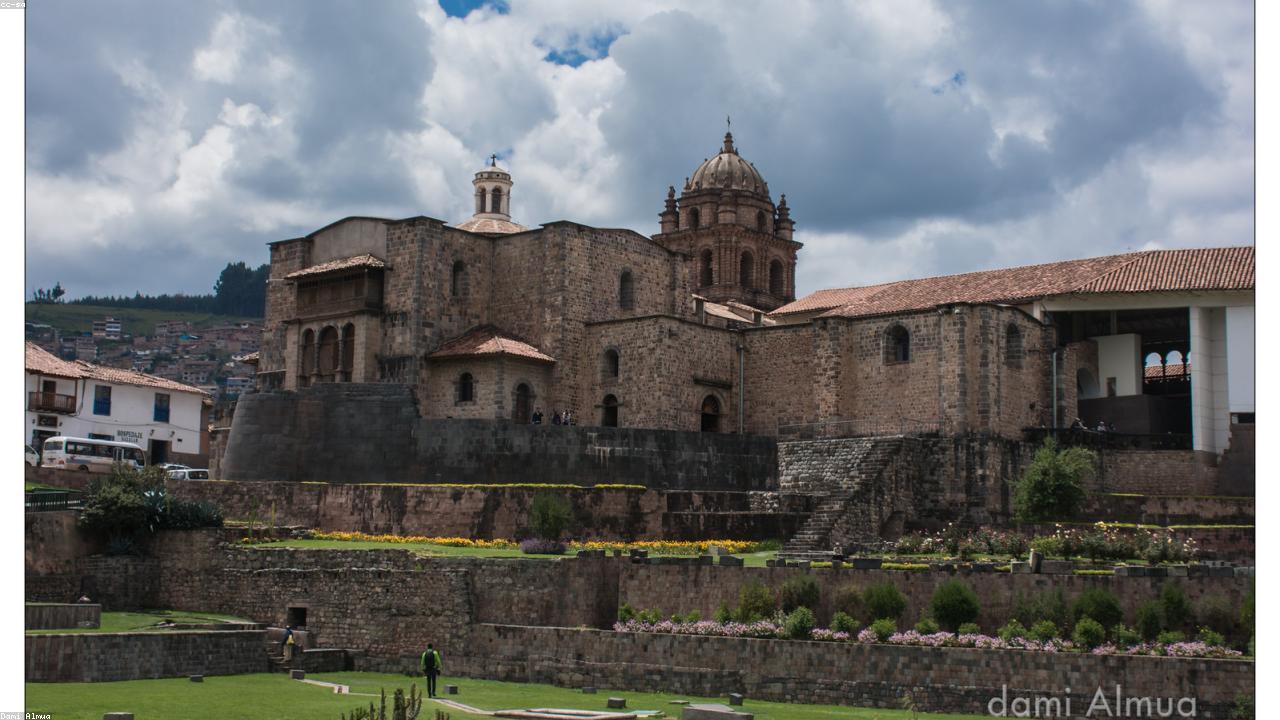
Cusco, Peru
Cusco: the Inca capital and the gateway to the Sacred Valley
June 8, 2022
Jerusalem, Israel
Jerusalem: the city of stone, light, and contested ground
March 8, 2021