Photo: Ščenza
Cusco, Peru · South America
Cusco: the Inca capital and the gateway to the Sacred Valley
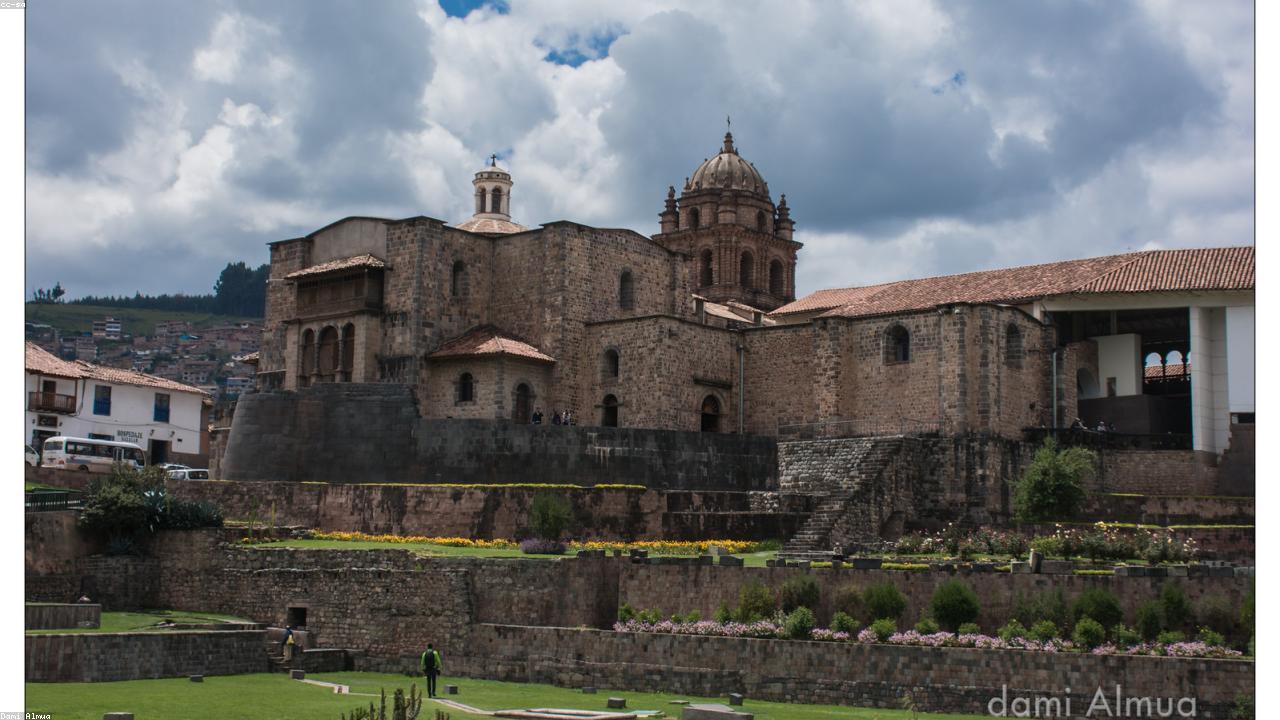
Cusco is where the Spanish built their colonial churches and palaces directly on top of Inca stone foundations — sometimes literally using the same walls. The city at 3400 m is the gateway to Machu Picchu and the Sacred Valley, but it deserves three or four days on its own merits.
By Ščenza
· updated · 5 min read
It’s 6:14 a.m. and I’m walking down the Calle Hatun Rumiyoc in central Cusco, the street that runs along the side of the 16th-century Archbishop’s Palace. The reason to walk this street is in the wall of the palace itself: the lower three metres are Inca stone — perfectly fitted polygonal blocks, no mortar, sometimes twelve-sided where the masons joined a piece — and the upper Spanish colonial construction sits directly on top. The most famous individual stone, the twelve-cornered stone, is here, embedded in the wall. The wall is 600 years old at the base and 450 at the top. The Spanish, when they took the city in 1533, found the Inca walls too well-made to demolish; they built on them.
Why I keep coming back
Cusco — the navel of the world in Quechua, Qosqo — was the capital of the Inca Empire, the largest empire in pre-Columbian America. The Spanish conquest in 1533 led to one of history’s strangest urban outcomes: a city where the Inca foundations remained intact while a colonial Spanish city was built on top of them. The result is a UNESCO-listed central core where every other wall is half pre-Columbian, half colonial.
The city sits at 3,400 m in the Andes; the surrounding Sacred Valley contains some of the most extraordinary Inca-era sites (Pisac, Ollantaytambo, Moray, Maras), and Machu Picchu is a 4-hour train ride further down the valley.
Where to base yourself
The historic centre (around the Plaza de Armas and San Blas) for the walkable old city. Stay above the Plaza de Armas if you can — the morning views over the red-tiled roofs to the Andes are extraordinary.
The Sacred Valley (Urubamba, Pisac, Yucay) for a quieter, lower-altitude base (the valley is around 2,800 m, easier on the lungs). Many travellers spend their first nights in the Sacred Valley, climb Machu Picchu, and finish in Cusco — better for altitude adaptation.
What to actually do
Acclimatise on day one. 3,400 m is high. Drink coca tea (genuinely helpful for altitude), walk slowly, avoid alcohol on the first day, sleep early. Many travellers underestimate this; some go down with altitude sickness.
Walk the Plaza de Armas and the Cathedral. The 16th-century cathedral with its remarkable colonial art (the Cusco school of indigenous-Spanish painting); the painted Last Supper with a guinea pig on the table is a small subversive detail worth finding.
Visit Qorikancha. The Sun Temple of the Incas, now under the colonial Santo Domingo monastery. The Inca walls in the lower levels are some of the most refined surviving Inca masonry.
Walk the San Blas neighbourhood. The artisans’ quarter, on a steep slope above the Plaza de Armas; cobblestoned, smaller, with workshops still operating in many of the historic buildings.
Take a Sacred Valley day trip. The classic tour covers Pisac (the Inca terraces and ruins above a small town), Maras (the centuries-old terraced salt pans, still in active use), Moray (the concentric circular Inca agricultural terraces, possibly a microclimate experimental farm), and Ollantaytambo (the surviving Inca town and fortress).
Hike to Rainbow Mountain (Vinicunca). A 5,200-m mineral-striated mountain in the Andes south of Cusco; recently ‘discovered’ by Instagram and now heavily trafficked. The hike from the trailhead is 3 hours moderate, but the altitude is serious. Don’t do this on day one.
Take the train to Machu Picchu. Either the Inca Rail or PeruRail train from Ollantaytambo to Aguas Calientes (the village below Machu Picchu); 90 minutes. From Aguas Calientes, a bus or walk up to the ruins. See the Machu Picchu article for details.
Where to eat
Peruvian cuisine in the Andean tradition: corn, potatoes (Peru has over 4,000 varieties), quinoa, alpaca, the ubiquitous cuy (guinea pig).
MAP Café — Modern Peruvian in the MAP (Pre-Columbian Art) Museum courtyard. Cicciolina (centre) — A bar/restaurant institution; modern Andean with Italian touches. Pacha Papa (San Blas) — Traditional Cusco food, including the cuy if you want to try. Chicha por Gastón Acurio — Modern Cusco from the famous Peruvian chef. Mercado San Pedro — The central market; the fresh juice counter and the bread bakery; lunch at one of the working stalls. Coca tea, anywhere — the standard altitude-adjustment beverage.
When to come
May to September is the dry season; the most reliable trekking and Machu Picchu weather. June–August are the peak crowded months.
October–November and March–April are shoulder seasons; some rain but lower crowds.
The Inti Raymi festival on June 24 is the great Inca New Year celebration; theatrical, busy, beautiful.
December–March is the rainy season; the Inca Trail trekking is closed in February for maintenance.
Practical notes
- Visa: 90 days visa-free for most Western passports.
- Money: Peruvian sol; ATMs work in the city.
- Transport: A taxi from the airport into central Cusco is around 30 sol. Within Cusco, walking. The Sacred Valley by tour van or private driver.
- Altitude: Plan for slow acclimatisation. Some travellers fly straight to a lower altitude (Cusco at 3400 m is higher than Machu Picchu at 2400 m) and overnight in the Sacred Valley first. Take it slow.
- The Inca Trail: Strict permit limits; 500 people per day on the four-day trek; book six months ahead minimum. The Salkantay, Lares, and Choquequirao alternatives are easier to permit but each has its own demands.
- The Machu Picchu permit: Now strictly timed-entry with limited daily numbers. Book online before you fly to Peru.
A final thought
Cusco is one of the great historical cities of the Americas and one of the most rewarding bases for the broader Sacred Valley experience. The Inca-Spanish layered architecture is unique. The food culture, both the high-end contemporary Peruvian and the working market food, is excellent. The altitude is the single hardest aspect; respect it.
Most visitors come for Machu Picchu and treat Cusco as a transit point. The better trip is three or four nights in Cusco before Machu Picchu (for the altitude adjustment and the city itself), the Sacred Valley over two or three days, Machu Picchu as a single intense day, and a return to Cusco for one final night. Eight to ten days total; the Andean experience this gives you is one of the most rewarding short trips in South America.
If you only have a few days
7 ideal things to do in Cusco
Walk up to Sacsayhuamán from San Blas
On the ridge above the city, half an hour uphill from the Plaza de ArmasAt opening — and not on your first day at altitude
Walk it instead of taking a taxi, but only after two days of acclimatising: the climb out of San Blas at 3,400 metres told me more about my lungs than I had asked to know. At the top are three zigzag walls, the longest around 400 metres, built from limestone blocks estimated at up to 200 tonnes and moved some 35 kilometres from Rumicolca. Nobody has fully explained the logistics. Standing at the foot of the biggest stone, you stop needing them to.
Qorikancha, where the Inca wall holds up the convent
Avenida El Sol, five minutes below the Plaza de ArmasLate afternoon, once the Sacred Valley tours have gone
Under the Dominican convent of Santo Domingo is the Inca sun temple, and the point of the place is structural: earthquakes have repeatedly brought down parts of the colonial building while the Inca masonry beneath has not shifted. The curved outer wall is the finest piece of stone-cutting I have seen anywhere. We did the same thing in Split — medieval houses wedged inside Diocletian's walls, because the old work was better and nobody was mad enough to demolish it.
The guinea pig in the Cathedral's Last Supper
Plaza de ArmasMid-morning
Marcos Zapata painted it around 1753 and the platter in front of Christ holds a roast cuy. The Cusco School — indigenous painters working to Spanish commissions — kept smuggling the Andes into scripture like this, and once you have caught one you spend the rest of the cathedral hunting the next. Finding the painting took me twenty minutes. Finding the guinea pig took about four seconds.
The twelve-angled stone on Hatun Rumiyoc
The lane climbing from the Plaza de Armas to San BlasJust after six, before the queue for the photograph forms
At the base of the Archbishop's Palace runs a wall of Inca ashlar with one block cut to twelve corners so it locks into its neighbours without a gram of mortar. By nine there is a small crowd and a man in Inca dress posing for coins; at half past six there is the wall, wet from the night, and a dog with opinions about your presence. Keep climbing into San Blas afterwards — the workshops open early and the street is all yours.
Breakfast at the Mercado Central de San Pedro
Calle Cascaparo, beside the church of San PedroEarly, while the juice counters are still serving locals
Cusco's oldest and largest produce market, and the row to aim for is the juice stalls, where someone will build you a glass out of papaya and maracuyá and then hand over the leftover half-litre still in the jug as a matter of course. Bread is upstairs from the fruit; the soup counters are behind. I have eaten better caldo here at seven in the morning than at dinner in rooms charging twenty times as much.
Moray and the salt pans of Maras in one loop
Sacred Valley, roughly 50 km north-westDry season, May to September; early for the light on the pans
Four and a half thousand shallow salt pools stacked down a hillside, fed by a saline spring that was running long before the Inca, still worked by Maras families who inherit the ponds and may only sell them to a neighbour. Half an hour away, Moray's concentric terraces sink thirty metres into the plateau with as much as fifteen degrees of difference between the top ring and the bottom. Two Inca answers to two problems, and neither one looks like farming until somebody explains it.
Sleep in Ollantaytambo and climb Pinkuylluna
Sacred Valley, 72 km by road, at 2,790 mOvernight, so you get the town before and after the Machu Picchu trains
Most people see Ollantaytambo for ninety minutes between a minibus and a train, and so miss that it is the best-surviving Inca town anyone still lives in, water running in the street channels as designed. Climb the terraces to the unfinished Sun Temple and its Wall of the Six Monoliths, rose rhyolite dragged from quarries five kilometres away across the river. Then cross the road and go up Pinkuylluna to the cliff storehouses: free, steep, and almost always empty.
From a Split boy’s notebook
The Split lens
What reminded me of home
Ancient capital where colonial conquerors built their churches directly on the older walls of the prior civilisation. Cusco's Spanish-on-Inca masonry is structurally similar to Split's medieval-on-Roman construction — same layered-architecture answer to the question of what to do with the previous empire's stones. Build on top.
What Split could borrow
Cusco interprets its Inca-Spanish layered architecture explicitly — the visitor can see where the Inca masonry stops and the Spanish work starts. Our equivalent — the Roman walls inside the medieval and Habsburg shells — is largely undocumented at street level. Better interpretive markers showing where the Roman work meets the later additions would give visitors a fundamentally different understanding of the palace.
Who can take you
Tour operators & guides to try
A short, opinionated starter list — just my humble opinion. Verify before booking.
Intrepid Travelsmall groupwww.intrepidtravel.com →
Intrepid's Peru itineraries treat Cusco as the 3–4 day Andean acclimatisation phase before Machu Picchu. Group size 12–16. The city portion is well-arranged (Plaza de Armas, Sacsayhuamán, the San Pedro market) and the Sacred Valley extension is done at a sensible pace. Caveat: the altitude (3,400 m) is genuinely difficult for some travellers; their trip starts directly in Cusco which is non-ideal acclimatisation — consider arriving early.
Adventure Lifesmall groupwww.adventure-life.com →
Adventure Life specialises in Latin America and Peru is their flagship region — they'll arrange the Inca Trail trek (book a year ahead), the Lares trek as an alternative, or the Salkantay route. Mid-to-upper-tier pricing. Caveat: their permitted-trek allocations book out earlier than the public allocation; if you're flexible on date, they sometimes have spots when the public booking shows sold out.
If you liked this, try these
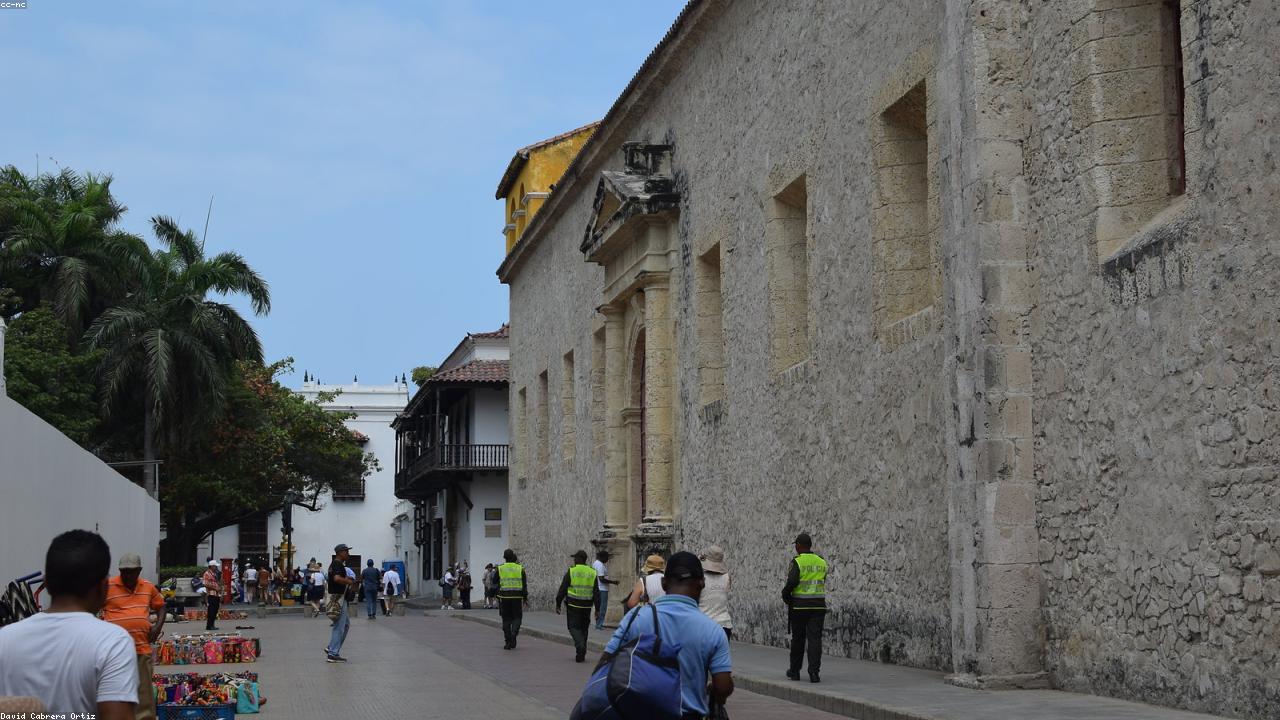
Cartagena, Colombia
Cartagena: the walled city on the Colombian Caribbean
June 4, 2023
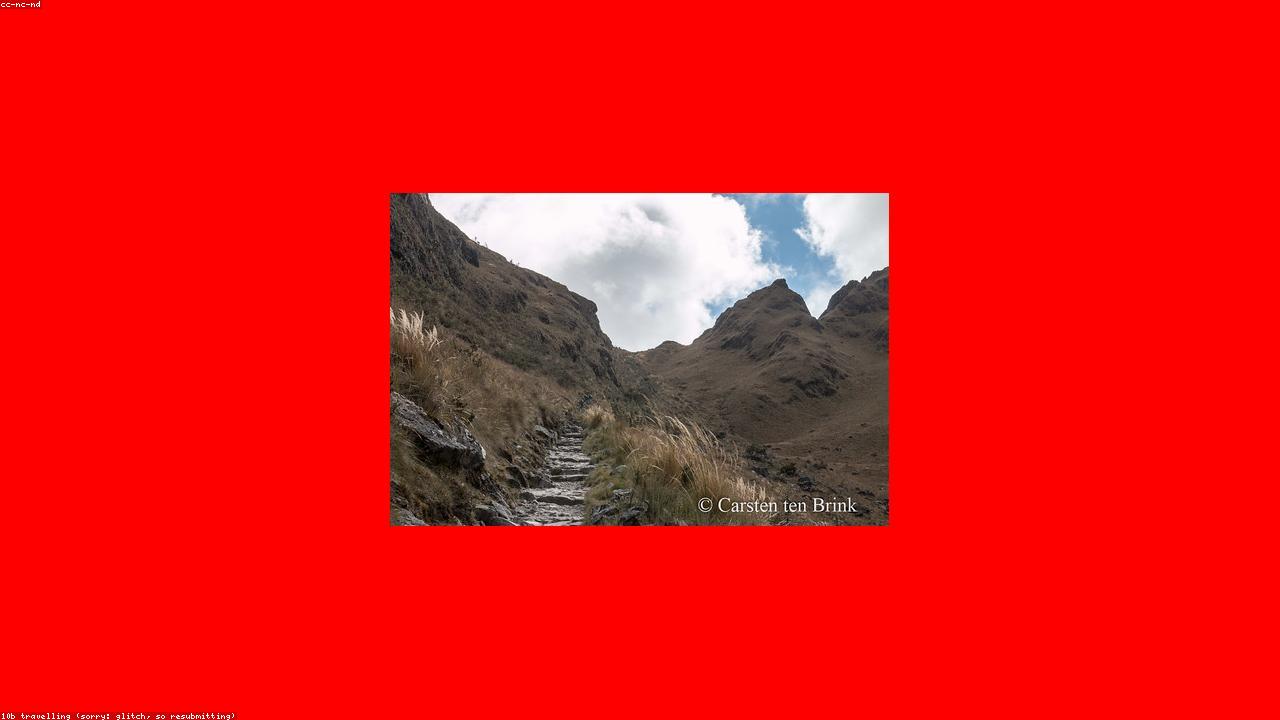
Aguas Calientes, Peru
Machu Picchu: a day at the Inca city in the clouds
June 12, 2022
Rio de Janeiro, Brazil
Rio de Janeiro: the city between the mountains and the sea
February 26, 2022