Photo: Ščenza
Vernazza, Italy · Europe
Cinque Terre on foot: the Ligurian coast at three kilometres an hour
The five villages of the Cinque Terre — Monterosso, Vernazza, Corniglia, Manarola, Riomaggiore — are now famous past the point of comfort. The trails between them, however, are largely empty after 10 a.m. when day-trippers cluster in the villages. Walk between them.
By Ščenza
· updated · 5 min read
There’s a stretch of the trail above Vernazza — the Sentiero Azzurro, the high coastal path — where the olive groves drop away to the sea on one side and the chestnut woods rise on the other, and you can walk for forty minutes between any other human beings. The light comes off the water in the white-blue Ligurian way. The cicadas are the only sound. The next village, when it appears around a curve, is the size of a postcard: roof tiles, terracotta, the pastel-painted houses stacked vertically.
Why I keep coming back
The Cinque Terre — the five villages on this stretch of Ligurian coast between Genoa and La Spezia — were, for centuries, a forgotten section of Italy, accessible only by boat or by mule trail. The first railway came in the 1870s but the villages remained genuinely isolated until the late 20th century. Today, they’re a UNESCO site, on every Italian itinerary, and in high summer essentially impossible to enjoy.
The trails, however, remain the original way through. Walk between the villages on the high path or on the low coastal path (when it’s open — landslides have closed sections for years at a time), and you experience the Cinque Terre as it was meant to be experienced: slowly, on foot, with views that exhaust your camera and your superlatives.
Where to base yourself
Vernazza is the prettiest, in my view, and the most central of the five. Choose this if you want the postcard.
Corniglia is the only village not on the water (it sits on a clifftop 100 m above the sea) and consequently has half the day-trippers. The walk up from the train station is 380 steps; locals take a small shuttle bus.
Monterosso has the only proper beach and is the largest of the five. Useful if you have small children.
Manarola is, photographically, the iconic village (the one in every guidebook cover) and is correspondingly crowded.
Riomaggiore is the southern entry village and has the largest harbour atmosphere.
Many travellers stay in La Spezia or Levanto outside the park and day-trip. This is fine but you miss the evening and dawn experience.
What to actually do
Buy a Cinque Terre Trekking Card. This combines the trail entry (some sections require it), the train between the villages, and other small benefits. Around €18 per day in current pricing.
Walk the Sentiero Azzurro. The classic coastal high trail connects all five villages. Total distance about 12 km, total time about 5 hours (with stops; six villages along the way for refreshment).
- Monterosso to Vernazza: 1.5 hours, moderate climbing.
- Vernazza to Corniglia: 1.5 hours, the prettiest section.
- Corniglia to Manarola: technically the Via dell’Amore (Path of Love), the easiest section, but currently the coastal stretch has been closed for landslide repair; check before. The high route via Volastra is the alternative.
- Manarola to Riomaggiore: short, was the classic Via dell’Amore, partially open after years of repair.
Take a boat trip. Boats run between the villages from mid-March to early November. The view of the villages from the sea is the angle the rail and the trail don’t give you.
Swim in the small harbours. Vernazza’s small harbour, Manarola’s rocks, Monterosso’s beach. The water is clear, the rocks are warm, the swimming is honest.
Try the pesto. Liguria is the home of pesto. The genuine version — Genovese basil, pine nuts, garlic, Parmigiano, pecorino, olive oil — is sharper and herbier than the version you’ve had elsewhere. Try it on trofie (the small twisted pasta), with potatoes and green beans in the dish.
Where to eat
Ligurian cooking — basil, anchovies, focaccia, white wines from the local Vermentino and Bosco grapes.
Gambero Rosso (Vernazza) — On the harbour, the anchovies, the trofie al pesto.
Cecio (Corniglia) — Family-run, the acciughe (anchovies, marinated and salted, the Ligurian classic), the sea view from the terrace.
Trattoria Gianni Franzi (Vernazza) — Old-school, the taglierini al limone (pasta with lemon).
Belforte (Vernazza) — Inside a medieval tower, the menu modernised, the seafood serious.
Focaccia from any bakery — The classic Ligurian flatbread; the focaccia di Recco (a thin two-layer focaccia with melted cheese in the middle) is the regional specialty.
Local wine: Sciacchetrà, the local dessert wine from dried grapes, hard to find and remarkable when you do.
When to come
Late April to early June, or mid-September to mid-October. The trails are open, the temperatures are pleasant, the day-tripper crowds are tolerable.
July and August are best avoided. The villages are at full crowd capacity and the heat (30°C+) makes the trail walking unpleasant.
Winter (November–March) is a quieter experience but many restaurants and most accommodations close. Only worth doing if you specifically want emptiness and are flexible about food.
Practical notes
- Visa: Schengen.
- Money: Card increasingly accepted; carry cash for the smaller trattorias.
- Transport: The regional train (the Cinque Terre Express) connects all five villages and runs every 15–30 minutes. Single tickets are around €5; the day pass at €18 is the move.
- The trail rules: Closed-toe shoes (in fact, proper hiking shoes) are required by park rules. Bring water. There are no shops between villages.
- The landslides: The coastal trails are subject to closures after heavy rain. Check the park website (parconazionale5terre.it) before your trip.
- Where the day-trippers cluster: Around the stations and harbours of each village. The upper streets are largely empty even in peak season.
A final thought
The Cinque Terre is one of the iconic Italian places that has, over twenty years, become harder to enjoy in the standard way and easier to enjoy in a non-standard way. The standard way — train to each village, photograph it, lunch, train back — is the way 90% of day-trippers experience it, and it is the way that delivers the least.
The non-standard way is the walking trails. The villages were connected, for most of their history, by mule paths along the cliff. The mule paths are still there. They are still beautiful. They are largely empty by 10 a.m., when the day-trippers cluster around the harbours. Walk the trails. Stay overnight in one village. Eat dinner in a Ligurian trattoria with the lights of the next village visible across the bay. Watch the cliffs in the morning. The villages are crowded for a reason, and the reason — once you are walking between them at three kilometres an hour — is unambiguous.
If you only have a few days
5 ideal things to do in Vernazza
Sentiero Azzurro from Vernazza to Corniglia
Trail 592, the high coastal pathStart before nine, or after four in high season
Three and a half kilometres of the best section, an hour and a half if you stop, and you need the park card to set foot on it. The path climbs out of Vernazza through terraces held up by dry-stone walls that people still repair by hand, drops into chestnut shade, and eventually hands you Corniglia — which sits on a headland a hundred metres above the sea. So you finish with the Lardarina: thirty-three flights, three hundred and eighty-three brick steps. There is a shuttle bus from the station. On my first visit I was too proud to look for it.
Castello Doria and the Belforte tower, Vernazza
On the rock above the harbour, ten minutes up from the piazzaLate afternoon, before the light goes flat
An eleventh-century castle and a round sixteenth-century watchtower on the rock above the harbour, both built for the single purpose of spotting raiders early enough to get everyone behind a door. The same sightline now gives you Vernazza's roof tiles from directly overhead and the coast running south in stages. It is a short, steep climb and a small ticket. Half the Dalmatian coast is built out of the same anxiety, which is a strange thing to feel homesick about.
Walk up to the Santuario di Nostra Signora di Reggio
Trail 508, above VernazzaAny morning; about 45 minutes up
Forty-five minutes of uphill through vineyard terraces and olive, ending at a small sanctuary with a colonnade, cypresses and almost no one. Every village down on the water has one of these up on the hill — the parish church for daily business, the sanctuary for the serious asking. The trail carries on to the Foce di Drignana if your legs are still interested. Nothing is sold anywhere on the route, a fact I confirmed the hard way with an empty bottle at the top.
Via dell'Amore, Riomaggiore to Manarola
The cliff-cut path between the two southern villagesTimed slots, booked ahead; fully reopened July 2024
Closed by landslide for twelve years and fully reopened in July 2024, now run on booked time slots with the park card. It is short — twenty minutes if you dawdle — and cut straight into the cliff face, which is the entire trick: sea below, rock above, no climbing required. People will tell you it is overrated because it is easy. It is easy because a lot of engineers spent a decade persuading a falling cliff to stop falling, and I think that deserves the walk.
Punta Mesco and the Sant'Antonio ruins
The headland between Monterosso and LevantoA clear day; roughly an hour up from Monterosso
About an hour up from Monterosso's old town through holm oak and strawberry trees to the broken walls of a thirteenth-century monastery on the point, and the best single view on this coast: all five villages strung out southward along the cliff at once. Carry on down to Levanto and take the train back — which is what I do now, having once walked it in both directions on a July afternoon for reasons I have never been able to reconstruct.
From a Split boy’s notebook
The Split lens
What reminded me of home
Ligurian limestone-and-terrace coastal villages, kindred to our Pelješac and the western Brač coast. The Sentiero Azzurro path between the villages is exactly the kind of inter-village walking trail our coast has potential for and largely hasn't built. Same olive oil, similar fish, identical drying laundry.
What Split could borrow
The CT national park monetises the walking trail itself — a daily trail ticket funds the path maintenance and the village conservation. We have similar trails on Pelješac, on Mljet, around Marjan. A proper Croatian coastal-walking-trail park, with a small daily fee that funds the trail crews, is overdue.
Who can take you
Tour operators & guides to try
A short, opinionated starter list — just my humble opinion. Verify before booking.
Intrepid Travelsmall groupwww.intrepidtravel.com →
Intrepid's Cinque Terre + Tuscany itineraries do the five villages as a 2–3 day walking interlude in a longer Italian loop. The pace works: train to one village, walk to the next, dinner, repeat. Group size 12–16. Caveat: in July and August the trails are crowded and the villages are at saturation; pivot to May or September if possible.
Take Walksspecialistwww.takewalks.com →
Take Walks does smaller-group day hikes through the Cinque Terre from La Spezia with a guide who knows trail conditions in real time (the Via dell'Amore status, the landslide closures). Group size 10–14. Useful if you want the walking explained — geology, agriculture, the Sciacchetrà dessert-wine history — rather than just step-counting. Caveat: this is a day-walk format, not an overnight; you'll want to do the trip on your own as well.
If you liked this, try these
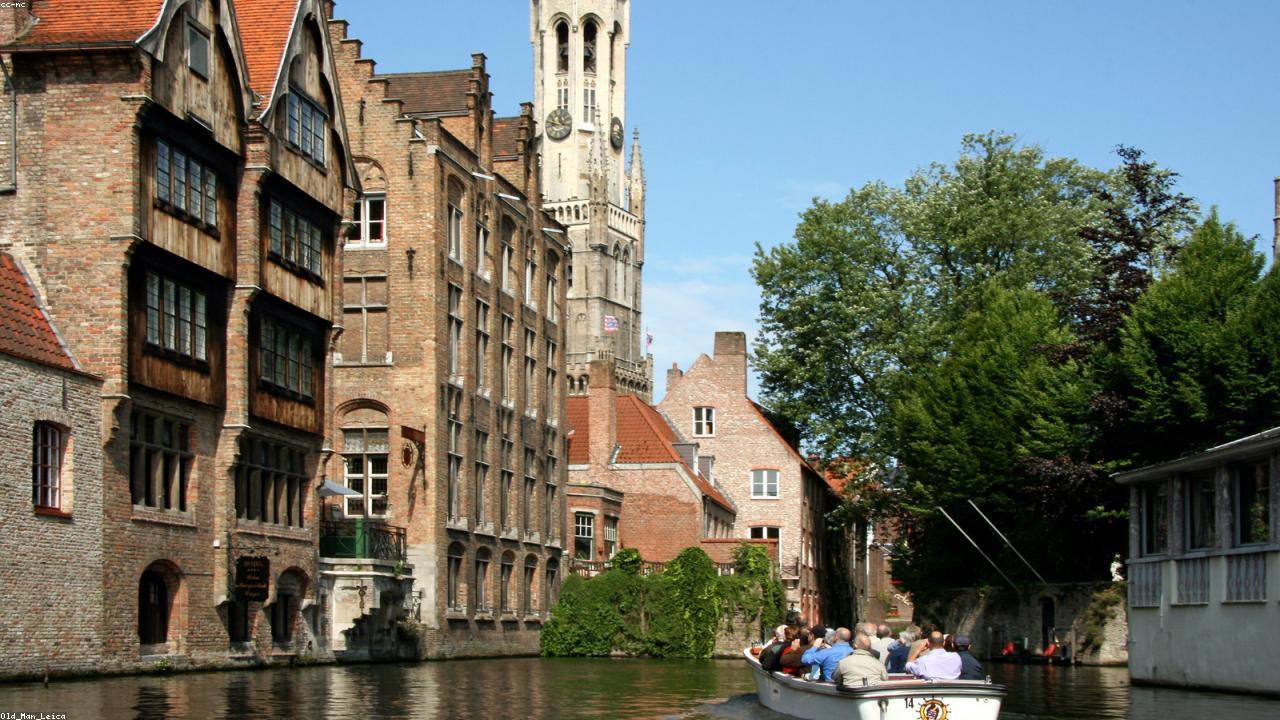
Bruges, Belgium
Bruges in November: the small Flemish city, returned to itself
November 8, 2021
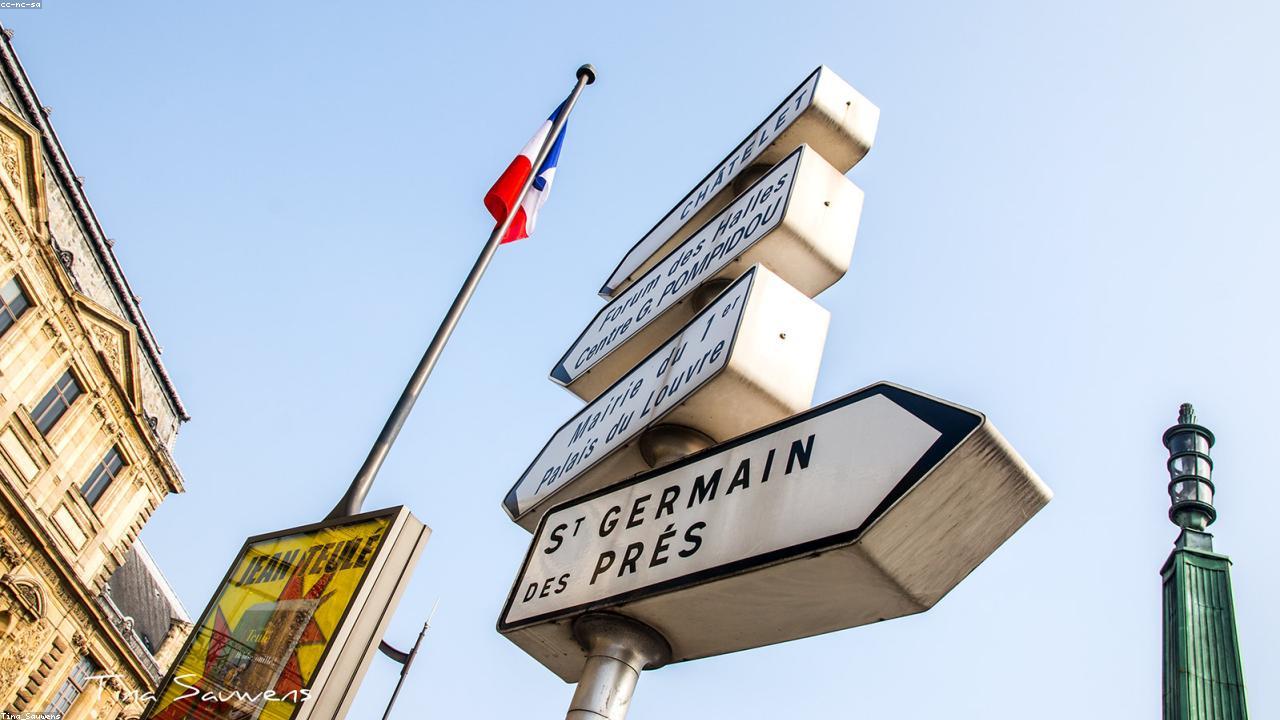
Paris, France
Paris in the off-hour: the city that rewards stubborn patience
September 12, 2024
Tórshavn, Faroe Islands (Denmark)
The Faroe Islands: eighteen rocks in the North Atlantic
July 4, 2024