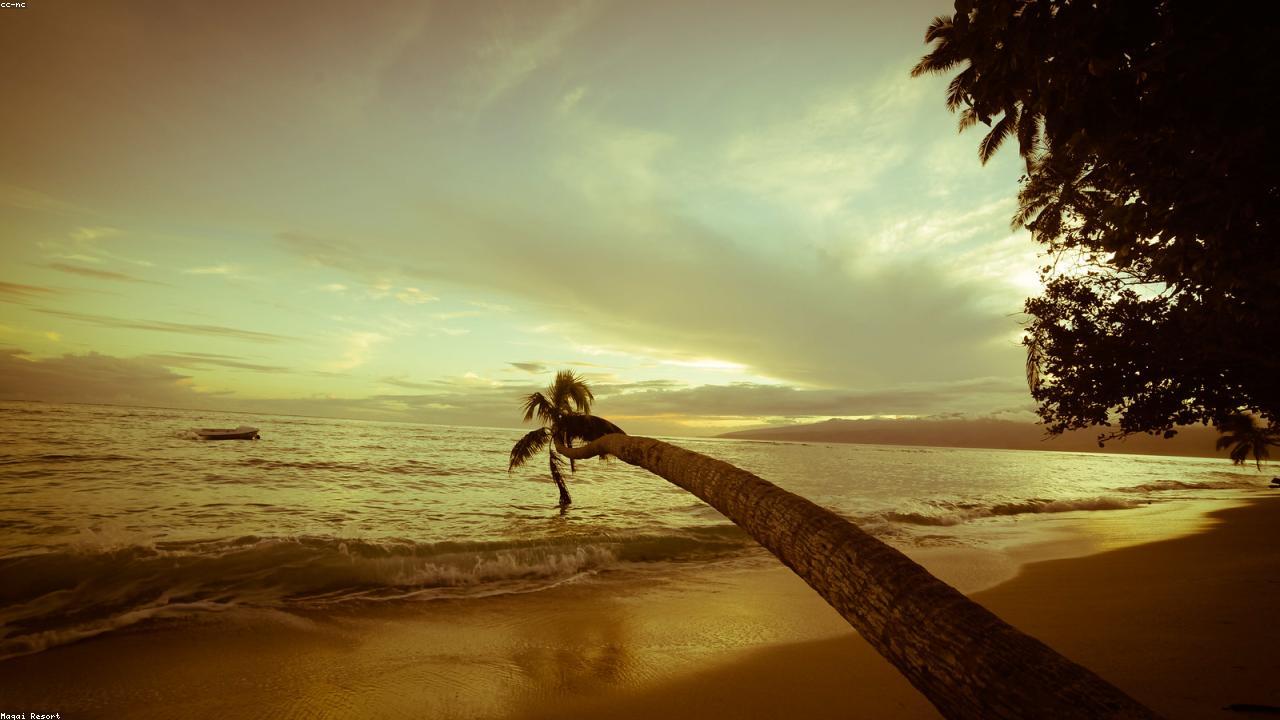
Photo: Ščenza
Nadi, Fiji · Oceania
Fiji: the Pacific islands beyond the resort gates
Fiji is, in the brochures, a series of identical-looking resort beaches. Fiji as actually visited is 330 islands with significant cultural, ecological, and geological variation; the Yasawas and the highlands of Viti Levu are where the country reveals itself.
By Ščenza
· updated · 4 min read
It’s 6:48 a.m. on a small motorised dinghy crossing from a 24-bure island resort on Nanuya Lailai to the small village of Yasawa-i-Rara on the adjacent island. The water is the colour of jewellery. The reef passes beneath the boat at three metres’ depth and we can see the shadows of stingrays on the sand. The driver, Apenisa, has been doing this run for twenty-three years. We are going for the morning church service; the village priest is his cousin. This is the Fiji that the marketing materials do not generally photograph.
Why I keep coming back
Fiji is a 330-island archipelago in the South Pacific. The two main islands — Viti Levu and Vanua Levu — hold most of the population; the smaller outer-island groups (the Mamanucas, the Yasawas, the Lomaiviti, the Lau, the Kadavu) are where most of the tourism beach resorts are located.
The country is the most accessible classic-Pacific-island experience for travellers from Australia and New Zealand (a few hours by air). The resort scene is well-developed; the village-based homestays and budget-backpacker hostels in the Yasawas are also well-developed. The combination — varied accommodation, easy logistics, genuine Fijian hospitality — is what keeps me returning.
Where to base yourself
Choose your island group based on what you want:
Mamanucas — Closest to the airport (Nadi); easiest access; the most resort-developed; some of the most famous beaches; the iconic Modriki where Cast Away was filmed.
Yasawas — A longer boat ride (3–4 hours by Awesome Adventures’ Yasawa Flyer ferry); less developed; more village-based small resorts; some of the best snorkelling.
Taveuni (the ‘Garden Island’) — Volcanic, lush, the Bouma waterfalls, the Rainbow Reef offshore.
Kadavu — Off the beaten path; the Great Astrolabe Reef.
Vanua Levu — The northern second-largest island; quieter; the Savusavu Bay diving.
What to actually do
Snorkel or dive. The reefs in the Yasawas, around Taveuni, and at the Great Astrolabe Reef are among the best in the Pacific. The Rainbow Reef (‘Soft Coral Capital of the World’) is a famous dive site.
Visit a Fijian village. Many resorts arrange village visits; a sevusevu (gift of kava roots) is the traditional offering. Wear modest clothing (shoulders and knees covered).
Attend a kava ceremony. The fermented-pepper-root drink that is Fiji’s social institution. Tastes muddy and slightly numbing; sit in a circle, clap once before drinking, clap three times after.
Take a Yasawa Flyer ferry. The catamaran that runs the length of the Yasawa islands; useful for moving between island stays.
Hike inland on Viti Levu. The Sigatoka River Safari, the Nausori Highlands; the inland villages and the Sigatoka archaeology.
Surf at Cloudbreak. The famous left-hand reef break off Tavarua Island; serious, for experienced surfers.
Where to eat / stay
Accommodation in Fiji ranges from luxury water-villas (Vomo, Likuliku, Six Senses) at US$1,000+ per night to village-run thatched bure huts at US$50.
On most island resorts, meals are included or full-board.
In Viti Levu (Nadi or Suva), local Fijian food includes lovo (the underground earth oven), kokoda (fish ceviche with coconut cream and lime), and the Indo-Fijian curries (Fiji has a large Indian population from 19th-century indentured-labour migration).
When to come
May through October is the dry season; cooler (24–28°C), lower humidity.
November through April is the wet season; warmer, higher chance of cyclones (the cyclone season). The tropical rains are usually brief.
December–early January is the busy holiday season; book ahead.
Practical notes
- Visa: 4 months visa-on-arrival for most Western passports.
- Money: Fijian dollar; ATMs in Nadi; cash at smaller villages.
- Transport: Fly into Nadi (NAN) from Auckland, Sydney, Singapore, or Los Angeles. Inter-island by Yasawa Flyer, small planes, or chartered transfers.
- The ‘bula’ culture: Fijian hospitality is genuinely warm; ‘bula’ (the all-purpose Fijian greeting) is used dozens of times per day. Use it freely.
- Sundays: Fiji is a deeply Christian country; many businesses and some villages observe a Sunday closure. The church services are sometimes worth attending if invited.
- Sun: The UV is intense. Apply.
- Sevusevu: A small bundle of dried kava roots, available in any Fijian market, is the traditional gift when entering a village. Useful for any cultural visit.
A final thought
Fiji is the South Pacific island experience that combines accessibility, genuine cultural depth, and the standard tropical-island visual repertoire (palm-fringed beaches, turquoise water, coral reefs). The country has been a tourism destination for fifty years; the infrastructure works.
The trick is to choose your island carefully. The Mamanucas are accessible and beachy; the Yasawas are more village-based; Taveuni is for divers and walkers; the smaller groups are for the patient traveller willing to fly twice.
A week is the minimum; ten to fourteen days lets you combine two or three island groups. Bring books. Slow down. The Fijians have a phrase, Fiji time, that means roughly ‘it’ll happen when it happens’; surrender to it. The resorts are real; the villages are realer; both are part of the country.
If you only have a few days
6 ideal things to do in Nadi
Sri Siva Subramaniya Temple, Nadi
Southern end of Nadi's main streetEarly morning, while it is being used rather than visited
Dravidian temple at the end of the main street, consecrated in 1994 and generally described as the largest Hindu temple in the southern hemisphere — which makes sense the moment you remember that a large share of Fiji descends from labourers brought over from India under indenture in the 1880s. The tower is painted in colours that ought to fight the tropical sky and instead win. Shoes off, shoulders covered, nothing leather. The inner sanctums are for worshippers, a point some visitors need explained twice.
Sigatoka Sand Dunes National Park
At the river mouth, 3 km west of Sigatoka townLate afternoon, once the sand has cooled
Fiji's first national park, declared in 1989: parabolic dunes up to sixty metres high above a grey Pacific beach, mahogany plantings inland, and underneath it all one of the largest burial grounds in the Pacific. Erosion keeps turning up pottery fragments more than two and a half thousand years old. The marked walk takes about an hour and is essentially all uphill in soft sand, a detail nobody mentions in advance. None of it looks remotely like the Fiji of the brochures, which is exactly the recommendation.
Navala village, Nausori Highlands
Inland from Ba, up a rough road off the coastDry season; the river crossing is unreliable after heavy rain
Over two hundred thatched bure laid out in ranks on a grass slope, all of them the same size and design — the last village in Fiji still built entirely in the traditional way, and a decision the community keeps on making rather than a museum piece. There is a charge for entering and photographing, which is entirely correct and should be paid without haggling. Present yourself to the turaga ni koro, cover your knees, and take the sevusevu seriously. A bundle of kava root costs almost nothing at Nadi market and matters enormously here.
The Yasawa Flyer up the island chain
Departs Port Denarau, twenty minutes from Nadi airportDry season, May to October; sit outside
One catamaran works the length of the Yasawas each day, stopping offshore while small boats come out from each island to collect and deliver people, so you spend a day watching a rolling handover of backpackers, cement bags and mail. It is the cheapest way to get properly into the chain and by a wide margin the most sociable. I sat beside a woman coming home from a funeral in Lautoka who gave me half her roti and a complete account of every island we passed. Take a hat you would not mind losing over the rail.
Monuriki, the Cast Away island
Mamanuca group, a day-trip boat ride from DenarauA full day; the crossing is choppier than anyone tells you
Uninhabited, well under two kilometres long, and famous entirely because Tom Hanks spent a film talking to a volleyball on it. What justifies the boat ride now is the crested iguana work — goats and rats were cleared from 2011 and the habitat has been coming back, on one of only three islands where the species survives at all. Everyone else on my boat wanted the film locations. Our guide, who was about twenty, plainly wanted to talk about lizards, and after ten minutes so did I.
Watching Cloudbreak from a boat
A mile off Tavarua, Mamanuca groupBigger swells run through the southern winter, roughly May to September
Left-hander breaking over shallow coral a mile offshore with no land anywhere near it, routinely argued to be the best wave on the planet and a regular stop on the professional tour. Unless you are genuinely good — and I am comprehensively not — the correct move is to pay a boat to take you out and sit off the shoulder watching people who are. I did that for two hours in a swell nobody would have called large and came back with a completely settled opinion about my own surfing.
From a Split boy’s notebook
The Split lens
What reminded me of home
An archipelago of small islands with strong village hospitality and a slowly developing tourism economy. The Yasawa village-stays are kindred to our Šolta and outer-Hvar village accommodation — the family receives you, the food is what the family eats, the standard is modest. Both island cultures know hospitality as an obligation, not a service.
What Split could borrow
Fiji's traditional sevusevu protocol — the small gift of kava roots offered when entering a village — is a formal cultural marker that respects the village hierarchy. Our island villages don't have an explicit equivalent and the result is sometimes a transactional rather than relational visitor experience. A simple Croatian island visitor-etiquette guide would shift this.
Who can take you
Tour operators & guides to try
A short, opinionated starter list — just my humble opinion. Verify before booking.
Intrepid Travelsmall groupwww.intrepidtravel.com →
Intrepid's Fiji trips combine 2–3 island groups over 8–12 days using the Yasawa Flyer ferry. Group size 12–16. Accommodation is mid-tier bure or guesthouse — not the overwater-bungalow tier, more like the village-stays and small lodges. Caveat: the South Pacific island-hopping pace is slow regardless of operator; surrender to it. The trip is about the rhythm, not the itinerary density.
Awesome Adventures Fijiactivitywww.awesomefiji.com →
Awesome Adventures Fiji operates the Yasawa Flyer (the catamaran ferry that runs the length of the Yasawa Islands) and the Bula Pass — a budget-and-mid-tier island-hopping pass that lets you move freely between island-resort stops over 5–15 days. The standard backpacker/budget format for the Yasawas. Caveat: the boats are crowded in high season (June–October), and the pass works best with a flexible schedule. Not the right format for honeymooners booking a single resort.
If you liked this, try these
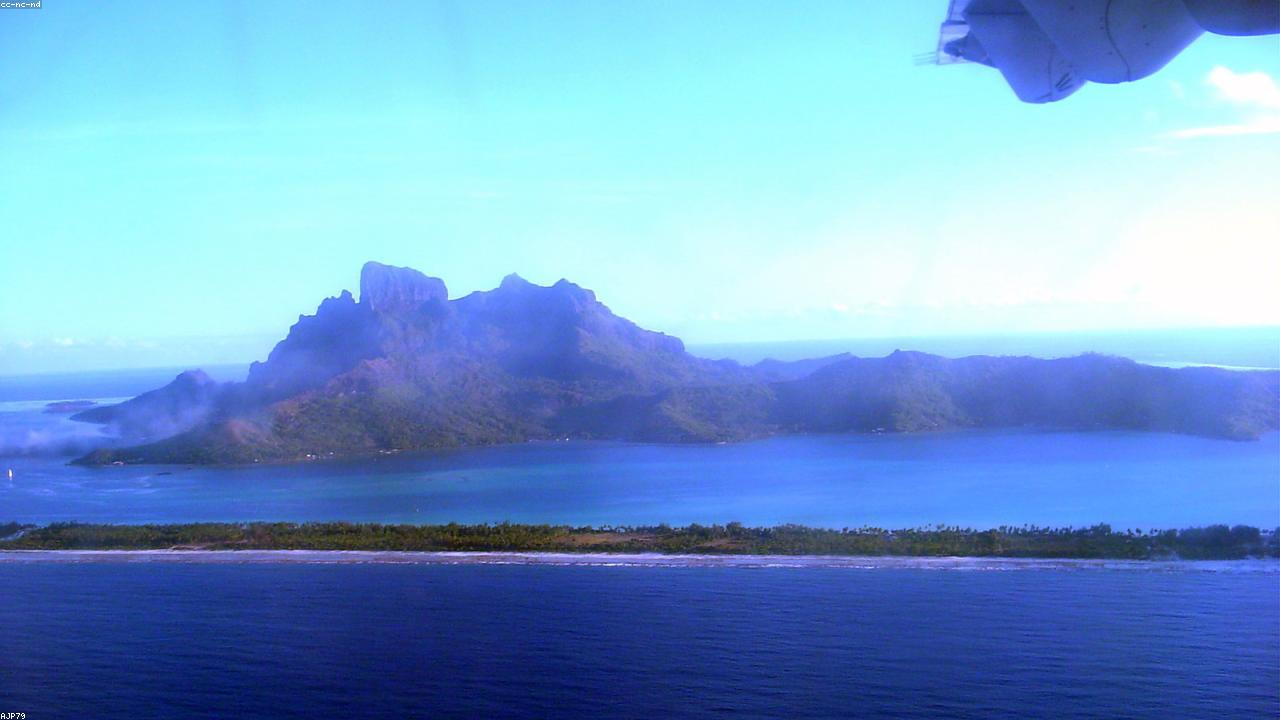
Papeete, French Polynesia
Tahiti and the Society Islands: French Polynesia at island time
June 15, 2021
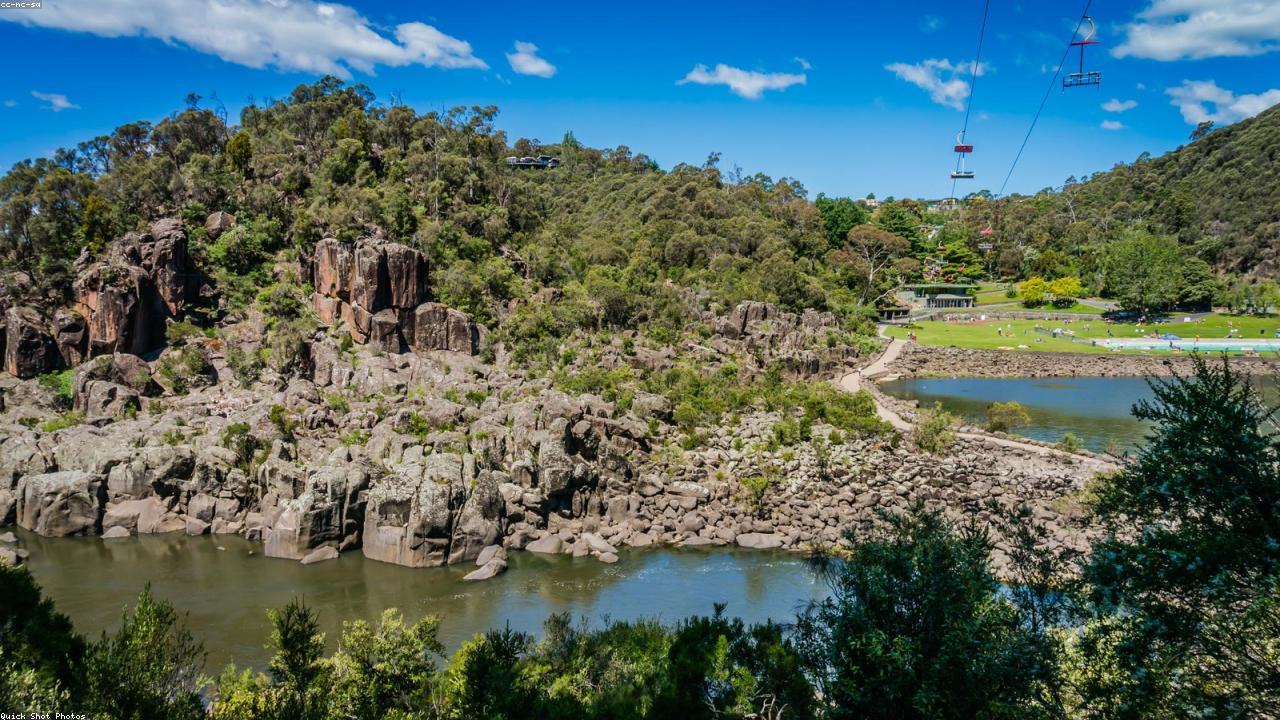
Hobart, Australia
Tasmania: Australia's island state and its wild Southwest
April 15, 2024
Hanga Roa, Chile
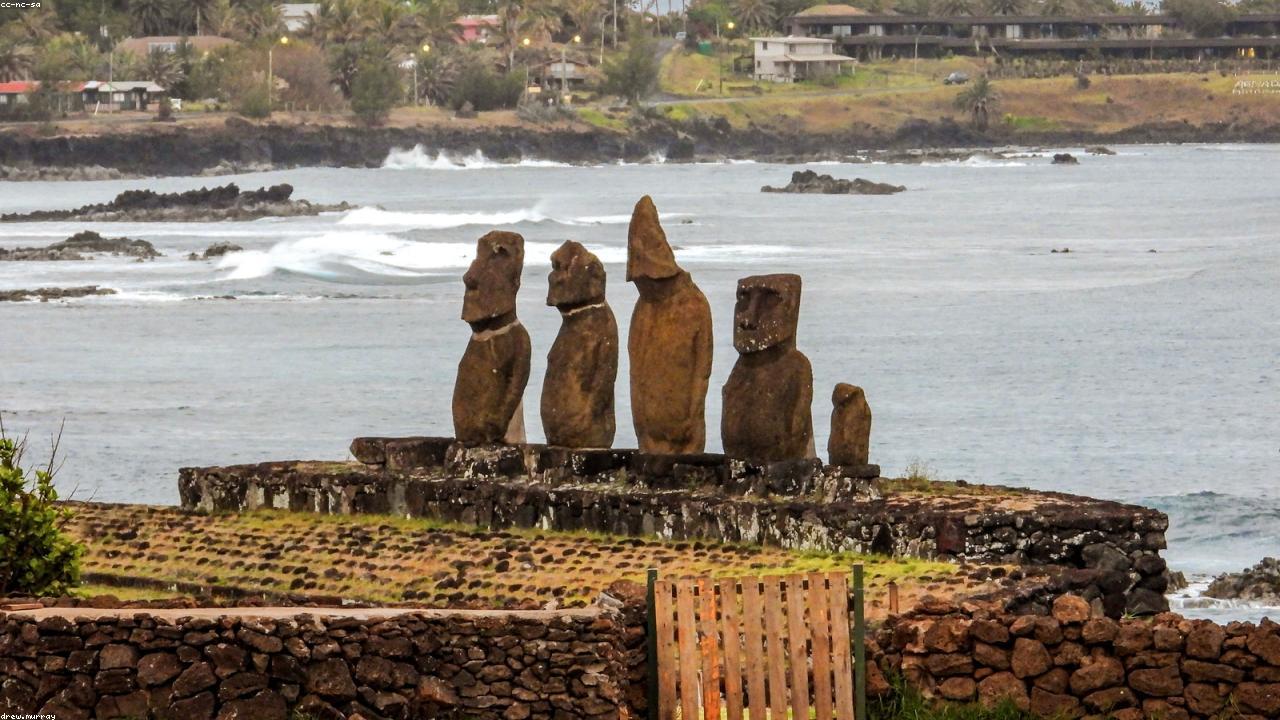
Easter Island: Rapa Nui and the moai at the world's most remote inhabited place
September 8, 2021