Photo: Ščenza
Papeete, French Polynesia · Oceania
Tahiti and the Society Islands: French Polynesia at island time
French Polynesia is at the more expensive and more remote end of South Pacific travel. The Society Islands — Tahiti, Moorea, Huahine, Raiatea, Bora Bora — are the famous core. The Tuamotu and Marquesas groups are the genuine off-grid experience.
By Ščenza
· updated · 4 min read
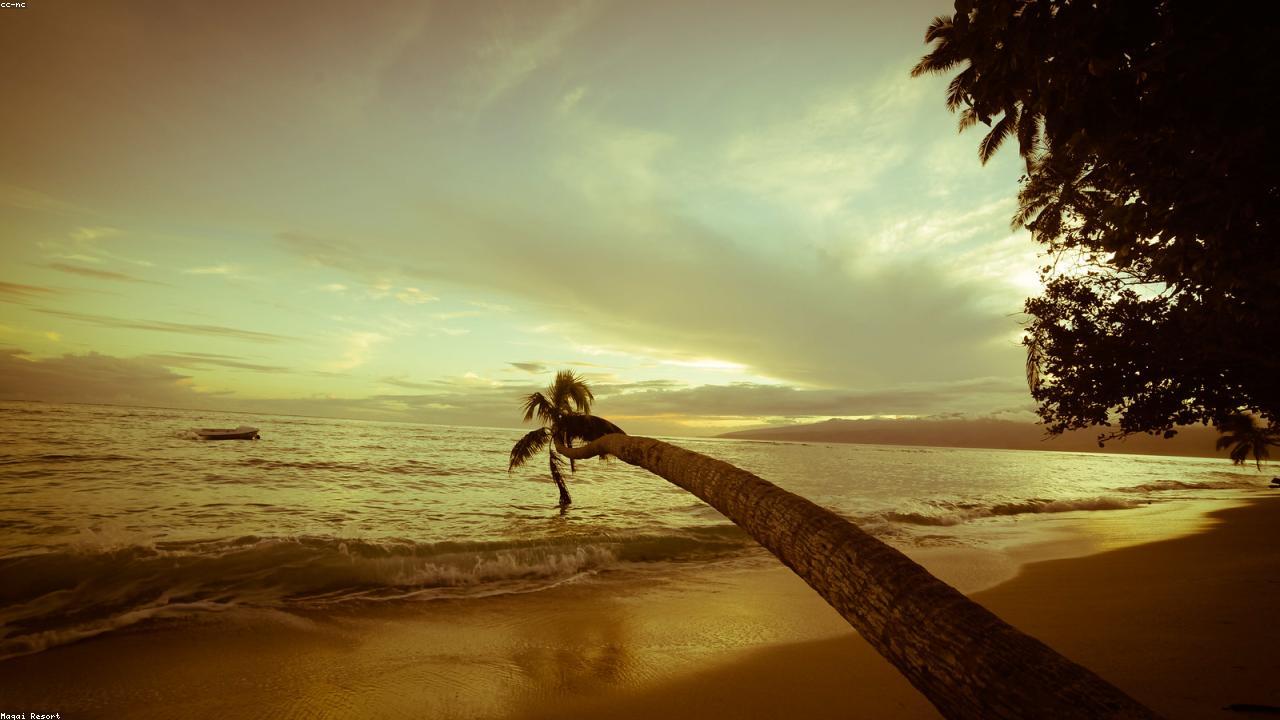
It’s 6:14 a.m. on a small black-sand beach on Moorea — the heart-shaped volcanic island twenty kilometres west of Tahiti — and the morning fishermen are out in their outrigger canoes. Mount Tohivea, the inland peak, is just emerging from the morning cloud. The lagoon is unbelievably blue-green. A young man is throwing a circular net for small fish; an older man is paddling further out for larger ones. This is the French Polynesia that the overwater-bungalow brochures do not quite capture and that the islands actually are.
Why I keep coming back
French Polynesia is 118 islands and atolls scattered across 4 million square kilometres of South Pacific Ocean. The five archipelagos — the Society Islands (with Tahiti, Moorea, Bora Bora), the Tuamotus (atolls), the Marquesas (volcanic, dramatic), the Australs (cool, southern), and the Gambier (eastern) — are biologically, culturally, and geologically distinct.
The islands have, over fifty years, been heavily marketed as a luxury-honeymoon destination, anchored on the overwater-bungalow innovation at Bora Bora. The marketing is real and the bungalows are real. The deeper Polynesia — the Marquesan cultural revival, the Tuamotu atoll communities, the inland walks on Moorea and Huahine — is the longer reward.
Where to base yourself
Tahiti (Papeete) is the arrival point but not, generally, the destination. Most visitors stay one night and move on.
Moorea — A 35-minute ferry from Tahiti; the heart-shaped volcanic island with two deep bays (Cook’s and Opunohu). The most accessible serious-Polynesia base.
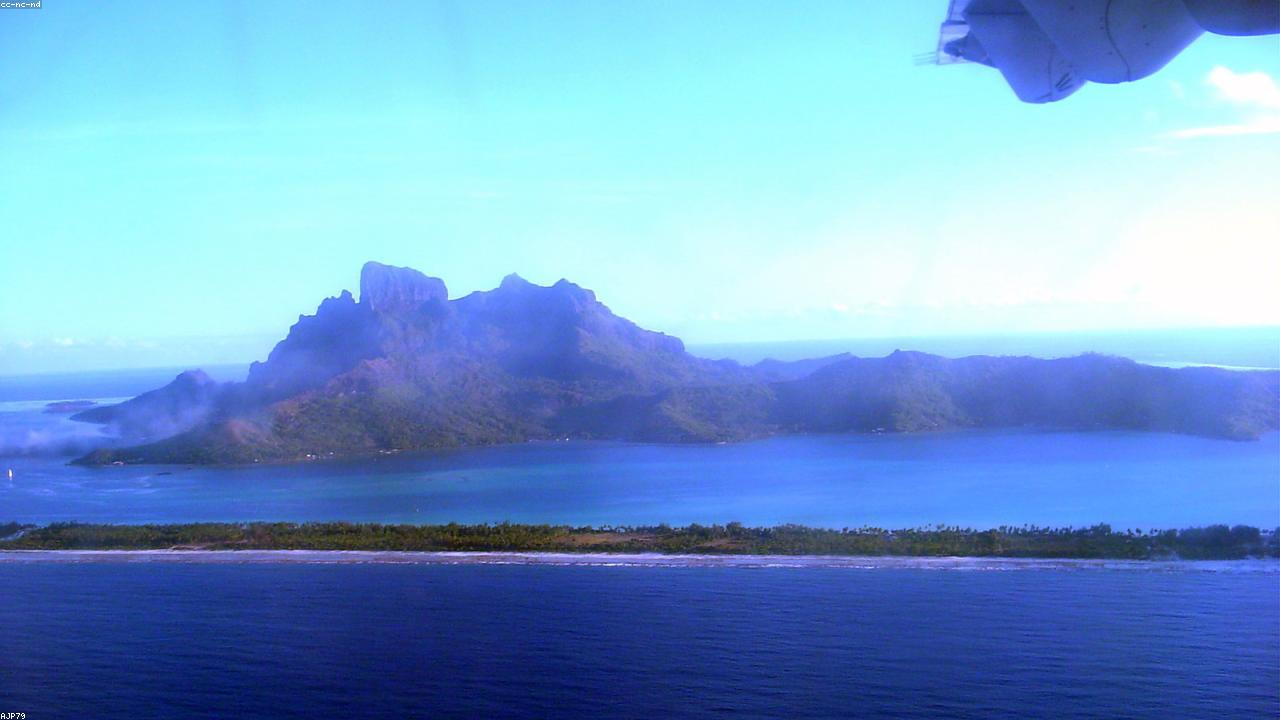
Bora Bora — The famous lagoon-and-resort island; the iconic photographs; the most expensive of the major Polynesia islands.
Huahine — Quieter, less developed, sometimes called the ‘Garden Island’; the slow-Polynesia alternative.
The Tuamotus (Rangiroa, Fakarava) — Coral atolls; the diving capital of French Polynesia.
The Marquesas (Hiva Oa, Nuku Hiva) — Remote, volcanic, more vertical; the deepest cultural experience.
What to actually do
Snorkel and dive. The lagoon snorkelling on most Society Islands is excellent. Rangiroa and Fakarava are world-class diving destinations — particularly the South Fakarava pass, with hundreds of grey reef sharks gathered in the current.
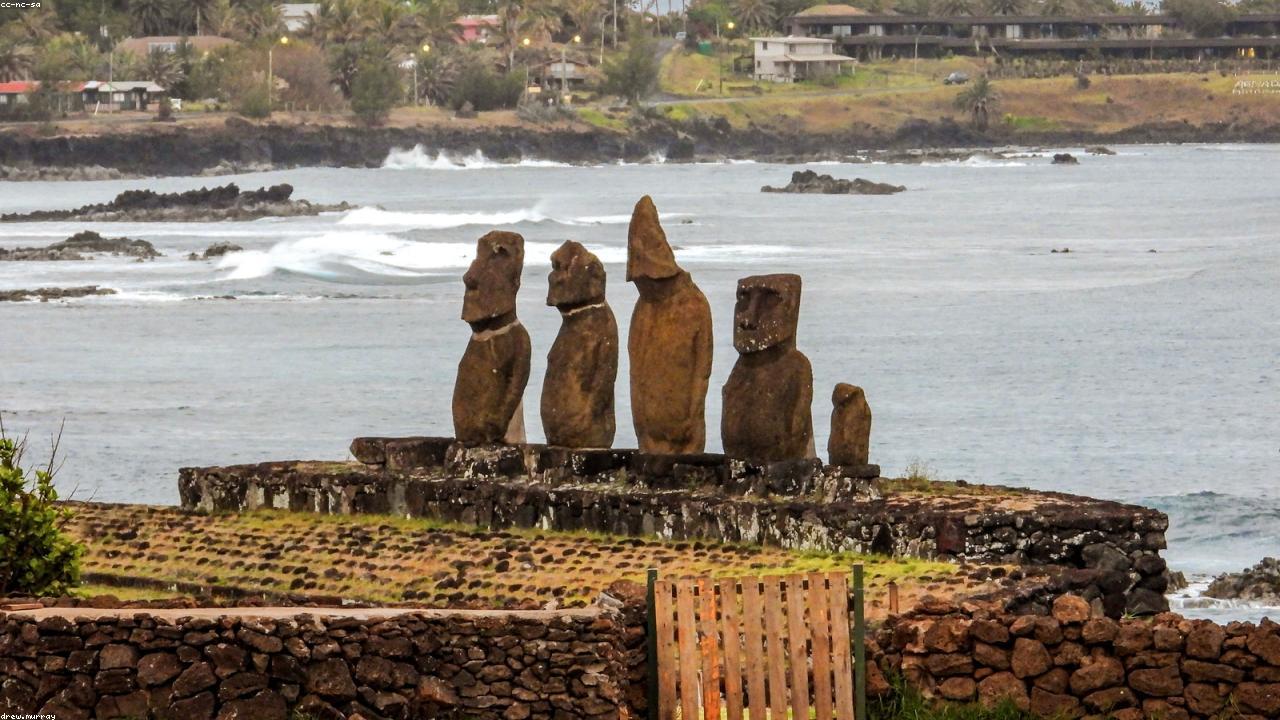
Hike inland. Moorea’s Three Coconut Pass trek (3 hours moderate); Huahine’s mountain crossings; Hiva Oa’s high tikis (Polynesian stone statues).
Take a lagoon boat tour. Standard half-day tour on most islands; usually includes snorkelling at a coral garden, a stop at a motu (small islet), and a Polynesian lunch.
Attend a Heiva. The annual cultural festival in July — Polynesian dance, drumming, sport competitions, traditional canoe races. Tahiti hosts the main events.
Visit a vanilla farm or pearl farm. The vanilla farms on Tahaa (the ‘Vanilla Island’); the pearl farms in the Tuamotus.
Where to stay
French Polynesia has perhaps the widest accommodation range of any island group I have visited:
Pensions de famille — Family-run guesthouses at €60–150 per night; the budget option and often the most rewarding for cultural depth.
Mid-range hotels — €200–400.
Luxury resorts — €700–2000+ for the overwater bungalows; The Brando on Tetiaroa atoll is the upper-end private-island option (€3,000+).
Where to eat
Tahitian food: poisson cru (raw fish in coconut milk and lime — the national dish), grilled fish, breadfruit, taro, vanilla. The Chinese-Polynesian chao mein and casse-croûte (the French-Polynesian baguette sandwich) are the everyday foods.
Roulottes — The food trucks on the Papeete waterfront, every evening; cheap, varied, popular with locals. Le Lotus at the InterContinental Tahiti — Refined French-Polynesian. Snack Mahanatea (Moorea) — Casual lagoon-side; the poisson cru. Local pensions — Half-board at pensions de famille usually includes excellent home-cooked Polynesian.
When to come
May through October is the dry season; cooler (22–28°C), low humidity.
November through April is the wet season — warmer, higher chance of brief tropical rain.
July is the Heiva festival.
The humpback whales visit Tahiti from August through October.
Practical notes
- Visa: French Polynesia uses Schengen visa rules; 90 days visa-free for most Western passports.
- Money: CFP franc (XPF, pegged to euro); cards widely accepted; cash for smaller pensions.
- Transport: Air Tahiti (the domestic carrier) connects the islands. Inter-island ferries on some routes. Lagoon boats for inter-motu transfers.
- Cost: The country is expensive. Even budget travel is around €200–300 per person per day; the overwater bungalow at Bora Bora is the upper end of any travel budget.
- The language: French is the official language; Tahitian is the indigenous language. English is widely understood in tourism but less so in pensions and the smaller islands.
- The trip-planning insight: The standard tourist route is Tahiti–Moorea–Bora Bora over a week. The slower route adds Huahine or one of the Tuamotu atolls. Two weeks lets you do justice to the Society Islands; three weeks lets you reach the Marquesas.
A final thought
French Polynesia is one of the most expensive destinations covered in this guide and one of the most genuinely beautiful island groups on earth. The combination of the volcanic geology of the Society Islands, the coral-atoll geography of the Tuamotus, the dramatic basaltic landscape of the Marquesas, and the Polynesian cultural depth — particularly the Marquesan revival of traditional tattoo, dance, and tiki carving — makes a longer trip here one of the great Pacific experiences.
The overwater bungalow is famous and is, in the right setting, genuinely special. It is not, however, the only or the deepest Polynesian experience. Spend at least some of your trip in a family-run pension. Talk to the locals. Eat at the roulottes. Hike inland on Moorea or Huahine. The islands earn the affection they provoke; the depth is there for the patient visitor.
If you only have a few days
5 ideal things to do in Papeete
The Marché de Papeete first thing
Central Papeete, two blocks back from the waterfrontEarly morning; Sunday at dawn is the big one
Papeete's market has stood on this site since 1869 and runs over two floors — fish, breadfruit, taro, vanilla, tiare flowers and monoi below, pareos and carving above. Sunday morning is when the whole town turns up, very early, and it is finished by mid-morning. I have never yet managed to leave without a handful of vanilla pods I had no plan for, and have stopped treating it as an accident.
Dinner at the roulottes on Place Vaiʻete
The Papeete waterfront, beside the ferry quayEvery evening, from about sunset
Every night the vans pull onto the square by the harbour and set out plastic chairs: poisson cru, grilled tuna, chow mein out of the Chinese-Tahitian kitchens, crêpes at the far end. This is where Papeete eats, at a fraction of what anything with a lagoon view charges. After a week of resort half-board it was the first meal in French Polynesia that tasted like a place rather than a package.
Te Fare Iamanaha — the Musée de Tahiti et des Îles
Punaauia, on the west coast about 15 km from PapeeteHalf a day, on the way to or from the airport
Polynesia's national museum sits on the water at Punaauia and covers the archipelagos properly: navigation, tapa, tattoo, the marae, the missionaries and what their arrival cost. If you are about to spend a fortnight looking at a lagoon, spend a morning here first — everything you then see on Moorea or Huahine stops being scenery and starts being a place with a history. I did it on my last day, in the wrong order, and have regretted it since.
The Opunohu valley marae and the Belvédère on Moorea
Moorea, 30–45 minutes by ferry from PapeeteA full day; take the valley in the morning
Ferries run across several times a day, and the road up the Opunohu valley from Cook's Bay passes a series of stone marae standing in the trees — Titiroa among the banyans, the terraced Ahu-o-Mahine a few hundred metres on — before climbing to the Belvédère, where Mount Rotui sits between the two bays. Everybody stops at the lookout. Far fewer stop at the platforms, which are the reason to come up the valley in the first place.
The end of the road at Teahupoʻo
Tahiti Iti, roughly 60 km from PapeeteSouthern-hemisphere winter, when the swell arrives
At the end of the south coast road on Tahiti Iti the tarmac simply stops at a river mouth, and the wave everybody has seen on a screen breaks a kilometre offshore over shallow reef. From the shore it is a white line and a sound like a door slamming in another room; boats go out when there is swell. The village behind it is a quiet strip of houses that has been asked to host the world's attention and appears, as far as I could tell, entirely unbothered.
From a Split boy’s notebook
The Split lens
What reminded me of home
Islands at the end of a long flight, with a small high-end resort economy on the inner islands and a far more interesting deeper culture on the outer islands. Our Vis and Lastovo (the more remote Croatian islands) have similar character — the outer, harder-to-reach Adriatic still has the deeper layers.
What Split could borrow
French Polynesia's pension de famille network — small family-run guesthouses on the outer islands at €60–150 per night — preserves an authentic island stay alongside the luxury resorts. Our Vis and Lastovo have similar small-pension stock that is being slowly bought up for short-term-rental conversion. A protected pension-de-famille license would preserve the working family-stay format.
Who can take you
Tour operators & guides to try
A short, opinionated starter list — just my humble opinion. Verify before booking.
Lindblad Expeditionsexpeditionwww.expeditions.com →
Lindblad Expeditions runs small-ship cruises through the Society Islands, the Tuamotus, and (less frequently) the Marquesas. Strong naturalist program; upper-tier pricing (USD 8,000–15,000+ per week per person). Caveat: French Polynesia is honeymoon-tier-pricing destination; for travellers wanting the islands without the cruise, book individual pensions de famille and let the country dictate the pace.
Audley Traveltailoredwww.audleytravel.com →
Audley Travel's tailored French Polynesia trips are upper-tier — typically Bora Bora overwater bungalows at the InterContinental or Four Seasons, with extensions to Moorea or the Tuamotu atolls (Rangiroa, Fakarava). Upper-tier pricing. Caveat: Audley does this well but the islands are also genuinely easy to book directly through the resort websites; the value Audley adds is at the multi-island sequencing rather than at any single hotel.