Photo: Ščenza
Havana, Cuba · North America
Havana: the most photographed city in the Caribbean, and the hardest to know
Havana is a city of crumbling baroque facades, 1950s American cars, the most particular post-Soviet political economy in the world, and a daily life that does not, despite the photo-tourism economy, perform for the camera. A short guide to the city's depths.
By Ščenza
· updated · 5 min read
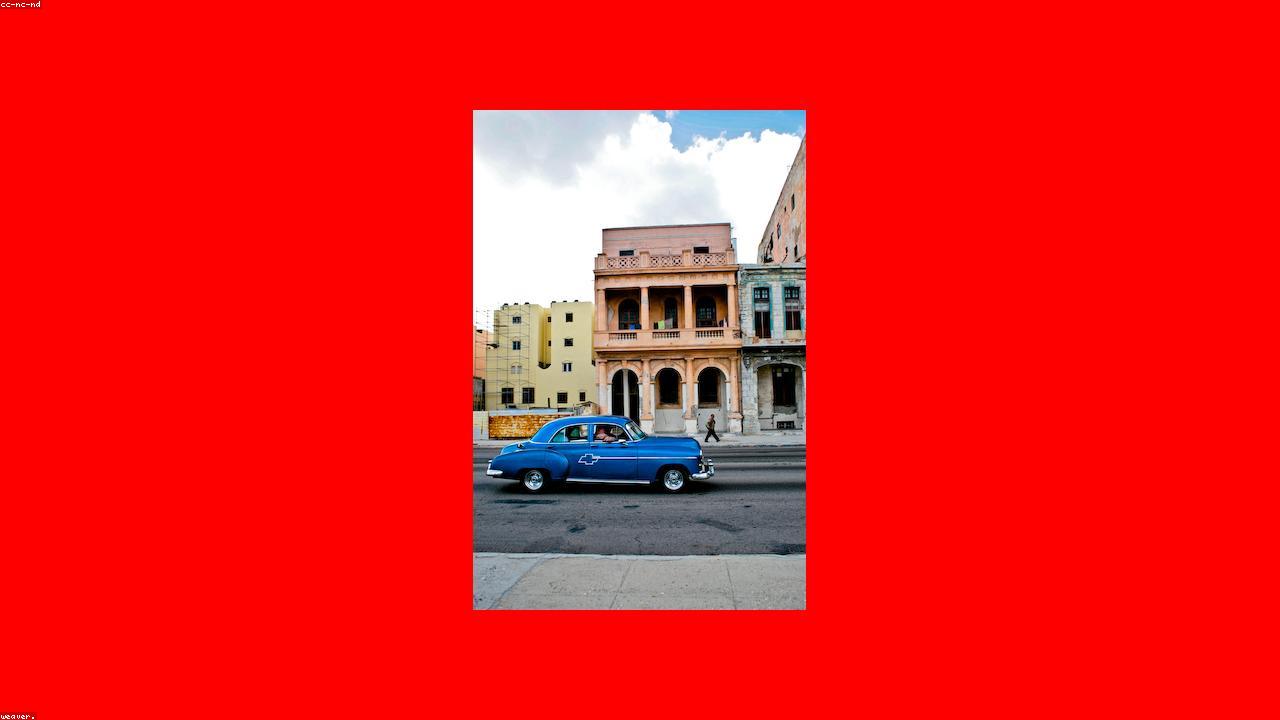
It’s 5:42 p.m. on the Malecón, the seafront promenade of Havana, and the waves are coming in off the Florida Straits and breaking against the seawall, throwing spray onto the road. Children are jumping in the spray. An old American Chevrolet — a 1958 Bel Air, candy-pink, in working order — is parked across the road with two men leaning against it talking. The sun is dropping toward the horizon over the harbour. The buildings on the Malecón are, mostly, in a state of slow, beautiful collapse — facades half-fallen, balconies fenced off, paint flaking in textured ribbons. This is Havana, and this is, despite everything, one of the most visually striking cities I have walked in.
Why I keep coming back
I’ve been to Cuba four times since 2010 — before the brief 2015–2017 Obama-era opening, during the boom in American visitors, and after the U.S. restrictions returned. Each visit, the city has been visibly more challenged: shortages, blackouts, queues, the dual-currency system reforms, the post-pandemic economic crisis. Each visit, the resilience and the warmth of the Cubans I have met has been the strongest impression I took home.
Havana’s architecture is the surface attraction — one of the largest collections of 16th–20th-century Spanish-colonial, neoclassical, and Art Deco buildings in the Americas. The food has improved significantly in the past decade since the paladar (private restaurant) reforms. The music is permanent. The political and economic realities, particularly in the past three years, are difficult and visible.
Where to base yourself
Habana Vieja for the colonial-old-town walk-around. The most-photographed but also the densest cluster of restored buildings.
Centro Habana for the working-residential neighbourhood feel; gritty, real, walking distance to Old Havana.
Vedado for the wide tree-lined 20th-century neighbourhood, with the Hotel Nacional, the Malecón, and the Plaza de la Revolución.
A casa particular — a private homestay — is, in my view, the right choice in Cuba over the state-run hotels. You’ll eat better, sleep better, and pay your money directly to a Cuban family.
What to actually do
Walk the Malecón at sunset. Free, the daily ritual of the city.
Walk Habana Vieja’s four main plazas. The Plaza de la Catedral, Plaza Vieja, Plaza de San Francisco, Plaza de Armas. The architectural concentration is extraordinary.
Visit the Museo de la Revolución. Housed in the former presidential palace; from the Cuban Revolutionary perspective.
Visit the Museo Nacional de Bellas Artes. Two buildings — the Cuban art building has the genuine surprise of the 20th-century Cuban modernist painters (Wifredo Lam in particular).
Listen to live music. Buena Vista Social Club–style son cubano at La Bodeguita del Medio (touristy), the cheaper local at the Casa de la Música in Centro Habana, the modern at Fábrica de Arte Cubano (FAC, a multi-arts space in Vedado).
Take a 1950s American car for a ride along the Malecón. The taxi almendrones (the big-American-car taxis); around US$30 for an hour. The cars are operated by Cuban mechanics doing extraordinary work keeping pre-1960 American vehicles running.
Day trip to Viñales. Two hours west; the tobacco-growing valley with its rounded mogote limestone hills, ox-pulled ploughs, and small tobacco farms. The classic Cuba beyond Havana.
Where to eat
A paladar — a private restaurant — is where Cuban cooking is at its current best. State-run restaurants are mostly poor.
La Guarida (Centro) — The iconic paladar; expensive, in a beautifully tatty restored townhouse used in the film Strawberry and Chocolate. El Cocinero (Vedado) — Modern Cuban, next door to FAC. Doña Eutimia (Old Havana) — Reliable Cuban food on the Plaza de la Catedral. Atelier (Vedado) — Set menu, refined. O’Reilly 304 — Small-plate Cuban-Spanish; popular. Local Cuban breakfast: at your casa particular, the morning fresh fruit and Cuban coffee will be among the best of your trip.
When to come
November through April is the dry season; pleasant temperatures.
May through October is hotter, more humid, and hurricane-affected.
Practical notes
- Visa: A ‘tourist card’ (in practice a visa) is required; most travel agencies and airlines arrange it.
- Money: The Cuban peso (CUP) is now the standard currency. The previous dual-currency system (with the CUC) was eliminated in 2021. The official exchange rate and the street rate differ significantly; ask locally before exchanging.
- Cards: U.S.-issued cards do not work in Cuba (and may never; the Trump-era restrictions remain). Cards from other countries work at some hotels. Carry hard currency (euros or USD) for the major part of your trip’s funds.
- Internet: Slow, limited, expensive. ETECSA hotspots in public squares; new mobile data plans are improving but unreliable. Many Cuban families use Wi-Fi cards purchased from ETECSA.
- Power cuts: A real feature of the past two years. The grid has had significant problems. A flashlight is useful.
- Shortages: Basic goods (food, medicine) have been intermittent. Cubans have adapted with extraordinary patience. As a visitor, your hard-currency-stocked hotel or paladar will mostly insulate you, but be aware of the larger reality.
- Sensitive topics: Discussing politics openly is sometimes complicated; many Cubans will speak freely, others won’t. Take cues from your hosts.
A final thought
Havana, more than any other city in this guide, is impossible to write about without acknowledging the political and economic realities surrounding the visit. The 60+-year U.S. embargo, the post-Soviet economic collapse, the post-Castro political transition, the past two years of acute shortages — all are visible and they shape the experience.
The city remains, despite all of this, one of the most architecturally distinct and culturally resilient in the Americas. The Cubans you’ll meet will be warm, curious, and direct in a way that surprises North American visitors. The music is everywhere. The food has gotten genuinely good in the past decade. The cars work.
Go, if you can, with a long-form mindset. Stay in a casa particular. Spend money directly with Cubans (paladares, private taxis, casa particulares, music venue tips). Talk to locals. Walk the Malecón at sunset. Acknowledge the difficulty without pretending it isn’t there. The country has been through a difficult century; the visit is part of one form of support for the people who live there. Three or four nights minimum in Havana; six is better.
If you only have a few days
7 ideal things to do in Havana
The Malecón at sunset, walked end to end
Vedado to Habana Vieja along the seawallSet off ninety minutes before dark
Havana's evening happens on this wall: men with hand-lines, children in the spray, couples, someone with a speaker, someone else with a trumpet and more confidence than range. Walking from Vedado towards the harbour takes about ninety minutes if you keep stopping, and you will. The buildings on the landward side are in slow spectacular structural failure, and it is worth remembering while you photograph them that people live behind those facades and would rather they were repaired.
The four plazas of Habana Vieja on foot
Old HavanaSeven in the morning, before the heat and the groups
Plaza de la Catedral, Plaza Vieja, Plaza de San Francisco, Plaza de Armas — a loop of about two kilometres that eats half a day, because the interest is in the streets between them rather than the restored squares. Watch for the mediopunto fanlights, the stained-glass half-moons over the doorways that break the Caribbean light into colour. Go early, when people are queuing for bread and the squares still belong to the residents, and you get a different city from the eleven o'clock one.
Museo Nacional de Bellas Artes, the Cuban art building
Trocadero, near the PradoHalf a day; the two buildings are several blocks apart
Skip the universal-art palace if time is short and go straight to the Arte Cubano building. The twentieth-century Cuban modernists are the genuine surprise, and Wifredo Lam's La Silla — painted after he came home to the island in 1941 — does something with Afro-Cuban religion and Cubism that no European gallery had prepared me for. I went in meaning to spend an hour, spent three, and missed a lunch I had firmly promised to attend.
Sunday rumba at Callejón de Hamel
Centro Habana, near the universitySunday, late morning
Salvador González Escalona began painting this alley in 1990 and turned it into a permanent Afro-Cuban art project: murals, found-object sculpture, bathtubs converted into shrines. On Sundays a full rumba ensemble plays in a space far too narrow for it while the crowd presses in from both ends. It is not staged for visitors — it has run weekly for decades and would run if none of us showed up. Arrive before it starts and stand near the drummers rather than near the cameras.
El cañonazo de las nueve at La Cabaña
Fortaleza de San Carlos de la Cabaña, across the harbourNightly at nine; cross the harbour a good hour before
Soldiers in eighteenth-century uniform march out, a lantern-keeper recites the history of the thing, and a cannon is fired across the water — a ritual begun in 1774 to announce that the city gates were closing for the night. It has been fired at the same hour ever since, through every government Cuba has had. Come early and walk the ramparts in the dusk with Havana lighting up opposite. The bang is louder than you have braced for. It was for me, on both occasions.
Finca Vigía, Hemingway's house
San Francisco de Paula, southeast of the centreMorning; it shuts when it rains
You do not go inside. You circle the house and look in through the open doors and windows, which sounds like a swindle and turns out to be better, because everything was left where it was — books stacked on the floor, bottles on the drinks trolley, the shooting trophies on the walls — and you read it like a diorama rather than a room. His fishing boat Pilar sits out in the grounds. Getting there and back is half a day and a shared taxi is the sane way to handle it.
Fábrica de Arte Cubano
Vedado, on Calle 26Thursday to Sunday, and check first — it closes for weeks
An old cooking-oil factory converted into galleries, screening rooms, concert spaces and bars over several floors, run by the musician X Alfonso. It is where young Havana actually goes, which makes it the least museum-shaped thing on this list. Verify it is open before you cross the city: it shuts for long stretches while new exhibitions go in, and I have stood outside a locked FAC with a taxi driver who found the situation considerably funnier than I did.
From a Split boy’s notebook
The Split lens
What reminded me of home
Old colonial port city with a slow decline that has, oddly, preserved much of the architectural fabric. Cuba's casa particular (homestay) system — opening a family flat to paying guests — is structurally what our Croatian *sobe* tradition has been doing for fifty years, just less formalised. We share the small-family-hospitality DNA.
What Split could borrow
Havana's daily musical life is genuinely woven into the city — son cubano in the bars, rumba on street corners, the Tropicana evenings. The Cuban state protects the musical apprenticeship system. Our klapa apprenticeship is informal and shrinking. A protected klapa-school system would preserve a UNESCO-recognised intangible heritage that's currently aging out.
Who can take you
Tour operators & guides to try
A short, opinionated starter list — just my humble opinion. Verify before booking.
Intrepid Travelsmall groupwww.intrepidtravel.com →
Intrepid's Cuba trips work around the country's foreign-currency restrictions and use casa particulares (homestays) rather than state hotels — which is the right choice both ethically and experientially. Group size 12–16. The Havana portion includes a vintage-car ride, a salsa lesson, and local-music venues. Caveat: the country's post-pandemic shortages have been acute; Intrepid handles the logistics but expect occasional power cuts and limited food selection.
Wild Frontierssmall groupwww.wildfrontierstravel.com →
Wild Frontiers' Cuba program is more substantial than Intrepid's — longer stays, less-visited regions (the Sierra Maestra, Baracoa in the east), more guided context on the political and economic situation. Group size 8–12. Higher cost. Caveat: same shortage caveat as Intrepid; the country is genuinely difficult to travel right now and tour operators can only insulate you so much.
If you liked this, try these
New Orleans, United States
New Orleans: the city that runs on jazz, gumbo, and the slow Mississippi
March 26, 2022
New York, United States
New York City, slowly: the case for staying put in one neighbourhood
May 23, 2024
Mexico City, Mexico
Mexico City: the high-altitude metropolis that took a decade to be discovered
November 30, 2023