Photo: Ščenza
Melbourne, Australia · Oceania
Melbourne: the laneway city of coffee and contradiction
Melbourne is the second-largest Australian city and, by most metrics that matter to a traveller, the more rewarding one. The laneway coffee culture, the food, the small-bar scene, and the Australian Open in January make for a city that punches well above its harbour-less weight.
By Ščenza
· updated · 4 min read
It’s 7:47 a.m. at the top of Bourke Street and Pellegrini’s — the espresso bar the Pellegrini brothers opened in 1954, at number 66, where it has stayed ever since — has been serving for fifteen minutes. The machine is running continuously. Somebody behind the bar is shouting hellos to regulars by name. Ten minutes’ walk south, Centre Place and the other CBD laneways are filling with office workers stopping for a flat white on the way to their building, the light filtering down between the four-storey buildings on either side. This is the Melbourne CBD at its most itself — a laneway city, with the social life happening in the alleys between the major streets.
Why I keep coming back
Melbourne is, by reputation, the cultural capital of Australia — the city that birthed the modern Australian café culture, the small-bar scene (an unintended consequence of a 2008 liquor-licensing reform), the AFL football mania (an entirely indigenous code), and the country’s most consistently visible contemporary art and design scene. The city was for a long time the second city to Sydney’s harbour glamour; in recent years, the comparison has flipped for many travel-aware visitors.
The city is also a laneway city. The CBD grid is bisected by a network of narrow service alleys (laneways and arcades), and the past 25 years have seen these laneways transformed from service utilities into the city’s primary café-and-small-bar zone.
Where to base yourself
The CBD for the laneway and arcade walking experience.
Fitzroy for the inner-north hipster neighbourhood with the best small-bar density.
Carlton for the Italian-immigration neighbourhood and the proximity to Melbourne Uni.
St Kilda for the seaside option with the famous beachside foreshore.
Richmond or Collingwood for the post-industrial gentrified east.
What to actually do
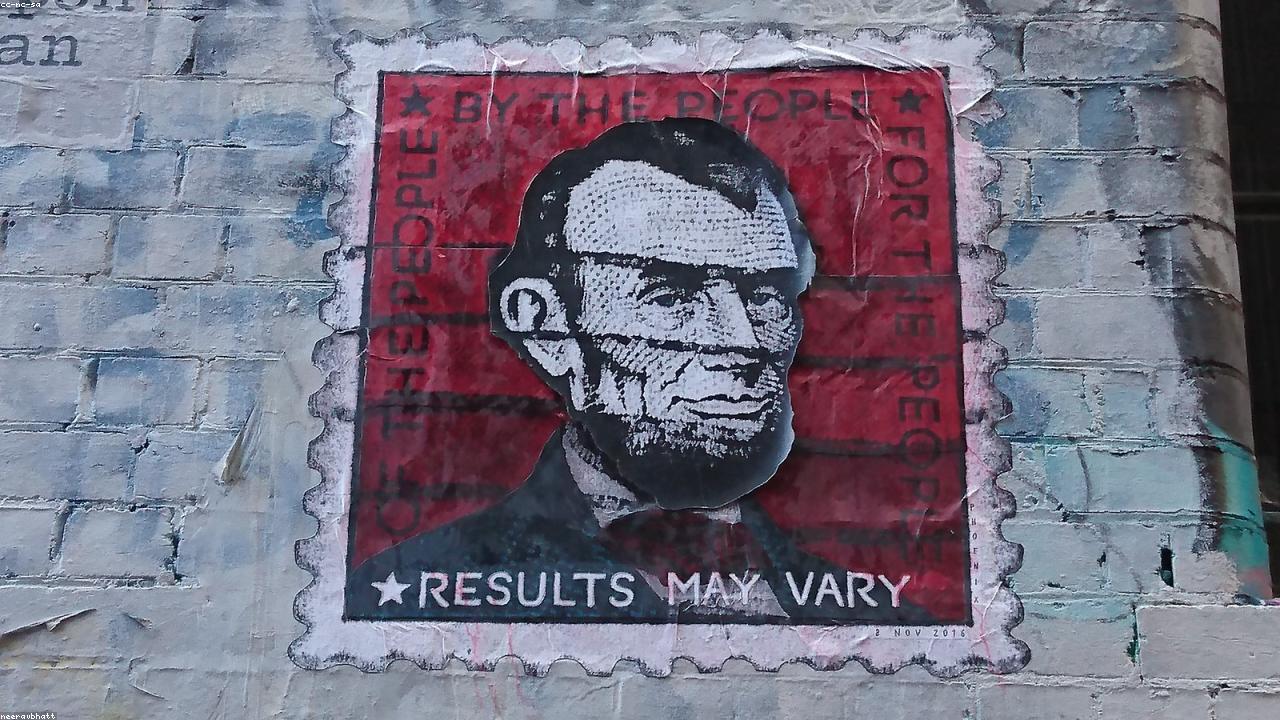
Walk the laneways. The famous network: Centre Place, Degraves Street, Hosier Lane (the famous graffiti alley), Royal Arcade, Block Arcade, Hardware Lane. The morning is the working coffee culture; the evening is the small bars.
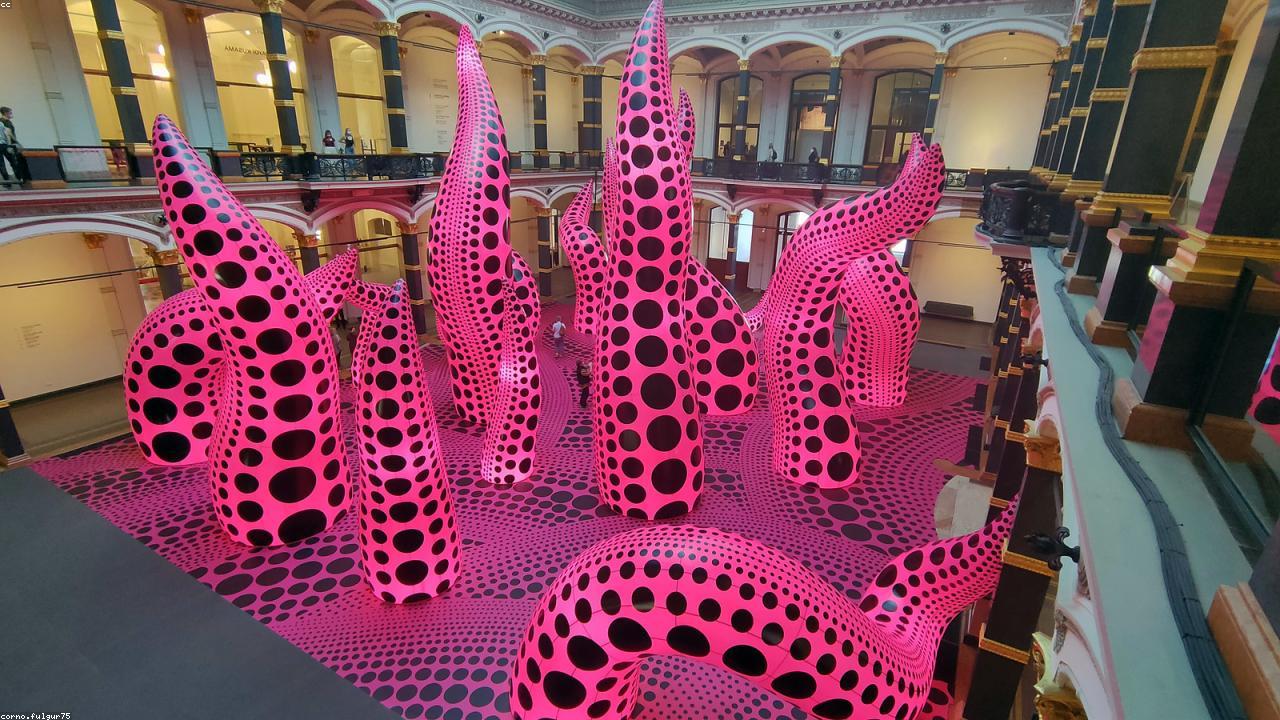
Spend an afternoon at the NGV. The National Gallery of Victoria has the largest art collection in Australia. The Triennial (the contemporary survey, every three years) is the major event.
Visit the Queen Victoria Market. The huge 1878 market for produce, deli goods, and the Winter Night Market on Wednesday evenings (June–August). The fish hall.
Watch a match at the MCG. The Melbourne Cricket Ground, the spiritual home of Australian sport — cricket in summer, AFL football in winter. The MCG tour is the alternative if no match is on.
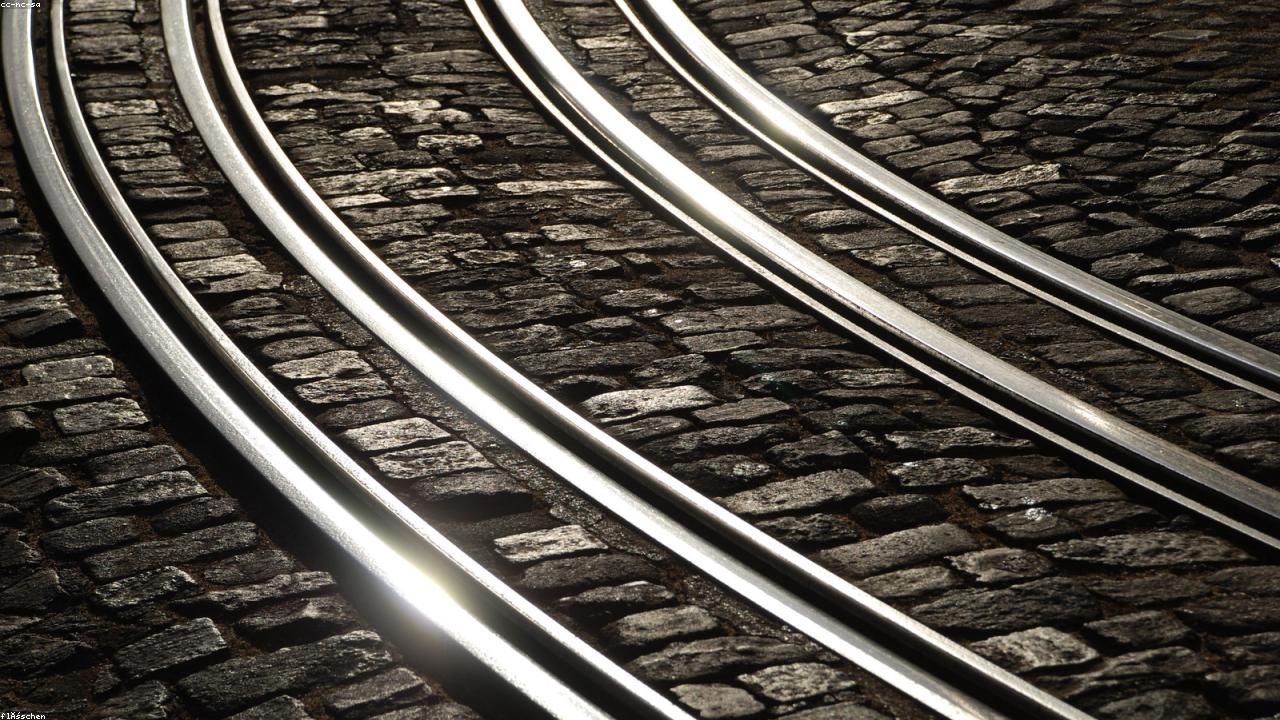
Take the tram to St Kilda. The free CBD tram zone is one of the city’s nice quirks; longer rides on the trams are inexpensive. St Kilda has the Luna Park amusement park (with its famous laughing-mouth entrance), the Acland Street cake shops, the foreshore.
Day-trip on the Great Ocean Road. Three hours west, the long Pacific-coastal drive past the Twelve Apostles sea stacks; a long day or an overnight.
See the Australian Open. Late January; the year’s first Grand Slam tennis tournament. Tickets to the early rounds are surprisingly accessible.
Where to eat
Attica — David Chang-style ambition; Australian native ingredients; one of the world’s top 50. Cumulus Inc. — All-day modern Australian café/restaurant; reliable. Tipo 00 — Pasta; the simple Italian dishes done at a high level. Chin Chin — Modern Asian, no reservations, queues are real. Flower Drum — Old-school Cantonese fine dining; the institutional choice. Embla — Wine bar with serious food. Bar Margaux — French-influenced; late-night option. Coffee at Brother Baba Budan, Patricia, Industry Beans, Seven Seeds — the canonical specialty coffee shops. Lune Croissanterie — The famous croissants; queue or pre-order.
When to come
Late September to November (spring) or March to May (autumn) for the most pleasant weather.
January–February is summer; hot, the Australian Open is the major event.
The Melbourne winter (June–August) is grey, often rainy, around 8–14°C; the small-bar scene is at its winter best.
Practical notes
- Visa: ETA.
- Money: Australian dollar.
- Transport: The myki card is the Melbourne transit card; loadable, used on trams, trains, and buses. The CBD has a free tram zone.
- Weather: Famously variable — ‘four seasons in one day’ is the local proverb and is sometimes literally accurate. Pack layers.
- Coffee etiquette: Don’t ask for a ‘tall’, ‘short’, or ‘venti’ — those are Starbucks terms and the Melbourne specialty cafés will look at you. Use the Australian terms: short black (espresso), long black (Americano-ish), flat white, latte, cappuccino, magic (a specifically Melbourne thing — a double-shot 5-oz pour).
A final thought
Melbourne has, over the past two decades, become my preferred Australian city for a longer stay. The combination of the coffee culture, the small-bar scene, the food, the laneways, and the cultural confidence — the city has fewer iconic photographs than Sydney and, paradoxically, more daily texture for the resident or long-stay visitor.
Five nights minimum. Walk the laneways. Drink the coffee. Eat at one of the ambitious modern Australian restaurants. Watch a match at the MCG if possible. Take a day on the Great Ocean Road. Melbourne is the quieter Australian success story and rewards the visitor willing to read the city’s grammar slowly.
If you only have a few days
7 ideal things to do in Melbourne
The CBD laneway circuit: Degraves, Centre Place, Hosier Lane
Melbourne CBD, between Flinders Street and Collins StreetA weekday morning, during the working coffee rush
Hosier Lane runs off Flinders Street opposite Federation Square and has been a free-to-paint wall since 1998, which means everything you photograph today will be under someone else's paint within the month. Degraves and Centre Place are the coffee end: tables wedged into the alley, an entire city drinking standing up. One correction to my own earlier writing, offered without much dignity — Pellegrini's, the 1954 espresso bar that half the coffee mythology hangs on, is not in a laneway at all. It is at 66 Bourke Street and always has been.
The Leonard French ceiling at NGV International
St Kilda Road, just south of the YarraAny day; the Triennial comes round every three years
Walk in through the water wall — a sheet of glass with water running down the outside that every child in Victoria has put their hands on — and go straight to the Great Hall. Then lie down on the carpet. Everybody does it, there is no dignity left to protect, and above you is one of the largest suspended stained-glass ceilings in the world, moving colour across the floor as the day turns. The gallery has been collecting since 1861; the Australian half of it lives at Federation Square in the Ian Potter Centre, opened in 2002.
Queen Victoria Market and the Wednesday night market
Northern edge of the CBD, Elizabeth and Victoria StreetsClosed Mondays and Wednesdays in the day; Wednesday evenings for the night market
Open since 1878 and shut on Mondays and Wednesdays, which is the kind of thing you discover on a Wednesday, standing outside it, in the rain. The Deli Hall dates from 1868 and is the oldest structure on the site: cheese, smallgoods, and a century and a half of migration legible in what sits on the counters. On Wednesday evenings in both summer and winter the sheds turn over to a night market with food stalls and bands. Go near the end of a trading day if you want to hear the produce sellers negotiating with themselves.
The La Trobe Reading Room dome, State Library Victoria
Swanston Street, opposite Melbourne CentralA weekday afternoon; climb to the top balcony
Climb to the highest gallery and look down on three hundred and twenty people reading beneath a concrete dome opened in 1913 — thirty-four and three-quarter metres across and exactly as tall, and the largest of its kind anywhere when it was poured. Six floors of balcony radiate off it. Ned Kelly's armour sits a few rooms along in the museum galleries: dented, rust-coloured, and noticeably smaller than the legend requires. Nobody asks you for anything and nobody hurries you out, which in a city centre is remarkable in itself.
A match at the MCG, or the Australian Sports Museum
Yarra Park, a ten-minute walk from Federation SquareAFL through the winter; the Boxing Day Test from 26 December
A hundred thousand people, and the noise when a goal goes through at the crowded end does something physical to your ribcage. Australian rules runs through the winter, the Test starts on Boxing Day, and the ground is contracted to host the Grand Final until 2059, which is the most Melbourne fact I own. If nothing is on, the Australian Sports Museum inside the stadium runs tours that put you out on the turf. I went to a Thursday night game between two teams I could not tell apart and left hoarse and fully committed to one of them.
Tram 96 to St Kilda Beach and the Scenic Railway
East Brunswick to Acland Street, 13.9 km end to endSunday afternoon; Luna Park runs year-round
Route 96 crosses the entire city, runs down the Bourke Street Mall in the middle of it, and finishes on the old St Kilda railway alignment, converted to trams in 1987, at the beach. Waiting at the end is Luna Park, open since December 1912 and entered through an enormous open mouth. The Scenic Railway inside is the oldest continuously operating roller coaster on earth and still carries a brakeman who stands upright in the middle of the train working the brake by hand. He looked profoundly bored. I would not have been.
Great Ocean Road to the Twelve Apostles
Port Campbell National Park, west of MelbourneGo as an overnight, not a day trip; winter for weather with opinions
There are seven stacks left, not twelve, and there were only ever nine — the name was invented to shift more tickets, which I find hard to hold against anybody. One fell in 2005 and another in 2009, and standing on the boardwalk while the Southern Ocean takes run-ups at the survivors is the actual experience on offer. Stay a night at Port Campbell. Everyone insists it is a day trip; a day trip is four hundred kilometres of driving and forty minutes of looking, and I remember mostly the car.
From a Split boy’s notebook
The Split lens
What reminded me of home
City with a serious café culture and a relatively understated identity — overshadowed by a flashier sister city (Sydney for them, Dubrovnik for us). Melbourne's laneway cafés and the slow coffee morning are kindred to our long Split caffè breakfast. Same instinct, different latitude.
What Split could borrow
Melbourne's small-bar laneway scene was kick-started by a 2008 liquor-licensing reform that made it cheap to open a 30-seat venue. Our city has very few small-bar formats; the path to opening is bureaucratic and slow. A targeted small-venue licensing reform would unlock a more interesting evening scene in our old town.
Who can take you
Tour operators & guides to try
A short, opinionated starter list — just my humble opinion. Verify before booking.
Intrepid Travelsmall groupwww.intrepidtravel.com →
Intrepid's Melbourne component on an East Coast Australia trip is usually 2 nights — the laneways, a coffee culture walk, a beach day at St Kilda, an evening at the MCG if there's a match. Group size 12–16. Caveat: Melbourne genuinely rewards self-guided walking more than Sydney; reserve Intrepid for the longer trip context.
Hidden Secrets Toursspecialistwww.hiddensecretstours.com.au →
Hidden Secrets Tours is the long-running Melbourne walking-tour company that handles the laneways, the coffee culture, and the street-art beats with proper depth. Groups around 12–16. The guides are Melbourne residents — typically people working in the city's design, food, or arts industries on their off days. Caveat: in winter the laneway tours are unpleasant in heavy rain; pick the indoor-architecture or NGV-galleries walk on the wet days instead.