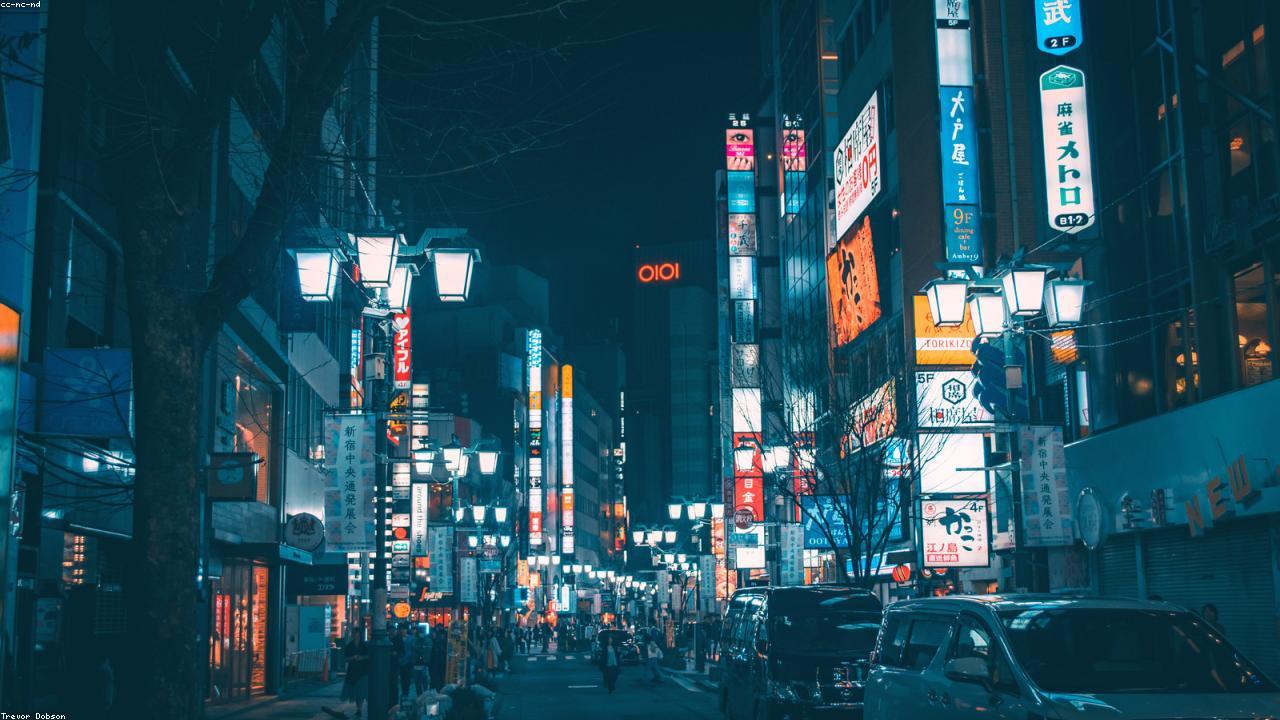
Photo: Ščenza
Tokyo, Japan · Asia
Tokyo, slowly: a city of thirteen million that rewards patience
Tokyo is large in a way that defeats the standard travel rhythm. It is not one city; it is twenty-three wards, each a small city, each with its own grammar. The right pace is to do less, daily, and to do it more carefully.
By Ščenza
· updated · 5 min read
It’s 6:14 a.m. and I’m having a tuna handroll at a counter in the Toyosu market, which is the successor market to Tsukiji and is, frankly, less atmospheric and considerably better organised. The chef, a man called Tanaka who must be eighty, has been making this roll for me wordlessly for the past four mornings. He nods. I nod. The handroll arrives. The rice is body-temperature, the nori has the cracker-crisp it has only for the first thirty seconds after assembly. There are no tourists in this corner of the market. Most of the people at the counter are wholesalers who will be back at work in twenty minutes. This is the city Tokyo gives you when you treat it patiently.
Why I keep coming back
I’ve been to Tokyo perhaps fifteen times since my first trip in 2007. The city has changed less than people think — much of the visible urban fabric is post-1945, and so the architectural era is reasonably stable — but my relationship to it has changed considerably. The first trip I tried to see everything. The fifth trip I gave up. Now I pick three neighbourhoods per visit and walk each of them until I have nothing left to discover at street level.
The pleasures of Tokyo are not the headline sights. They are the specific small things: a coffee shop with five seats in the Yanaka neighbourhood; a sushi counter run by a couple in their seventies; the smell of the rain on the platform at Shimokitazawa; the way the office workers in Marunouchi walk in perfect synchronisation toward the station at 6 p.m.
Where to base yourself
Shinjuku or Shibuya for the obvious central energy and the trains.
Asakusa for the older, slower, eastern Tokyo.
Ebisu or Daikanyama for the design-led, quieter, slightly upscale.
Yanaka if you want the most local, slowest, oldest Tokyo neighbourhood.
What to actually do
Walk one neighbourhood per day. Pick: Asakusa one day, Shimokitazawa another, Yanaka another, Daikanyama another. The trick is to spend four hours in one place rather than 45 minutes in five.
See one museum, deeply. The Tokyo National Museum in Ueno for the great Japanese collection; the Mori Art Museum in Roppongi for the contemporary; the Nezu Museum for the small-collection Japanese aesthetic at its most refined.
Eat one sushi meal at a counter. Sukiyabashi Jiro is famous; you will not get a seat. Sushi Saito, Sushi Yoshitake, Sushi Tokami are the upper tier and require months of booking. The neighbourhood sushi-yas (Tsubaki in Shibuya, for example) are the underrated middle. Sit at the counter. Don’t drown the fish in soy sauce. Don’t put wasabi in the soy sauce — the chef has already used the appropriate amount. Eat the piece immediately when it’s placed.
Visit a temple at dawn. Sensoji in Asakusa is mobbed by 9 a.m.; before 7, the morning monks are sweeping the courtyard. The shrine at Meiji Jingu, in its forest in central Tokyo, is best at 6:30 a.m. when it opens.
Ride the Yamanote Line once around. The circular line that defines central Tokyo, 35 km, takes about an hour. Sit by the window. Observe the city change every two stations.
Drink in a Golden Gai alley. The 200-bar warren in Shinjuku, each bar with 4–8 seats, the older masters with strict policies (some are members-only, some require Japanese, some welcome everyone). Try Albatross or Champion. Cover charges are usual; ¥1500–2000.
Where to eat
Tokyo has more Michelin-starred restaurants than any other city on earth. The deep value, though, is in the neighbourhood places.
Tonkatsu Maisen — Deep-fried pork cutlet; the original is in Aoyama. Ichiran Ramen — A chain, but the silent-cubicle ramen experience is worth doing once. Birdland (Ginza) — Yakitori, Michelin-starred chicken cooked over binchotan charcoal. Tempura Kondo (Ginza) — Possibly the best tempura in Japan; reserve months ahead. Soba at Honmura An (Roppongi) — Handmade buckwheat noodles, almost zen in their simplicity. Yakiniku Jumbo — Korean-style grilled meat that the Tokyo salaryman class swears by. Conbini lunches — A 7-Eleven onigiri is a legitimately good meal. Don’t be embarrassed.
When to come
Late March to early April for the cherry blossom (sakura). The dates vary year-to-year; plan loose.
Mid-October to November for the maple leaves (koyo) and the cooler weather.
Mid-January to early February for the cold, dry, clear days and the fewer crowds.
Avoid July and August (oppressive heat and humidity, often 35°C+) and the Golden Week (late April to early May) when domestic travel hits maximum.
Practical notes
- Visa: Japan offers 90 days visa-free to most Western passports.
- Money: Cash is still important for older restaurants and small shops, though IC cards (Suica, Pasmo) and contactless are now widespread. ATMs at 7-Eleven and post offices accept foreign cards.
- Transport: The JR and Tokyo Metro lines are the spine. The JR Rail Pass is now only worth it for long-distance shinkansen; for in-city travel, the Suica card (loaded on your phone or as a physical card) is the move.
- Etiquette: No eating while walking; no loud conversation on trains; don’t tip (it can be considered rude); always stand on the left of escalators (right in Osaka, just to confuse).
- Shoes off: At ryokans, temple interiors, some restaurants. Watch for the floor change.
A final thought
Tokyo is the city that, of all the great world capitals, has best resisted being summarised in the standard travel-magazine way. There is no single Tokyo. There is no central monument that you walk to and around which the rest of the city orients itself. There is, instead, a city of pockets, each with its own logic, each requiring its own visit.
The gift the city gives you, if you let it, is a particular kind of attention. Tokyo rewards close looking: at the wrapping on a small gift, at the way the rice is folded into the onigiri, at the synchronised motion of office workers crossing Shibuya at 6 p.m. The city does not need you to be impressed. It is not playing to a gallery. It is doing what it does, at a high level of refinement, and it will let you watch.
Come for at least ten days. Pick three neighbourhoods. Walk each one slowly. Eat where the office workers eat. Sit at the counter. Bow when the chef bows. Leave a place better than you found it. Come back. The city is still here. It will still be here. You will be the one who has changed.
If you only have a few days
8 ideal things to do in Tokyo
Toyosu Market and the tuna auction gallery
Toyosu, Kōtō ward — Yurikamome line to Shijō-maeBefore dawn, on market days
Sealed glass separates the upper gallery from the tuna floor, so you watch several hundred frozen fish change hands in near silence, the auctioneer's voice piped through speakers like a nature documentary about money. I went four mornings running and only worked out the buyers' hand signals on the last one, and I was wrong about that too. Afterwards eat at one of the counters in the outer buildings, standing among wholesalers who have been awake since two and will be back at work in twenty minutes.
Meiji Jingū at opening, then out into Yoyogi Park
Shibuya, beside Harajuku StationThe shrine opens at sunrise; that is the hour to use
One hundred thousand trees, donated from every part of Japan and planted by volunteers in the 1920s, make up this forest — which means the most ancient-feeling place in central Tokyo is younger than my grandmother's house in Kaštela. Walk in from the Harajuku gate before the tour groups and the gravel underfoot is the loudest thing you'll hear. Come out the far side into Yoyogi Park and the city returns at once, usually in the form of somebody practising a saxophone badly under a tree.
Walk Yanaka: the cemetery first, then Yanaka Ginza
Taitō and Bunkyō wards, minutes from Nippori StationLate afternoon, when the shopping street fills up
Yanaka came through both the 1923 fire and the wartime bombing, so the lanes still bend the way Edo lanes bent. Start in the cemetery — laid out in 1874, thousands of graves, cherry trees down the central avenue — which sounds morbid and is in fact where the neighbourhood walks its dogs and eats lunch. Then down the steps into Yanaka Ginza, a short street of family shops that has held out against becoming a mall for far longer than I have held out against buying things I cannot carry home.
The Nezu Museum and its garden
Minami-Aoyama, Minato wardClosed Mondays; best on a wet weekday
Bamboo lines the long entrance corridor, which functions as an airlock: you step off an Aoyama street of luxury flagships and come out somewhere quiet. The collection is Nezu Kaichirō's — pre-modern Japanese and East Asian art, several National Treasures among it — but the garden behind is why you stay: over a hectare of ponds, stone lanterns and tea houses, in the middle of Minato ward. I once spent an hour there watching a heron do nothing whatsoever, and counted it time well spent.
A day of the sumo basho at Ryōgoku Kokugikan
Ryōgoku, Sumida wardJanuary, May and September — fifteen days each
Tokyo holds three of the six annual tournaments, and the hall is a minute from Ryōgoku station, which is the only easy part of the exercise; tickets go fast. Arrive when the doors open and the junior divisions fight in a half-empty arena to the sound of people unwrapping lunch. By late afternoon it is full, loud, and each bout lasts about four seconds. I have watched a man carrying twice my body weight move faster than I can, twice, before I finished the sentence I was saying about it.
Jimbōchō second-hand book district
Kanda, Chiyoda wardA weekday afternoon
Somewhere between 130 and 180 second-hand bookshops, depending who is counting, are packed into a few blocks of Kanda — reckoned the largest concentration of used books anywhere on earth. Most of the shopfronts crowd the side of Yasukuni-dōri where the sun cannot get at the paper. I read no Japanese. I have nonetheless bought books here twice: a 1960s photography volume and a set of maps I have no use for. The owners are patient about this. It presumably happens to them all day.
Kappabashi Dōgu Street for kitchen tools
Taitō ward, between Ueno and AsakusaWeekday mornings — it is a trade street, not a sight
Eight hundred metres of shops selling nothing but restaurant equipment: knives, moulds, noren curtains, wooden buckets, and the lacquered plastic food samples that sit in restaurant windows all over Japan. Chefs come here to work. I came to buy one knife and left with a mandoline I have used eleven times and been frightened of on every one of them. Buy a blade and they will sharpen and wrap it properly, which is more care than I have had from any hardware shop in Split.
Shinjuku Golden Gai
Six alleys on the edge of Kabukichō, ShinjukuLate evening; avoid Friday if you want a seat
Six alleys of two-storey shacks, each holding a bar with room for five or six drinkers, somehow survived the postwar clearances, the bubble, and the developers. Some are members-only, some carry a cover charge, some want Japanese spoken and say so on the door. Read the doors. I once sat down in a bar whose entire subject was 1970s Finnish punk, understood none of it, and was poured a beer by a master who plainly wished I had picked the jazz place two doors down.
From a Split boy’s notebook
The Split lens
What reminded me of home
Megacity stitched together from small specialist shops you'd never find without local knowledge. The eight-seat sushi counter and the four-seat coffee shop with the master who's been there forty years — these are tokens of the same instinct as our old-town artisans. Different language, same scale of human attention.
What Split could borrow
Tokyo's metro runs exactly on time, every minute, every day. Our Promet buses run on Croatian time, which is to say sometimes. Promet doesn't need Tokyo's budget — it needs Tokyo's commitment to the schedule. Five buses on the route per hour, predictably, would change the city.
Who can take you
Tour operators & guides to try
A short, opinionated starter list — just my humble opinion. Verify before booking.
InsideJapan Tourstailoredwww.insidejapantours.com →
InsideJapan Tours is the right operator for a first Japan trip if you want bespoke without the four-figure-per-day luxury tier. They build custom itineraries with strong English-speaking local guides for the days you want one, and self-guided structure (with detailed information packs) for the days you don't. Tokyo + Kyoto + one regional addition is their standard format. Caveat: not the cheapest option; pricing is mid-to-upper.
Context Travelspecialistwww.contexttravel.com →
Context Travel runs walks in Tokyo for the cultural-history audience — the Asakusa walk with an Edo-period historian, the Yanaka neighbourhood walk for the surviving 19th-century texture, the contemporary-architecture walk in Aoyama. Six-person cap. Caveat: Tokyo's depth is partly food and partly the texture of small shops; Context covers the historical side well but supplement with a separate food walk.
If you liked this, try these
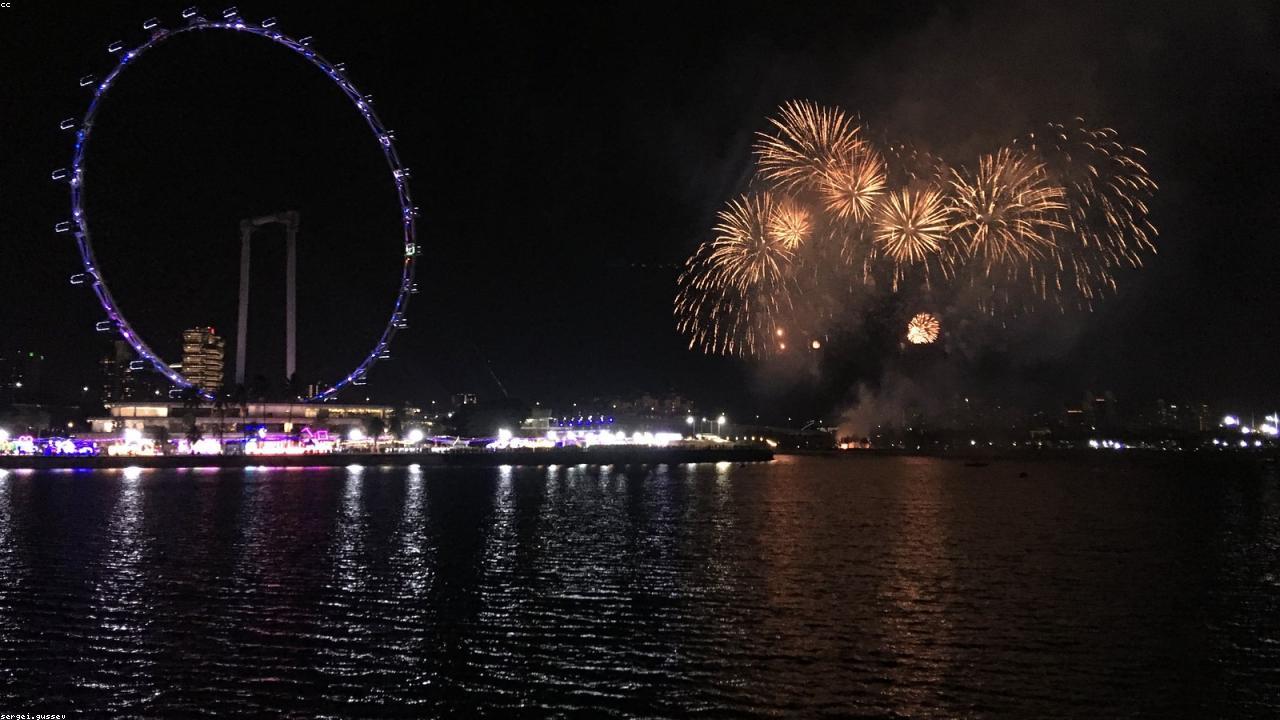
Singapore, Singapore
Singapore: the small city-state that gets the small things right
April 29, 2024

Seoul, South Korea
Seoul at 2 a.m.: the late-night city of bbq, soju, and underground streets
March 12, 2024
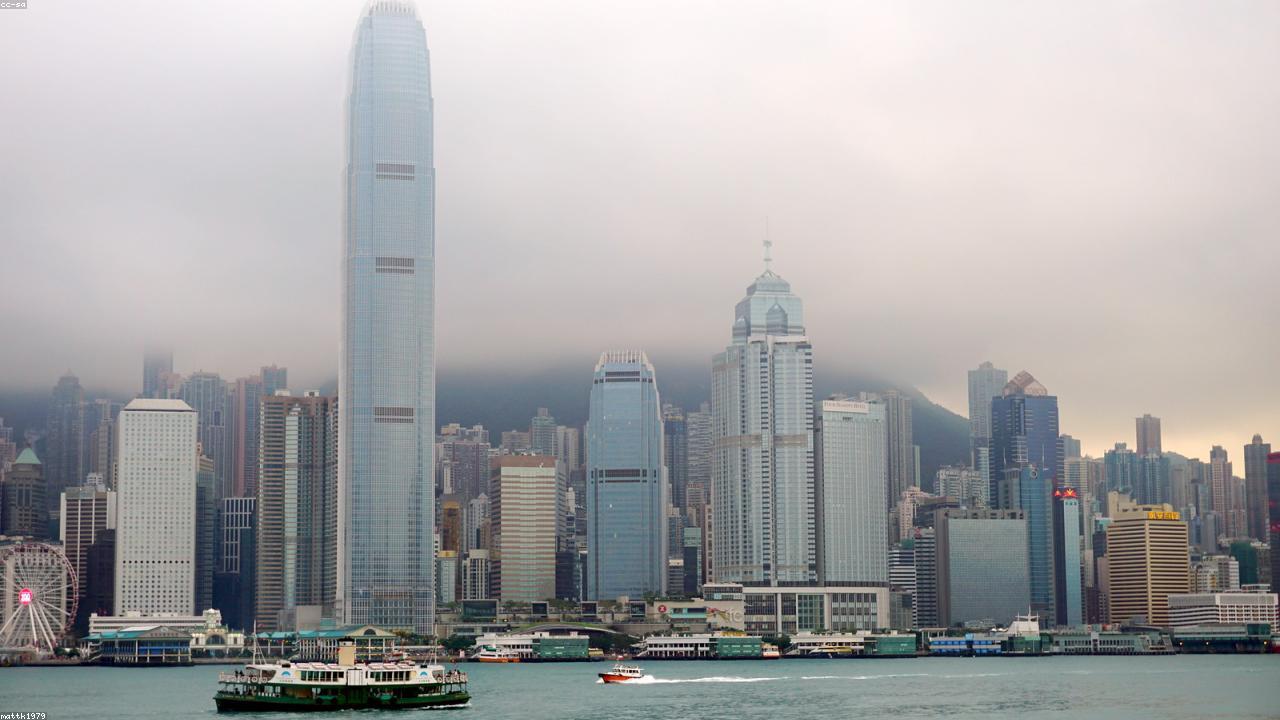
Hong Kong, Hong Kong
Hong Kong: vertical city, tropical city, last-train city
April 4, 2023