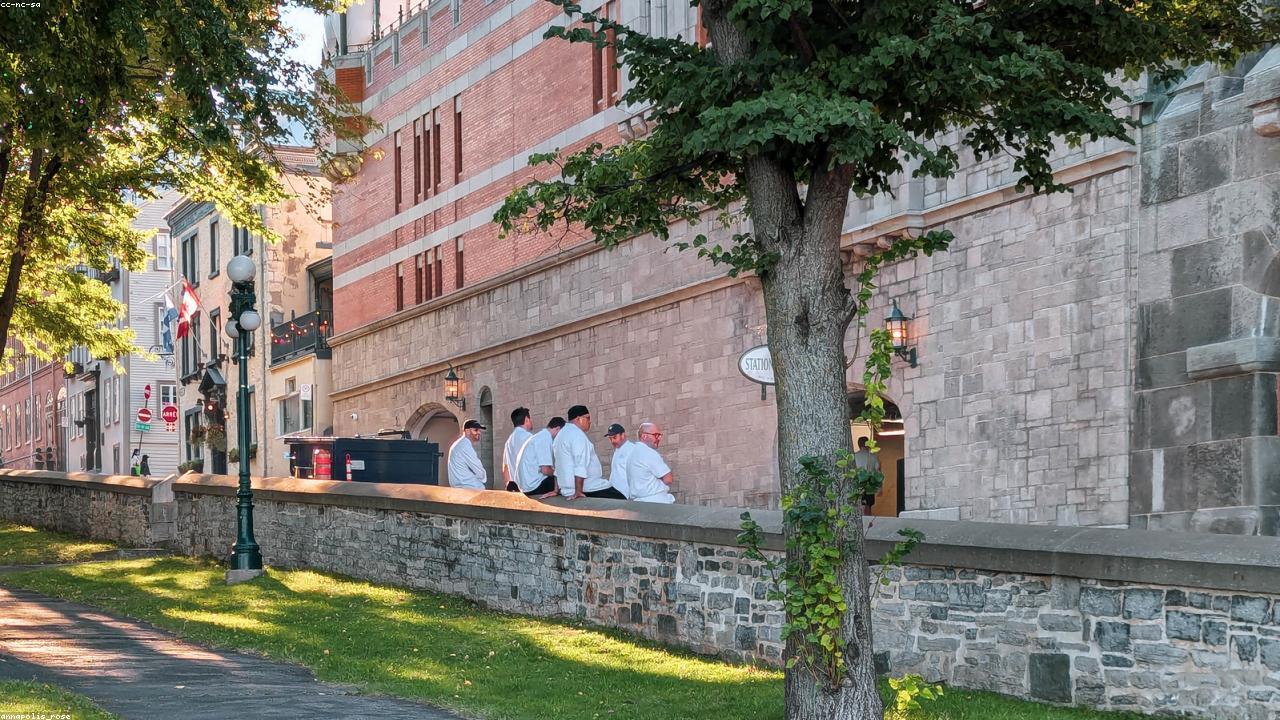
Photo: Ščenza
Quebec City, Canada · North America
Quebec City in winter: the only walled city north of Mexico
Quebec City is the only walled city north of Mexico, the oldest continuous French settlement in North America (founded 1608), and one of the rare places where you can spend a week speaking French without anyone switching to English on you. The deep winter is the right time.
By Ščenza
· updated · 4 min read
It’s 5:47 p.m. on Rue Saint-Louis in Vieux-Québec, the old upper town, and the temperature is exactly minus 17 degrees. The cobblestones are slick with packed snow. The Château Frontenac — the green-copper-roofed grand hotel that dominates the skyline — has its windows lit yellow against the dusk. A horse-drawn carriage is passing me with two passengers under wool blankets. The smell of woodsmoke from the small bistro on the corner is unmistakable. This is Quebec City in late January, and it is, in my view, the city at its best.
Why I keep coming back
Quebec City is the most European city in North America. Founded by Samuel de Champlain in 1608, it has remained essentially French in language, food, and visual culture despite 250 years of British and Canadian political rule. The Old Town — the UNESCO-listed walled district of Vieux-Québec — has the 17th- and 18th-century stone buildings, the narrow streets, and the ramparts more or less intact. The Lower Town (Basse-Ville), at the foot of the cliff, has the original French port quarter; the Upper Town (Haute-Ville), on the bluff, has the church, the seminary, and the Plains of Abraham battlefield from 1759.
It’s a small city. The walls enclose maybe one square kilometre. You can walk the whole old town in a morning. The depth comes from the layering — French Canadian language and culture, the British military presence (the Citadel is still an active military fortress), and a contemporary Québécois cultural confidence that has, in the last two generations, made Montreal and Quebec City genuinely distinct from Anglo-Canadian cities.
Where to base yourself
Vieux-Québec / Upper Town — Inside the walls, central, walking distance to everything. The Château Frontenac is the heritage option; many smaller boutique hotels and B&Bs share the streets.
Vieux-Québec / Lower Town — Around the Place Royale; the original French port quarter, slightly quieter.
Avoid the modern parts of the city as a base; the old town is the entire point.
What to actually do
Walk the ramparts. A 4.6-km circuit of the city walls, with views down to the St. Lawrence River. Free.
Visit the Plains of Abraham. The 1759 battlefield where the British defeated the French under General Wolfe — the decisive moment in the British takeover of New France. Now a public park; the Musée des Plaines d’Abraham has the museum.
Visit the Musée de la Civilisation. Excellent contemporary museum of Québécois culture, social history, and contemporary issues.
Go to the Notre-Dame Basilica. The Catholic cathedral in the Upper Town; nightly summer light shows on the architecture; daytime visits free.
Eat at Le Saint-Amour or another classic Québécois bistro. Modern French-Québécois cooking.
Spend a day at Île d’Orléans. The 33-km long agricultural island just downstream from the city; small villages, dairy farms, small wineries, an old church and graveyard at every village. A clockwise driving loop in 4 hours.
Sled or skate at the Plains of Abraham in winter. The toboggan run is open in winter at the Glissade de la Terrasse, beside the Château Frontenac. Skating on the Place D’Youville rink. The Carnaval de Québec in February is the major winter festival.
Where to eat
French-Québécois cooking has its own canon — tourtière (meat pie), poutine (yes, the chips and gravy and cheese curds, here is where it comes from), maple-everything, cretons (a port spread), bison and other game meats.
Le Saint-Amour — Refined Québécois, French-influenced, the classic celebration meal. Légende — Modern, foraged-Québécois tasting menu. Le Continental — Old-school, tableside flambéing, Cold-War-era atmosphere; the steak Diane. La Bûche — Casual Québécois cabin food; the tourtière, the poutine, the smoked-meat sandwich. Buffet de l’Antiquaire — Diner-style breakfast, the maple-syrup pancakes and the cretons on toast. Sapristi — Wood-oven pizza and small plates; popular with locals. Maple sugar shack (cabane à sucre) outside the city, in spring — the seasonal maple-tree-tap meal of unconventional dishes, ham, pea soup, sugar-pie, all glazed with maple. Cabane à Pierre is the famous one.
When to come
Late January through February for the winter — the snow, the carnival, the lit-up old town. My favourite season.
June through September for the warm-weather option. The summer here is short and pleasant (20–25°C).
October for the autumn colours.
Practical notes
- Visa: eTA.
- Money: Canadian dollar.
- Language: French is the language of everyday life. Use it where you can; English is widely understood in tourism but the gesture of starting in French is appreciated and noticed.
- Winter clothing: Genuine cold-weather gear required. Layers, base layers, insulated boots, hat, gloves. Locals look at underprepared tourists with concern.
- Transport: Walkable. Buses around the wider city; the old town is the only relevant area for most visits.
A final thought
Quebec City is, of all the cities I’ve visited in North America, the one most likely to surprise European visitors. The expectation is North America; the experience is small-French-walled-town with a quiet Québécois cultural assertiveness underlying everything. The architecture is genuinely 17th- and 18th-century French; the language is real French (a particular Canadian variety); the food is its own thing.
Go in winter if you can handle the cold. Stay inside the walls. Walk the ramparts. Eat tourtière. Drink a Québécois cidre or a maple-aged whisky. The cold is real; the city is real; the old continental shape of the place is real and increasingly rare in modern North America. Four or five nights minimum. Bring a wool coat.
If you only have a few days
6 ideal things to do in Quebec City
Walk the ramparts
Vieux-Québec, Upper TownAny season; 4.6 km, and longer than that in a January wind
The only fortified colonial town left standing north of Mexico, and you can walk the whole 4.6-kilometre circuit along the top of the walls, which Parks Canada has looked after since 1948. In deep winter the walk is fully exposed and the stone sends cold up through your boots, and the reward is the St Lawrence below with ice moving down it in slabs. Our walls in Split were built by an emperor and then had a city stuffed inside them. These were built to keep a city out.
The toboggan slide on Terrasse Dufferin
Beside the Château FrontenacWinter, once the run has been set
A wooden sled, a 150-metre ramp that has been running down the boardwalk since about 1898, and no braking arrangement worth the name. Adults do this. Adults in office coats do it on a lunch break. I went down behind a woman of about seventy who screamed the entire length of the run, got off at the bottom, and immediately rejoined the queue, and I have thought about her a great deal since.
The Plains of Abraham under snow
West of the Citadelle, on the bluff above the riverWinter, on skis or on foot
Ninety-eight hectares of open plateau where Britain and France settled the fate of New France in about half an hour of musket fire in September 1759, both commanding generals dying of it. It is now a park where people ski across the battlefield on their lunch break. There is something very Canadian about the complete absence of drama in that, and it took me two visits to stop finding it strange.
Musée de la civilisation
Rue Dalhousie, Lower TownA cold afternoon
Moshe Safdie fitted it into the old port fabric in 1988 and it has been the most intelligent museum in the city ever since. The permanent shows on Québécois identity and on the First Nations are argumentative rather than reverent, which is rarer in a national-story museum than it ought to be. Go when the weather has beaten you. Everyone else in the building arrived for the same reason and nobody mentions it.
Montmorency Falls in winter
Just east of the city, on the way to Île d'OrléansJanuary or February, for the sugarloaf
Eighty-three metres, a full thirty metres taller than Niagara, and in winter the spray freezes into a cone at the base that people here call the pain de sucre — the sugarloaf. There is a suspension bridge across the lip and a cable car for anyone who has already thought carefully about what a long open staircase feels like in that wind. I had not thought about it. Wear the boots you suspect are excessive.
Loop Île d'Orléans
Over the bridge from Beauport, 5 km east of the cityAutumn for the orchards; about four hours by car
Nearly 193 square kilometres of farming island in the St Lawrence, six village parishes around its edge, more than six hundred protected heritage buildings, and the whole thing designated a national historic site in 1990. Strawberries, apples, cider, maple. Drive it in one direction only and stop whenever a farm stand looks like it means it. The island is what the mainland looked like before the mainland got a shopping centre.
From a Split boy’s notebook
The Split lens
What reminded me of home
Walled old town in a French-derived culture defending its language against a much bigger Anglo neighbour. Both Quebec City and Split protect a small heritage zone that is both a working old town and a UNESCO site. Both cities take their language and their winter slightly more seriously than the larger country does.
What Split could borrow
Quebec City's Carnaval de Québec is a serious February festival that fills the off-season with locals and visitors together. Our winter is mild compared to Quebec's but the off-season is empty. A serious winter festival on the Peristyle — Christmas-to-February — built around klapa concerts, food markets, and Roman-history events, would bring the city alive in February.
Who can take you
Tour operators & guides to try
A short, opinionated starter list — just my humble opinion. Verify before booking.
Context Travelspecialistwww.contexttravel.com →
Context Travel's Quebec City walks are excellent for the New-France colonial-history depth and the Plains of Abraham battlefield context — specialist-led, six-person cap, two- to three-hour format. Caveat: the city is small (1 km square inside the walls); a single Context walk is usually sufficient. The deep January-February cold makes the walks shorter than the official schedule sometimes implies; layer up.
Tours Voir Québecspecialistwww.toursvoirquebec.com →
Tours Voir Québec is the city's main locally-run walking-tour company — Québécois guides who care about the French-history depth and the contemporary Québécois cultural confidence. The 2-hour Old Quebec walk is the entry; the food walks and the Plains of Abraham battlefield tour are the substantive add-ons. Groups stay around 12–15. Caveat: in deep winter (January–February) the walking pace slows and warm-up café stops are frequent; budget extra time.
If you liked this, try these
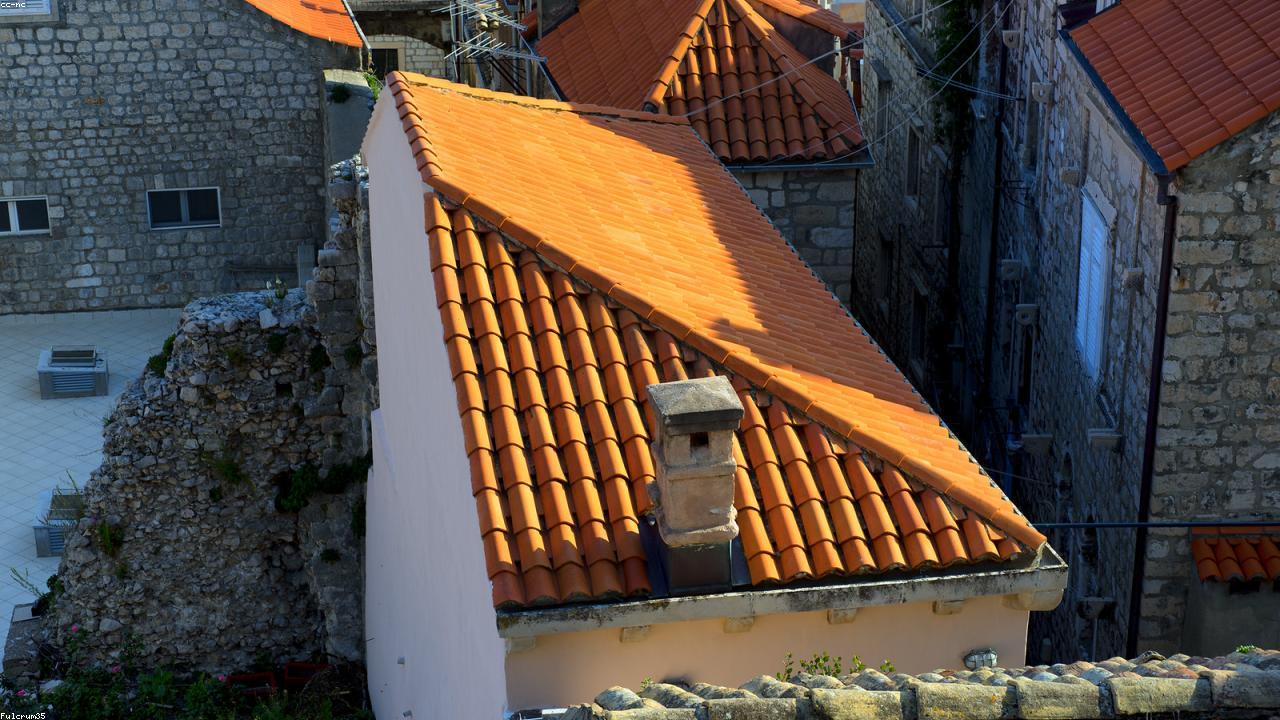
Dubrovnik, Croatia
Dubrovnik out of season: the walled city without the cruise ships
April 11, 2022
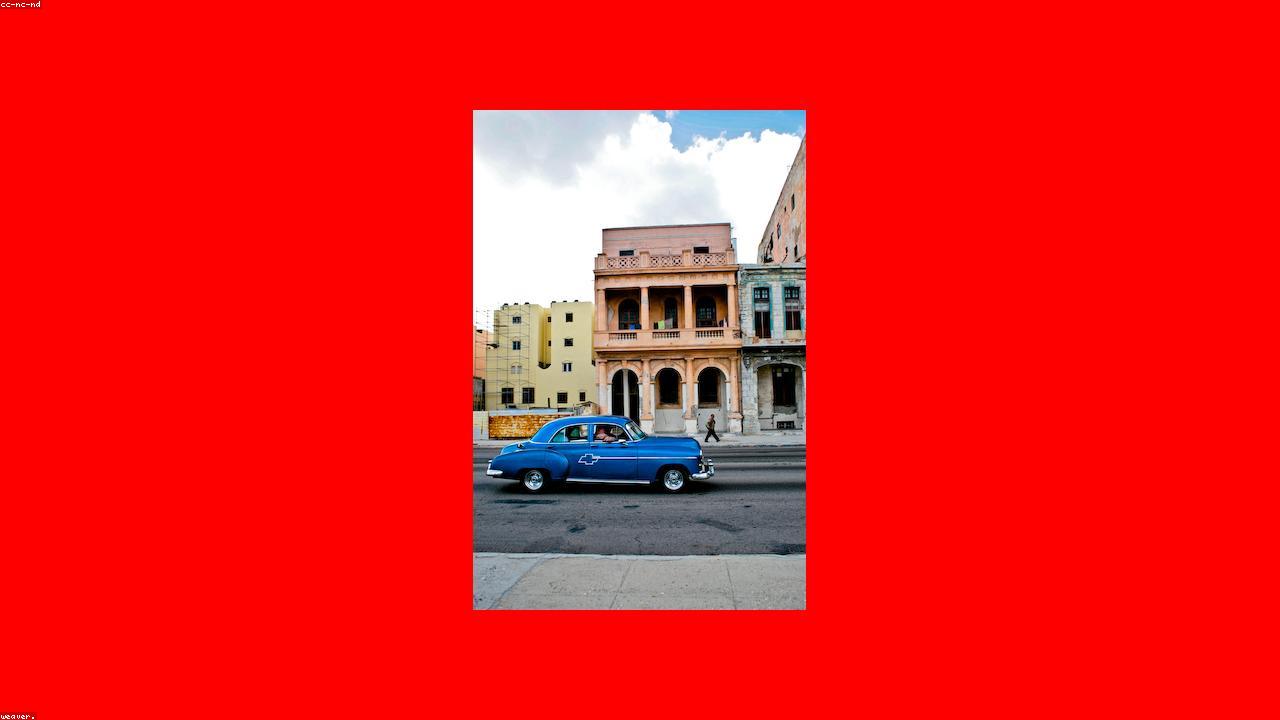
Havana, Cuba
Havana: the most photographed city in the Caribbean, and the hardest to know
October 19, 2021
Mexico City, Mexico
Mexico City: the high-altitude metropolis that took a decade to be discovered
November 30, 2023