Photo: Ščenza
Dubrovnik, Croatia · Europe
Dubrovnik out of season: the walled city without the cruise ships
Dubrovnik is the most besieged old town in the Mediterranean — first by armies for a thousand years, now by cruise ships for ten. The trick is timing. Off-season Dubrovnik is one of the most beautiful weeks in Europe.

By Ščenza
· updated · 5 min read
It’s the second week of November, the wind is up off the Adriatic, and I have the entire Stradun — the marble-paved main street of Dubrovnik’s old town — to myself for fifteen minutes. The cats are out on the Rector’s Palace steps. The cafés have their tables stacked against the walls. The light, low and Mediterranean, catches the limestone. There is no queue at the Pile Gate. There is no cruise ship in the bay. This is the Dubrovnik that exists for about six weeks a year, and it is one of the most quietly extraordinary cities in Europe.
Why I keep coming back
My first visit to Dubrovnik was in 2005, on a backpacking summer trip down the Dalmatian coast. The city was still recovering from the 1991–92 siege, mortar damage was still visible on some roofs, and the cruise tourism that has since defined and overrun the old town was beginning but had not yet metastasised. Twenty years on, the walls and the buildings have been restored almost to invisibility of damage; the cruise tourism has, by any reasonable measure, made the historic centre unusable in high summer.
The city itself is still magnificent. The trick is not to mistake the summer experience for the city.
Where to base yourself
Pile or Ploce — Just outside the city walls on either end. Quieter than inside the walls, walkable to everything, and significantly cheaper.
Lapad peninsula — A twenty-minute bus from the old town, residential, beachier, where most Dubrovnik families actually live. A useful base for a longer stay and easier on the budget.
Avoid sleeping inside the walls in high season unless you’re an early-to-bed sort and like the sound of suitcases on stone at 7 a.m. and 11 p.m.
What to actually do
Walk the walls. The two-kilometre circuit of Dubrovnik’s city walls is the single best thing to do in the city. Two hours at a slow pace, with rooftop views of the entire old town and the sea. Go at first opening (8 a.m. in summer, 9 a.m. in winter) or in the last hour before sunset. The midday walk in July is a slow procession in 35°C heat and not advisable.
Take the cable car up Mount Srđ. The hill behind the old town, with the panoramic view, and a museum at the top (the Museum of Croatian War of Independence) that is significantly more affecting than the cable-car tourist experience would suggest. Worth doing for context.
Boat to Lokrum. The small island opposite the harbour, fifteen minutes by ferry, with a Benedictine monastery ruin, peacocks, a small saltwater lake, and a botanical garden. A half day. Take a picnic.
Visit the Franciscan and Dominican monasteries. Both inside the walls, both with cloisters that are arguably more beautiful than the better-known cathedrals. The Franciscan pharmacy, founded in 1317, still operates as a pharmacy in the same room.
Walk the Dalmatian coast. A short bus or rental-car drive south brings you to small fishing villages — Cavtat in particular, a sleepy harbour town that was the ancient Greek settlement that predates Dubrovnik. A good lunch on the harbour, a swim, a walk on the headland, back by late afternoon.
Where to eat
The food inside the walls is, frankly, mostly bad and expensive. Step outside the gates and the situation improves considerably.
Restaurant 360 — One Michelin star, inside the walls (the exception to the rule), creative Dalmatian, terrace on the bastion. Reserve weeks out.
Pantarul (Lapad) — Modern Croatian, the locals’ choice for a proper dinner. The Adriatic seafood.
Konoba Dubrava (outside the walls, towards Bosanka) — A family-run konoba (tavern) with house-cured prosciutto, Dalmatian smoked ham, and the peka slow-cooked dishes (lamb or octopus under a bell over hot coals).
Bota Šare (just outside the Old Harbour) — Oyster bar; the oysters from Mali Ston bay, an hour up the coast, are the country’s best.
Buffet Škola — A small inside-the-walls hole-in-the-wall sandwich shop with house bread and good fillings. Cheap, fast, locals.
When to come
Late October to mid-December, or March to mid-April. The temperature is mild (15–18°C), the cruise season has not yet started or has wound down, and you can walk the Stradun without weaving.
May and June are workable if you’re inside the walls early and out by 11 a.m.
Avoid July and August absolutely. The old town is genuinely unpleasant — temperatures of 35°C, cruise crowds at peak, prices doubled.
Practical notes
- Visa: Croatia is in Schengen since 2023.
- Money: The euro since 2023; old kuna pricing in conversations occasionally lingers but everything is in euros.
- Transport: A small rental car is useful for the coast; not needed for the city. The buses to Lapad and the airport are frequent and cheap.
- The wall ticket: Around €40 in peak season, €20 off-season; includes Fort Lovrijenac across the harbour.
- Cruise ship days: The cruise ship arrival schedule is public; check it and avoid the days when 3+ ships dock if you’re aiming for emptiness.
- Beaches: The pebbly Banje beach below the eastern walls is the city beach; the better swimming is on Lapad peninsula.
A final thought
Dubrovnik is one of the cities that taught me, early, that timing is more important than the destination. The same city, in two different months, can be the most beautiful walking week of your year or a slow-moving tour-group photograph queue. The walls don’t change. The light doesn’t change. The streets don’t change. What changes is the volume of strangers and, with it, the entire experience of being there.
In November, walking down the Stradun in the soft grey light, with only the cats and a handful of locals out, I remember what it must have been to live in this small marble-floored republic of seven thousand people, three centuries ago, when the city ran a Mediterranean trading network out of all proportion to its size and the same streets I am walking were the city’s commercial heart. That brief sense of pre-mass-tourism intimacy with a place is one of the rarest experiences in European travel now. Dubrovnik in the off-season still offers it. Use the right week.
If you only have a few days
6 ideal things to do in Dubrovnik
Walk the city walls at first opening
Old town; enter at Pile, Ploče or St John's FortressFirst entry of the day, or the final hour before closing
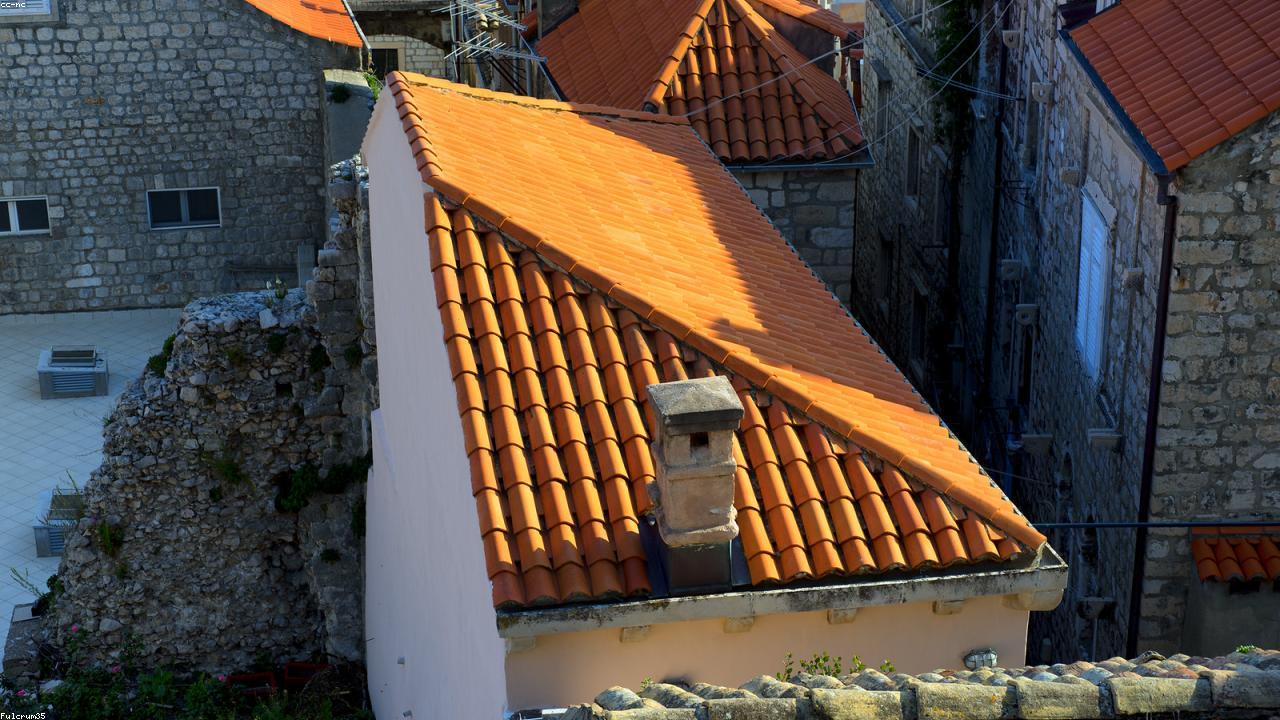
Nineteen hundred and forty metres of circuit, sixteen towers, and twenty-five metres of drop in places on the seaward side. Ninety minutes at a march, two hours if you keep stopping, which you will, because the roofs below are a colour-coded record of the 1991 shelling — the bright orange tiles are the replacements, the faded ones survived. Go at opening. I once did the midday walk in July at thirty-five degrees out of pure stubbornness and learned nothing except that I am stubborn.
Cable car to Srđ and the Homeland War museum in Fort Imperial
Mount Srđ, 412 m above the old townLate afternoon for the light; the wind up there is not a joke
Cable car to the summit takes three and a half minutes, and nearly everybody photographs the view over the walls and the Elafiti islands and goes straight back down. Inside the Napoleonic fort at the top is the exhibition on the 1991–95 siege, when this was the forward defensive position and very nearly fell. It is plain, unglamorous and makes better sense of the town below than any palace does. Forty minutes, and you will be quieter on the way down than you were going up.
Ferry to Lokrum
Fifteen minutes from the Old HarbourMay, June or September; August afternoons are a scrum
Benedictine monastery ruins, a botanical garden, Fort Royal on the high point, and a small saltwater lake called Mrtvo More that children hurl themselves into. The peacocks are descended from birds Archduke Maximilian shipped in from the Canaries in the 1860s and they have opinions, which they share at close range and considerable volume. Take food and give it three hours. It is Dubrovnik's Marjan: the place you go to stop being in the town for an afternoon.
The old pharmacy at the Franciscan monastery
Placa, just inside the Pile GateAt opening, while the cloister is still empty
Founded in 1317 and still dispensing, which makes it the oldest working pharmacy in Europe and the third oldest anywhere. The museum room holds the mortars, the ceramic jars and the manuscript formularies; the counter next door still sells rose water and creams made to the monastery's own recipes. My mother has a jar of the rose cream and has told every neighbour in her building precisely where it came from. The Romanesque cloister outside is the best quiet minute inside the walls.
Rector's Palace, now the Cultural History Museum
Pred Dvorom, beside the cathedralMid-morning, out of season
Gothic, Renaissance and Baroque all on one facade, because the building kept being rebuilt — it housed the republic's powder magazine, and that history is not unrelated. Seat of the Rector of Ragusa until 1808, a museum since 1872. The rooms are sober rather than opulent, which fits a republic that deliberately gave its head of state a very short term and almost no personal power. Dubrovnik's entire political trick is in this building, being looked at by about eleven people.
Cavtat: the Bukovac house and the Račić mausoleum
South of the city; local bus, or the boat from the Old HarbourHalf a day, with lunch on the harbour
Vlaho Bukovac was born in this house in 1855, went to Paris, and came home to found modern Croatian painting; the museum holds over two hundred works and his own decoration still on the walls. Up the hill in the cemetery stands Ivan Meštrović's Račić family mausoleum, white Brač stone, built 1920–22 with no wood used anywhere in it. Cavtat is what Dubrovnik was before the ships arrived, and there is a headland path where you can get into the sea off the rocks without paying anybody.
From a Split boy’s notebook
The Split lens
What reminded me of home
Sister city, sister problem. Both are walled Dalmatian limestone towns being overrun by cruise tourism. Dubrovnik is what Split is becoming if we don't act. The Lokrum boat trip is our Brač ferry; the Stradun is our Marmontova. We're the larger cousin, currently five years behind on the overtourism curve.
What Split could borrow
Dubrovnik finally capped daily cruise arrivals after a decade of damage. We need to do the same before the same damage. The mayor of Split should call the mayor of Dubrovnik for a coffee and ask for the policy framework, not the embarrassed silence we currently get.
Who can take you
Tour operators & guides to try
A short, opinionated starter list — just my humble opinion. Verify before booking.
Intrepid Travelsmall groupwww.intrepidtravel.com →
Intrepid's Dalmatian-coast itineraries do Dubrovnik well as one stop among many — Split, Hvar, Korčula, Dubrovnik over a 10-day frame, with the right boat-and-bus rhythm. Group size 12–16. The Dubrovnik portion is wisely kept short (the city is overcrowded mid-day) and they push the walks early. Caveat: in July and August the entire coast is at saturation; this trip is much better in May or October.
Adriatic Exploretailoredwww.adriatic-explore.com →
Adriatic Explore is the Dubrovnik-based DMC that handles the day-trip logistics well — Mljet island, the Elaphiti chain, the Montenegro day, the kayak-around-the-walls operators. They've been working this coast since the late 1990s and the guides are local. Caveat: mid-tier operator, not luxury — the boats and vans are functional rather than special. For a private yacht day, the chartered-yacht houses (Yacht Charter Croatia and similar) are the better fit.