Photo: Ščenza
Queenstown, New Zealand · Oceania
Queenstown: the New Zealand adventure capital between the lake and the peaks
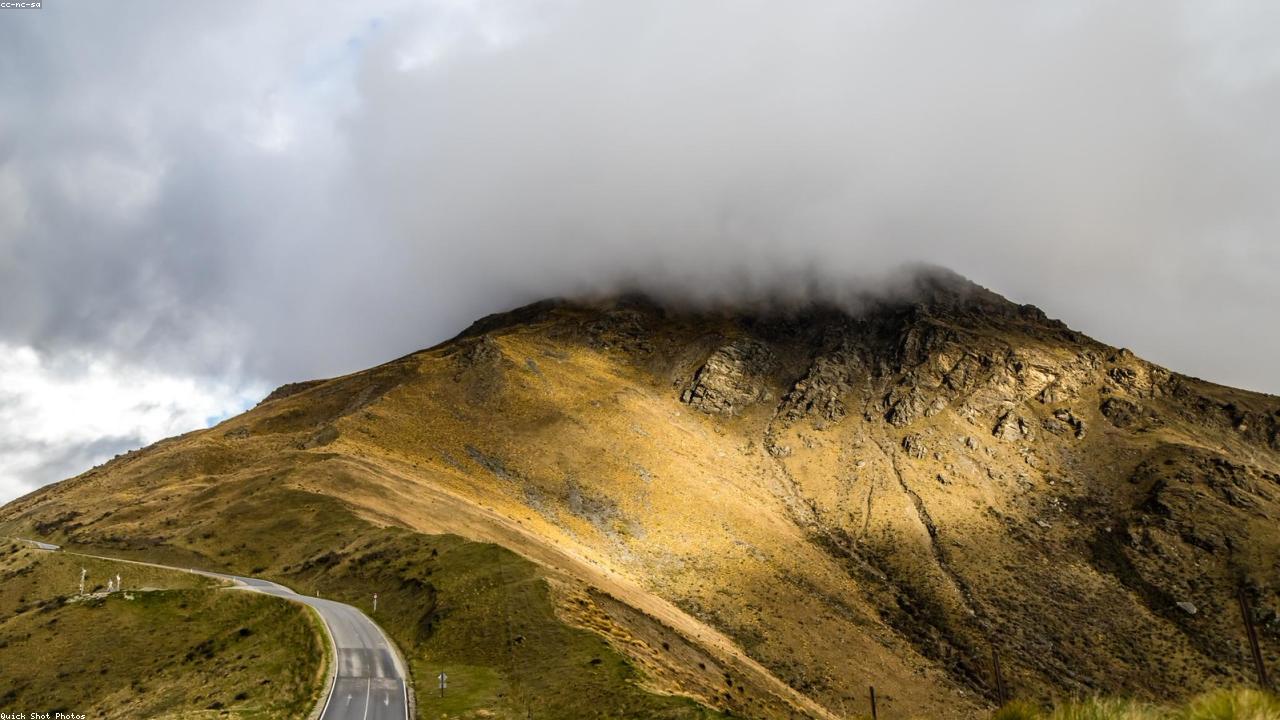
Queenstown sits on the shore of Lake Wakatipu under the jagged Remarkables peaks. It is the most adventure-sport-marketed town in the world — bungy, jet boats, paragliding, skydiving. The mountains and the lakes, however, are the actual reason to come.
By Ščenza
· updated · 4 min read
It’s 7:14 a.m. on the Queenstown Hill walking track, halfway up the steep climb above the town, and the morning light is starting to hit Lake Wakatipu below. The lake is the colour of old jade. The Remarkables — the famously vertical mountain range across the lake — are catching their first orange light on the highest peaks. The summit cairn is another twenty minutes up. There are perhaps four other walkers on the trail. By 9 a.m., there will be fifty. This is the Queenstown that justifies the long flight from anywhere — not the bungy jumping or the jet boats, but the simple fact of being in a small town surrounded by some of the most dramatic mountain landscapes on earth.
Why I keep coming back
Queenstown sits at the southern end of Lake Wakatipu, in the Southern Alps of New Zealand’s South Island. The town was a small gold-rush settlement in the 1860s, a small ski town for most of the 20th century, and has become, since the 1980s, the most marketed adventure-sport destination in the world. The bungy jump was invented here in 1988 (the original site at the Kawarau Gorge bridge is still operating).
What I keep returning for is not the adrenaline marketing but the mountain landscape itself. The Routeburn Track, the Milford Sound, the Wanaka lake, the Aspiring National Park, the Glenorchy valley — within a 90-minute drive of Queenstown there is some of the best hiking on earth.
Where to base yourself
Queenstown town for the central convenience.
Glenorchy at the head of Lake Wakatipu for a smaller, quieter base 45 minutes from Queenstown.
Wanaka 90 minutes north for the alternative base — smaller town, less adventure-sport marketing, similar mountain access.
What to actually do
Walk a track. New Zealand’s Great Walks system has several within range. The Routeburn Track (3 days, 32 km) crosses the Southern Alps between the Routeburn Shelter (near Glenorchy) and the Divide on the Milford Road. Hut bookings required and competitive — book six months ahead from October’s opening.
Day-walk options around Queenstown: Queenstown Hill (90 minutes return), Ben Lomond (a longer 6–8 hour return walk to a 1,700-m summit), Lake Wakatipu lakeshore walk.
Visit Milford Sound. A 4-hour drive west through the Fiordland National Park, ending at the fjord (technically — it was misnamed) where the granite cliffs rise vertically from black water. Best done as a 2-day trip; overnight cruises are available.
Day-trip to Wanaka. 90 minutes; the smaller lake town with the famous ‘lone tree’ that grows in the lake (#thatwanakatree), the Mount Aspiring National Park trailheads.
The adventure sports. AJ Hackett Bungy at Kawarau Gorge (the original); the Shotover Jet jet-boat ride through the canyon; the paragliding and skydiving options. If this is your priority, the marketing pitch is well-organised and easy to engage with.
Ski in winter. The Remarkables and Coronet Peak are the local fields; Treble Cone (near Wanaka) and Cardrona (between Queenstown and Wanaka) are the larger options. June–September.
Drive to Glenorchy. The 45-minute drive on the lakeshore road to Glenorchy is one of the most scenic in New Zealand. From Glenorchy, walking and horse-trekking options into the Dart and Rees valleys.
Where to eat
Queenstown has a surprisingly good food scene for a small town.
Amisfield Bistro (Lake Hayes) — Modern New Zealand; long-running excellence. Sherwood — A boutique hotel restaurant with one of the best terrace views in town. Rata — Modern New Zealand fine dining; Josh Emett’s flagship. Fergburger — The legendary New Zealand burger; queues at 11 p.m. on a Friday. Bespoke Kitchen — All-day modern brunch-and-lunch café. Pier 19 (Wanaka) — Lakefront. Bombay Palace — Surprisingly excellent Indian. Coffee at Vudu Cafe & Larder or Patagonia.
When to come
Late November through April for the summer hiking season.
December–February is the peak; January is the busiest month for international visitors.
Late March through May is the autumn — the southern beech (lenga) trees and willows turn extraordinary colours; lower crowds.
June through September is the ski season.
Practical notes
- Visa: NZeTA for most Western passports.
- Money: New Zealand dollar.
- Transport: A rental car is the practical choice for the wider region. The Queenstown airport (ZQN) has direct flights from Australia and some Asian gateways.
- Great Walk bookings: doc.govt.nz; bookings open in May or June for the following October–April season; the Milford and Routeburn fill within hours.
- The road to Milford: Long, narrow, partly seasonal (avalanche-closed in winter). Drive carefully.
- The sandflies: Real and persistent in Fiordland. Insect repellent matters.
- Weather: The Southern Alps weather changes quickly. Pack layers; check forecasts daily.
A final thought
Queenstown is the New Zealand equivalent of a popular Alpine resort town: small, beautifully sited, heavily marketed, and surrounded by mountain landscapes that significantly outpace the town’s adventure-sport reputation. The bungy jumping is real but optional; the underlying gift is the access to the Southern Alps in their full character.
A 10–14 day South Island trip — Queenstown as one base, Wanaka as another, Mt Cook, Milford Sound, the West Coast glaciers, and the bush walking in between — is among the great organised driving trips anywhere. The North Island, with Auckland, Rotorua, the Bay of Islands, and the Hobbiton movie set if you must, is a different (also rewarding) trip.
For Queenstown specifically: four nights minimum. Do at least one serious day walk. Drive to Glenorchy. Spend a day on or near Milford Sound. Eat well. The town earns its reputation; the landscape exceeds it.
If you only have a few days
5 ideal things to do in Queenstown
TSS Earnslaw to Walter Peak
Steamer Wharf, Lake WakatipuYear-round; better on a cold clear day
Launched in 1912 and still burning coal — the last commercial passenger steamship of her kind in the southern hemisphere. You can stand at the rail above the engine room and watch two men shovel, and that, not the sheepdog demonstration at the far end, is the actual attraction. She came out of a full hull and engine overhaul in 2025, so she has years in her yet. Forty minutes each way across water the colour of old bottle glass.
Kawarau Bridge, where commercial bungy began
Kawarau Gorge, east on the road towards CromwellMornings; the platform queue builds through the day
Gold-fields suspension bridge from 1880, forty-three metres above green water, and the spot where AJ Hackett turned a Vanuatu land-diving ritual into an industry in the late 1980s. You can watch from the viewing deck without jumping, and honestly the watching is better — the conversation between a nervous person and a very calm employee on that platform is the whole human condition compressed into ninety seconds. I jumped once, in my twenties, and felt no need to establish a pattern.
Milford Sound / Piopiotahi as a long day
Nearly 300 km each way, about four hours' drive via Te AnauGo on a wet day — most of the waterfalls only exist when it rains
It is a fiord, not a sound, misnamed by somebody who did not check, and Mitre Peak comes almost seventeen hundred metres straight out of the water. Six metres of rain fall here in a year, so stop hoping for sunshine and go when it is pouring, when a thousand temporary waterfalls appear down the cliffs. Break the drive at The Divide and take the Key Summit detour off the Routeburn: a steep climb to a bush-line plateau just over nine hundred metres, and the best hour of that whole road.
Arrowtown and the Chinese settlement
Twenty kilometres from Queenstown, up the Arrow RiverApril, for the poplars and the autumn festival
Everybody comes for the restored gold-rush main street. The part that stays with you is down on Bush Creek: the huts of Chinese miners who arrived in the 1870s and were pushed to live apart from the town, with Ah Lum's store still standing among them. They are tiny, stone, half dug into the bank. Walk that first and the main street reads completely differently afterwards. In April the valley goes yellow and the town becomes unrecognisably busy for a fortnight.
The road to Glenorchy
Along the western shore to the head of Lake WakatipuEarly morning, ahead of the tour vans
Forty-odd minutes of lakeside road with nowhere flat to stand and roughly eight places you will stop anyway. At the head of the lake the country opens into the Dart and Rees valleys, flat braided riverbeds under mountains that go straight up, and the scale takes a while to arrive because there is nothing familiar in the frame to measure it against. This is the drive people mean when they say the South Island. Fill the tank in Queenstown; Glenorchy is small and honest about it.
From a Split boy’s notebook
The Split lens
What reminded me of home
Small mountain-and-lake town that has built a serious adventure-tourism brand. Our Cetina canyon area outside Omiš offers similar potential (rafting, rock climbing, paragliding, the bridge bungee) but is fragmented across several small operators with limited international visibility.
What Split could borrow
Queenstown markets itself as a single adventure-capital brand globally, with multiple operators co-promoted under a town-level marketing budget. Our Omiš-and-Cetina adventure cluster has equivalent activities but no unified brand. A regional adventure-Croatia destination marketing organisation, with Omiš as the hub, would give the operators access they don't have alone.
Who can take you
Tour operators & guides to try
A short, opinionated starter list — just my humble opinion. Verify before booking.
AJ Hackett Bungyactivitywww.bungy.co.nz →
AJ Hackett Bungy is the originator of commercial bungy and operates Queenstown's three sites — the Kawarau Bridge (the historic original, 43 m), the Ledge above town (47 m), the Nevis (134 m, the largest and most dramatic). Bookings are tightly slotted; reserve online ahead. Caveat: the Nevis is genuinely terrifying — significantly more intense than the Kawarau or the Ledge. Choose by your appetite, not the height.
Intrepid Travelsmall groupwww.intrepidtravel.com →
Intrepid's New Zealand trips include Queenstown as a 2–3 night chapter on a longer South Island circuit. Group size 12–16. They handle the broader adventure-activities menu (jet boat, Milford Sound day cruise, day hikes around the Remarkables). Caveat: Queenstown's adventure-activities pricing is at the high end; if you're doing two or three of them, the cumulative cost is significant — budget specifically.
If you liked this, try these
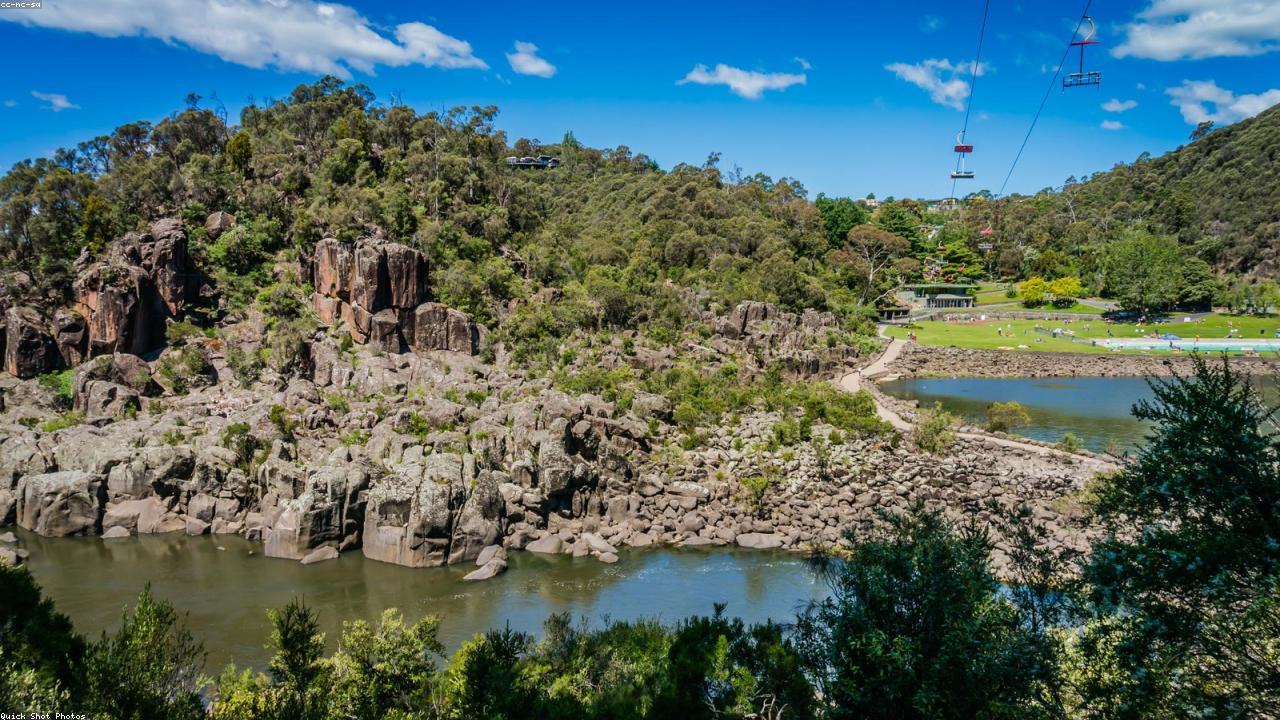
Hobart, Australia
Tasmania: Australia's island state and its wild Southwest
April 15, 2024
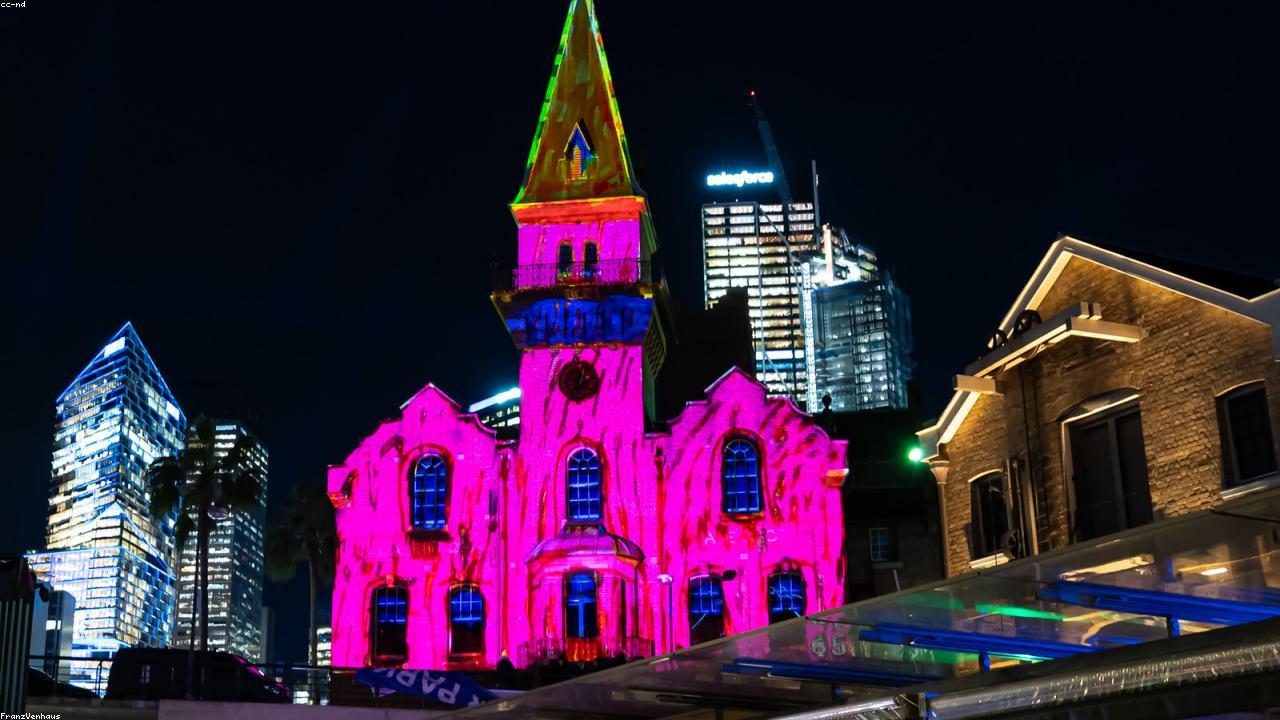
Sydney, Australia
Sydney: the harbour city and its long coastal walks
November 4, 2023
Rotorua, New Zealand
Rotorua: the geothermal North Island and the Māori heart of New Zealand
December 12, 2022