Photo: Ščenza
Rotorua, New Zealand · Oceania
Rotorua: the geothermal North Island and the Māori heart of New Zealand
Rotorua smells of sulphur. The geothermal vents are throughout the town. The Māori cultural centres are the most significant in the country. The combination — natural strangeness and indigenous depth — is the reason to come.

By Ščenza
· updated · 4 min read
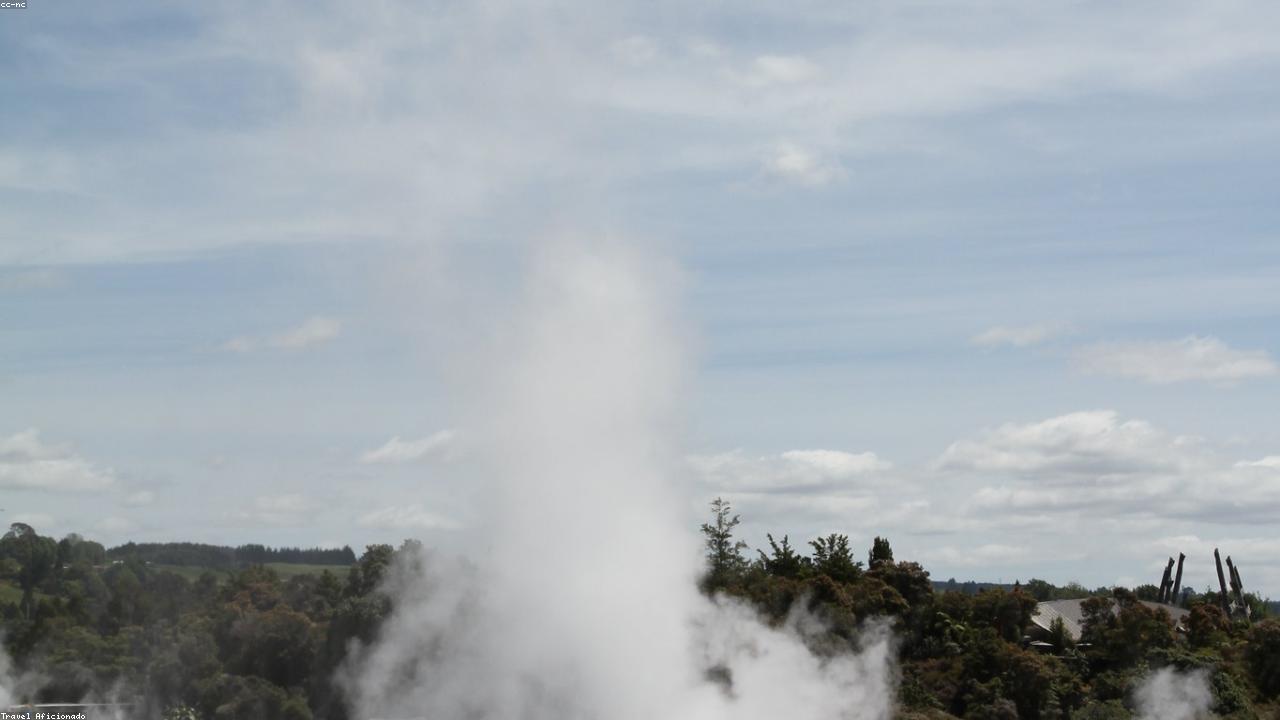
It’s 7:14 a.m. on the lakeshore promenade in central Rotorua and the steam is rising from the small geothermal vents along the edge of Lake Rotorua. The town smells faintly of sulphur — egg-and-matchsticks — and locals don’t notice it. A pair of black swans is gliding past on the water. The dawn light is hitting the volcanic plateau on the lake’s far side. This is the genuinely strange North Island, and Rotorua, more than any other town, is at the heart of it.
Why I keep coming back
Rotorua sits in the centre of the Taupō Volcanic Zone — a 350-km-long, 50-km-wide active geothermal belt running northeast across the North Island. Geysers, boiling mud pools, sulphur lakes, and active fumaroles are scattered through the town and the surrounding country. The town itself is built on the geothermal zone; some homes have boreholes that pipe natural hot water for heating.
The wider area is also the Te Arawa Māori heartland. The major iwi (tribes) of the central North Island — Te Arawa, Ngāti Whakaue, Tūhoe, and others — have their marae (meeting houses) in and around Rotorua. The combination of geothermal strangeness and Māori cultural presence is the reason the town matters.
Where to base yourself
Central Rotorua for the lakeside location and walking access.
Lake Tarawera or Lake Rotoiti for the quieter lake-side options 20–30 minutes from town.
What to actually do
Visit Te Puia. The geothermal valley with the famous Pohutu geyser (eruptions every 30–60 minutes), the mud pools, and the New Zealand Māori Arts and Crafts Institute (with the wood-carving and weaving schools). Half a day. The evening cultural performance and hāngi (Māori earth-oven meal) is the integrated experience.
Visit Wai-O-Tapu. ‘Sacred Waters’ — a thermal park 30 km south of Rotorua, with the famous Champagne Pool (the size of a small lake, colour-graduated from green to orange), the Devil’s Bath (sulphur-yellow), and the Lady Knox Geyser (which erupts at 10:15 a.m. daily, helped by a soap-flake demonstration — yes, really).
Walk the Redwoods (Whakarewarewa Forest). A forest of California Redwoods (planted in 1901), with extensive walking and mountain-biking trails. The Redwoods Treewalk is a series of suspension bridges at canopy level.
Visit a marae. A Māori meeting house and ceremonial grounds. Visits are typically guided and follow specific protocols. Whakarewarewa Living Māori Village is the most accessible (an actually-lived-in village with thermal cooking demonstrations and family-run tours).
Take a hot soak. Polynesian Spa on the lakeshore is the long-running geothermal-pool complex with multiple hot pools at varying temperatures. Hell’s Gate has a more rustic geothermal mud-bath experience.
Day trip to Hobbiton. 90 minutes’ drive west to the Lord of the Rings / The Hobbit film set in Matamata. Touristy and well-done; the set was preserved after filming as a deliberate tourism asset.
Day trip to Lake Taupō and Huka Falls. An hour south; the largest lake in New Zealand, the dramatic Huka Falls on the Waikato River, and the more remote geothermal areas at Orakei Korako and Craters of the Moon.
Where to eat
Atticus Finch — Modern New Zealand, the local fine-dining choice. Eat Streat (Tūtānekai Street) — A short downtown strip of mid-range restaurants. Hāngi at Te Puia or Mitai Māori Village — The traditional earth-oven Māori meal as part of the cultural performance dinner. Lime Caffeteria — Reliable lunch and coffee. Capers Café & Store — Brunch staple.
When to come
October through April for the summer; pleasant temperatures, longer days.
December–February is high season.
The winter is mild (8–14°C); the hot pools are best in the cold months.
Practical notes
- Visa: NZeTA.
- Money: NZ dollar.
- Transport: A car is the practical choice. The Rotorua airport is small; many visitors drive from Auckland (3 hours) or Wellington (5 hours).
- The smell: Real, persistent, mostly hydrogen sulphide. You stop noticing within a day.
- Māori cultural protocol: The cultural shows are professionally run but include some real protocols (the pōwhiri welcome, the hongi nose-pressing greeting). Follow the guide’s lead. Don’t sit on tables (a tapu / sacred restriction); don’t photograph during the karakia (prayer); take shoes off before entering the wharenui (meeting house).
A final thought
Rotorua is the North Island’s strangest and most culturally significant small town. The geothermal landscape — geysers, mud pools, hot lakes — is genuinely otherworldly. The Māori cultural depth is real and accessible in ways that visitors to most countries do not have. The combination is the trip.
A standard North Island itinerary combines Auckland (1–2 nights), Rotorua (2–3 nights), and Wellington or the Bay of Islands (2–3 nights). For a deeper New Zealand visit, combine with the South Island (Queenstown, Milford, Mt Cook) over 14–21 days. Rotorua is not the country’s most beautiful town but it is, in my view, the most culturally and geologically distinct in the North Island, and worth at least three nights of patient attention.
If you only have a few days
6 ideal things to do in Rotorua
Whakarewarewa, the Living Māori Village
Southern edge of town, in the Whakarewarewa geothermal valleyAround midday, when the steam boxes are being used for lunch
People live here, and that is the entire distinction: the guides are residents, the hot pools in the back gardens are used for laundry and for cooking corn in flax bags, and Te Pākira marae in the middle is a working marae rather than a set. You are a guest walking down somebody's street, which changes how you behave and ought to. The corn comes out of a geothermal pool tasting faintly of sulphur. I have thought about that corn more often than is reasonable for a man of my age.
Pōhutu geyser and the carving school at Te Puia
Te Whakarewarewa Valley, a few minutes south of the town centrePōhutu goes roughly once an hour; give yourself the wait
Thirty metres of boiling water on a roughly hourly schedule, which sounds dependable right up until you are standing on a silica terrace in a cold wind at minute fifty-eight, suspecting you have been misled. You have not. The other half of the site is the New Zealand Māori Arts and Crafts Institute, where carving and weaving are taught as trades to students who will go on to work on actual marae. Watching a nineteen-year-old take a chisel to a slab of tōtara is much quieter than the geyser and stayed with me a good deal longer.
Wai-O-Tapu Thermal Wonderland
27 km south of Rotorua, off State Highway 5First thing; the Lady Knox geyser draws a coachload mid-morning
Champagne Pool is the one to see: a wide steaming spring with a rim of orange mineral crust that looks painted on, in a park that also contains a sulphur-yellow crater called the Devil's Bath, a colour no serious person would choose for anything. The Lady Knox geyser nearby is set off with soap flakes at an advertised hour, which reads either as genuine local history or as pure theatre depending on the mood you arrived in. I have arrived in both moods and preferred the second one.
The Redwoods, Whakarewarewa Forest
Long Mile Road, five minutes from the town centreAny time; the canopy walkway has a lantern-lit night version
Californian coast redwoods planted in 1901 as a forestry trial, now enormous, standing over a floor of native tree ferns — a combination that exists nowhere in California and nowhere else in New Zealand. The ground-level tracks are free and beautifully graded. The suspension-bridge walkway up in the canopy is not free and earns it, particularly after dark under the timber-and-paper lanterns. Bring a layer: it is several degrees colder under those trees than in the car park, a fact I established in a T-shirt.
Rafting the Kaituna over Tutea Falls
Ōkere Falls, about twenty minutes north of RotoruaYear-round; the river is lake-fed and does not wait for rain
Seven metres is the drop at Tutea Falls, and it is the highest waterfall commercially rafted anywhere on earth. Trips have run this gorge since 1991, so the guides have it down to a script, including the part where they tell you the raft will probably flip and then it does. Ours did. I surfaced under the upturned boat, which is precisely where they warn you that you will surface, and was hauled back in by the shoulder straps like a large and ungrateful fish. Ninety minutes on the water, most of it spent laughing.
A soak at the Polynesian Spa
Hinemoa Street, on the Lake Rotorua shoreAfter dark in winter, when steam is lifting off the lake
Priest Spring is the acidic one, named for a nineteenth-century Catholic priest whose arthritis it apparently sorted out; Rachel Spring is alkaline and leaves your skin feeling strange and good for a day afterwards. Both feed a run of lake-edge pools stepped by temperature, so you shuffle along until you find the hottest one you can stand and stop there. Go in July, in the dark, with sulphur in the air. It is the strongest argument I know for a town that smells the way this one does.
From a Split boy’s notebook
The Split lens
What reminded me of home
Geothermal town with a strong indigenous-cultural identity and a daily bath-pool culture. The Polynesian Spa baths and the Māori cultural villages are the kind of integrated heritage-and-wellness offer that we could build around our Solin Roman bath ruins and the surrounding Roman archaeology.
What Split could borrow
Rotorua's Māori cultural villages are owned and operated by iwi (tribal communities), not by outside operators. The cultural-heritage tourism revenue returns to the community whose heritage is being shared. Our Dalmatian-village experiences (peka dinners, klapa evenings) are too often run by outside operators. A protected community-owned-village-experience framework would fix this.
Who can take you
Tour operators & guides to try
A short, opinionated starter list — just my humble opinion. Verify before booking.
Intrepid Travelsmall groupwww.intrepidtravel.com →
Intrepid's North Island New Zealand itineraries include Rotorua as a 1–2 night chapter alongside Auckland, Wellington, and the Tongariro Crossing. Group size 12–16. The Rotorua portion covers Wai-O-Tapu, a Māori cultural evening with a hāngi dinner, and a redwoods walk. Caveat: the Māori cultural performances vary in authenticity across providers; ask specifically which marae or village hosts the experience.
Tamaki Māori Villagespecialistwww.tamakimaorivillage.co.nz →
Tamaki Māori Village is the long-running Māori cultural-experience operator near Rotorua — the evening pōwhiri welcome, the traditional hāngi feast cooked in the earth oven, the cultural performance, and an overnight stay option in the village. The standard is high; the staff are tribal members rather than performers. Caveat: the format is theatrical (it is, by design, a staged experience) but it's done with cultural integrity. For lived-in daily Māori life rather than performance, the Whakarewarewa Living Village is the alternative.
If you liked this, try these
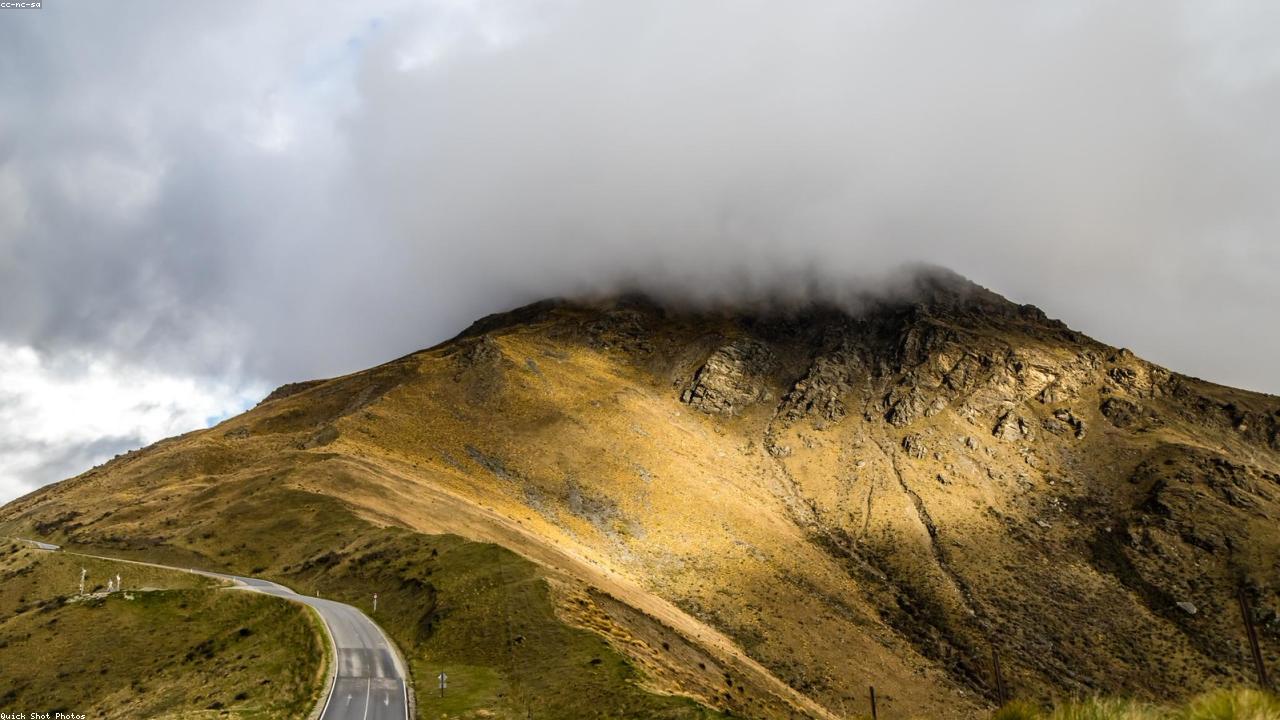
Queenstown, New Zealand
Queenstown: the New Zealand adventure capital between the lake and the peaks
December 4, 2022
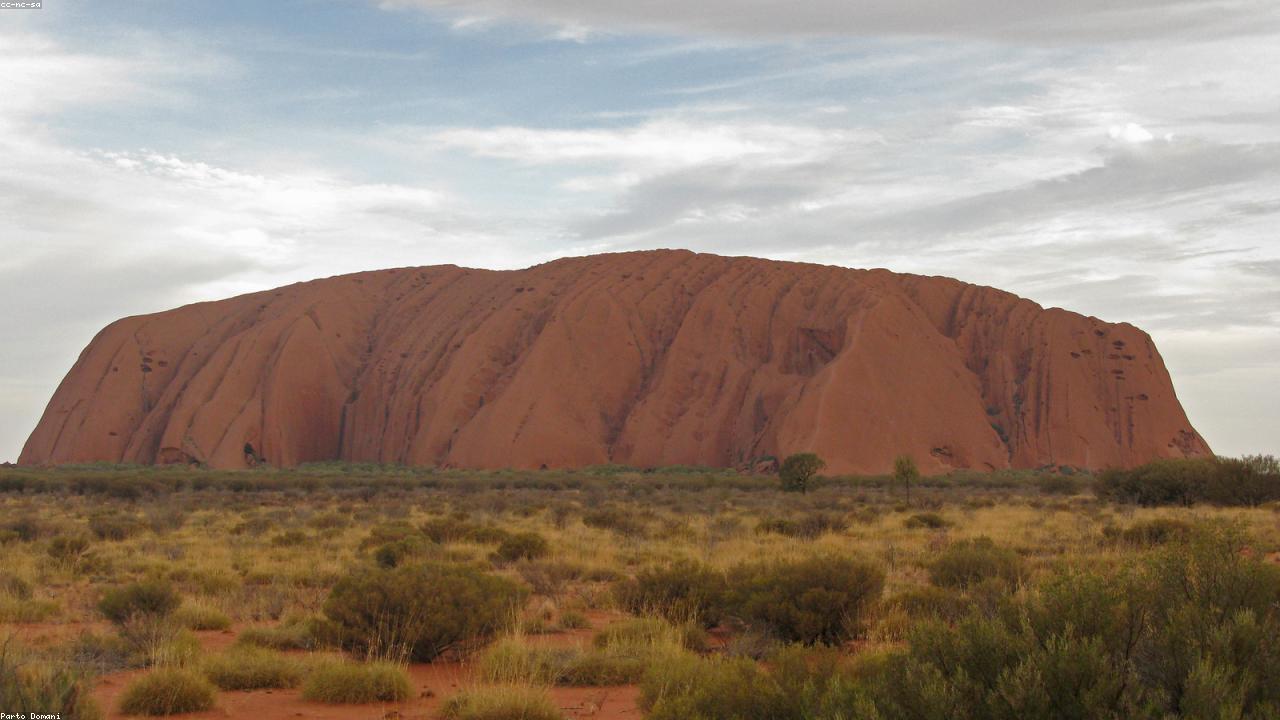
Yulara, Australia
Uluru: the desert monolith at the heart of Australia
September 24, 2022
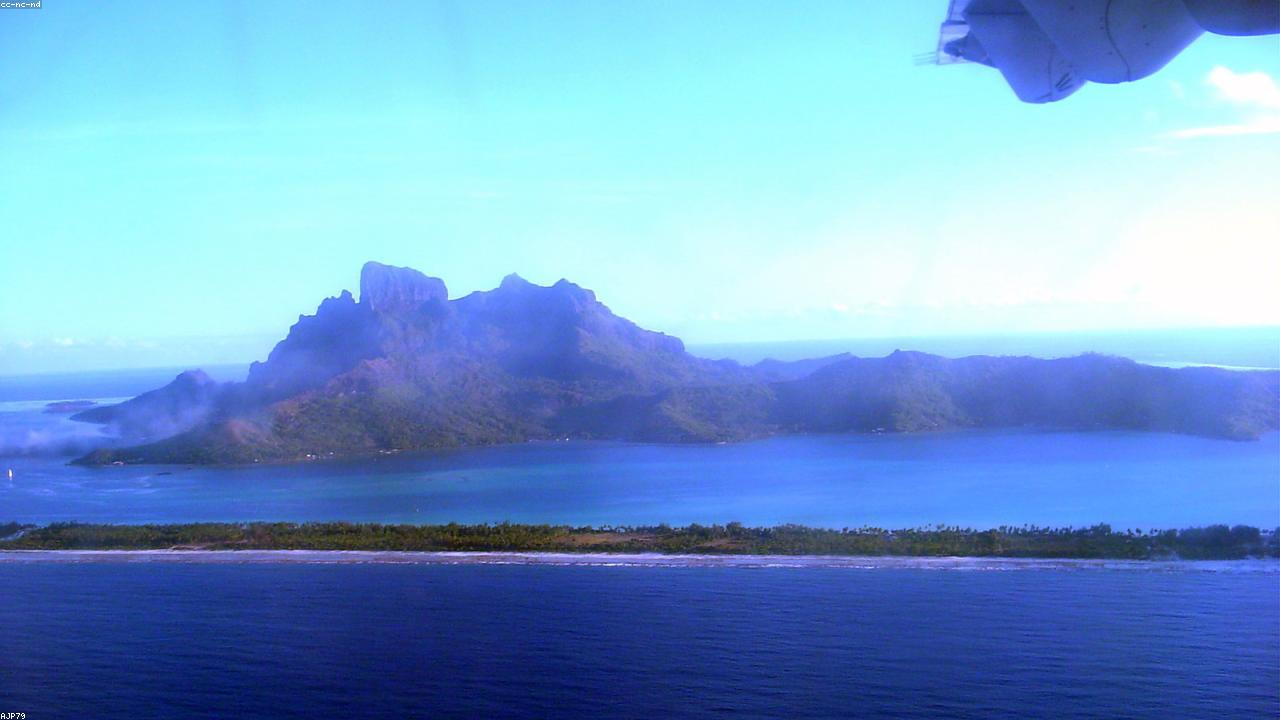
Papeete, French Polynesia
Tahiti and the Society Islands: French Polynesia at island time
June 15, 2021