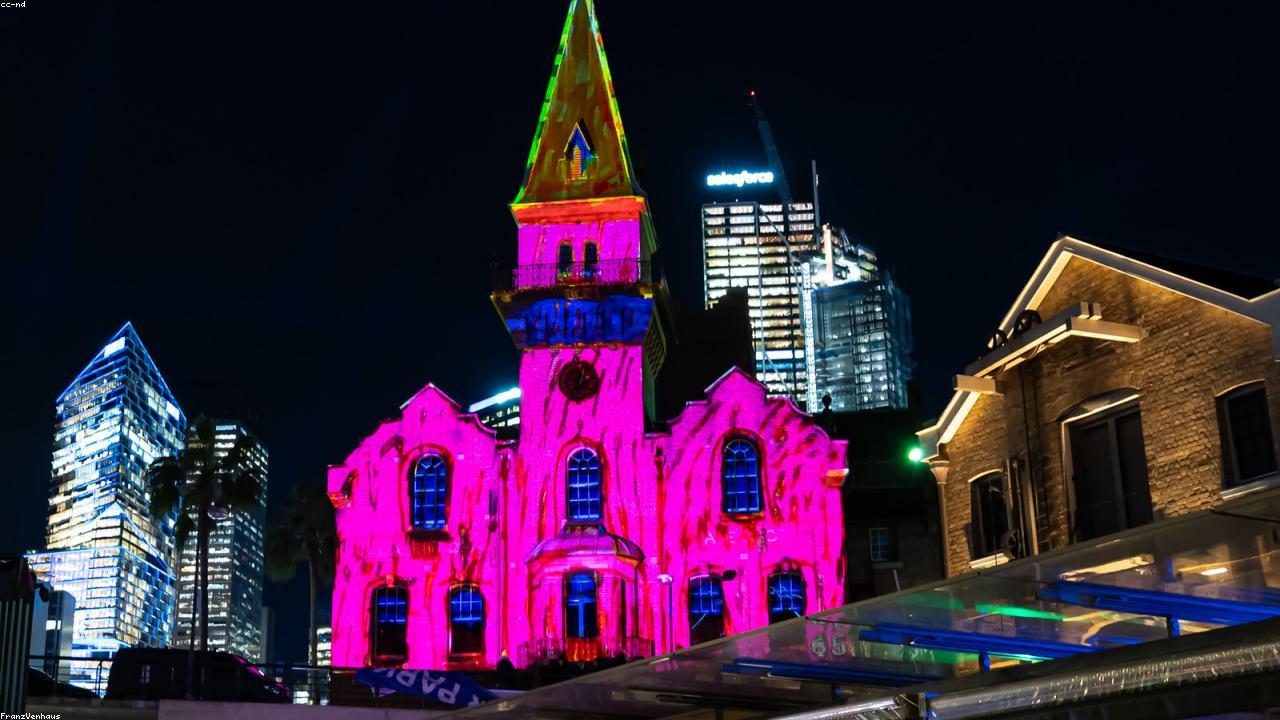
Photo: Ščenza
Sydney, Australia · Oceania
Sydney: the harbour city and its long coastal walks
Sydney is one of the most photogenically sited cities on earth — the harbour, the opera house, the bridge, the beaches at Manly and Bondi. The city becomes legible through its coastal walks, which connect the urban grid to the Pacific in a way few capitals can match.
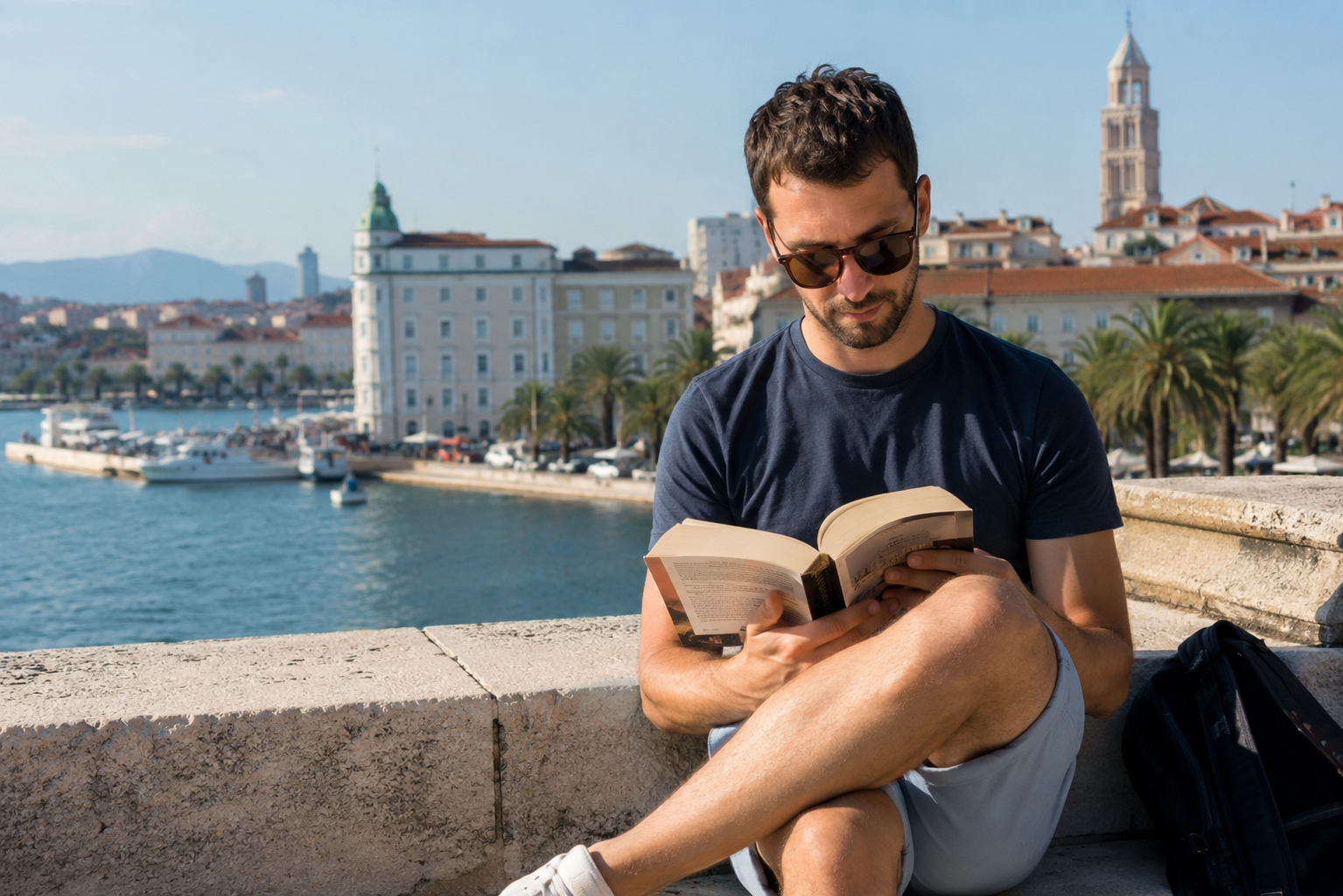
By Ščenza
· updated · 4 min read
It’s 6:42 a.m. on the Bondi-to-Coogee coastal walk and I’m at the rocky headland just south of Bronte Beach. The Pacific is doing the Australian thing — five-foot rollers coming in from somewhere in the southern ocean, the water the colour of old glass, a few wetsuited surfers paddling out from the small Bronte break. The walk continues along the cliffs for another 4 km to Coogee, past a small cemetery at Waverley with views down to the sea. This is the Sydney I keep coming back for.
Why I keep coming back
Sydney’s gift is its geography. The harbour is a drowned river valley with a complicated coastline of headlands, coves, and bays; the Pacific coast runs north and south of the harbour mouth with a series of beaches separated by sandstone cliffs. The city’s central business district is on the harbour; ferries from Circular Quay connect to the residential suburbs across the water. The result is a city of about 5 million that is, somehow, never far from a beach or a harbour view.
The food culture has matured significantly over twenty years — the cafe-and-brunch culture is among the best in the world, and the contemporary Australian fine-dining scene has produced several globally significant restaurants.
Where to base yourself
The CBD for the central convenience.
Surry Hills, Darlinghurst, or Paddington for the inner-east neighbourhood-walking experience.
Bondi for the beach-and-cafe scene, with the trade-off of being 30 minutes from the centre.
Manly across the harbour, for the ferry-commute beach-suburb feel.
What to actually do
Walk the Bondi-to-Coogee coastal path. 6 km from Bondi Beach south along the cliffs to Coogee Beach. Allow 2–3 hours with stops at Tamarama and Bronte beaches. Best in the morning.
Take the Manly ferry. The 30-minute ferry from Circular Quay to Manly is one of the great urban commutes. Get a window seat. The fare is around AU$10.
Climb the Harbour Bridge. BridgeClimb operates the iconic harness-and-jumpsuit climb to the top arch of the bridge. Touristy and worth it for the view; allow 3 hours; around AU$300.
Walk through the Royal Botanic Garden to Mrs Macquarie’s Chair. The headland viewpoint with the postcard view of the Opera House framed by the Harbour Bridge. Free.
See the Opera House. Take a guided tour of the interior; the building is, structurally, more interesting inside than its iconic shell suggests. The smaller concert halls have regular performances.
Day-trip to the Blue Mountains. Two hours west by train. The sandstone canyon-cliffs of Katoomba, the Three Sisters formation, the small mountain towns. A full day; the Scenic World cable car is the easy access.
Spend an afternoon at Taronga Zoo. The harbour-side zoo with the famous view back across to the city. Ferry from Circular Quay. The Australian native-animal sections are the highlight.
Walk in the Royal National Park. South of the city; the world’s second-oldest national park (1879); coastal walks through eucalyptus forest, sandstone cliffs, secluded beaches.
Where to eat
Quay — Peter Gilmore’s three-Chef-hat (Australia’s Michelin equivalent) restaurant; harbourside. Bennelong — Inside the Opera House; modern Australian. Tetsuya’s — Long-running Japanese-influenced contemporary Australian. Mr. Wong — Modern Chinese-Australian; reservations. The Apollo — Modern Greek-Australian in Potts Point. Sean’s Bondi — Bondi institution; small menu, the best of seasonal cooking. Bills Surry Hills — Bill Granger’s original; the famous scrambled eggs and ricotta hotcakes (the Sydney brunch defines the genre). Pizza al taglio at Da Mario in Surry Hills. Coffee anywhere — Sydney’s coffee culture is one of the world’s best; the standard flat white at any neighbourhood café is excellent.
When to come
Late September to early December (spring) or March to May (autumn). Pleasant temperatures (20–25°C).
December through February is summer; hot (sometimes 35°C+) and crowded with the holiday season; January is the busiest month.
Winter (June through August) is mild (12–18°C) and pleasant by Northern Hemisphere standards; whales migrate offshore from May to November.
Practical notes
- Visa: ETA for most Western passports; apply online before flying.
- Money: Australian dollar; card universally.
- Transport: The Opal card is the universal transit card; loadable, used on trains, ferries, buses, and the light rail. The ferries are particularly useful and a pleasure.
- Sunscreen: Australia has the highest skin-cancer rates on earth. The UV index in summer is consistently extreme. Apply, regularly, generously.
- The cost: Sydney is expensive. Mid-range dinner for two with wine is AU$200–300.
- The beach surf: Australian beaches are surf-and-rip-current zones. Swim between the red-and-yellow flags where lifeguards patrol. Don’t underestimate the Pacific.
A final thought
Sydney is one of the most consistently pleasant major cities I have travelled to. The geography is the standout — few major cities are so woven into a coastline — and the lifestyle infrastructure (the coffee culture, the beaches, the ferries, the parks) makes the city’s daily life unusually accessible to the visitor.
Five nights minimum. Walk Bondi-to-Coogee. Ferry to Manly. Eat at one ambitious restaurant. See a performance at the Opera House. Walk in the Royal National Park or the Blue Mountains. The city earns its global reputation, slowly, and rewards a longer stay more than a sprint.
If you only have a few days
7 ideal things to do in Sydney
The Bondi to Coogee coastal walk
Eastern beaches; buses run back from CoogeeEarly morning. Check the surf report if you intend to swim on the way
Start at Bondi and head south — Tamarama, Bronte, then the boardwalk laid along the edge of Waverley Cemetery, where Henry Lawson and Dorothea Mackellar lie under white Carrara marble on a clifftop above the Tasman. Six kilometres, two or three hours with stops, and every headland hands you a different piece of the Pacific. Go in that direction rather than the reverse: it puts the sun behind you and delivers the ocean pools in the right order.
The F1 ferry to Manly
Circular Quay to Manly, out past the HeadsWeekends and public holidays, if you want the older Freshwater-class boats
Seven nautical miles, about half an hour, and for two or three minutes near the Heads the harbour swell turns into genuine ocean swell and the entire deck goes quiet. This is a commuter service, not a cruise, and it is priced and timetabled accordingly. Two of the older Freshwater-class vessels still work weekends and they take the chop far better than the newer wave-piercers. Sit outside going over, inside coming back, once the wind has found you.
Swim at the Bondi Icebergs pool
The south end of Bondi BeachNot Thursdays — the pool is drained and scrubbed
Waves break straight over the wall into the lane you are swimming in. That is what an ocean pool is for, and it takes about two lengths to stop being alarming. The club was founded in 1929 by lifesavers who wanted a way to stay fit through winter, and the original membership rule demanded swimming three Sundays out of four for five years. The pool itself is open to anybody. The water in August is cold in a manner the Adriatic has never once managed.
Naala Badu and the Tank at the Art Gallery of New South Wales
The Domain, above WoolloomoolooHalf a day. General entry costs nothing
Naala Badu — 'seeing waters' — is the SANAA-designed north building that opened in December 2022 and close to doubled the gallery's floor area. The part that stopped me was underneath it: the Tank, a decommissioned wartime naval oil bunker converted into a black, columned gallery with the original concrete pillars left standing exactly where the navy poured them. The Aboriginal and Torres Strait Islander collection is the reason to come and then the reason to come back.
Katoomba, the Three Sisters and Scenic World
Blue Mountains, about two hours west by trainA full day. The cliffs cloud over by mid-afternoon in summer
Katoomba is a two-hour train ride and then a short walk to a cliff edge with the Jamison Valley dropping out from under you and the Three Sisters standing off to the left. Scenic World runs an incline railway originally built in the 1880s to haul coal, now the steepest passenger railway going, at a gradient that pins you into the seat and rearranges your opinion of gravity. Take it down, walk the valley boardwalk through the rainforest, come back up on the cableway. The walking is the point; the machinery is the excuse.
The Pylon Lookout on the Sydney Harbour Bridge
South-east pylon, entered from the bridge footway at The RocksAny clear day
About two hundred steps inside the south-east pylon and you come out on top of it with the whole harbour spread out — Opera House below, ferries crossing under you, the arch running up overhead. BridgeClimb takes you higher, in a jumpsuit, on a wire, for a great deal more money and three and a half hours of your life. The pylon takes twenty minutes and a fraction of the cost. I have done both, and only one of them do I recommend to people who are not already certain they want it.
Cockatoo Island (Wareamah)
Middle of Sydney Harbour; ferries from Circular QuayA day trip, or camp overnight on the island
Wareamah sits in the middle of the harbour and was a convict prison from 1839, then a shipyard until 1991, and it is now a World Heritage site you can walk onto for nothing off a public ferry. The Fitzroy and Sutherland dry docks are still cut down into the sandstone. Around twenty thousand people a year camp here — on grass, on an island, twenty minutes from the CBD — which is the sort of arrangement I keep failing to imagine anyone permitting on our own islands.
From a Split boy’s notebook
The Split lens
What reminded me of home
Harbour city where the daily commute is partly by ferry and the cultural life is partly outdoors all year. The Sydney–Manly ferry is structurally what a proper Split–Brač commuter ferry would be — a thirty-minute working transit that locals also enjoy as part of the daily life.
What Split could borrow
Sydney's coastal walks — the Bondi-to-Coogee path in particular — are paved, well-signed, and woven into the city's daily life rather than tourist-only. Our equivalent (the Marjan peninsula path) is rougher and less continuous. A Sydney-class coastal walking infrastructure along our peninsula would be one of the city's lasting improvements.
Who can take you
Tour operators & guides to try
A short, opinionated starter list — just my humble opinion. Verify before booking.
Intrepid Travelsmall groupwww.intrepidtravel.com →
Intrepid's Australia trips treat Sydney as a 2–3 night gateway in or out of a longer East Coast itinerary. Group size 12–16. The Sydney portion is competent — the Bondi-to-Coogee coastal walk, Manly ferry, an Opera House interior tour. Caveat: Sydney is structurally easy to self-guide; reserve Intrepid for the longer East Coast trip rather than as a Sydney-only operator.
Sydney Architecture Walksspecialistwww.sydneyarchitecture.org →
Sydney Architecture Walks is the specialist outfit run by working Sydney architects — the modernist CBD walk, the Opera House interior walk, the Indigenous-architecture walk. Groups around 12. Pick this over the standard harbour-and-bridge tours if you care about the built environment. Caveat: not the right operator for the beach-and-coastal Sydney experience; pair with a self-guided Bondi-to-Coogee morning and a Manly ferry afternoon.
If you liked this, try these

Melbourne, Australia
Melbourne: the laneway city of coffee and contradiction
November 12, 2023
Vancouver, Canada
Vancouver: the rainforest city between the sea and the mountains
August 8, 2023
Hobart, Australia
Tasmania: Australia's island state and its wild Southwest
April 15, 2024