Photo: Ščenza
Seville, Spain · Europe
Seville at dusk: the Andalucian city that drinks its evenings slowly
Seville is a city where the afternoon doesn't really happen — it's too hot — and the evening doesn't really begin until 9. Plan accordingly. The four hours between then and midnight are when everything that matters in this city actually happens.
By Ščenza
· updated · 5 min read
I was in Seville in April 2019, the week before Semana Santa, with the orange blossom on every breeze and the heat already touching 30 degrees by midday. A woman at the next table at La Brunilda was, with no apparent ceremony, eating four small plates and drinking a glass of cold manzanilla in a thirty-degree dining room with her sister and her aunt, all of them talking at the same time. They had been there since 8. They left at 11:30. They did not seem in a hurry to leave then. This is the operating logic of an Andalusian evening.
Why I keep coming back
Seville is one of the few European cities where the climate genuinely structures the day. Mornings are for getting things done. Afternoons (1 p.m. to 6 p.m.) are for hiding. Evenings are for the city’s actual social life — tapas crawls, flamenco bars, walks along the river, late dinners that aren’t really dinners but extensions of the bar-hopping.
The city itself is one of the most architecturally rich in southern Europe — Moorish, Christian, Renaissance, Baroque, all laid over each other with the patina of eight centuries of contested history. The Real Alcázar is one of the great surviving palaces of Islamic Spain. The cathedral is the largest Gothic cathedral on earth.
And the food. Andalusian cooking is one of Spain’s most underrated regional cuisines: cold soups (ajo blanco, gazpacho), fried small fish (pescaíto frito), pork in every form, and the jamón ibérico from the Sierra de Aracena nearby.
Where to base yourself
Santa Cruz (the old Jewish quarter) for the postcard streets and the proximity to the cathedral.
Alfalfa or Alameda de Hércules for a younger, more local feel.
Triana across the river, the historically gypsy and flamenco quarter, now a residential neighbourhood with great bars and a calmer pace.
What to actually do
Visit the Real Alcázar early. Buy tickets online — the queue is now consistently two hours in season. The 9:30 a.m. slot gives you the Mudejar courtyards and the gardens before the heat. Pay the extra for the Cuarto Real Alto — the upper royal rooms — which are open by separate timed entry and have a fraction of the visitors.
Climb the Giralda. The cathedral’s bell tower, originally a minaret of the Almohad mosque, with a ramp instead of stairs (so that the muezzin could ride a horse up). The view from the top is the postcard view of the city.
Spend a morning at the Cathedral and Columbus’s tomb. The size is the experience. The retablo at the high altar is the largest gilded altar piece in Christendom. Columbus’s tomb, held up by four crowned figures, is the city’s monument to its colonial wealth.
Hear flamenco at a proper peña. Not the dinner-show tablaos. The peñas are small flamenco-aficionado clubs; Casa de la Memoria in the centre does smaller authentic performances, La Carbonería is the bar to know. The flamenco tablaos are real performances; the peñas are where the genre is actually living. In Triana, ask at the bars.
Walk across the river at sunset. The Puente de Triana, the Puente de Isabel II, with the light catching the cathedral. The Calle Betis along the Triana river-front for the evening drink with the city across the water.
Where to eat
Tapas in Seville is a verb. You don’t go to a tapas restaurant; you go on a tapas crawl. Two or three bars in an evening, two or three small plates and a glass at each, the walk between as much the point as the food.
Bar Alfalfa (Alfalfa) — Tiny, cluttered, the montadito of pork loin in mustard sauce, the cold tomato salad.
La Brunilda (Centre) — Modern tapas, walk-in only, queue forms at 8:30 p.m. Worth it.
Bodega Santa Cruz Las Columnas — Old-school, foot traffic from the cathedral, the bartender writes your bill in chalk on the bar in front of you.
Eslava (Alameda) — A modern bar with classic tapas-bar pricing and quality; the egg-on-cake (huevo sobre bizcocho) is the dish.
Sal Gorda — Tiny, modern, run by friends, the prawn rice and the salt-cod fritters.
Casa Robles — More formal Andalusian, the proper version of the regional cooking. Slightly tourist-leaning; still good.
When to come
Mid-March to early May, or October to mid-November. The two windows when Seville is at its best — pleasant temperatures, the orange blossom in spring, the jamón season after pig harvest in autumn.
Semana Santa (Holy Week before Easter) is one of the most spectacular religious processions in Europe; you’ll need to book months ahead and the city is at full capacity. The Feria de Abril, two weeks after Easter, is the city’s flamenco-and-horses spring fair; an extraordinary thing to witness, also bookings months ahead.
Summer (June–early September) is brutal: 40°C+ at midday, the city largely indoors. Don’t.
Practical notes
- Visa: Schengen.
- Money: Card almost everywhere; cash useful at the smaller bars.
- Transport: Walkable city. The Metro is small. The tram serves a useful axis from the centre.
- Tapas etiquette: Stand at the bar. Order a glass and a tapa. Move on after two or three. Don’t sit at a table unless you mean to stay an hour.
- Sherry: Seville is at the gateway to the Sherry triangle. Drink manzanilla with seafood (cold, dry, salt-air); fino with charcuterie; oloroso later in the evening; Pedro Ximénez with dessert or as one.
- The April Fair: A private event with public access; the casetas are mostly invited-only and 95% of public casetas will not let you in. Stand outside, watch the horse parades, enjoy the public bars.
A final thought
Seville taught me, more than any city I’ve spent time in, the value of the long deferred evening. The afternoons in summer are unworkable here, and the city has, over centuries, simply ceded them to the heat. You sleep, you read, you stay indoors, and you wait. The pay-off is that the evenings, once they start, are slow and unhurried in a way that an American or northern European visitor will at first find strange and then come to find essential.
The orange trees are the city’s signature. They line nearly every street in the old town. They flower in March and the smell — sharp, sweet, instantly identifiable — carries all over the city for two weeks. The fruit is bitter, used mostly to make British marmalade in the spring (the marmalade-orange shipments from Seville go to a single factory in Dundee, a quirk of the world). You will not eat the fruit, but you will remember the smell for the rest of your life. This is, I think, the kind of memory the great travel cities give you. Not a list of monuments. A smell.
If you only have a few days
7 ideal things to do in Seville
The Real Alcázar at opening, plus the upper royal rooms
Santa Cruz, beside the cathedralFirst slot of the day; book weeks ahead in spring
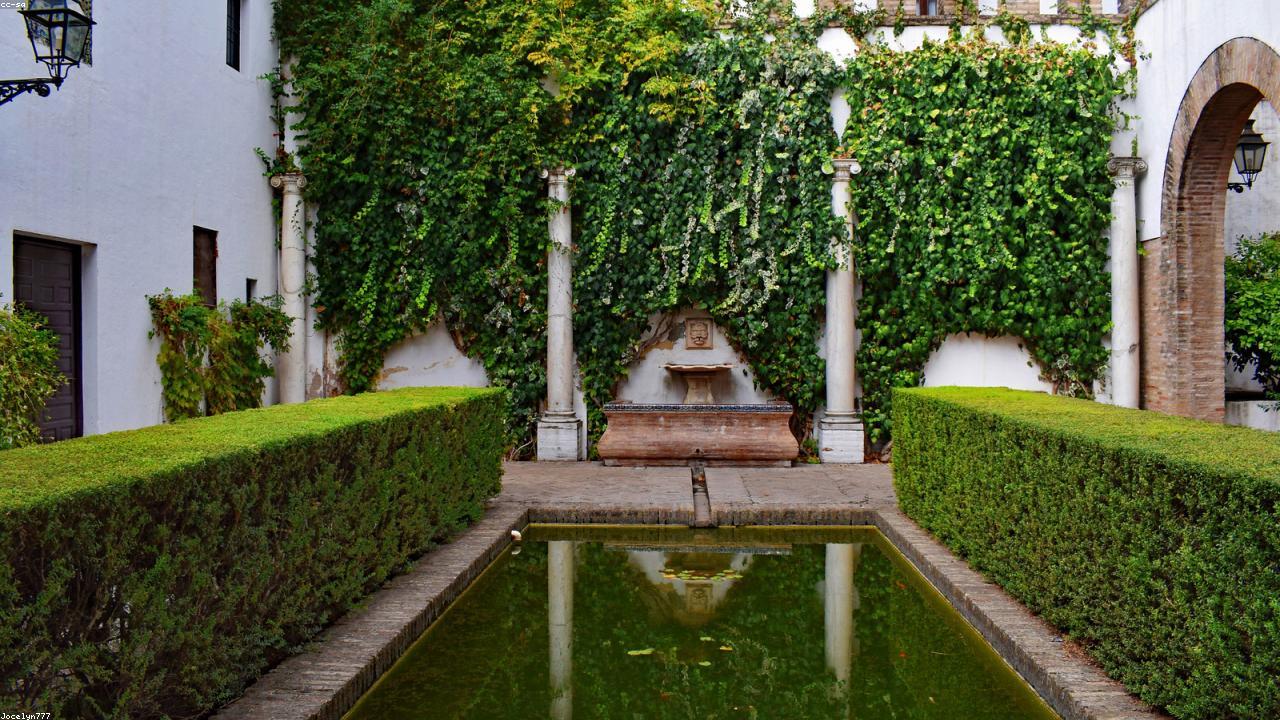
Pedro I built his palace here in the 1360s using craftsmen from Granada and Toledo, which is why a Christian king's throne room carries Arabic inscriptions praising God and nobody at the time appears to have minded. The Patio de las Doncellas is the photograph; the Patio del Yeso, Almohad and far older, is the courtyard I return for. Pay separately for the upper apartments — the royal family still uses them when they are in town — and you get a timed visit with about eight other people while the queue downstairs does what queues do.
Climb the Giralda by its ramps
Seville Cathedral, Avenida de la ConstituciónStraight after the cathedral opens
No stairs: thirty-five ramps, because the Almohad builders who finished the minaret in 1198 wanted the muezzin to ride up rather than walk. The result is the gentlest famous climb in Europe — round and round a hollow core, the light changing at every opening, quietly overtaking people who had braced for something worse. The bells at the top are enormous and will go off beside your head if your timing is poor. Mine was.
Casa de Pilatos
Between Alfalfa and San IldefonsoMornings; the Medinaceli family still lives upstairs
Half the tour groups in Seville never find this one, which is how a courtyard holding two dozen Roman busts and a Greek Athena stays quiet on an October morning. It is a sixteenth-century duke's house that could not choose between Mudéjar tilework and Italian Renaissance marble, so it has both, in the same rooms, arguing. The upper floor is a separate guided visit and contains a ceiling that made me sit down. The gardens are small and full of orange trees, which in this city is not a distinguishing feature.
Plaza de España and the Parque de María Luisa
South of the old town, along the river sideEarly morning, or the last hour before sunset
Aníbal González built this half-circle for the 1929 Ibero-American Exposition and gave every Spanish province its own tiled alcove, with the result that every Spaniard who visits walks straight to their own and photographs it. Cross the bridges over the canal, then keep going into María Luisa park behind, where the paths go dark under old ficus trees and the temperature drops several degrees. In August that difference is the entire reason the park exists.
Mercado de Triana, and the castle underneath it
Plaza del Altozano, Triana, across the bridgeLate morning, before the fish counters pack up
Fish, ham, olives, cheese and a dozen counters where you eat standing — a working market first and a tourist one second, still, just about. Underneath are the excavated foundations of the Castillo de San Jorge, seat of the Spanish Inquisition for three centuries, now an interpretation centre you can walk into. Buying prawns directly above the cells of the Inquisition is a thoroughly Sevillian arrangement, and nobody behind the counters finds it worth remarking on.
Flamenco at Casa de la Memoria
Calle Cuna, in the old townBook the same morning; the room is very small
Not a dinner show: a small room, no food, no amplification, an hour of cante, guitar and one dancer close enough that you feel the boards through your shoes. Casa de la Memoria has been doing this on Calle Cuna for years and sells out most nights. If you want the deeper version, the peñas across the river in Triana are where the form actually lives, but they are clubs and you need someone to bring you. Start here. I did, and I had been comfortably wrong about flamenco for two decades before that.
Itálica, at Santiponce
9 km north-west; city bus from Plaza de ArmasMorning, before the sun gets into the amphitheatre bowl
Trajan was born here and Hadrian's family came from here, and because no modern town was ever built over the top, you walk on Roman streets with the mosaics still in place — birds, planets, Neptune — under open sky. The amphitheatre seated twenty-five thousand and you can go down into the pit beneath the arena floor. I grew up between Diocletian's palace and Salona, so I turned up smug about Roman ruins, and Itálica removed the smugness in roughly eleven minutes.
From a Split boy’s notebook
The Split lens
What reminded me of home
Andalusian heat handled by ceding the afternoon entirely to shade and stillness. Their evening orange-tree promenade in spring is our Riva *fjaka*. The tapas-crawl rhythm at three or four bars in an evening is what a good night in Veli Varoš should be, except we currently sit too long in one place.
What Split could borrow
Seville's flamenco peñas — small membership clubs where the art form is alive in real time, not staged for tourists — are the model. Our klapa is at risk of becoming the same staged Riva-show that hurts authenticity. A protected, locally-funded klapa peña system in the old town would keep the singing where it belongs.
Who can take you
Tour operators & guides to try
A short, opinionated starter list — just my humble opinion. Verify before booking.
Devour Toursspecialistwww.devourtours.com →
Devour's Seville tapas crawl is the most-recommended Andalusian food tour I've seen and largely deserves it — proper old-school bodegas, the standing-bar rhythm, sherry pours at the right moments. The Triana side crawl is the better of their two routes; the centre route hits more touristed bars. Caveat: the food load is heavy; book the lunch slot rather than the dinner slot if you've eaten well in the morning.
Context Travelspecialistwww.contexttravel.com →
Context's Seville program covers the Alcázar and the cathedral with serious art-historical depth — Mudejar architecture, the Reconquista layers, the Columbus tomb. Six-person cap. Pick the morning slot to beat the heat. Caveat: in July and August the walks are uncomfortable regardless of how early you start; this is genuinely an autumn or spring trip.