Photo: Ščenza
Budapest, Hungary · Europe
Budapest in steam: the city of baths, ruined pubs, and the Danube
Budapest's two best institutions are its thermal baths and its ruin pubs — both unique to this city, both essential, both best understood by trying them yourself. The river is the city's spine and the baths are its lungs.
By Ščenza
· updated · 5 min read
It’s a Tuesday morning in February and I’m in a heated indoor pool at the Széchenyi baths, which are over a hundred years old, neo-Baroque, the colour of canary-yellow custard, and currently steaming softly in the eight-degree air outside. Two Hungarian men, in their sixties, are playing chess at a floating chessboard between two of the outdoor pools. They have been playing this same game, more or less, for thirty years. Steam rises off the water; the city beyond is grey and quiet; the chess players are silent.
Why I keep coming back
Budapest is the European capital that has felt to me, more than any other, structurally distinct. It is one of the only cities in the world built on a thermal-spring aquifer that delivers naturally heated water — over 30°C in some sources — to public baths in operation since Roman times. The bathhouse culture is not a tourist attraction. It is the city’s primary form of slow social life. People meet at the baths, they take meetings at the baths, they read newspapers at the baths.
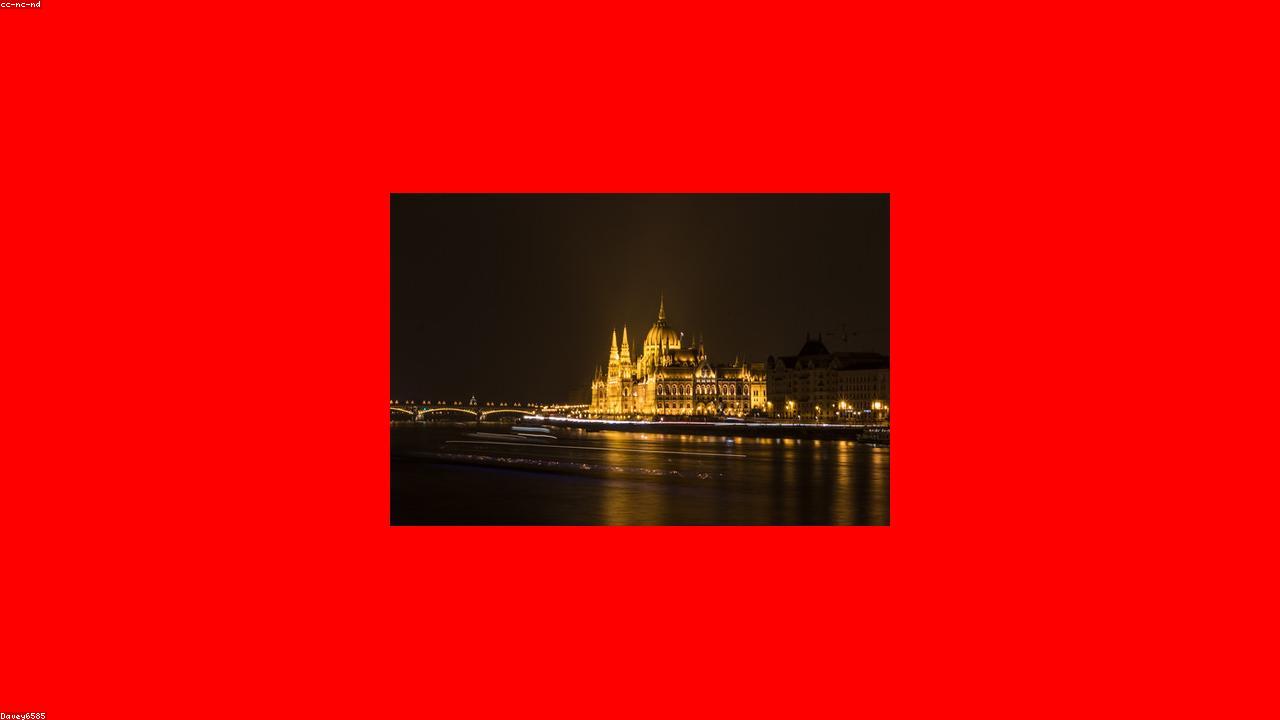
The city is also visually unique. Pest is flat, on the east bank, with the wide Habsburg avenues, the apartment blocks with their inner courtyards, the Art Nouveau decadence of the early 1900s. Buda is hilly, on the west, with the castle district, the medieval streets, and the residential quietness. The Danube cuts between them, and the seven bridges across it are each a different shape and era — the Chain Bridge is the postcard one, the Liberty Bridge the locals’.
Where to base yourself
District V (Belváros) is the central, walkable core; convenient but tourist-priced.
District VII (Erzsébetváros) is the historic Jewish quarter and now the central nightlife district; ruin pubs, restaurants, lively. Choose a quieter street.
District VIII (around Mátyás tér) or District XI (Buda side, around Móricz Zsigmond körtér) for a more local, residential feel.
What to actually do
Visit at least two baths. The two essentials: Széchenyi (Pest side, Városliget park) — the famous outdoor Baroque-yellow complex, best in winter when the steam is at its most dramatic. Gellért (Buda side, in the Gellért Hotel building) — Art Nouveau interiors, tiled, the most beautiful indoor bath in the city. Rudas is the third option — a 16th-century Ottoman bathhouse, the original octagonal Turkish dome, atmospheric and small.
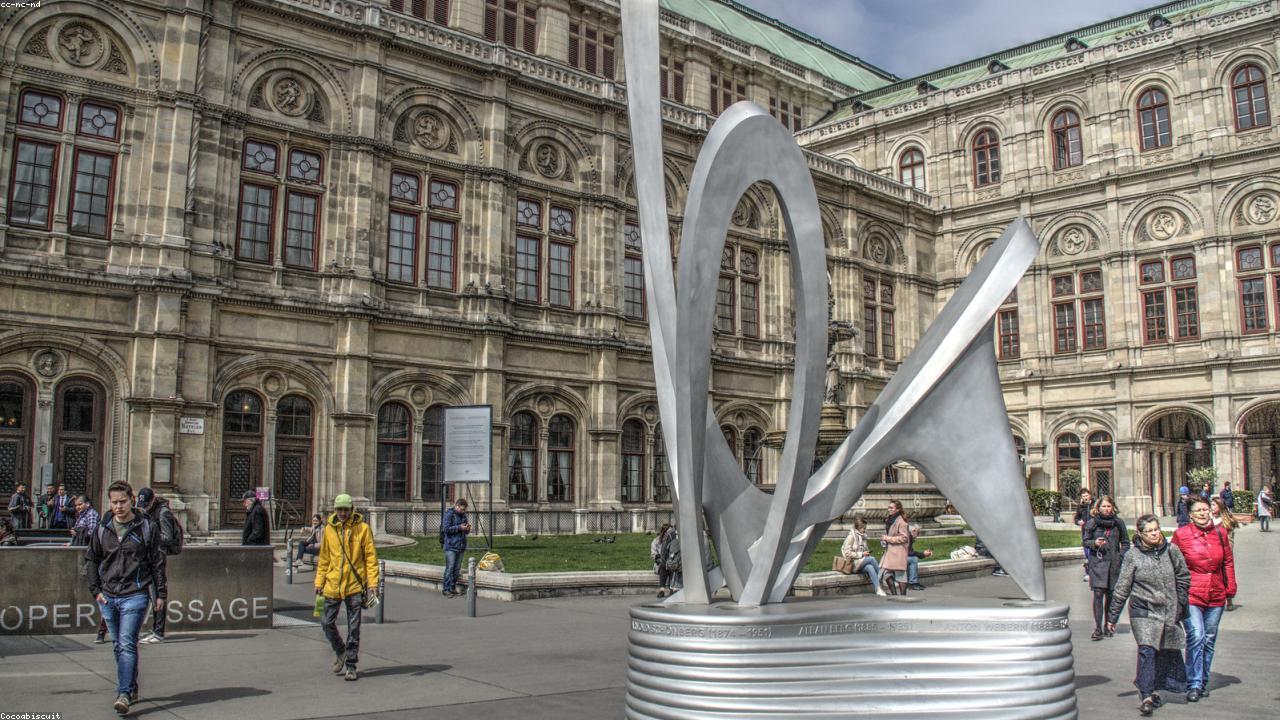
Walk Andrássy Avenue from the centre to Heroes’ Square. Budapest’s grand boulevard, 2.5 km, lined with mansions and the Opera House. The metro line 1 (M1, the yellow line) runs under it — opened in 1896, the oldest metro on the European continent; ride one stop just for the small wooden carriages.
Spend a long evening in the ruin pubs. Szimpla Kert is the famous and now slightly touristed original, in a half-demolished pre-war apartment block, with mismatched furniture and surreal junk-shop décor. Mazel Tov is the more upmarket cousin. Anker’t is a quieter local option. The ruin pub is a Budapest invention from the early 2000s and remains one of the city’s signature institutions.
Take a day trip to Szentendre. A small Baroque town on the Danube 30 minutes north by HÉV suburban train. Riverside, Serbian-orthodox church-heavy, artists’ colony in the 20th century. A half-day. Lunch at Kreinbacher.
Go to the Opera or a concert. The Hungarian State Opera reopened after a long renovation; tickets are extraordinarily inexpensive by Western standards (€20–40 for excellent seats). The Liszt Academy chamber concerts in the evening are some of the best small-format music in central Europe.
Where to eat
Hungarian cooking has been undergoing a slow revival from the heavy paprika-and-cream-and-sour-cream stereotype.
Borkonyha (Wine Kitchen, centre) — One Michelin star, contemporary Hungarian, an excellent wine list focused on Hungarian regions.
Stand — Two Michelin, the formal contemporary Hungarian.
Kispiac Bisztró — Old-school neighbourhood, the halászlé (paprika fish soup) and the goose-leg with red cabbage.
Frici Papa — Cafeteria-style, cheap, the kind of place office workers eat. The gulyás is the cup-of-soup classic.
Karaván in the Erzsébetváros for street food — the lángos (deep-fried flat bread topped with sour cream and cheese), the kürtőskalács (chimney cake).
A New York Café for the absurd, gilded turn-of-the-century coffeehouse experience. It’s a tourist set piece and expensive, but it is also one of the most extravagantly decorated rooms in Europe.
When to come
Late September to early November is the perfect window: pleasant temperatures, the city in autumn light, the baths comfortable.
January through early March is the steam-and-paprika season: cold above, hot in the water, the city at its most atmospheric.
July and August are very hot and crowded; the baths are uncomfortable in summer’s worst heat.
Practical notes
- Visa: Schengen.
- Money: Hungarian forint. Card increasingly accepted; carry cash for the smaller restaurants. Hungary is the cheapest of the central European capitals.
- Transport: The Metro (4 lines), trams (24 lines), and buses are excellent. A 24-hour ticket is around 2,500 HUF.
- The baths: Bring a swimsuit, flip-flops, and a small towel; rentals are available. The cabin (private changing) costs slightly more than the locker; worth it.
- Language: Hungarian, unrelated to most European languages; English is widely spoken in tourism, less so in older bars. A few words go a long way.
- Wine: Hungary has serious wine regions — Tokaj for the sweet wines and increasingly the dry ones, Eger for the Bull’s Blood reds, Villány and Szekszárd for ambitious reds.
A final thought
Budapest, after twenty years of visits, remains my favourite European capital for a long winter weekend. The combination of architectural grandeur (a city built to be twice the size it now is, by an empire that no longer exists), serious thermal-bath culture, lively nightlife, and prices still half those of Western Europe is rare and increasingly precious. The city has the slightly melancholy quality of a place that was, between 1867 and 1914, one of the great capitals of Europe; an empire’s worth of public buildings was built in that fifty-year span; and the city has been adjusting to its smaller, post-imperial role ever since.
The chess players at Széchenyi are part of this story. The slow Tuesday morning, the old men in the steam, the unhurried inheritance of a daily ritual — this is what Budapest gets right. The city has not given up on its accumulated public pleasures. The baths are still here. The opera is still here. The ruin pubs, an early-2000s reinvention, have become a new accumulated public pleasure. Come for at least four days. Visit two baths. Drink Tokaji at sunset on the riverside. Walk back across the Liberty Bridge in the dark. The empire is gone but the architecture, and the steam, remain.
If you only have a few days
8 ideal things to do in Budapest
Széchenyi's outdoor pools in deep winter
Városliget, Pest sideWeekday mornings, January to March
Thirty-eight-degree water, freezing air, and steam thick enough that the far end of the pool disappears. The chess players at the floating boards are real and they are not performing for you; they will finish the game whether or not you photograph it. With Gellért closed for renovation until 2028, Széchenyi is carrying most of the city's bath habit on its own, so go midweek and go early.
Rudas and its octagonal Ottoman pool
Döbrentei tér, Buda side of the Erzsébet BridgeDusk, for the rooftop tub over the Danube
Rebuilt by Sokollu Mustafa Pasha in 1566: eight columns, a dome, and coloured light dropping through glass eyes in the cupola onto water that has been arriving at the same temperature for four and a half centuries. There is a modern circular hot tub on the roof now with the river underneath it, which sounds like a gimmick and is the best twenty minutes in the city at dusk. The Turkish section is not mixed every day of the week; find that out before you undress rather than after.
One stop on the M1 yellow line
Under Andrássy út, between Oktogon and Hősök tereAny time; then walk the avenue back
Opened in 1896 for the millennium celebrations, the first electric underground on the European mainland, and still running through tiled stations shallow enough to feel like a cellar rather than a tunnel. The carriages are small, the stairs down are short, and UNESCO listed the whole line in 2002 without the commuters appearing to notice. Ride it one stop, then walk Andrássy back up. That is the correct order and it takes twice as long.
The upper gallery of the Great Market Hall
Fővám tér, Pest end of the Liberty BridgeWeekday mid-morning; not Saturday lunch
Samu Pecz's iron-framed hall opened in 1897 under a roof of Zsolnay tiles, and the ground floor is still where Budapest buys paprika, sausage and pickles in quantity. The gallery upstairs is the tourist floor and I say that without judgement: a lángos up there, leaning on the rail, watching the trade below, is a decent hour of anyone's life. Buy the paprika downstairs, from someone whose hands are stained with it.
Szimpla Kert on a Sunday afternoon
Kazinczy utca, District VIISunday farmers' market, not Saturday midnight
The original ruin pub, in a half-collapsed pre-war apartment block, furnished out of a skip and now firmly on every stag party's route. Come on a Sunday afternoon instead, when the courtyard holds a small farmers' market and you can actually see the building — the ironwork, the peeling stairwell, the bathtub someone fitted a bench into — without shouting. I have done both. Only one of them left me able to hear the following morning.
Szentendre on the H5 suburban train
Forty minutes north from Batthyány térHalf a day; avoid summer weekends
Baroque houses in ochre and dusty pink, Serbian Orthodox churches up the hill, and a Danube promenade that is genuinely pleasant when it is not carrying four coachloads at once. The HÉV out of Batthyány tér runs often enough that you can leave when you feel like leaving, which is the only way I have ever enjoyed a day trip. The town has been an artists' colony for a century and it shows in the number of small galleries per square metre.
A gallery seat at the Hungarian State Opera
Andrássy útEvening; book a few weeks ahead
Ybl's 1884 house reopened in 2022 after five years of restoration that put the gilding back and, at long last, put air conditioning in. Take the gallery: the view is partial, the acoustics are not, and you will be sitting among Budapest students who know the work better than you do. I spent a first act once watching an elderly man conduct along with two fingers on his knee, and thought it the better performance.
Memento Park, out at the end of the bus line
About 10 km south-west of the centreLate morning; it is an exposed field, so not high summer
Forty-odd Lenins, Marxes and heroic workers, evicted from the city's squares after 1989 and rearranged in a field where they can be looked at rather than obeyed. It is deliberately anticlimactic: no lighting design, no dramatic soundtrack, just enormous bronze men gesturing at farmland. Yugoslavia sent its monuments the other way, mostly abstract and mostly abandoned to weather, and standing here I could not decide which approach was the kinder one.
From a Split boy’s notebook
The Split lens
What reminded me of home
City built on thermal springs with a public-bath culture that goes back to Roman times. The Széchenyi outdoor pools in February are exactly what we used to have under Diocletian, and what the old Roman baths at Salona were continuing into the 6th century. We had this. We forgot.
What Split could borrow
Budapest's thermal-bath culture is one of its top three tourism assets. We have the same geology (the Solin warm springs), the same historic precedent (Diocletian's own bath complex), and zero functioning public thermal baths. Rebuilding a real *terme* in Solin or central Split would be the single biggest cultural-heritage win available to us.
Who can take you
Tour operators & guides to try
A short, opinionated starter list — just my humble opinion. Verify before booking.
Context Travelspecialistwww.contexttravel.com →
Context's Budapest walks shine on the post-communist and Jewish-quarter histories — the Holocaust walks in particular are sober and excellent. Local historians; six-person cap. Caveat: the bath culture is not really their territory; pair a Context history walk with self-guided bath visits rather than tour groups in the baths.
Taste Hungaryspecialistwww.tastehungary.com →
Taste Hungary is the long-running Budapest food-tour and wine-bar outfit run by Carolyn Bánfalvi (American expat, Hungarian husband, twenty years on the ground). Their Tokaj wine-region day trips and the central-Budapest food walks are the standouts. Groups around 8. Caveat: pricier than the budget walking-and-eating crawls, but the depth of access — the small family producers in Tokaj, the proper paprika shops in the Great Market Hall — is significantly better. The trip-defining food experience in the city.