Asia
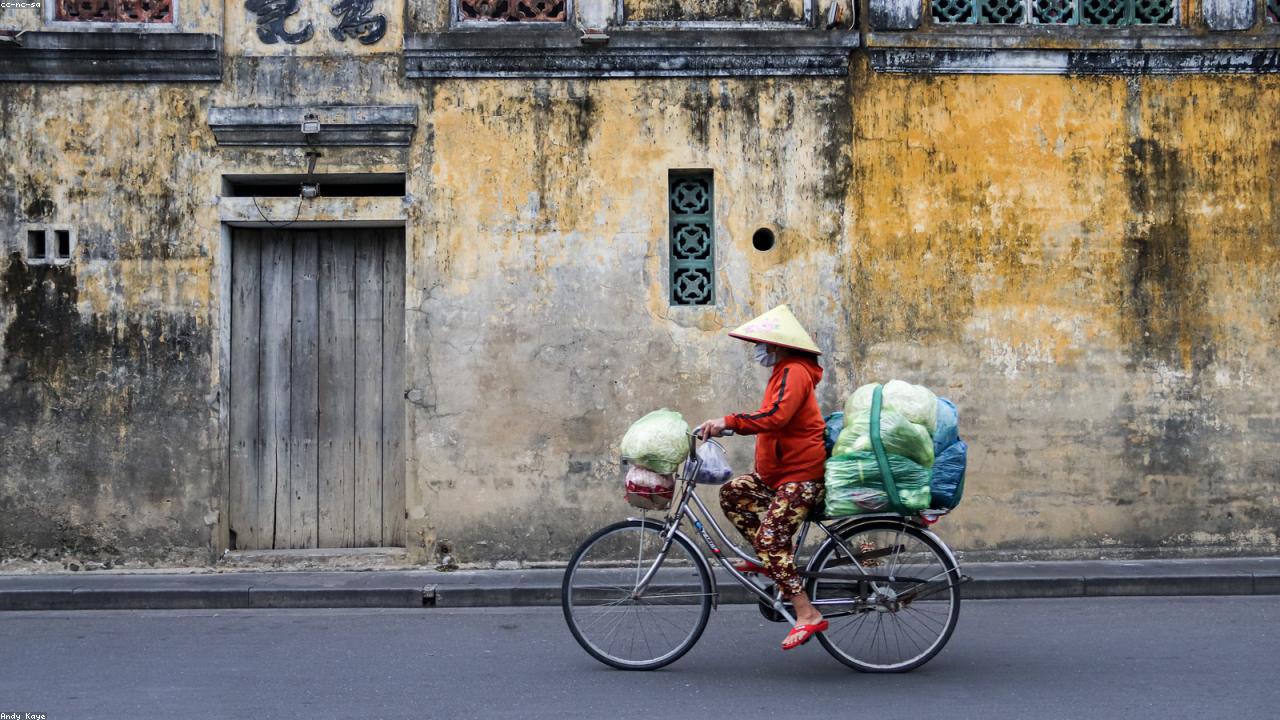
Hoi An, Vietnam
Hoi An by lantern light: the small port town that survived
October 22, 2023
Photo: Ščenza
Antigua, Guatemala · Central America
The short list, pulled out of the long essay. No opening hours, because they change and I would only get them wrong — just what is worth your morning, roughly when to turn up, and where I have wasted time so you don’t have to.

By Ščenza
Last checked
Trailhead about an hour from Antigua by roadDriest November to April; go with a licensed operator
Roughly six hours up from farmland to a high camp near 3,600 metres, much of it in volcanic ash that hands back half of every step, and then you sit on a ridge in a borrowed parka watching Fuego erupt across the saddle every twenty minutes or so all night — audible first, then orange. Acatenango tops out just under 3,976 m and the altitude is not theoretical. I overtook nobody on the way up and was overtaken by a woman carrying a crate of eggs. Operators handle tents, food and gear; take more layers than you believe you need.
2a Avenida Norte, four blocks from Parque CentralLate afternoon, when the courtyards turn gold
Consecrated in 1736 and wrecked by the earthquakes of 1773, this is the best-restored of Antigua's ruined convents and much the strangest: a circular two-storey tower of individual nuns' cells around a central court, over a vaulted undercroft whose acoustics are still perfect and still unexplained. Nobody has settled what that room was for. I stood in the middle of it and hummed, as everybody does, and was quietly delighted with myself for a full minute.
The hill at the north end of the grid, fifteen minutes upEarly morning, and go when other people are going
Steps climb from the north end of the grid to a stone cross and the view back down the whole colonial chessboard, with Volcán de Agua behind it, conical and steaming, like a child's drawing of a volcano. Go in the morning when there are others on the path and the tourist police are about. Klis sits above Split in more or less this arrangement, except that Klis is a fortress and not an active volcano, which I have always regarded as a missed opportunity on our part.
About 50 km west — two to three hours by roadCross before noon; the Xocomil wind gets up after lunch
Panajachel is the road head and the least interesting part of it; the lake proper begins when you get onto a public lancha and cross to San Juan la Laguna or Santiago Atitlán, with three volcanoes standing around a caldera 340 metres deep. The boats leave when they are full, and the afternoon wind makes the crossing memorable in a way nobody actually wants. It can be done in a long day from Antigua. It is much better as two, and I have never once regretted the second night.
The long version
Antigua Guatemala was the colonial capital of Central America from 1543 until earthquakes destroyed much of it in 1773. The surviving stone façades, the ruined convents, and the cobblestone streets are some of the most architecturally complete colonial set pieces in the Americas.
Read the full essay →