South America
Uyuni, Bolivia
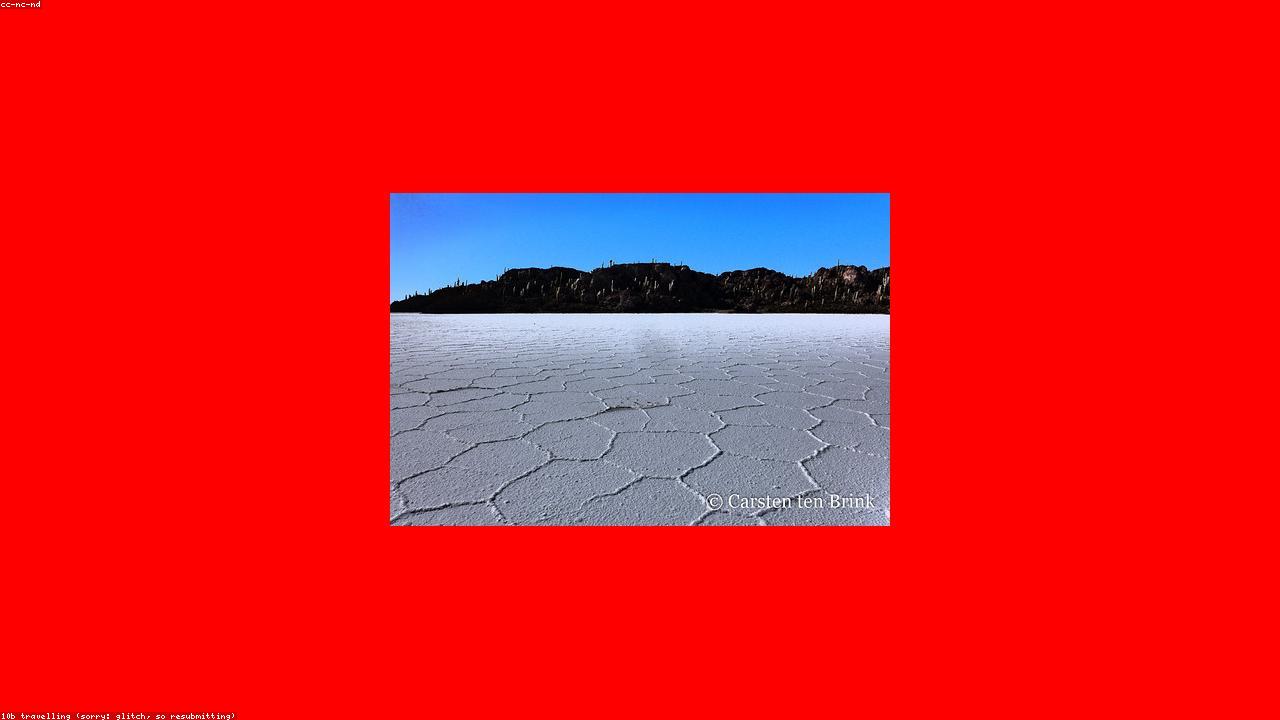
Salar de Uyuni: the white horizon and the highest desert in the world
March 4, 2023
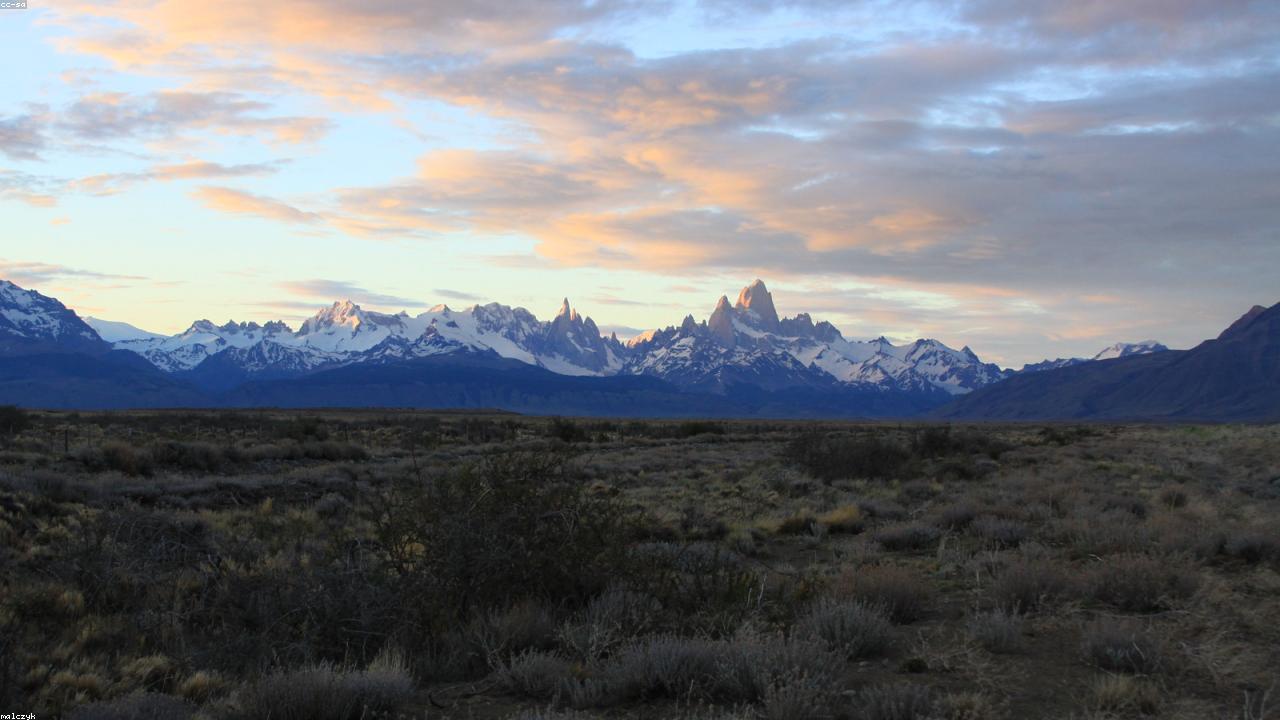
Photo: Ščenza
El Chaltén, Argentina / Chile · South America
The short list, pulled out of the long essay. No opening hours, because they change and I would only get them wrong — just what is worth your morning, roughly when to turn up, and where I have wasted time so you don’t have to.

By Ščenza
Last checked
From El Chaltén; roughly 22 km returnLeave town in the dark; late November to March
Eight to ten hours, and the final kilometre gains four hundred metres up loose scree that a good number of people descend on their backsides. The reason to walk it in the dark is that Fitz Roy — three thousand four hundred and five metres of granite — turns pink for about four minutes at first light and then simply stops. I have done it twice. The first time the cloud never lifted and I ate a sandwich in a whiteout alongside six strangers, all of us insisting this was fine. The second time it worked.
From El Chaltén; roughly 18 km returnThe better choice on a high-wind day
Shorter and far flatter than the Fitz Roy walk, through lenga forest along the river and out to a grey glacial lake with small bergs drifting in it. Cerro Torre stands at the back, usually inside cloud, and its first ascent was the subject of a decades-long argument about whether it happened at all — a dispute that has outlasted most of the people involved. Even with the spire hidden, the lake with the glacier wind coming off it earns the morning. Nowhere on this trail is sheltered, and the wind knows it.
North of El Chaltén on the Lago del Desierto roadEvening, when everyone else is at dinner
Chorrillo del Salto is a modest waterfall on the road heading north out of town, an hour on foot or ten minutes by car, and its purpose is to be the thing you do on the day your legs have withdrawn cooperation. Lenga forest, a pool, some spray. After two hard days it felt entirely reasonable to walk twenty minutes and look at water. Patagonia rewards ambition, but it also rewards recognising the exact moment your knees file a formal complaint.
North of El Chaltén up the Río de las Vueltas gravel roadSummer only; the road is rough and the crosswinds are worse
An hour north of town on gravel beside the Río de las Vueltas, ending at a long narrow lake pinned between forested walls with a glacier at the far end. There is a boat across it, there is a short steep climb to a viewpoint, and beyond the north shore is the walking border crossing into Chile that eventually delivers you to Villa O'Higgins. Mostly, though, what is on offer here is a complete absence of other people, and that is not oversold.
78 km from El Calafate; 220 km south of El ChalténAny season; the ice-bridge rupture is not schedulable
Kilometres of steel walkway face a wall of ice several storeys high, and every few minutes a piece the size of a house detaches and hits the lake with a noise that arrives a full second after the sight of it. Everyone flinches. Everyone then pretends they did not. Minitrekking straps crampons on you for about ninety minutes on the surface; the big-ice version runs closer to five hours. The famous rupture, where the glacier dams the lake until the water blows the ice bridge apart, has come anywhere between yearly and once a decade, so do not build a trip around catching it.
The long version
Patagonia is, at its heart, the experience of being very small in a very large landscape. The wind shapes everything. The granite spires rise on a planetary scale. The travel logistics are demanding. The reward is one of the last genuinely big-empty regions left on earth.
Read the full essay →Uyuni, Bolivia
March 4, 2023
Aguas Calientes, Peru
June 12, 2022
Hobart, Australia
April 15, 2024