Polar
Ushuaia, Antarctica
Antarctica: ten days on the seventh continent
December 30, 2024
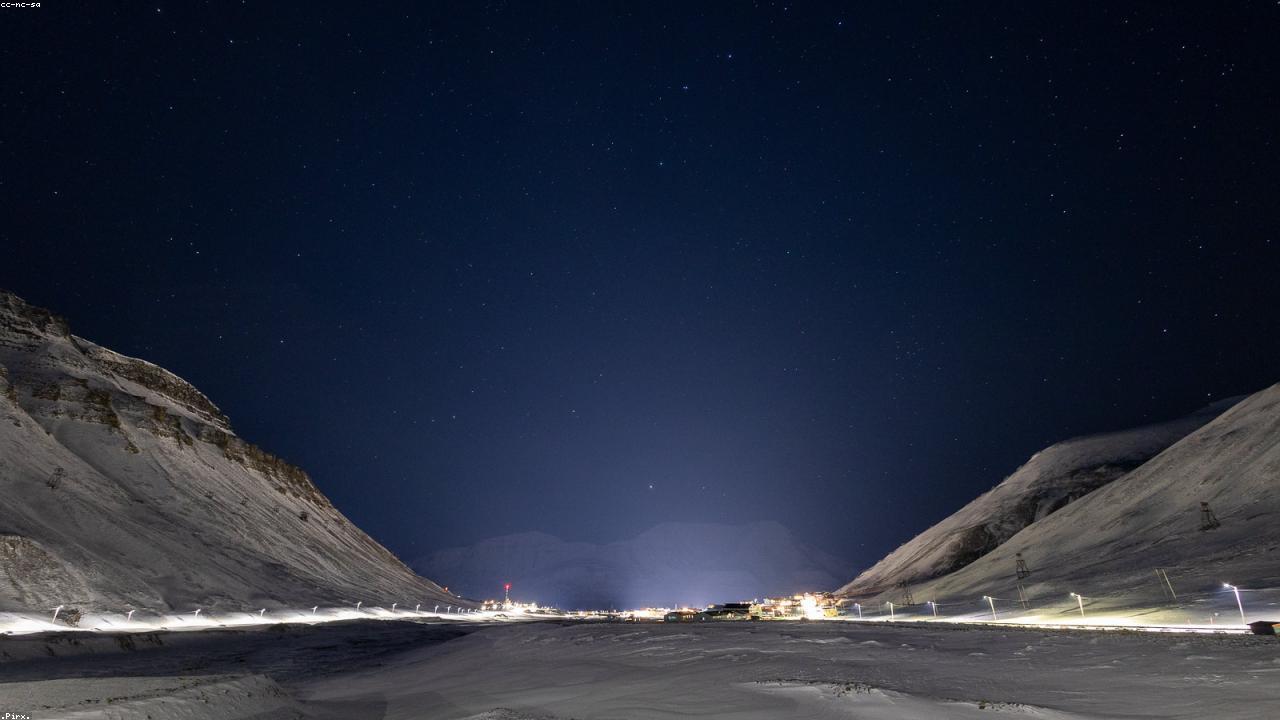
Photo: Ščenza
Longyearbyen, Norway · Polar
The short list, pulled out of the long essay. No opening hours, because they change and I would only get them wrong — just what is worth your morning, roughly when to turn up, and where I have wasted time so you don’t have to.

By Ščenza
Last checked
Inside the university centre building, central LongyearbyenYour first afternoon, before anything else
Do this on arrival rather than saving it for the end. It runs from whaling through trapping through coal to the present research-and-tourism economy, and it does not flinch about the stretch where whales and walruses were essentially mined out of the fjords. It won a European museum prize in 2008 and moves something like forty-five thousand visitors a year through one hall, which tells you the scale of everything up here. Afterwards the view out of the window reads completely differently, and that is worth an hour of anybody's trip.
Up Billefjorden from Longyearbyen, roughly 50 kmBy boat in summer, by snowmobile in the frozen months
A Soviet coal town that stopped on 31 March 1998 and had emptied out by that October. The world's northernmost bust of Lenin stands in front of the culture house facing a glacier, which is either magnificent or bleak depending on the weather and how you slept. The hotel reopened in 2013 and between one and three people overwinter here in two heated buildings — a job description I have thought about far more than is healthy. You cannot enter buildings without permission, the guide carries a rifle throughout, and neither of those is theatre.
Kennels out in Adventdalen, just beyond townSled in winter, wheeled cart in summer
Harnessing your own team is the part nobody warns you about: eight dogs who understood what was happening long before you did, screaming with joy, and you standing on a brake attempting to look competent. In summer the same animals pull a wheeled cart instead. In winter it is a proper sled across Adventdalen in that blue polar light. These are working dogs rather than pets and the yards say so plainly; feeding them afterwards is part of the arrangement and is comfortably the best part of the day.
Glaciers within reach of Longyearbyen by snowmobile or snowcatWinter and spring only, while the meltwater channels are frozen
These are meltwater channels running inside the glacier, which is why they only exist as a walkable thing in the frozen half of the year. You go down through a hole in the snow on a rope, then crawl and duck-walk along blue ice with air bubbles trapped in it from long before anyone thought of building a town here. It is cold in a way that finds your fingers through two pairs of gloves. Absolutely worth doing, and you will be noticeably quiet on the drive back.
On the hillside between town and the airportTen minutes, any time; the brevity is the joke
You cannot go in. Nobody goes in except the people depositing seed, and that is the whole design. What you get is a concrete wedge protruding from a frozen hillside with an illuminated artwork along the roof and front face — mirror and prism catching the summer light, two hundred fibre-optic cables glowing greenish-white through the dark months. I drove out, stood in the wind, looked at a locked door for ten minutes and found it unexpectedly moving, which is not a sentence I planned to write about a warehouse.
The long version
Svalbard is the High Arctic — a Norwegian archipelago at 78° north, with more polar bears than people, a small settlement at Longyearbyen, and a coastline accessible only by sea. The Arctic in its more genuine form, with the difficulties that implies.
Read the full essay →