Oceania
Nadi, Fiji
Fiji: the Pacific islands beyond the resort gates
May 29, 2021
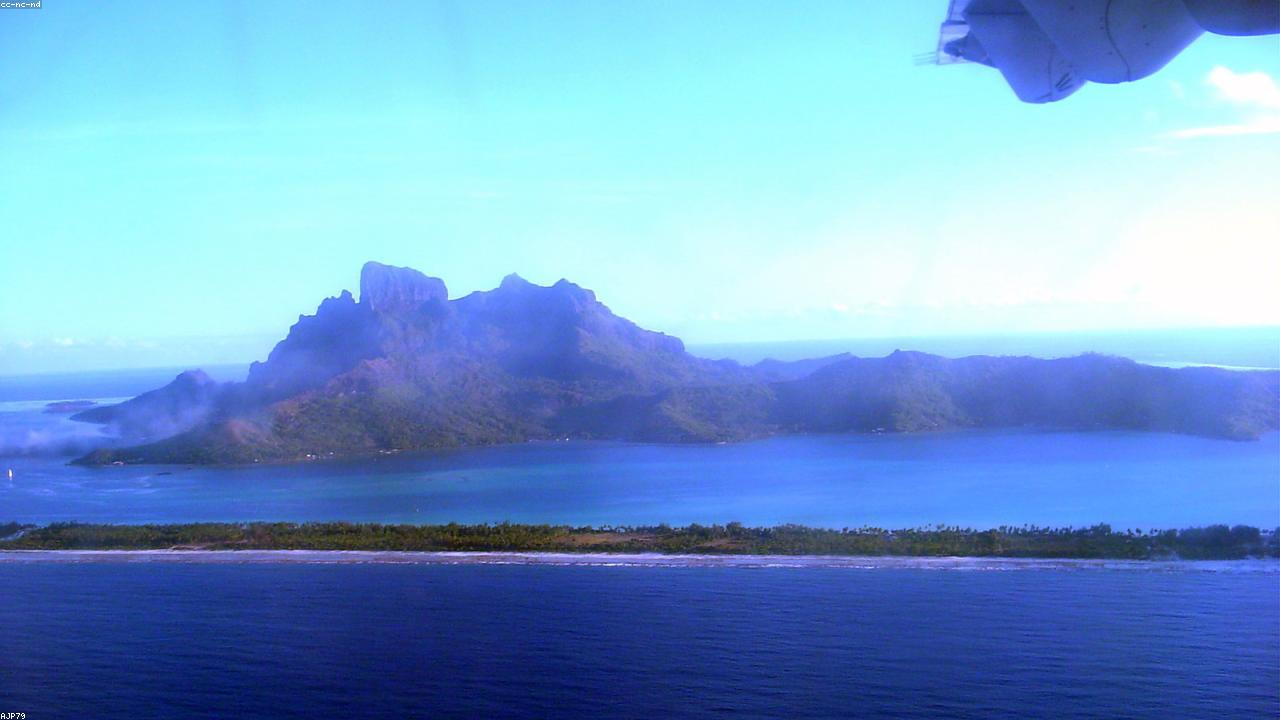
Photo: Ščenza
Papeete, French Polynesia · Oceania
The short list, pulled out of the long essay. No opening hours, because they change and I would only get them wrong — just what is worth your morning, roughly when to turn up, and where I have wasted time so you don’t have to.
By Ščenza
Last checked
Central Papeete, two blocks back from the waterfrontEarly morning; Sunday at dawn is the big one
Papeete's market has stood on this site since 1869 and runs over two floors — fish, breadfruit, taro, vanilla, tiare flowers and monoi below, pareos and carving above. Sunday morning is when the whole town turns up, very early, and it is finished by mid-morning. I have never yet managed to leave without a handful of vanilla pods I had no plan for, and have stopped treating it as an accident.
The Papeete waterfront, beside the ferry quayEvery evening, from about sunset
Every night the vans pull onto the square by the harbour and set out plastic chairs: poisson cru, grilled tuna, chow mein out of the Chinese-Tahitian kitchens, crêpes at the far end. This is where Papeete eats, at a fraction of what anything with a lagoon view charges. After a week of resort half-board it was the first meal in French Polynesia that tasted like a place rather than a package.
Punaauia, on the west coast about 15 km from PapeeteHalf a day, on the way to or from the airport
Polynesia's national museum sits on the water at Punaauia and covers the archipelagos properly: navigation, tapa, tattoo, the marae, the missionaries and what their arrival cost. If you are about to spend a fortnight looking at a lagoon, spend a morning here first — everything you then see on Moorea or Huahine stops being scenery and starts being a place with a history. I did it on my last day, in the wrong order, and have regretted it since.
Moorea, 30–45 minutes by ferry from PapeeteA full day; take the valley in the morning
Ferries run across several times a day, and the road up the Opunohu valley from Cook's Bay passes a series of stone marae standing in the trees — Titiroa among the banyans, the terraced Ahu-o-Mahine a few hundred metres on — before climbing to the Belvédère, where Mount Rotui sits between the two bays. Everybody stops at the lookout. Far fewer stop at the platforms, which are the reason to come up the valley in the first place.
Tahiti Iti, roughly 60 km from PapeeteSouthern-hemisphere winter, when the swell arrives
At the end of the south coast road on Tahiti Iti the tarmac simply stops at a river mouth, and the wave everybody has seen on a screen breaks a kilometre offshore over shallow reef. From the shore it is a white line and a sound like a door slamming in another room; boats go out when there is swell. The village behind it is a quiet strip of houses that has been asked to host the world's attention and appears, as far as I could tell, entirely unbothered.
The long version
French Polynesia is at the more expensive and more remote end of South Pacific travel. The Society Islands — Tahiti, Moorea, Huahine, Raiatea, Bora Bora — are the famous core. The Tuamotu and Marquesas groups are the genuine off-grid experience.
Read the full essay →