Europe
Barcelona, Spain
Barcelona without the postcard: a week with the working city
April 8, 2024
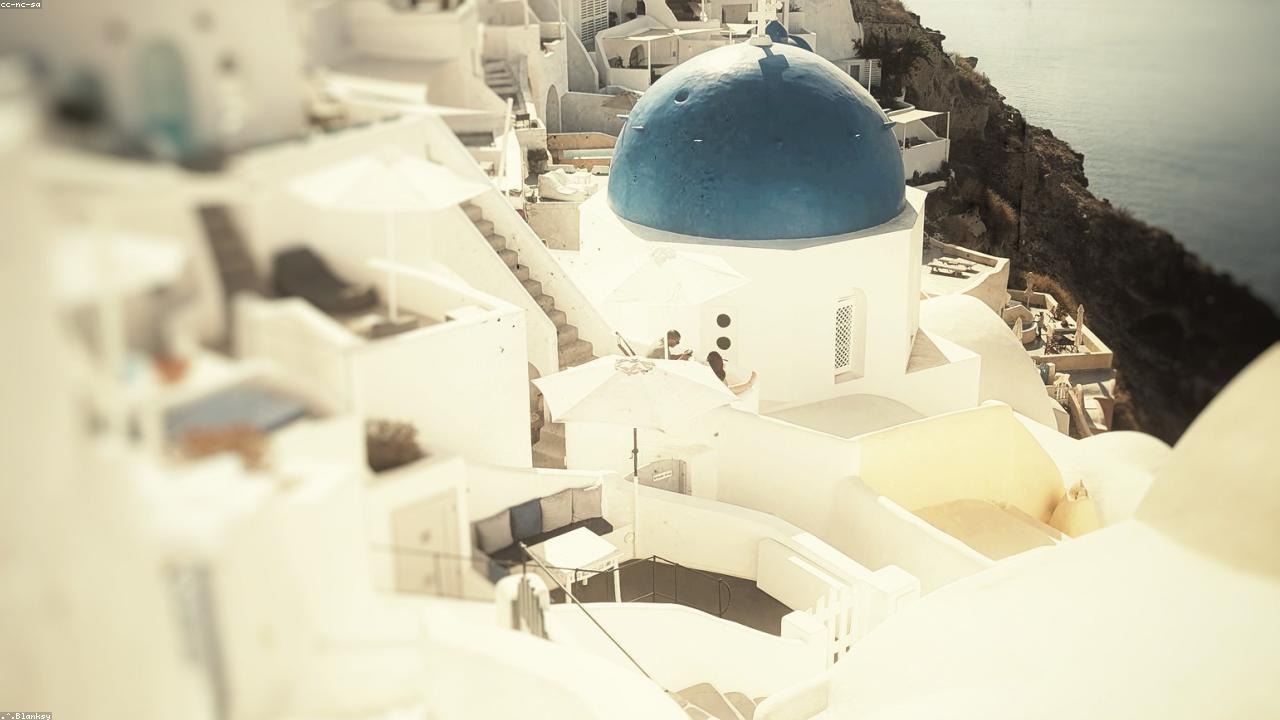
Photo: Ščenza
Oia, Greece · Europe
The short list, pulled out of the long essay. No opening hours, because they change and I would only get them wrong — just what is worth your morning, roughly when to turn up, and where I have wasted time so you don’t have to.
By Ščenza
Last checked
Along the cliff rim, through Imerovigli and FirostefaniStart at first light; late April to May, or late September
Nine or ten kilometres along the rim, three to four hours with stops, and the direction matters — walking south out of Oia keeps the caldera on your right the whole way and the sun off your face. There is one long unshaded climb near Imerovigli that I have now underestimated on three separate visits. Carry more water than seems reasonable and set off before the day boats dock, because after that the last stretch into Fira turns into a corridor.
Imerovigli, ten minutes down and out from the villageAn hour before sunset, any month
Skaros is a ruined Venetian fortress on a promontory that was once the island's capital, reached by a rough path dropping out of Imerovigli. It is the same sun three thousand people are photographing over in Oia; here there were eleven of us and a goat with no interest in any of it. Wear proper shoes — the final section is loose stone, and I watched a man attempt it in resort sandals, which was gripping to observe and presumably less so to perform.
The southern end of the island, by Akrotiri villageMidday, when it is too hot to be outdoors anyway
Buried by the eruption in the sixteenth century BC and excavated since 1967: two- and three-storey houses, paved streets, drains and indoor plumbing, all of it now under a modern shelter, which makes this the one site here you can happily visit in the middle of an August afternoon. The wall paintings were lifted out to museums, so what remains is the town itself. No bodies have been found. Whatever else happened, they had the sense to leave in time.
Fira, just behind the main squarePair it with Akrotiri, in either order
Everything portable that came out of Akrotiri is here — the wall paintings, the pottery, the tools and the imports that show how far these people traded, in a small, cool, thoroughly ignored building in the middle of Fira. Painted by people who were three and a half thousand years dead before anybody thought to build a cliffside hotel above them. Half an hour is enough. The coach tours mostly do not stop, which is their business and our luck.
The bay below Oia; small boats cross the caldera from thereLate morning out, mid-afternoon back
Down the old stepped path from Oia — a few hundred steps, and the donkey question is one you can sidestep entirely by walking — is Ammoudi: red rock, clear water, a swimmable rock offshore. From the quay a small boat runs over to Therasia, the piece of the island the eruption cut off, where about two hundred and fifty people live up a staircase with a taverna or two at the top. It is what Santorini looked like before Santorini became famous.
The inland villages — Pyrgos, Megalochori, Exo GoniaHarvest comes early, often August; tastings run spring to autumn
Santorini's vines are trained into low coiled baskets lying on the ground, ungrafted and often very old, because anything standing upright would be shredded by the wind and cooked by the sun. Assyrtiko grown that way comes out salty and hard and ages for years; Vinsanto is made from grapes left in the sun after picking. The estates inland will pour you all of it, and the ones without a coach park will also talk to you about the vines until the light goes.
The long version
Santorini between 6 p.m. and 9 a.m. is a different island. The cruise ships are at sea. The day-trippers are on the ferry. The whitewashed villages, which spend the daylight hours being photographed, finally exhale. This is the island worth flying to.
Read the full essay →