Caucasus
Yerevan, Armenia
Yerevan: the pink city under Ararat
May 30, 2023
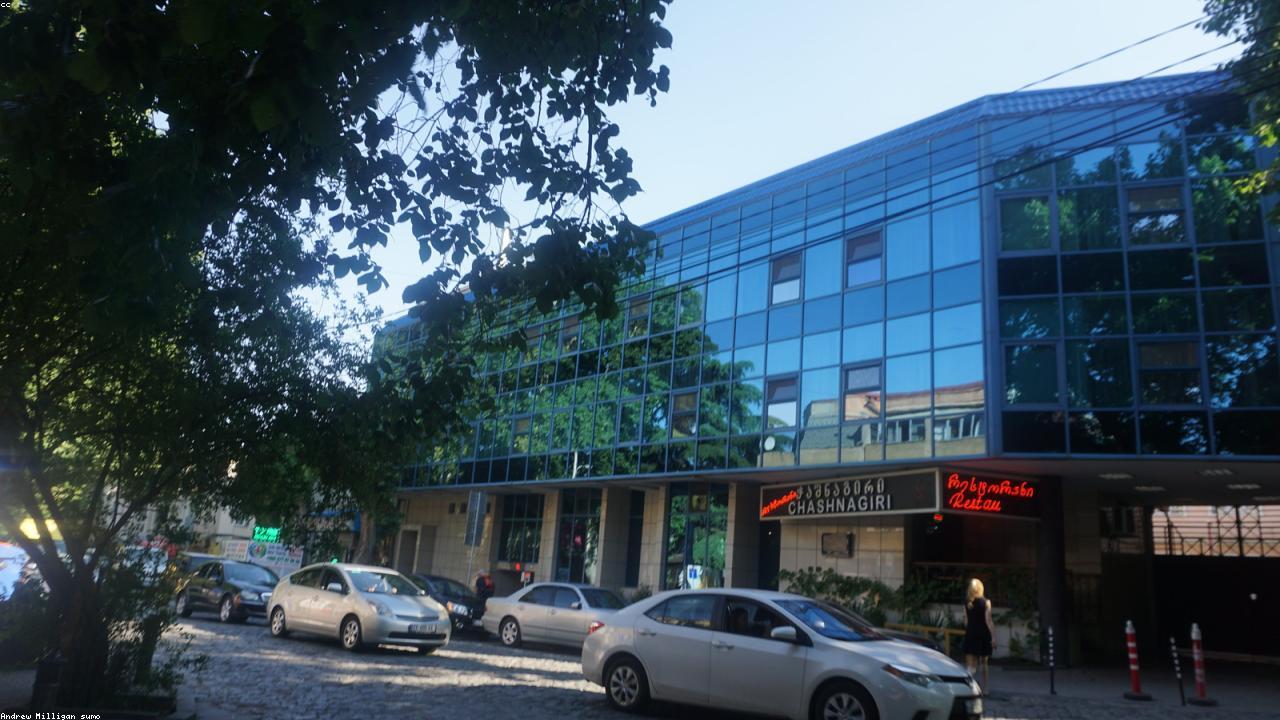
Photo: Ščenza
Tbilisi, Georgia · Caucasus
The short list, pulled out of the long essay. No opening hours, because they change and I would only get them wrong — just what is worth your morning, roughly when to turn up, and where I have wasted time so you don’t have to.
By Ščenza
Last checked
Below Narikala, on the right bank of the MtkvariLate afternoon; take a private room rather than queue
Tbilisi exists because of these springs. The legend has King Vakhtang Gorgasali's falcon dropping into the hot water and the king deciding to put a capital on top of it; by the end of the thirteenth century the city had sixty-five bathhouses. What survives are the brick domes half sunk into the ground here, the tiled Persian facade of Chreli Abano being the ornate one and plainer municipal rooms sitting a few doors along. Pay for the kisa scrub. You will feel assaulted, then remarkably clean.
Old town, on the ridge above AbanotubaniLate afternoon into sunset
Fortress on this hill since at least the fourth century, though most of what stands is sixteenth and seventeenth, with an 1827 earthquake accounting for a good deal of what does not. Open, unfenced, no handrail in places. The move is to refuse to go back the way you came: cross the ridge and drop into the National Botanical Garden, a hundred and sixty hectares in the gorge behind, with a 1914 arched bridge over a waterfall that most people in the old town below have never seen.
Chonkadze Street up to Mount MtatsmindaUp before sunset, down after dark
Georgia's writers are buried halfway up this hill, which is a better reason to take the funicular than the view is. The Pantheon wraps around St David's church: Griboyedov under a sculpture of a woman weeping, his teenage widow Nino Chavchavadze beside him, and Stalin's mother a short walk away. Above that the track climbs at close to thirty degrees to a park at seven hundred and seventy metres with a Ferris wheel and the whole city underneath. The funfair is cheerfully naff. I rode the wheel.
Rustaveli AvenueTwo hours; the occupation exhibit is upstairs
Colchian gold is the first reason to come: pre-Christian goldwork from the kingdoms on the Black Sea coast, worked to a fineness that seems physically unlikely, and older than most of what European museums keep behind their best glass. The second is upstairs — the Museum of the Soviet Occupation, small, angry and unbalanced in the way a country that lost a century is entitled to be. Read it as a document of how Georgia sees itself now rather than a neutral account and it gets better, not worse.
Keeni hill, north of the cityLate afternoon; no shade, no café, no shelter
Zurab Tsereteli started this in 1985 and never finished it, which somehow improves the thing: sixteen bronze-and-stone pillars up to thirty-five metres tall, kings and queens across the upper register, the life of Christ across the lower, planted on a bare hill above a reservoir. Nobody is there. No ticket office, no signage, no queue — an enormous unfinished national monument, and wind. Take a taxi; arriving any other way turns into a project.
North of Tbilisi, where the Mtkvari and Aragvi meetHalf a day; Jvari first, for the morning light
Mtskheta was the capital before Tbilisi was, and the place Georgia converted in the fourth century. Jvari monastery is sixth-century, up on the bluff above the meeting of two rivers, and looks less built than quarried out of the hill it stands on. Svetitskhoveli down in the town is eleventh-century and enormous, raised over the spot where the robe of Christ is said to lie. Cover your head and knees, and let the wedding parties go ahead of you — they are not there as scenery.
The long version
Tbilisi is the rare capital that feels genuinely undiscovered for its quality. The old town has the sulphur baths and the wooden balconies; the wine culture is one of the oldest on earth; the country beyond the city is dramatic and almost empty.
Read the full essay →