Europe
Berlin, Germany
Berlin keeps becoming itself: a guide to a city that won't sit still
November 8, 2024
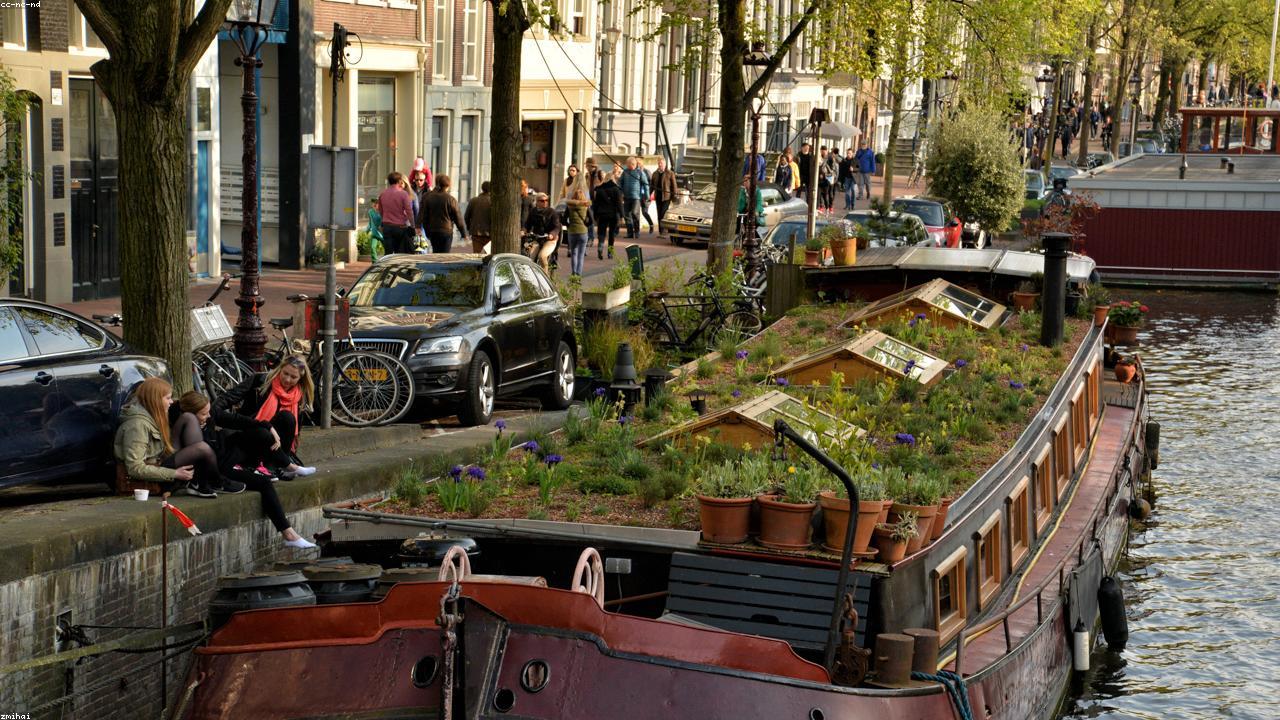
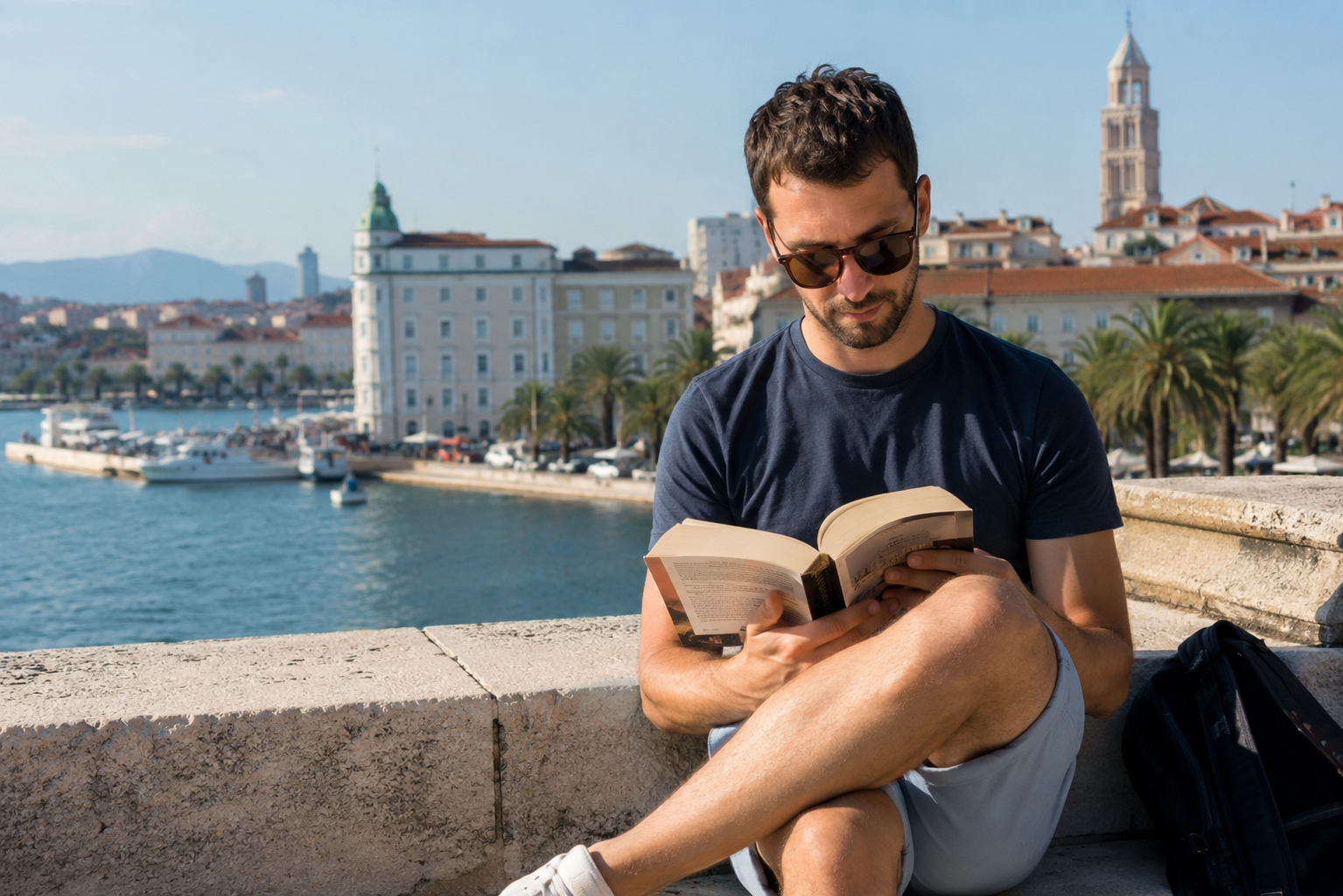
Photo: Ščenza
Amsterdam, Netherlands · Europe
The short list, pulled out of the long essay. No opening hours, because they change and I would only get them wrong — just what is worth your morning, roughly when to turn up, and where I have wasted time so you don’t have to.
By Ščenza
Last checked
Rijksmuseum, MuseumpleinFirst entry slot of the day
Rembrandt's Night Watch is currently sitting inside a glass conservation chamber while a team of eight lifts three centuries of yellowed varnish off it, in public, a few square millimetres at a time. It is the slowest performance art in Europe and I could not stop watching. Do the Gallery of Honour, then the small Vermeer room, then leave. The Rijksmuseum is built to defeat completists.
Oudezijds Voorburgwal, on the edge of the Red Light DistrictWeekday morning
Jan Hartman, a Catholic merchant, built a full church across the top floors of three canal houses and had it consecrated in 1663, because public Catholic worship was banned and the city magistrates had quietly decided not to look up. It has been a museum since 1888 — the second oldest in Amsterdam, after the Rijksmuseum. The stairs are original, which is to say steep, and the pews are still laid out for a congregation that had to arrive one at a time.
Museumplein, next door to the Van GoghAfternoon, once the Rijksmuseum has finished you
Mondrian's grids and Rietveld's Red and Blue Chair in a single set of rooms, with nothing like the queue that forms outside the Van Gogh forty metres away. The chair looks like something a joiner walked away from halfway through. Stand with it a while and the point lands: furniture rebuilt from first principles by people who had just watched Europe take itself apart, and who thought the fix might be geometry.
Entrance on the Gedempte Begijnensloot, off the SpuiEarly, and quietly
A medieval courtyard of almshouses behind an unmarked door off the Spui, with the oldest wooden house in the city — 1528 — standing on one side of the lawn. Silence is requested, groups of more than twelve are not allowed in at all, and both rules are enforced by residents at first-floor windows rather than by anyone in uniform. It is the only place in the centre where you can hear your own footsteps. The Spui bookshops are thirty seconds away when you are ready to talk again.
From the quay behind Centraal StationAny time; best in weather that keeps everyone else indoors
Free, frequent, bicycles welcome, and over in a few minutes: the last piece of Amsterdam infrastructure that still feels like a municipal gift. You stand at the rail with commuters, scooters and someone carrying a ladder, the city slides sideways, and you land on the industrial north bank where the crowds simply stop. Our Split–Supetar crossing costs money and takes fifty minutes. I think about this more than is healthy.
About 7 km east of the centre, along the IJmeer dikeHalf a day; May or September
One row of wooden houses strung along a sea dike, a church tower, water on both sides, cows. The ride out of Noord is flat and almost entirely on separated cycle path, so the hardest thing you will meet is a bridge. I did it into a November headwind because I had misread the forecast, arrived with a face like a boiled crab, and would go again tomorrow.
Bloemstraat in the Jordaan; the Oude Schans by the RembrandthuisLate afternoon, as the light goes
De Sluyswacht started life as a lock-keeper's cottage in 1695 and now leans at an angle a structural engineer would want to discuss over a long lunch. Café Chris in the Jordaan claims 1624; the city registers suggest the first licensed drinking house at that address was 1882, and the regulars have no intention of settling the argument. Take a beer, take the jenever if it is offered, and stay until the windows are the brightest thing on the street.
The long version
The Amsterdam tourists see is roughly a triangle: Dam Square, the Red Light District, the Anne Frank House. The Amsterdam the Dutch see is a calm, low-rise, water-laced city of seventy-five distinct neighbourhoods, half of them on islands, almost none of them on the postcard.
Read the full essay →