Europe
Barcelona, Spain
Barcelona without the postcard: a week with the working city
April 8, 2024
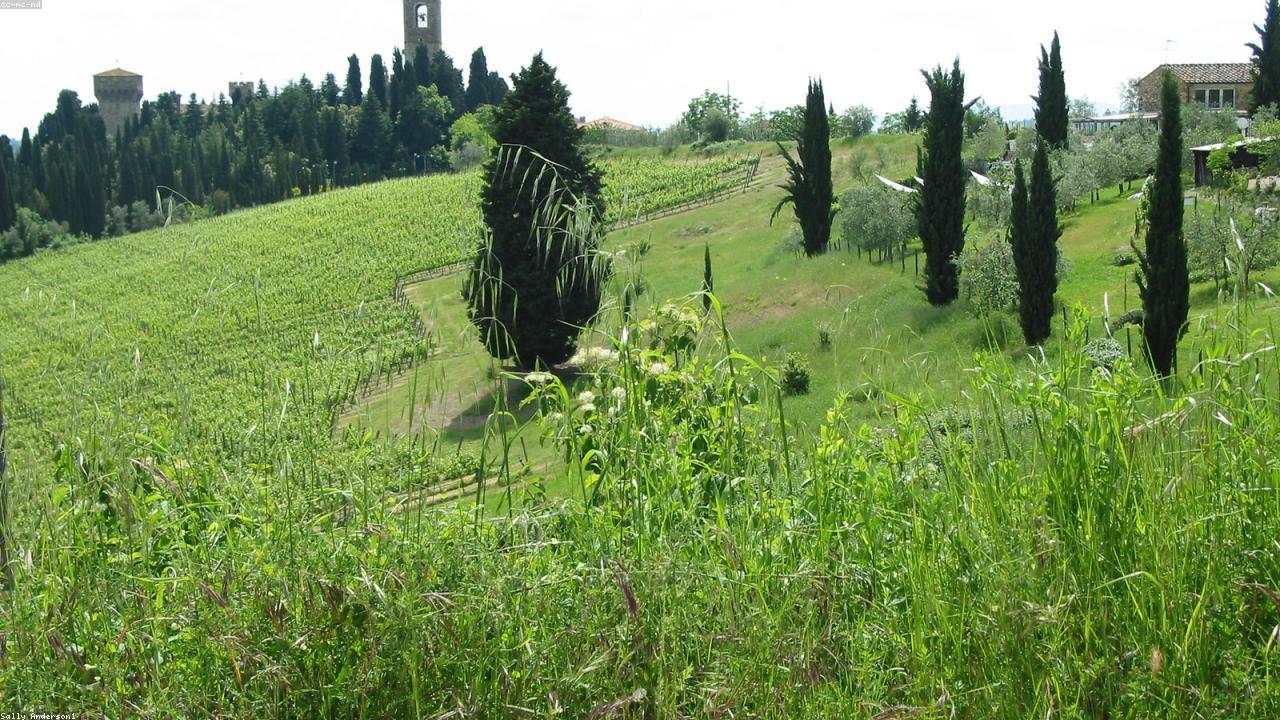
Photo: Ščenza
Florence, Italy · Europe
The short list, pulled out of the long essay. No opening hours, because they change and I would only get them wrong — just what is worth your morning, roughly when to turn up, and where I have wasted time so you don’t have to.
By Ščenza
Last checked
Oltrarno, Piazza del CarmineTimed slots; book ahead, mornings are quietest
Masaccio was in his mid-twenties when he painted the Expulsion here, and the gap between his Adam and Eve and everything painted in the century before is roughly the gap between a drawing of grief and grief. Masolino started the cycle, Masaccio changed the terms of it, Filippino Lippi finished it fifty years later. The recent cleaning lifted off centuries of candle soot and an eighteenth-century egg-gum layer and the colour came back. Michelangelo came here to copy. You may also copy, at whatever level you copy at.
Via del Proconsolo, between the Duomo and Santa CroceClosed Mondays and on two Sundays each month
Most people queue at the Accademia for the marble one. This is the other David — cast around the 1440s, the first free-standing nude bronze since antiquity, and you can walk a complete circle around him with no glass and no rope in the way. He is small, smirking, wearing a hat and boots and nothing else, and considerably stranger than his famous cousin. The building spent three centuries as a prison, which does something to the sculpture rooms that I have never quite been able to name.
Piazza San MarcoMornings only — the upper floor shuts around lunchtime
Forty-four monks' cells on the upper floor, each with one small fresco painted for the single man who slept in it and for nobody else. The Annunciation at the top of the stairs is the one on the postcards; the cells are the reason to come. Savonarola's rooms are at the far end. Check the hours, which are short and have got shorter — I once turned up at two in the afternoon after a leisurely lunch and was politely turned around by a woman who had clearly done that a thousand times before.
Above Piazzale Michelangelo; steps up from Porta San NiccolòLate afternoon, daily; be in your seat before it starts
Olivetan Benedictines have held this hill since 1373 and they sing Gregorian vespers inside an eleventh-century church every single day. No ticket, no booking, no photographs. You sit in the nave, keep quiet, and it runs about three quarters of an hour. Walk up rather than taking the bus, so that you arrive slightly out of breath — this turns out to be the correct physical state for the thing. The green-and-white marble facade is what Brunelleschi's whole generation grew up staring at.
Piazza del Duomo, behind the cathedralAny time; reliably the emptiest room on the square
Ghiberti's original Gates of Paradise are in here — twenty-seven years of one man's life, ten gilded panels — along with Michelangelo's Bandini Pietà, the one he took a hammer to when the marble turned out to have a flaw in it. Brunelleschi's actual dome-building equipment is upstairs. Outside, several thousand people are photographing copies of objects that live in this building, while a handful of us stand indoors with the originals. Come here before you climb anything.
Via della Scala, near Santa Maria NovellaWeekday mornings
Dominican friars began growing medicinal plants on this site in 1221, and in 1612 one of them opened the counter to the public, which makes it a serious contender for the oldest pharmacy still trading anywhere on earth. The old sale room is frescoed, chandeliered, and smells of the alcohol-based rose water they say was invented here. You are under no obligation to buy a thing. I bought a soap I could not afford, felt briefly Renaissance about myself, and still have the empty box in a drawer.
Piazza Ghiberti, east of Santa CroceMonday to Saturday mornings; shut by early afternoon
Built in 1873 and still the market Florentines actually shop in, as opposed to the one with the upstairs food hall and the permanent sandwich queue. Farmers from the Tuscan countryside sell along the west side outside; the cooked-food counters inside feed people on their lunch break. Buy pecorino, bread and tomatoes, carry it to a bench, be happy. It is shut on Sundays, a fact I have now personally forgotten on three separate trips spread across three separate decades.
The long version
Florence is the Renaissance city: small enough to walk across in twenty minutes, dense with paintings and buildings that changed Western art forever, and now reliably packed by mid-morning. The trick is to be up earlier than anyone else.
Read the full essay →