North America
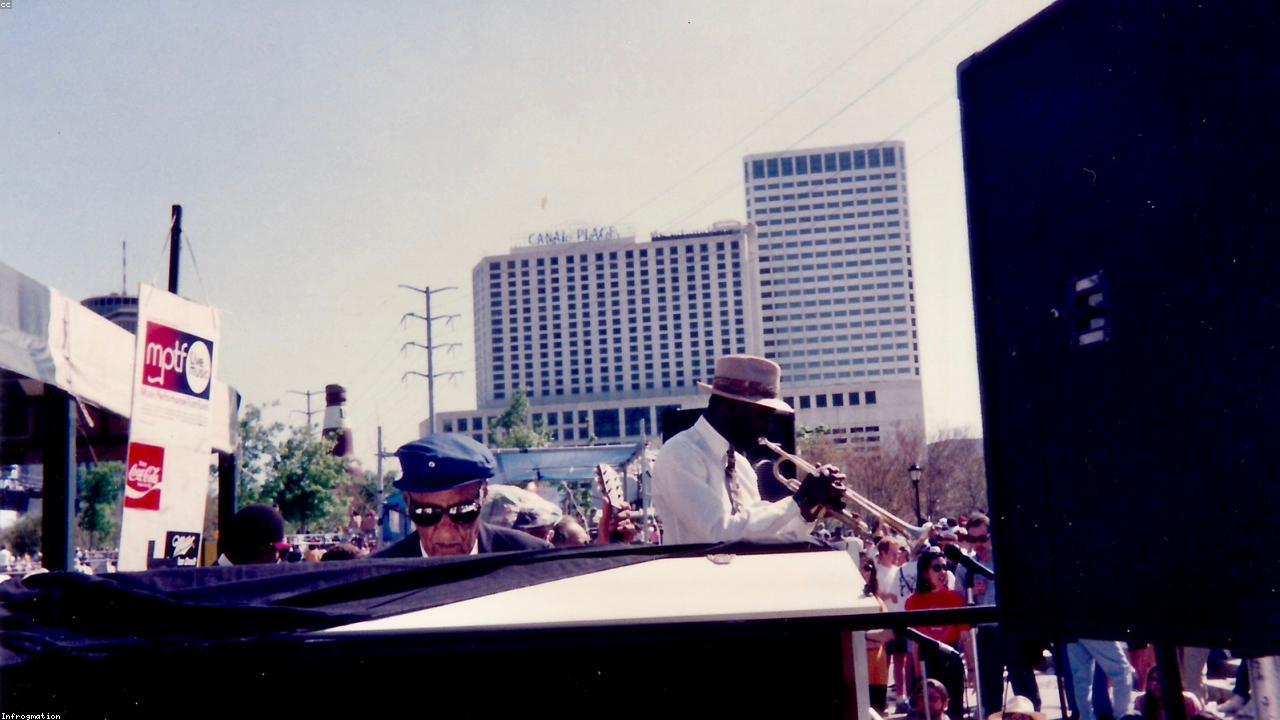
New Orleans, United States
New Orleans: the city that runs on jazz, gumbo, and the slow Mississippi
March 26, 2022
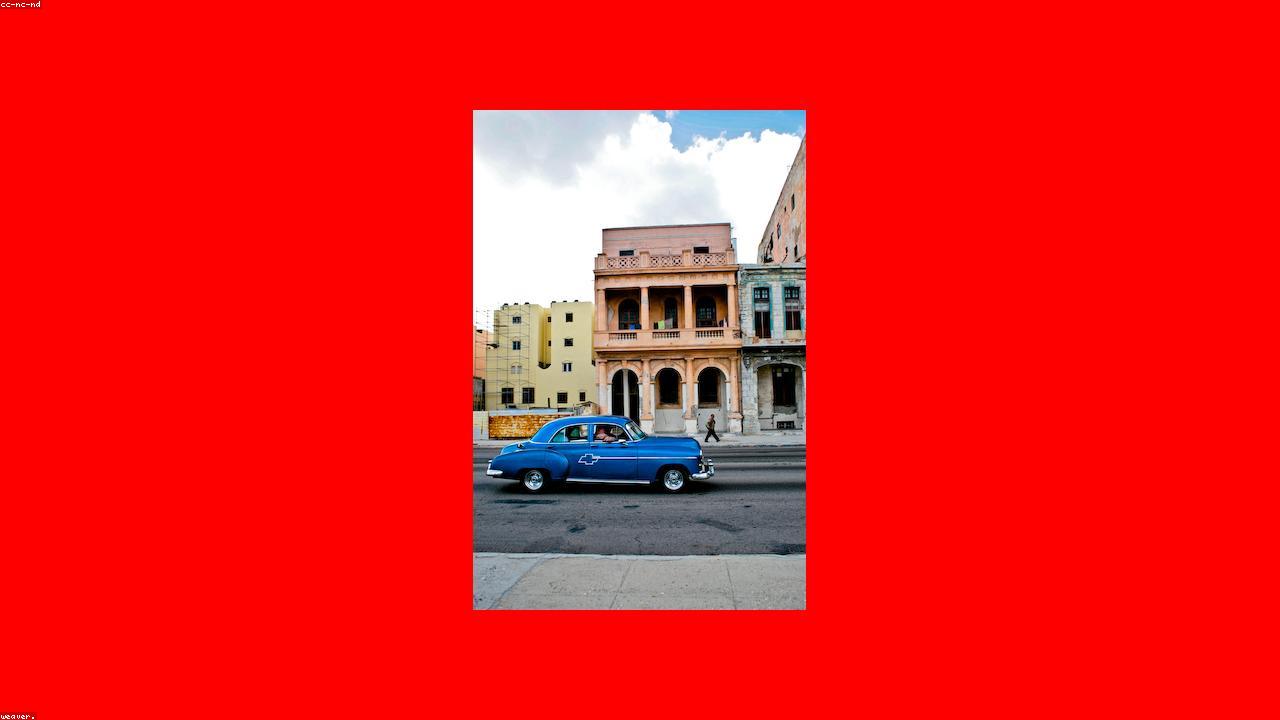
Photo: Ščenza
Havana, Cuba · North America
The short list, pulled out of the long essay. No opening hours, because they change and I would only get them wrong — just what is worth your morning, roughly when to turn up, and where I have wasted time so you don’t have to.
By Ščenza
Last checked
Vedado to Habana Vieja along the seawallSet off ninety minutes before dark
Havana's evening happens on this wall: men with hand-lines, children in the spray, couples, someone with a speaker, someone else with a trumpet and more confidence than range. Walking from Vedado towards the harbour takes about ninety minutes if you keep stopping, and you will. The buildings on the landward side are in slow spectacular structural failure, and it is worth remembering while you photograph them that people live behind those facades and would rather they were repaired.
Old HavanaSeven in the morning, before the heat and the groups
Plaza de la Catedral, Plaza Vieja, Plaza de San Francisco, Plaza de Armas — a loop of about two kilometres that eats half a day, because the interest is in the streets between them rather than the restored squares. Watch for the mediopunto fanlights, the stained-glass half-moons over the doorways that break the Caribbean light into colour. Go early, when people are queuing for bread and the squares still belong to the residents, and you get a different city from the eleven o'clock one.
Trocadero, near the PradoHalf a day; the two buildings are several blocks apart
Skip the universal-art palace if time is short and go straight to the Arte Cubano building. The twentieth-century Cuban modernists are the genuine surprise, and Wifredo Lam's La Silla — painted after he came home to the island in 1941 — does something with Afro-Cuban religion and Cubism that no European gallery had prepared me for. I went in meaning to spend an hour, spent three, and missed a lunch I had firmly promised to attend.
Centro Habana, near the universitySunday, late morning
Salvador González Escalona began painting this alley in 1990 and turned it into a permanent Afro-Cuban art project: murals, found-object sculpture, bathtubs converted into shrines. On Sundays a full rumba ensemble plays in a space far too narrow for it while the crowd presses in from both ends. It is not staged for visitors — it has run weekly for decades and would run if none of us showed up. Arrive before it starts and stand near the drummers rather than near the cameras.
Fortaleza de San Carlos de la Cabaña, across the harbourNightly at nine; cross the harbour a good hour before
Soldiers in eighteenth-century uniform march out, a lantern-keeper recites the history of the thing, and a cannon is fired across the water — a ritual begun in 1774 to announce that the city gates were closing for the night. It has been fired at the same hour ever since, through every government Cuba has had. Come early and walk the ramparts in the dusk with Havana lighting up opposite. The bang is louder than you have braced for. It was for me, on both occasions.
San Francisco de Paula, southeast of the centreMorning; it shuts when it rains
You do not go inside. You circle the house and look in through the open doors and windows, which sounds like a swindle and turns out to be better, because everything was left where it was — books stacked on the floor, bottles on the drinks trolley, the shooting trophies on the walls — and you read it like a diorama rather than a room. His fishing boat Pilar sits out in the grounds. Getting there and back is half a day and a shared taxi is the sane way to handle it.
Vedado, on Calle 26Thursday to Sunday, and check first — it closes for weeks
An old cooking-oil factory converted into galleries, screening rooms, concert spaces and bars over several floors, run by the musician X Alfonso. It is where young Havana actually goes, which makes it the least museum-shaped thing on this list. Verify it is open before you cross the city: it shuts for long stretches while new exhibitions go in, and I have stood outside a locked FAC with a taxi driver who found the situation considerably funnier than I did.
The long version
Havana is a city of crumbling baroque facades, 1950s American cars, the most particular post-Soviet political economy in the world, and a daily life that does not, despite the photo-tourism economy, perform for the camera. A short guide to the city's depths.
Read the full essay →New Orleans, United States
March 26, 2022
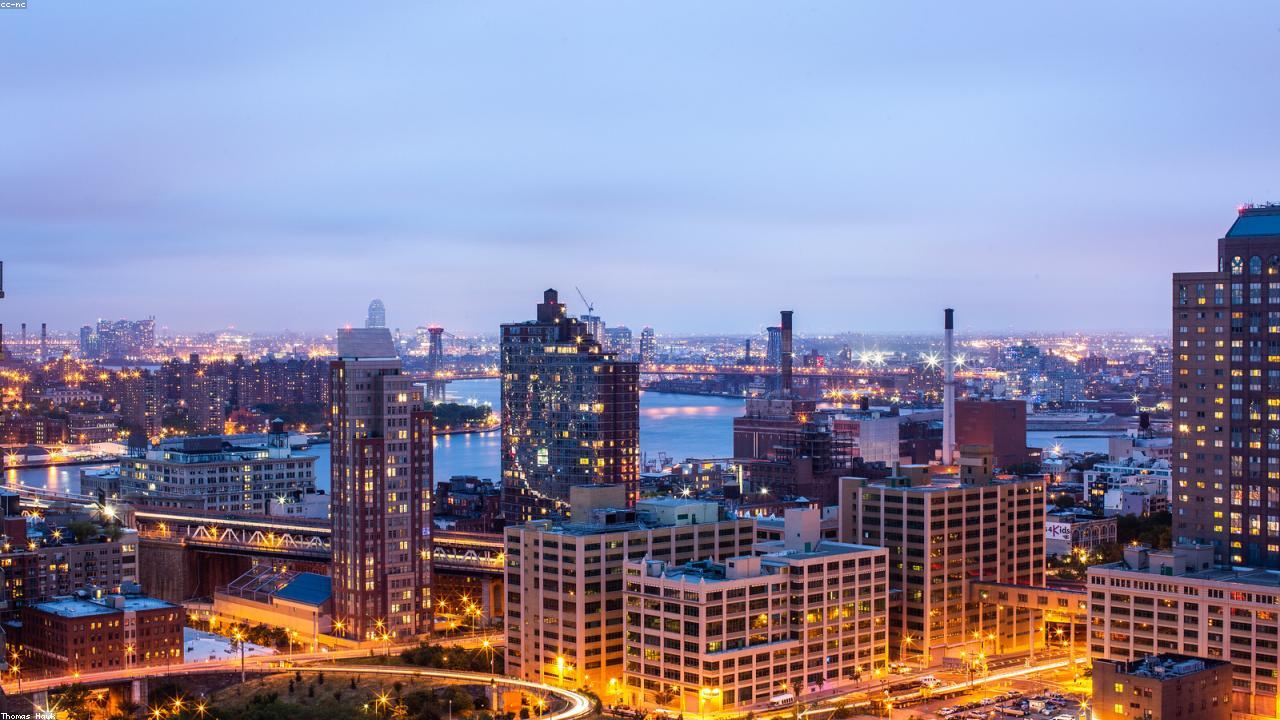
New York, United States
May 23, 2024
Mexico City, Mexico
November 30, 2023