North America
New York, United States
New York City, slowly: the case for staying put in one neighbourhood
May 23, 2024
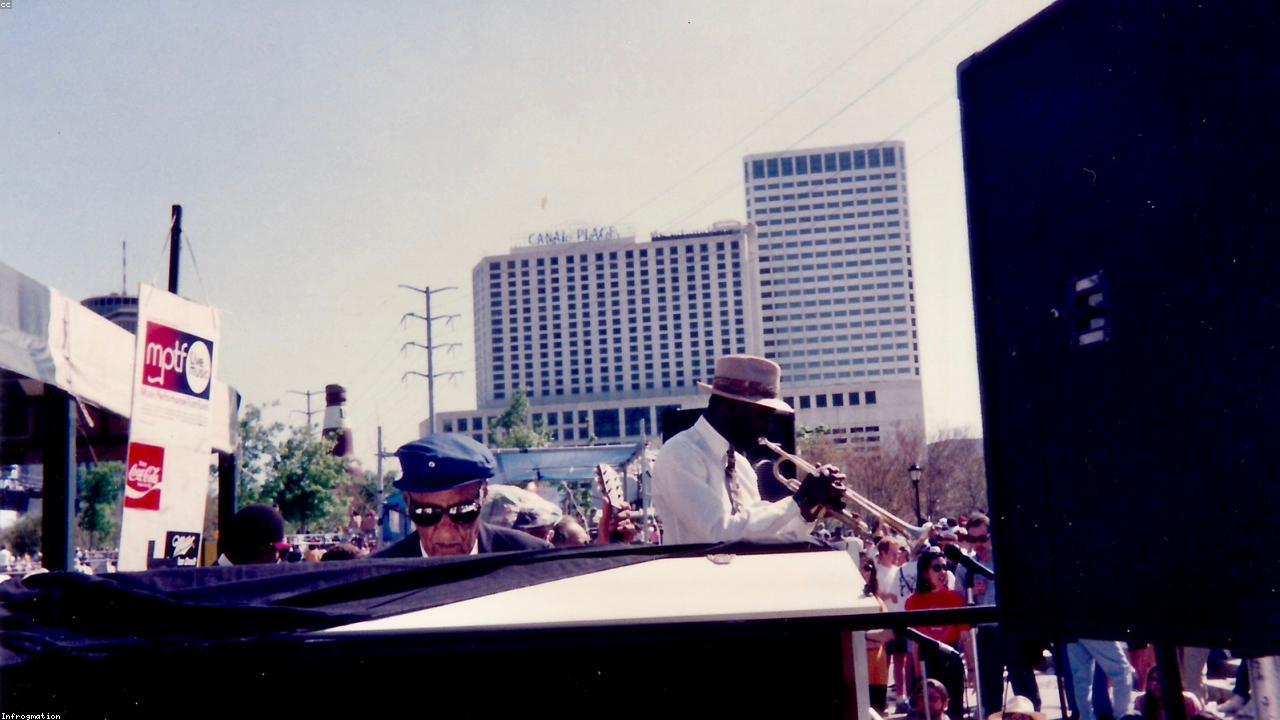
Photo: Ščenza
New Orleans, United States · North America
The short list, pulled out of the long essay. No opening hours, because they change and I would only get them wrong — just what is worth your morning, roughly when to turn up, and where I have wasted time so you don’t have to.

By Ščenza
Last checked
Vieux Carré — Royal, Chartres, Esplanade endThe first two hours after it gets light
Royal and Chartres before seven belong to delivery vans, street sweepers and a few people finishing a night rather than starting a day. The balconies read differently with nobody underneath them, and you notice that most of the Quarter is Spanish, rebuilt after the fires of 1788 and 1794, which is the fact almost everybody gets wrong. Finish at Café du Monde, going since 1862 and open around the clock, where the beignets arrive under enough icing sugar to end a dark shirt. Wear a light one. I did not.
Canal Street to Carrollton, via the Garden DistrictLate afternoon; sit on the left going uptown
Running since 1835, which makes it the oldest street railway still working anywhere, in mahogany-and-brass cars built in the early 1920s. The windows push up. There is no air conditioning, and in July that is a fact you wear rather than observe. Six and a half miles past the Garden District mansions, Tulane and Audubon Park — and the correct way to do it is to ride the whole line, get off, and ride it straight back, same seat, opposite light.
726 St Peter Street, French QuarterTake the first set; the queue forms before the doors
Since 1961 the room has had no bar, no air conditioning worth the name, cushions on the floor and benches for the fortunate. Sets are short and run back to back, so queueing outside is part of the design rather than a failure of it. The band plays traditional New Orleans jazz to about a hundred people with nothing plugged in, and the trombone slide will be roughly a metre from your face. My knees have never forgiven those floor cushions and I would sit on them again tomorrow.
Tremé, Central City, the Seventh Ward — the route movesSunday afternoons through the season; not high summer
Social aid and pleasure clubs — mutual-benefit societies going back to the 1880s, when insurers would not cover Black New Orleanians — parade behind a brass band, and everyone walking along behind is the second line. It is not staged and it is not put on for you, which is exactly why it is worth going: buy from the drinks cart, tip the band, dance badly at the back, stay out of the club's way. WWOZ publishes where they are. I once followed one for two hours in entirely the wrong shoes and would do it again this Sunday.
Warehouse District, on Andrew Higgins DriveHalf a day at the absolute minimum
It sits in New Orleans because Andrew Higgins built the landing craft here, and it has grown into several pavilions and one of the better history museums in the country. The Liberation Pavilion, which deals with what the war cost and what came afterwards, is the part that quietly takes people apart. Allow far longer than you have planned. I went in for two hours before dinner, missed dinner, and sat in the lobby afterwards not saying anything.
City Park, beside the New Orleans Museum of ArtFirst hour after it opens, or the last of the day
Ninety-odd sculptures set under live oaks around two lagoons, free to walk into, and hardly ever crowded. City Park holds some of the oldest live oaks in the country and they behave the way old oaks do — whole limbs lying along the ground because the tree could not be bothered to keep holding them up. Come here after the WWII Museum. The city offers nowhere better for saying nothing for an hour.
Wallace, Louisiana — about an hour west of the cityWeekday morning; check the day before you drive out
Most of the great houses along River Road tell you about the family who owned the place. Whitney tells you about the people they owned — by name, by age, through the Federal Writers' Project interviews, and through the sugar kettles standing in the yard. Sugar was the worst work in the American South and the memorials here say so without softening it. You will not enjoy the visit; that is not what it is for. It is the most necessary thing to do near this city. Go in the morning and leave the rest of the day empty.
The long version
New Orleans is the rare American city that is structurally not American. The Creole, French, Spanish, African, and Caribbean inheritances combine into a culture — and a cuisine, and a music — that exists nowhere else on the continent. Skip the French Quarter early in the day; the city is bigger than its postcard.
Read the full essay →New York, United States
May 23, 2024
Mexico City, Mexico
November 30, 2023
Havana, Cuba
October 19, 2021