Europe
Lisbon, Portugal
Lisbon, the city I came back to live in
February 14, 2025
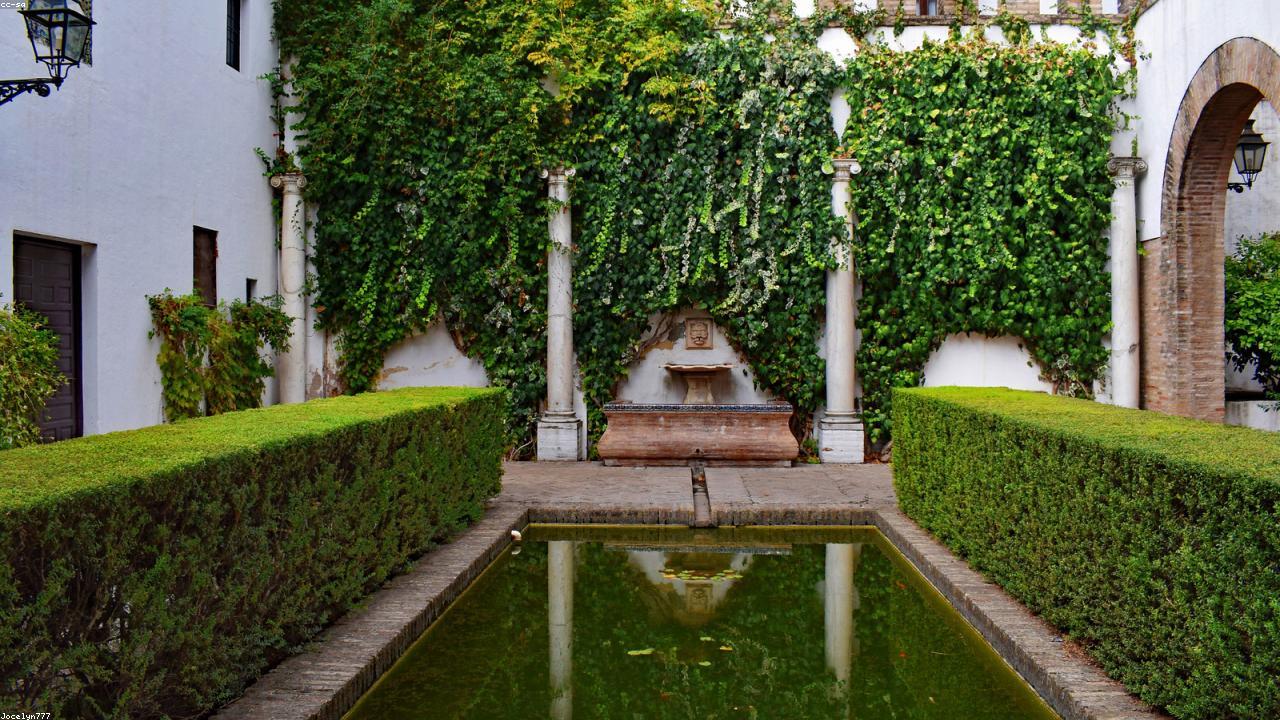
Photo: Ščenza
Seville, Spain · Europe
The short list, pulled out of the long essay. No opening hours, because they change and I would only get them wrong — just what is worth your morning, roughly when to turn up, and where I have wasted time so you don’t have to.
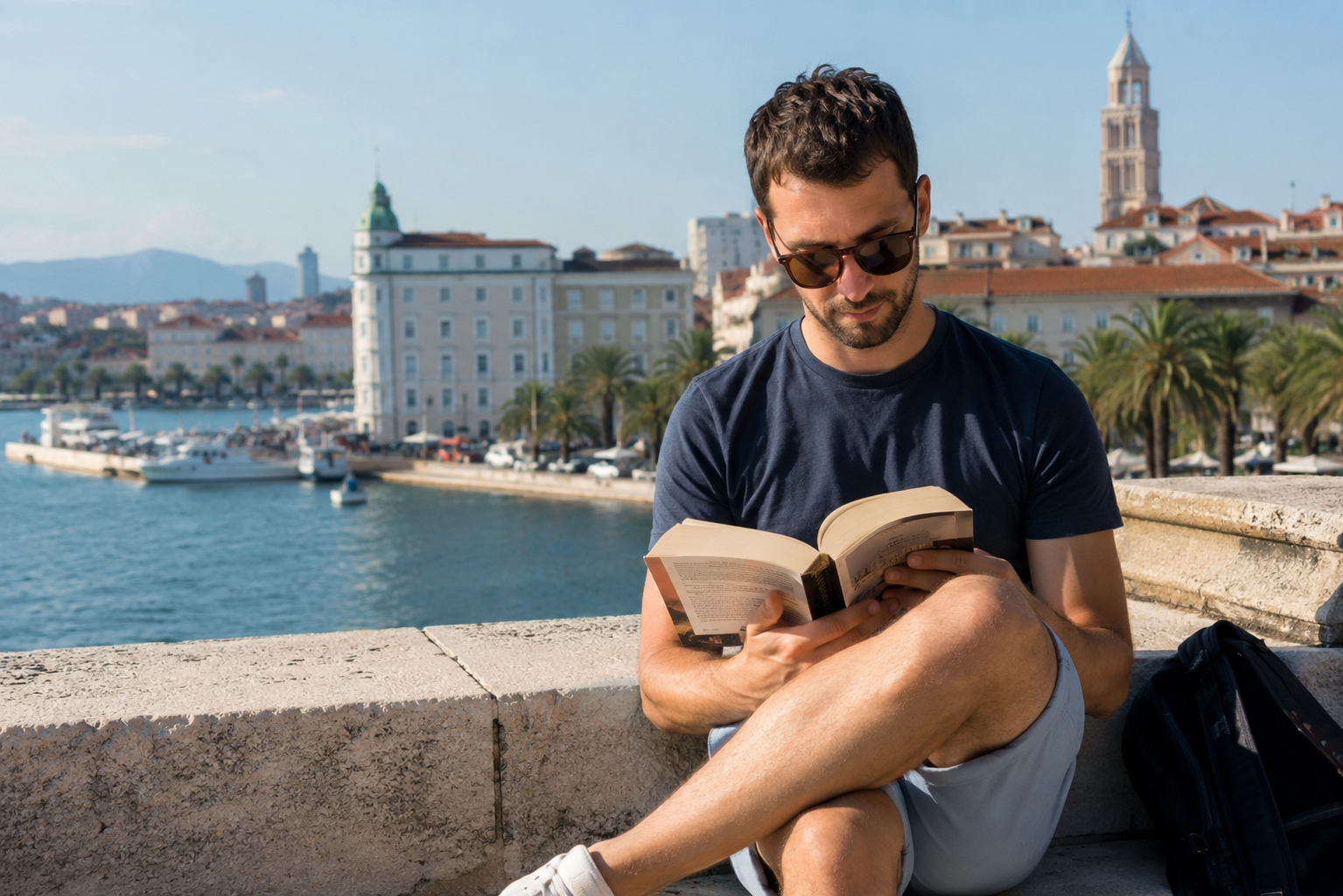
By Ščenza
Last checked
Santa Cruz, beside the cathedralFirst slot of the day; book weeks ahead in spring
Pedro I built his palace here in the 1360s using craftsmen from Granada and Toledo, which is why a Christian king's throne room carries Arabic inscriptions praising God and nobody at the time appears to have minded. The Patio de las Doncellas is the photograph; the Patio del Yeso, Almohad and far older, is the courtyard I return for. Pay separately for the upper apartments — the royal family still uses them when they are in town — and you get a timed visit with about eight other people while the queue downstairs does what queues do.
Seville Cathedral, Avenida de la ConstituciónStraight after the cathedral opens
No stairs: thirty-five ramps, because the Almohad builders who finished the minaret in 1198 wanted the muezzin to ride up rather than walk. The result is the gentlest famous climb in Europe — round and round a hollow core, the light changing at every opening, quietly overtaking people who had braced for something worse. The bells at the top are enormous and will go off beside your head if your timing is poor. Mine was.
Between Alfalfa and San IldefonsoMornings; the Medinaceli family still lives upstairs
Half the tour groups in Seville never find this one, which is how a courtyard holding two dozen Roman busts and a Greek Athena stays quiet on an October morning. It is a sixteenth-century duke's house that could not choose between Mudéjar tilework and Italian Renaissance marble, so it has both, in the same rooms, arguing. The upper floor is a separate guided visit and contains a ceiling that made me sit down. The gardens are small and full of orange trees, which in this city is not a distinguishing feature.
South of the old town, along the river sideEarly morning, or the last hour before sunset
Aníbal González built this half-circle for the 1929 Ibero-American Exposition and gave every Spanish province its own tiled alcove, with the result that every Spaniard who visits walks straight to their own and photographs it. Cross the bridges over the canal, then keep going into María Luisa park behind, where the paths go dark under old ficus trees and the temperature drops several degrees. In August that difference is the entire reason the park exists.
Plaza del Altozano, Triana, across the bridgeLate morning, before the fish counters pack up
Fish, ham, olives, cheese and a dozen counters where you eat standing — a working market first and a tourist one second, still, just about. Underneath are the excavated foundations of the Castillo de San Jorge, seat of the Spanish Inquisition for three centuries, now an interpretation centre you can walk into. Buying prawns directly above the cells of the Inquisition is a thoroughly Sevillian arrangement, and nobody behind the counters finds it worth remarking on.
Calle Cuna, in the old townBook the same morning; the room is very small
Not a dinner show: a small room, no food, no amplification, an hour of cante, guitar and one dancer close enough that you feel the boards through your shoes. Casa de la Memoria has been doing this on Calle Cuna for years and sells out most nights. If you want the deeper version, the peñas across the river in Triana are where the form actually lives, but they are clubs and you need someone to bring you. Start here. I did, and I had been comfortably wrong about flamenco for two decades before that.
9 km north-west; city bus from Plaza de ArmasMorning, before the sun gets into the amphitheatre bowl
Trajan was born here and Hadrian's family came from here, and because no modern town was ever built over the top, you walk on Roman streets with the mosaics still in place — birds, planets, Neptune — under open sky. The amphitheatre seated twenty-five thousand and you can go down into the pit beneath the arena floor. I grew up between Diocletian's palace and Salona, so I turned up smug about Roman ruins, and Itálica removed the smugness in roughly eleven minutes.
The long version
Seville is a city where the afternoon doesn't really happen — it's too hot — and the evening doesn't really begin until 9. Plan accordingly. The four hours between then and midnight are when everything that matters in this city actually happens.
Read the full essay →