Africa
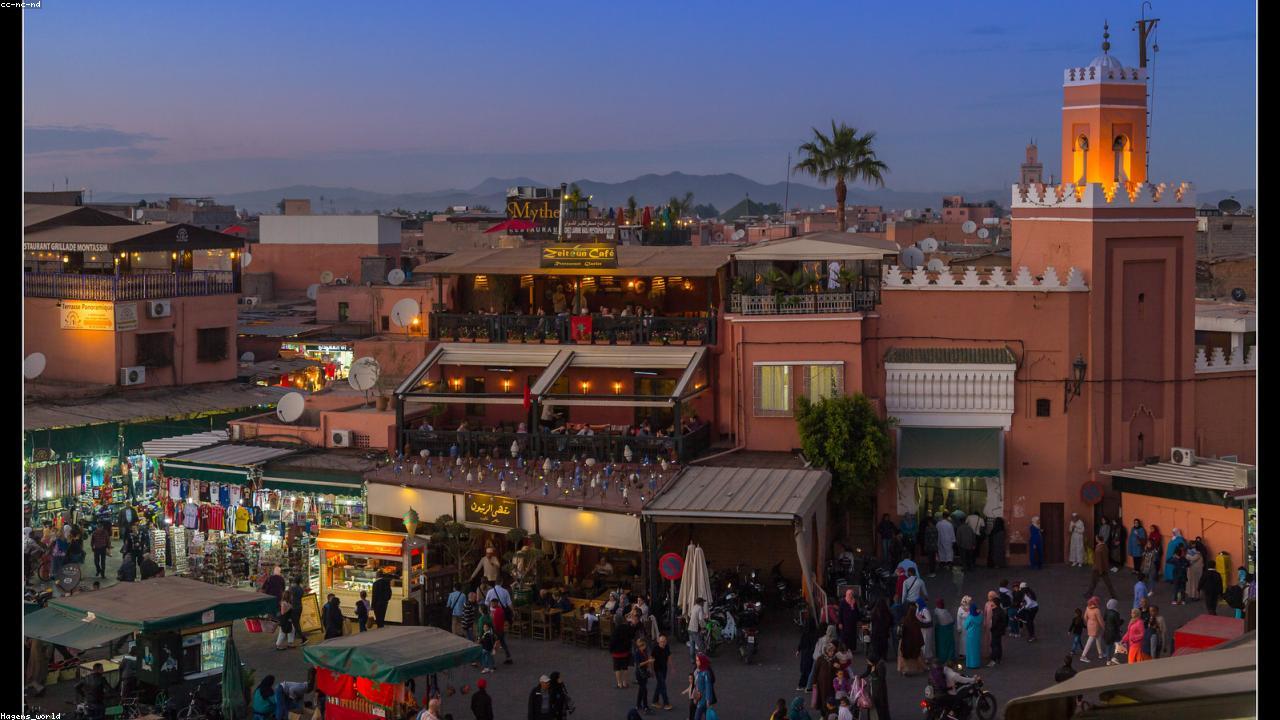
Marrakech, Morocco
Marrakech inside the medina: a week in the red city
November 30, 2021
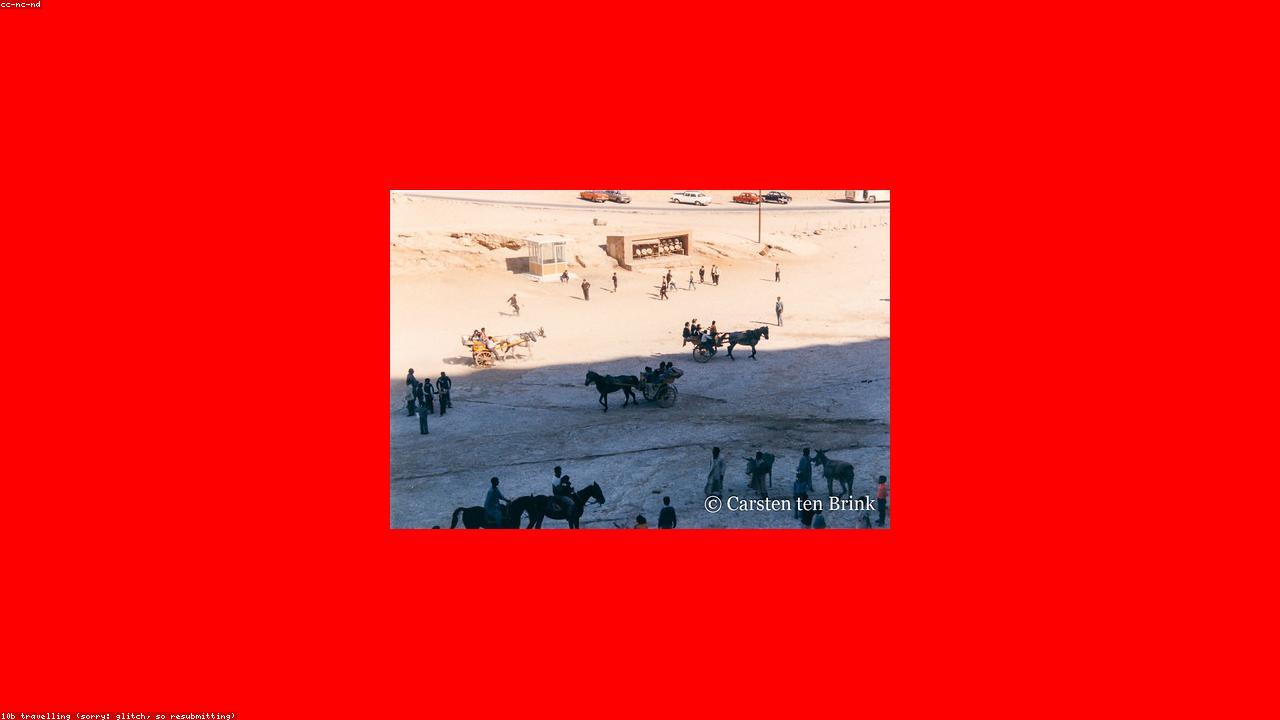
Photo: Ščenza
Cairo, Egypt · Africa
The short list, pulled out of the long essay. No opening hours, because they change and I would only get them wrong — just what is worth your morning, roughly when to turn up, and where I have wasted time so you don’t have to.

By Ščenza
Last checked
Giza — about an hour west of central CairoFirst entry of the day, before the heat arrives
Private cars and coaches no longer go up onto the plateau. You come in through the newer gate off the Fayoum road and ride an electric shuttle between the monuments, which has taken some of the chaos out of the morning and a little of the character with it. Go at opening regardless. The Great Pyramid at seven, light still flat, horse handlers not yet warmed up, does what everyone says it does: it stops the conversation. You can go inside Khufu on a separate ticket — hot, bent double, mostly corridor. I have done it once and consider the account settled.
Giza, within sight of the pyramidsA full day; tickets are sold online only
Opened in full in November 2025 after two decades of delays, and it turns out to have been worth the wait: the entire Tutankhamun assemblage, more than five thousand objects, shown together for the first time since Carter emptied the tomb. The grand staircase alone takes twenty minutes if you stop, and you will stop. Booking is online now, no tickets at the door. I turned up without one on my first attempt and spent that morning in a car park, delivering a short private lecture to myself on the subject of planning.
Fustat, Old CairoLate afternoon, after the Coptic quarter
Twenty-two kings and queens were driven across the city in 2021 in a televised parade, Ramses II among them, and they now lie in a dim, cool, deliberately hushed lower gallery. No photography — and for once everybody complies. Hatshepsut is here. Seti I's face is in visibly better condition than mine after a long flight. It is the most sober room in Egyptian tourism and the one I find myself thinking about weeks later.
Sayyida ZeinabMid-morning, and not during Friday prayers
Built between 876 and 879 and still standing in its original form, Ibn Tulun is the oldest intact mosque in Cairo and the emptiest large space in the city: a vast courtyard you can cross without meeting anybody, and a spiral minaret borrowed from Samarra. Then step through the wall into the Gayer-Anderson house, where a British major spent the 1930s stuffing two joined Ottoman mansions with furniture, mashrabiya screens and secret doors. One of its rooms turns up in a Bond film. The contrast, twenty metres apart, is the whole point.
Islamic Cairo, the medieval coreLate afternoon into the evening, when the street is lit
Coppersmiths, wedding-dress shops, men carrying trays of tea above their heads — al-Muizz is a kilometre of Fatimid, Ayyubid, Mamluk and Ottoman architecture that is, first of all, still a working street. Climb one of the minarets at Bab Zuweila for the rooftop view; the stair is dark, the treads uneven, the top worth it. Finish at El-Fishawy in Khan el-Khalili, pouring tea since 1797, run by the same family for seven generations, where Naguib Mahfouz wrote and where you will be offered a wallet at roughly four-minute intervals.
Darb al-Ahmar, on the eastern edge of the old cityThe hour before sunset
Thirty hectares of garden, built by the Aga Khan Trust on top of five centuries of accumulated rubble and rubbish, opened in 2005, and now the only large green space the historic city has. The terraces face west over the Citadel and a thousand minarets, with the haze doing what haze does to a low sun. Families arrive at dusk with picnics and children who have been indoors all day. Split has the Marjan and largely takes it for granted; Cairo made this out of a tip and does not.
Mar Girgis, Old Cairo — reachable on the metroMorning; check whether a liturgy is running
Two Roman towers of the Babylon fortress still carry the Hanging Church, whose nave is suspended over the old gate passage — there is a glass panel in the floor so you can look down at the drop. Within a few hundred metres: the Ben Ezra Synagogue, where the Cairo Geniza hoard was found, the Coptic Museum, and several churches on a lane so narrow that two people have to negotiate. This is a working religious quarter, not an exhibit. Dress the way you would for a church at home, assuming you were raised to. I was.
30–40 km south of Cairo, on the desert edgeA full day; take Dahshur first to dodge the coaches
Djoser's Step Pyramid at Saqqara is the oldest large stone building anybody managed, and Imhotep was visibly working it out as he went — six stacked mastabas, the idea of a pyramid arriving mid-construction. Then Dahshur, twenty minutes on, where Sneferu got the angle wrong on the Bent Pyramid and then right on the Red one beside it. You can climb down inside the Red Pyramid: a long stooped descent, a smell I will not attempt to describe, and three empty corbelled chambers. Almost nobody else is there, which after Giza feels like a clerical error.
The long version
Cairo is 22 million people, dust, traffic, and a continuous Islamic-and-pharaonic history that no other city on earth can match. Plan a week. Plan, also, for the noise.
Read the full essay →Marrakech, Morocco
November 30, 2021
Istanbul, Turkey
September 4, 2023
Varanasi, India
December 18, 2022