Oceania
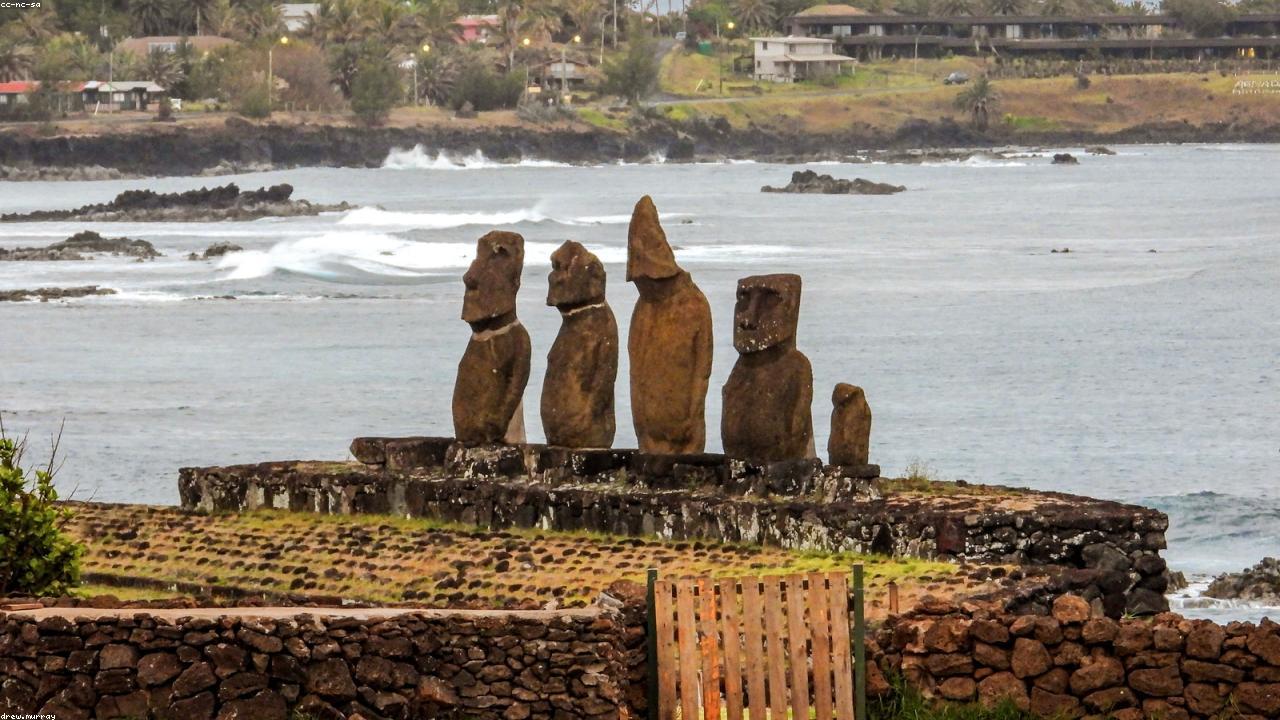
Hanga Roa, Chile
Easter Island: Rapa Nui and the moai at the world's most remote inhabited place
September 8, 2021
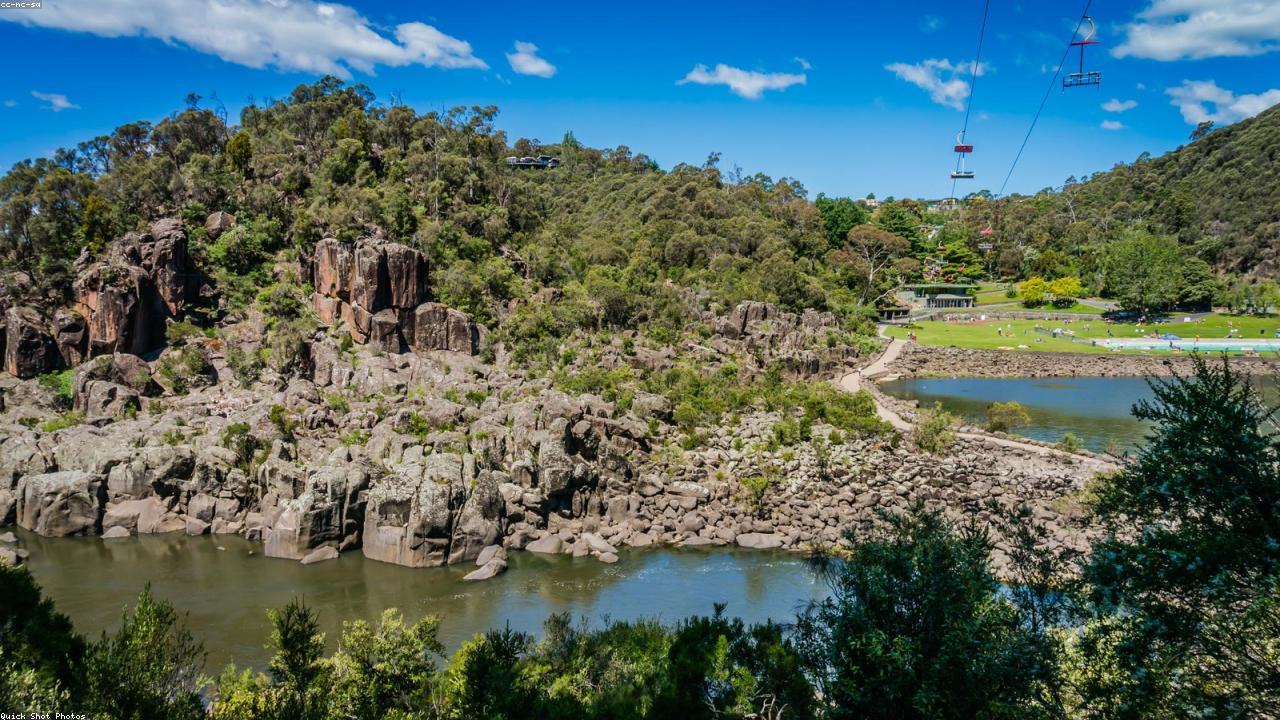
Photo: Ščenza
Hobart, Australia · Oceania
The short list, pulled out of the long essay. No opening hours, because they change and I would only get them wrong — just what is worth your morning, roughly when to turn up, and where I have wasted time so you don’t have to.
By Ščenza
Last checked
Berriedale, north of central HobartA full day, on the first boat from Brooke Street Pier
David Walsh opened it in 2011, built into a sandstone cliff, so you enter at the top and descend three levels into the rock — a deliberate reversal of the way a museum normally flatters its visitors. The collection is confrontational, occasionally juvenile, and frequently very good indeed. The Ladies Lounge, a work only women were allowed into, was sued over by a male visitor in 2024 and won on appeal, which is the most MONA sequence of events conceivable.
Cradle Mountain–Lake St Clair National ParkTwo to three hours; shuttle bus from the visitor centre
Six kilometres of boardwalk and track around a glacial lake with Cradle Mountain standing at the far end, through the mossy tangle they call the Ballroom Forest and past a boatshed that appears on roughly every second postcard printed in this state. You cannot drive in while the shuttle is running; you queue for the bus like everyone else, and that is the correct policy. The Overland Track starts near here and takes six days. This takes a morning and explains why people commit to the six.
About 22 km by road from central HobartAny clear hour; check the road for snow first
Twelve hundred and seventy-one metres straight up above the city, reached by a sealed road, with an enclosed lookout at the top because the summit has recorded gusts past 200 km/h and takes no interest at all in your hat. The dolerite Organ Pipes are the cliff you can see from town. Snow is possible in any month of the year. I have been up three times and had a view once, which Hobart people tell me is a respectable average.
Salamanca Place, Hobart waterfrontSaturday morning
Georgian sandstone warehouses along the old whaling waterfront, and on Saturdays the whole street turns into stalls — Tasmanian cheese, cool-climate pinot, leatherwood honey, oysters, and more woodwork than one island should be able to produce, all of it from timber with a story attached. It is the one morning a week when Hobart is unambiguously busy. Arrive ahead of the coaches, eat your way along one side, then do the other side properly.
Freycinet National Park, east coastLookout 1–1.5 hours return; the beach 2.5–3.5
The lookout walk is 2.6 km return and climbs through the pink granite of the Hazards, and the great majority of people stop there, take the photograph and turn round. Keep going. The descent to the beach doubles the walk and empties it almost completely. The name is usually explained by the shape of the bay; the other explanation, told just as often on the east coast, is that whaling turned the water that colour.
Tasman Peninsula, about 97 km south-east of HobartA full day; the site is much bigger than it photographs
A convict station from 1830 to 1877, World Heritage listed in 2010, where the Separate Prison ran the silent system — hoods, numbers in place of names, no speech permitted — and documented what it did to the men who went through it. The gardens are pretty and the ruins photograph beautifully and neither of those is the point. There is also a memorial garden to the thirty-five people killed here in 1996. Read the notice at the entrance about how to conduct yourself around it, and then conduct yourself accordingly.
Ferry from Triabunna, about 90 minutes from HobartDay trip, or a night in the old penitentiary at Darlington
No cars, no shops, one convict settlement, and wombats grazing the ground at Darlington as though nothing much has happened since the commissariat store went up in 1825. The Painted Cliffs are iron-oxide staining through sandstone and look like somebody ran a marbling comb across them. Tasmanian devils were introduced in 2012 as a disease-free insurance population. Carry everything you will need; there is nowhere to buy a coffee, which I established the hard way.
Macquarie Harbour, west coastHalf a day; the reflections need a still morning
Tannin-stained water the colour of weak tea, so still on a good morning that the rainforest doubles exactly on the surface, and Huon pine on the banks that was already standing before any European saw this coast. The boats stop at Sarah Island, a penal station so severe that its prisoners built ships in order to escape from it. This is the river the Franklin Dam campaign saved in the 1980s, and about ten minutes on the water tells you what the argument was about.
The long version
Tasmania is Australia's island state, the size of Ireland, with one of the largest temperate-wilderness reserves on earth and a small population concentrated on the eastern coast. The walking, the food, and the genuine emptiness are the reasons to come.
Read the full essay →Hanga Roa, Chile
September 8, 2021
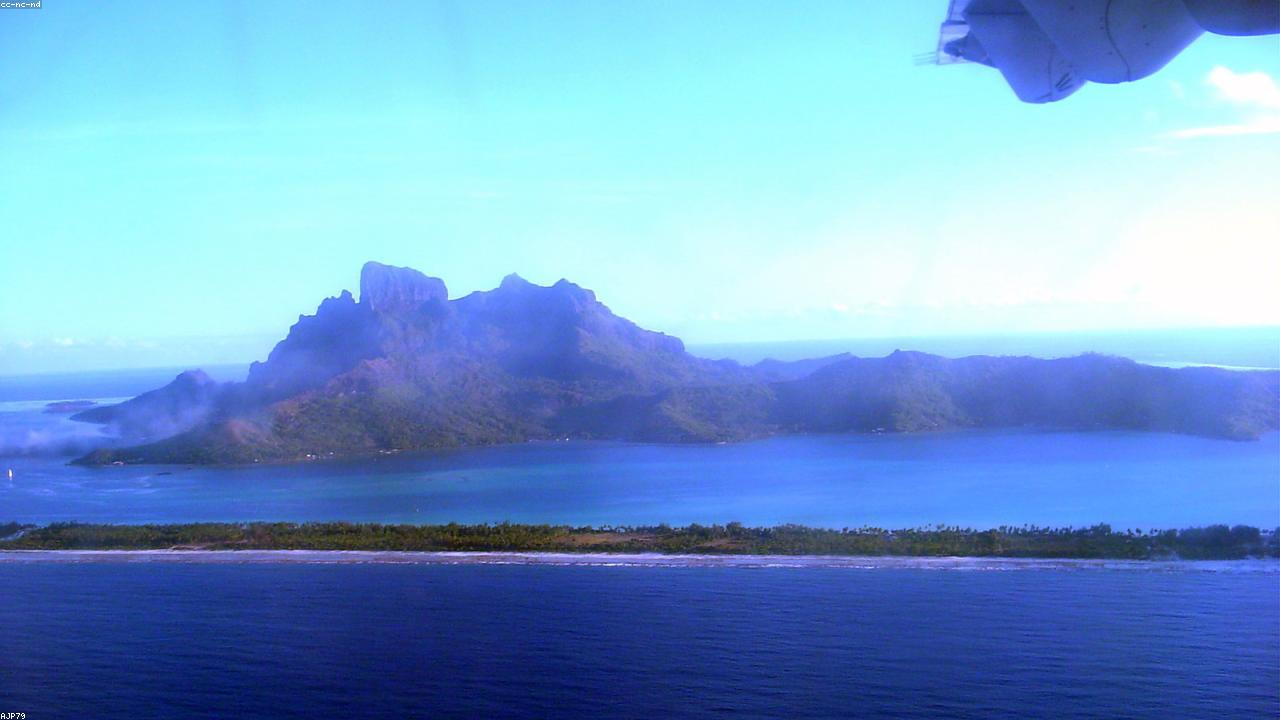
Papeete, French Polynesia
June 15, 2021
Nadi, Fiji
May 29, 2021