Europe
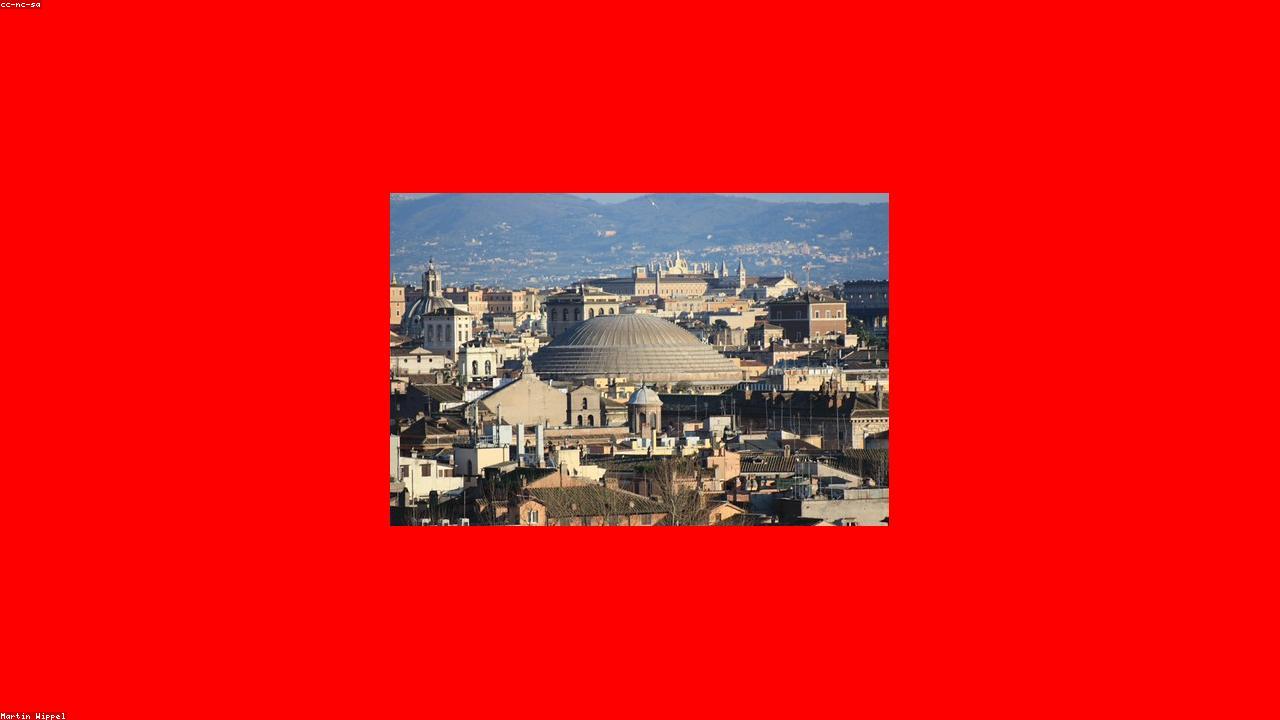
Rome, Italy
Rome on the fourth day: when the city finally stops shouting
May 22, 2023
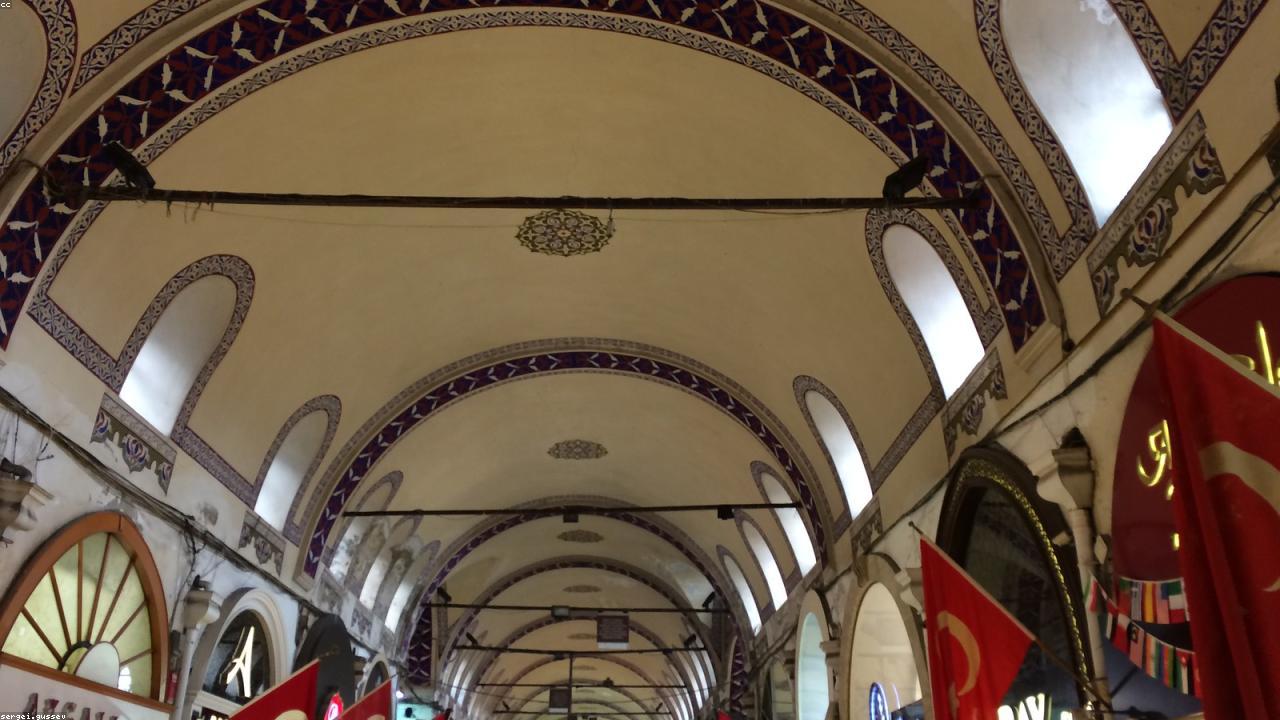
Photo: Ščenza
Istanbul, Turkey · Europe
The short list, pulled out of the long essay. No opening hours, because they change and I would only get them wrong — just what is worth your morning, roughly when to turn up, and where I have wasted time so you don’t have to.
By Ščenza
Last checked
Sultanahmet, a minute from Hagia SophiaFirst entry of the day, or late, once the queue has gone
Justinian's sixth-century water tank, entered by walking down into a forest of secondhand Roman columns holding up a brick ceiling. It shut for five years and reopened in 2022 with fourteen hundred cubic metres of twentieth-century concrete taken out of it, so you are now standing above the original Byzantine floor. The two Medusa heads in the far corner are reused blocks, one laid on its side, one upside down, and nobody can tell you why. The lighting has gone a little theatrical since the works. The columns are unbothered.
Third hill, above the Golden HornBetween prayer times; the terrace is best late in the day
Sinan built the whole complex on a stepped terrace running down the hillside, partly for the engineering and partly, I suspect, because he knew exactly what the view would do to people. Come out of the north door and the Golden Horn is laid out below you with Galata on the far side. Süleyman and Hürrem lie in tombs in the garden. Sinan is in a small one at the corner of the enclosure wall, roughly the size of a bus shelter, which is the most Ottoman piece of self-editing I know of.
Hasırcılar Çarşısı, behind the Spice BazaarMid-morning, outside prayer
You get to it up a staircase wedged between market stalls, and that is deliberate: Sinan put the prayer hall on the roof of a row of shops so the rents would pay to run it. Inside is İznik tile from the moment the workshops had cracked the sealing-wax red — walls, piers, mihrab, everything. It was closed for restoration for years and reopened to a standard people still argue about. Two hundred metres away is a bazaar where I have now been sold expensive saffron twice by the same smile.
Golden Horn, west of the Atatürk BridgeA weekday morning; churches keep their own Sunday hours
Steep lanes with Greek, Jewish, Armenian and Bulgarian layers stacked on one hillside, and the red brick bulk of the Phanar Greek Orthodox College of 1881 sitting above the lot like a town hall for a town that has largely left. St Stephen's down on the water was cast in iron in Vienna in 1896 and bolted together here in 1898; it reads as stone until you are close enough to count rivets. The lanes have been photographed into a weekend coffee circuit lately. Go midweek and it is a neighbourhood again.
Sultanahmet, on the point above the BosphorusClosed Tuesdays. Harem first, courtyards afterwards
The palace is four courtyards of increasing exclusivity and most people walk them in order and run out of attention somewhere in the third. Do the Harem first, while you still have some: a warren of tiled corridors where the dynasty actually lived and where the politics were actually done. Then come out to the Fourth Court for the Baghdad Kiosk, put up to celebrate Murad IV retaking Baghdad in 1638, whose painted ceiling has defeated every camera I have ever pointed at it.
Princes' Islands, ferries from Kabataş or BostancıA weekday. On a summer Sunday half the city has your idea
Carriage horses were retired from the islands in 2020 after a glanders outbreak killed eighty-one of them, and the place now runs on bicycles, feet and small electric shuttles, which is an improvement for everyone concerned including the island. Wooden Ottoman summer houses in every state between collapse and restoration, and the hill path up to Aya Yorgi at the top. Take the earliest boat you can face — I once took a late one back and stood the whole ninety minutes, which taught me something durable about planning.
Çukurcuma, downhill from İstiklalClosed Mondays. Give it two hours, not one
Orhan Pamuk wrote a novel and then built the thing the novel describes: a wooden house holding eighty-three display cases, one for each chapter, filled with the accumulated objects of an obsessive love affair. One case contains four thousand two hundred and thirteen cigarette butts. It won European Museum of the Year in 2014 and, unusually for a museum attached to a book, it is genuinely about looking rather than reading. I went in sceptical and left having bought the novel for a second time.
Karaköy to Beyoğlu, 573 metresAny time. The ride is over in about ninety seconds
Opened in January 1875, the second-oldest underground urban railway anywhere after London's, dug so that European merchants would not have to walk up the hill from the port. Five hundred and seventy-three metres, and the trip ends before you have finished sitting down. Then walk back down through Galata for the version with the staircases and the cats and the instrument shops. In Split we complain about the climb up to Marjan; the Ottomans tunnelled under a slope half as steep.
The long version
Istanbul cannot be done in a long weekend. The city is fifteen million people, two continents, two thousand years of capital-city memory, and a Bosphorus that runs straight through the middle of all of it. Plan for a week. Plan, also, for the ferries.
Read the full essay →