Europe
Istanbul, Turkey
Istanbul: the city of two continents, and the patience it asks of you
September 4, 2023
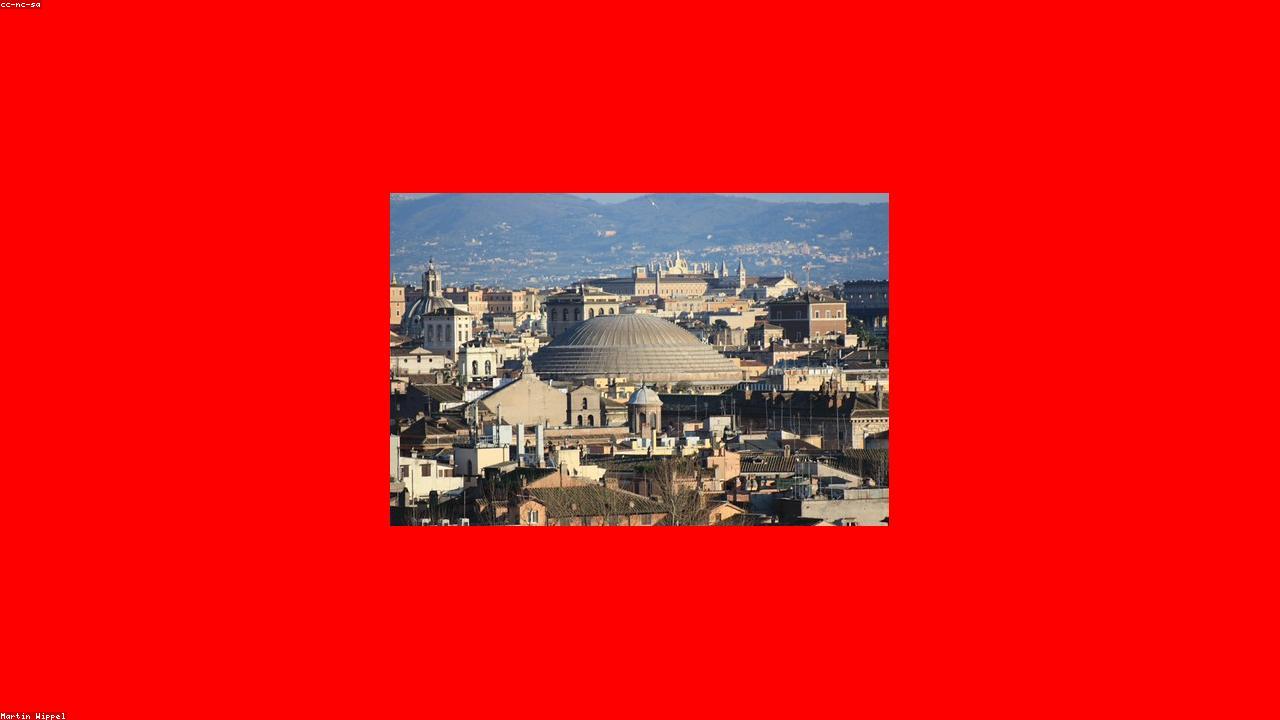
Photo: Ščenza
Rome, Italy · Europe
The short list, pulled out of the long essay. No opening hours, because they change and I would only get them wrong — just what is worth your morning, roughly when to turn up, and where I have wasted time so you don’t have to.
By Ščenza
Last checked
Via Labicana, between the Colosseum and San GiovanniMid-morning, before the Roman lunch shutter comes down
At street level the church is twelfth-century, which in Rome barely qualifies as old. Underneath it is a fourth-century basilica, and underneath that a first-century house with a Mithraeum in it, altar and all, the god still knifing the bull. You go down two staircases and thirteen hundred years, and at the bottom you can hear water running through a channel nobody has fully traced. I took a friend from Split down there who pours concrete for a living and he spent the entire visit knocking on the walls.
Ostiense, Metro B to GarbatellaA weekday afternoon
In 1912 this was a thermoelectric power station; it stopped generating in 1963 and since 1997 it has held about four hundred Roman marbles arranged among the turbines and diesel engines. A colossal Fortuna stands in front of a boiler the size of a house. It ought to be a gimmick and it isn't — the black machinery kills the glare that makes museum marble look like soap, and you finally see the carving. I had the second hall to myself on a Tuesday, a luxury the Vatican Museums cannot sell you at any price.
South from Porta San Sebastiano; bus from Circo MassimoSunday or a public holiday, when the road is shut to cars
Sunday is the day, because private traffic is banned and the road goes back to being basalt paving worn into cart ruts, umbrella pines, and the tombs of people nobody remembers. UNESCO added it to the list in 2024, which changed nothing about the walking. San Callisto runs underneath: four levels, twenty kilometres of tunnel, something like a hundred and seventy thousand graves. I hired a bike at the park gate with the saddle set for a much taller man and pushed it the last kilometre.
Beside Termini stationClosed Tuesdays. Go straight up to the second floor
Livia painted the walls of an underground dining room at Prima Porta around 30 BC with a garden running the whole way round — quinces, pomegranates, birds, no horizon and no people in it. The room was lifted out and rebuilt on the second floor here, and standing in the middle of it is as close as anyone gets to a two-thousand-year-old room that is not a ruin. The museum holds roughly a third of Rome's ancient art, four minutes from a station where thousands of people a day are waiting for a train and looking at their phones.
Via delle Terme di Caracalla, below the AventineLate afternoon. On a few summer nights it opens after dark
Imperial plumbing at a scale that makes the Pantheon look restrained: brick vaults still standing thirty metres up with every scrap of marble stripped off them, so what you walk around inside is the structural honesty of the thing. On a handful of evenings between July and October they open after sunset and take you into the service tunnels and the Mithraeum, the largest in the city. I came three times in daylight and only understood the place underground, which is roughly my record with Rome in general.
Piazza Mincio, between Via Salaria and Via NomentanaTwenty minutes, on the way to something else
Twenty-six small palaces and seventeen detached houses put up in the 1920s by Gino Coppedè, who took medieval, baroque and classical motifs and used them the way a child uses a costume box. There is an arch with a chandelier hanging under it. There are twelve frogs on a fountain the Beatles jumped into in 1965 after playing the club up the road. People live here, so keep your voice down. It takes twenty minutes and rearranges what you thought Rome's twentieth century looked like.
45 minutes from Piramide on the Lido lineClosed Mondays. Go early; there is no shade in the insulae
Rome's port, abandoned rather than buried, so you get streets, apartment blocks with staircases you can still climb, a theatre, bars with the marble counter in place, and a public latrine with twenty seats and no partitions between them. Pompeii without the coach parks and without the ash. Your ordinary metro ticket covers the whole journey out. I once spent four hours there and counted eleven other people, three of whom were custodians eating lunch under a pine.
Testaccio, at PiramideLate morning, before the Testaccio market winds down
Keats is in the old corner under a stone that does not carry his name, Shelley's ashes are up the slope, and Gramsci is a plain block a short walk from both, which is a strange set of neighbours to have arrived at by accident. Cypresses, cats, the Aurelian wall on two sides, and it runs on donations. Half an hour is enough. I have gone in on every visit for fifteen years and I still cannot find Keats without taking the same wrong turn at the same holly bush.
The long version
Rome is a city that asks you to surrender, and the surrender takes about three days. On day one you fight it. On day two you photograph it. On day three you eat too much. On day four, if you're lucky, you simply walk in it. This piece is for day four.
Read the full essay →