Photo: Ščenza
Bangkok, Thailand · Asia
Bangkok at street level: the city of dawn markets and slow evenings
Bangkok is, for most visitors, a transit city — a 48-hour stop on the way to a beach. Done at that speed, it is overwhelming and exhausting. Given a full week, it becomes one of the most rewarding urban experiences in Southeast Asia.
By Ščenza
· updated · 5 min read
It’s 5:42 a.m. and the Thai woman at the noodle cart on the corner of Charoenkrung 36 is already three orders into the day. The broth has been on since 4. The pork has been slow-simmering even longer. A monk in saffron passes the corner with his alms bowl; the woman bows; the broth keeps simmering. This is the Bangkok the day-tripper never sees, and it is the Bangkok worth spending a week in.
Why I keep coming back
Bangkok is, in my view, one of the three or four best street-food cities on earth. The food culture is not concentrated in famous restaurants; it is spread, evenly and continuously, across every block. The same fifty Thai dishes are being cooked, with extraordinary care, at thousands of independent street stalls and open-front shophouses. The system has been refined over a century.
The city is also, after twenty years of visits, more layered than its reputation suggests. The historic Rattanakosin district has the gold-leafed Wat Phra Kaew and the Grand Palace. The Chinatown lanes (Yaowarat) have a Cantonese-Thai cooking lineage going back to 1850s migration. The Chao Phraya river, with its express boats and small long-tail boats up the khlong canals, is a city in itself.
Where to base yourself
Bang Rak / Silom for the convenience of the BTS Skytrain, walking distance to the river, hotel range from cheap to good.
Old Town (Banglamphu), near Khao San Road if you want the backpacker historic centre, around Phra Athit Road for a more pleasant local version.
Sukhumvit for the modern hotel zone and the malls; useful for first-time visitors who want familiarity.
Thonburi side, across the river, for a quieter, lower-rise, more residential base.
What to actually do
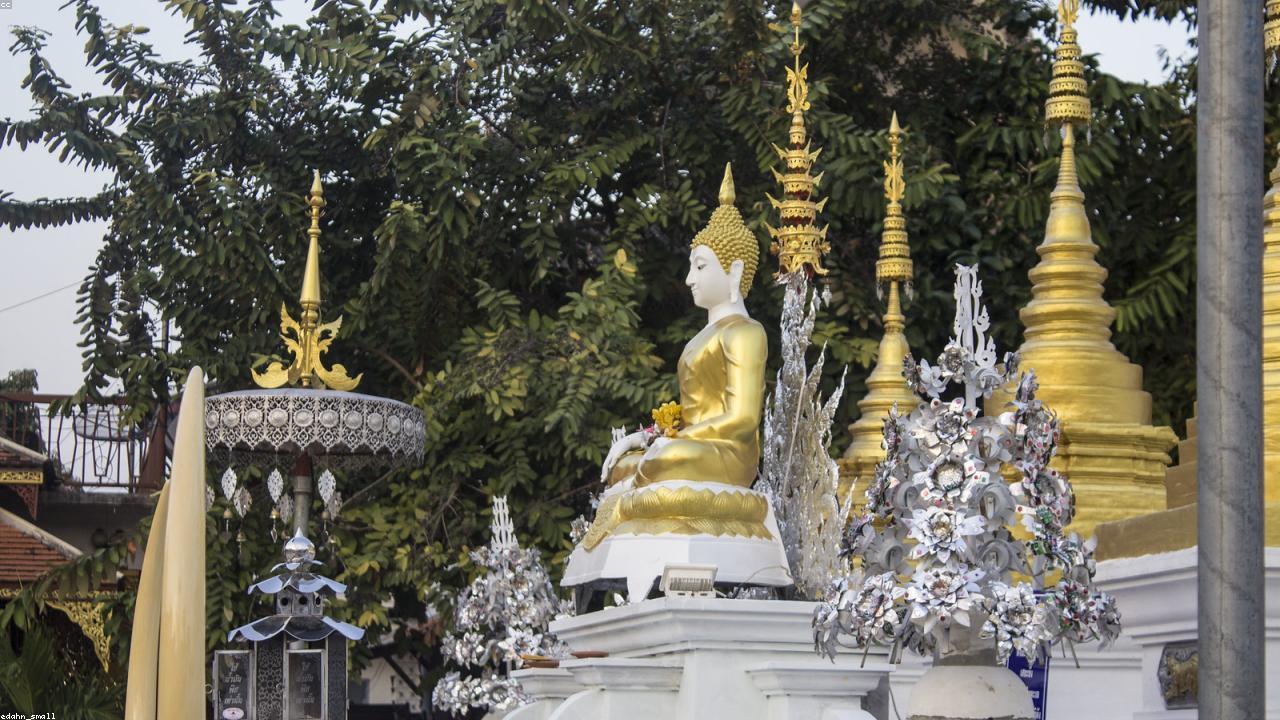
Visit the Grand Palace at first opening. Wat Phra Kaew is the country’s most sacred temple, with the Emerald Buddha (actually jade, only 65 cm tall, dressed in seasonal gold robes changed three times a year by the king). Open at 8:30 a.m. Get there at 8:25. Dress code: shoulders and knees covered, no flip-flops.
Take the Chao Phraya Express boat. The orange-flag boat, ₿16 per ride, runs the length of the city. Use it as a hop-on, hop-off — Wat Pho, Wat Arun, the riverside markets. Far better than the tourist boat.
Walk Yaowarat (Chinatown) at night. The Sampheng lane is the daytime market; Yaowarat Road becomes the city’s most concentrated street-food strip after 6 p.m. Nai Mong Hoi Tod (oyster omelette), T&K Seafood (yes, the green-and-orange uniforms; the prawns), the small chestnut roasters, the durian sellers.
Get a Thai massage. The traditional form is muscular and assertive — passive yoga with deep pressure — and quite different from the Western spa experience. Health Land is the reliable chain at fair prices. Wat Po Thai Traditional Massage School is the place to learn the lineage.
Take the train to Ayutthaya. The old Thai capital, 80 km north, sacked by the Burmese in 1767, now a UNESCO archaeological park of brick temples. The fast trains go from Krung Thep Aphiwat and take a little over an hour; the ordinary ones from Hua Lamphong take closer to two. A long day, but worth it.
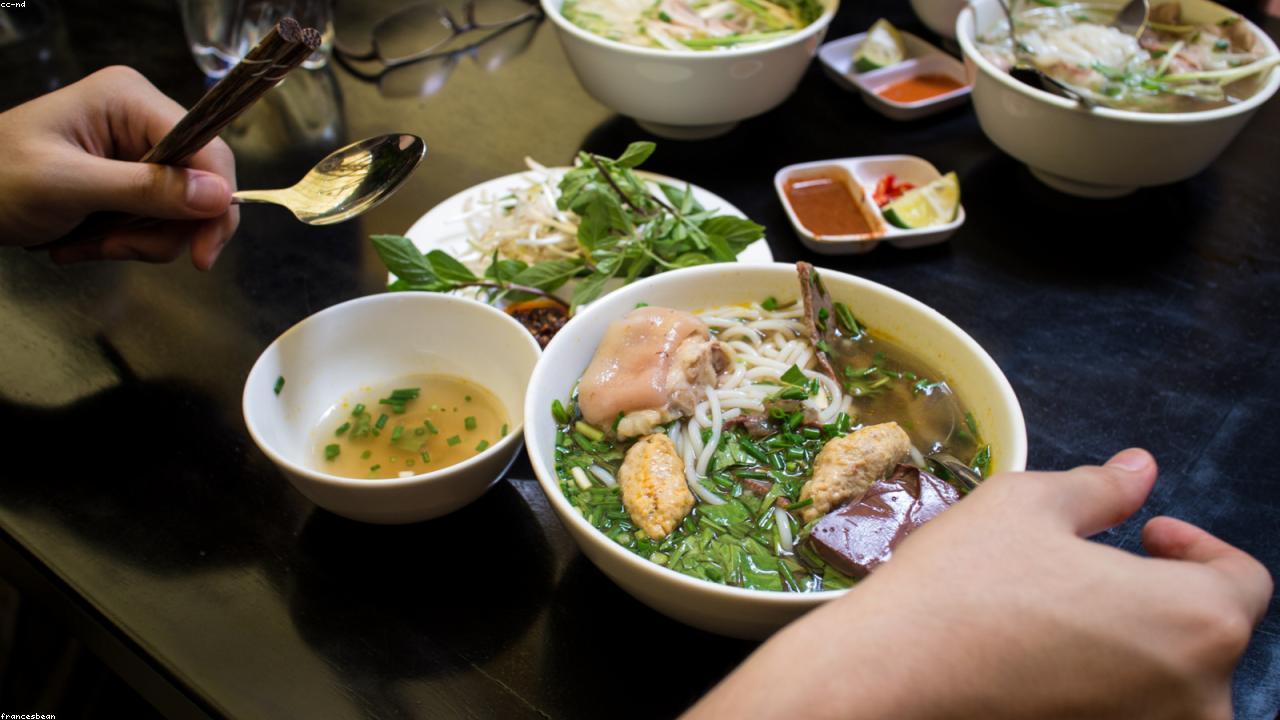
Eat a 100-baht (around US$3) lunch. A bowl of boat noodles. A plate of pad krapao. A grilled chicken with sticky rice and somtam (papaya salad). The cheapest of these meals, at a working-class stall, will be the best Thai food of your trip.
Where to eat
The street food is the point. But there are a few sit-down places worth seeking out.
Jay Fai (Banglamphu) — The Michelin-starred crab-omelette street-food shop. The chef cooks in ski goggles over high flame. Queue or reserve weeks ahead. Krua Apsorn (Banglamphu) — Royal Thai cuisine; the yam khao tod (crispy rice salad). Bo.lan — Fine-dining Thai (chef David Thompson trained); kept it small. Nahm at the COMO Metropolitan — The other Thompson project; refined, expensive. Soei (Yaowarat) — A 40-year-old corner shophouse; the gaeng som (sour orange curry). Boon Tong Kiat (Sukhumvit Soi 16) — Hainanese chicken rice; you don’t go to Bangkok for it but you should eat it once. Eim Fa-Ngam — Boat noodles. Five baht extra for the pig’s blood enrichment if you’re brave.
When to come
November through February — the cool, dry season. Temperatures 28–32°C, low humidity by Bangkok standards.
March and April are the hottest months (38°C+, humid); avoid if possible.
The rainy season (June–October) is not as disruptive as people think — afternoon thunderstorms but mostly bright mornings, fewer tourists, lower prices.
Practical notes
- Visa: Visa-on-arrival or visa-free for most Western passports for 30 days.
- Money: Thai baht. Card increasingly accepted but cash is still king at the street level. ATMs charge ฿220 foreign fee per withdrawal; pull large amounts.
- Transport: The BTS Skytrain and MRT subway are the spine of modern Bangkok. The Chao Phraya boat is the spine of old Bangkok. Tuk-tuks are a one-time experience and a permanent tourist tax; metered taxis (insist on the meter) are fine.
- The two-tier pricing: Some temples and attractions charge foreigners more than Thais; this is normal, not a scam.
- Scams: The ‘Grand Palace is closed today, but I know a special place’ tuk-tuk routine. The friendly gem-shop pitch. The ‘tourist police’ approach. All real and predictable.
- The dress code at temples: Shoulders and knees covered everywhere. Photography is fine; flash is sometimes restricted.
A final thought
Bangkok has been changing rapidly for thirty years. The expressways have gone up, the BTS Skytrain has knit the city together, the mall culture has expanded, and the older shophouse neighbourhoods have been gradually replaced. But the street-food culture has, against the demographic odds, persisted. The vendors are older now — many of them in their seventies, the next generation choosing other work — and there is a real question whether the system survives another twenty years at its current density.
My strong advice is to come now, while it does. Eat at the carts. Tip generously. Learn a dozen dish names in Thai. Sit on the plastic stools. Drink the iced black coffee. The Bangkok that the postcards sell — the temples, the river, the Buddha — is real and worth seeing. The Bangkok that keeps me coming back is the one on the corner of Charoenkrung 36 at 5:42 a.m., where a woman in her sixties is starting her ninetieth thousand bowl of noodles. Cities are made of people who keep cooking. Eat the noodles. Tell her they’re good. They are.
If you only have a few days
8 ideal things to do in Bangkok
Wat Pho and the massage school in its back cloister
Rattanakosin, a few minutes' walk south of the Grand PalaceFirst hour of the morning, before the palace crowd spills over
Forty-six metres long and fifteen high, the reclining Buddha cannot be seen whole. You shuffle down one flank collecting a shoulder, then an elbow, then the mother-of-pearl soles of the feet, and assemble the thing in your head on the way out. Behind the cloisters is the traditional medicine and massage school that has taught the lineage here for generations. I bought an hour of it and produced a noise I had not made since tearing a hamstring on a pitch in Solin. The woman working on my back did not look up. She has presumably been hearing that noise from men my age for years.
The morning walk through Talat Noi and Song Wat
River lanes immediately south of YaowaratBefore ten, while the workshops still have their shutters up
Engine parts. That is the honest first impression of Talat Noi: alley after alley of men rebuilding gearboxes on the pavement, a Chinese shrine wedged between two of them, and the Holy Rosary Church a few hundred metres on, Portuguese by descent and stubbornly Catholic in the middle of all this. I got lost in there for forty minutes and was eventually pointed back towards the river by a man who did not stop dismantling a crankshaft while pointing. Song Wat next door has the tall old trading shophouses and the better light. Go early; by noon everything is flat and half the street is asleep.
Yaowarat Road after dark
ChinatownFrom about six in the evening; Mondays are noticeably thinner
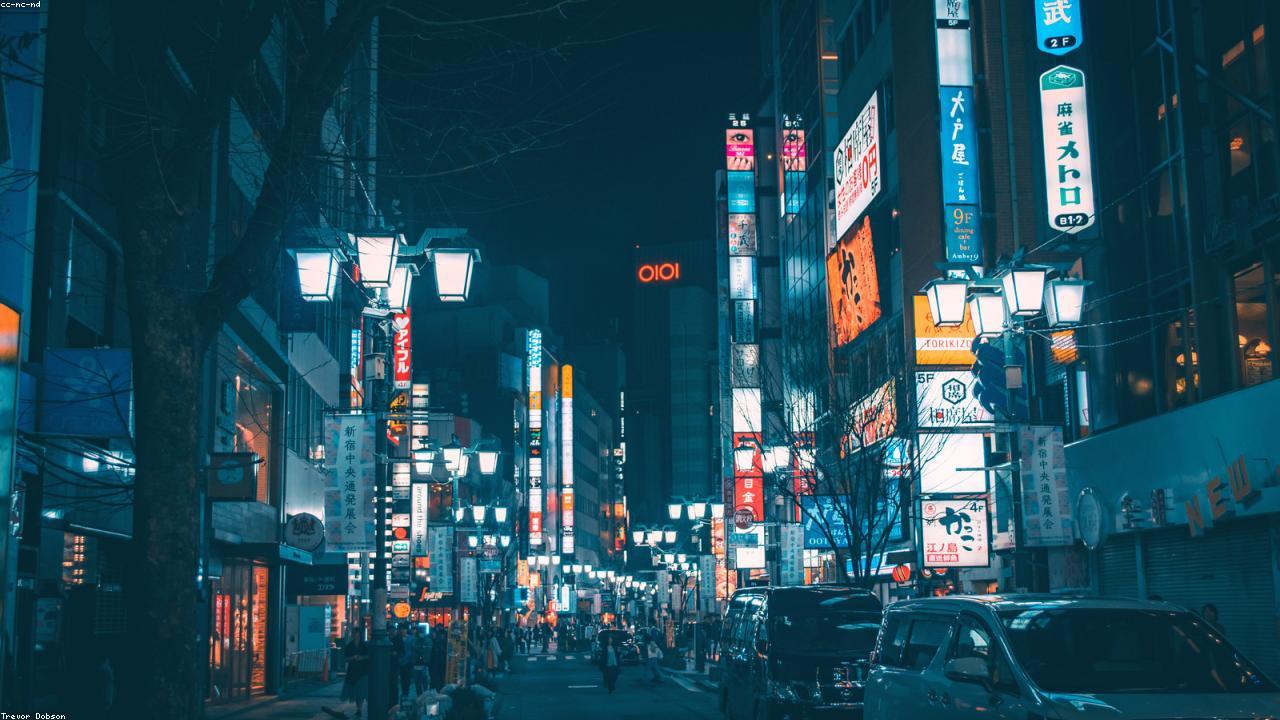
Charcoal smoke, Chinese neon two storeys high, chestnut roasters turning pans of hot gravel, and a wall of woks that does not let up until well past midnight. The Riva in Split on an August evening has perhaps one grill going and a queue in front of it. Yaowarat has hundreds of stalls and a queue in front of almost none of them, which took me an embarrassing number of visits to read as abundance rather than as a warning. Eat standing up. Order whatever the person ahead of you ordered. The oyster-omelette pans and the seafood shophouses towards the Charoen Krung end are the obvious anchors.
The Chao Phraya express boats
Piers from Nonthaburi in the north down to Wat RajsingkornFlag colours shift through the day; the fast commuter runs are morning and late afternoon
Boats here are sorted by the coloured flag on the stern and nobody explains the system to you. Orange used to be the workhorse; these days yellow covers most of the middle of the day and the weekends. I once boarded the wrong flag with enormous confidence and received a free tour of the northern suburbs, standing up, holding a bag of mangosteens. Take the commuter boats rather than the blue tourist one — same river, same temples sliding past, except you are on it with people going to work instead of people being told what they are looking at.
Jim Thompson House
Soi Kasemsan 2, off Rama I, on a small canalLate afternoon, when the teak has gone the colour of dark honey
Six old teak houses, several of them shipped down from Ayutthaya and reassembled here in 1959 by the American who revived the Thai silk trade, walked into the Cameron Highlands in 1967, and was never found. The compound is small, deeply shaded, and feels about ten degrees cooler than the road outside it. The guides handle the disappearance with careful professional neutrality. I did not, and spent the rest of that afternoon constructing theories at a friend who had not asked for any of them.
Wat Saket, the Golden Mount
Pom Prap Sattru Phai, at the edge of the old canal ringLate afternoon; the week-long temple fair falls around Loy Krathong in November
Three hundred and forty-four steps spiral around an artificial hill to a gold chedi and the only proper view over the whole old city. The climb is gentle and shaded and lined with bells that every single visitor rings, so you ascend inside a continuous polite racket. I had told myself in advance that a man from a city built on a hillside does not find stairs difficult. Split, however, is not thirty-four degrees at ninety per cent humidity. Come in November and the entire mount is wrapped in red cloth and the stairs fill with candles.
Cycling Bang Krachao
The river loop at Phra Pradaeng; cross by longtail ferry from the Bangkok bankEarly morning, before the heat settles in
A teardrop of swamp and coconut palm inside a bend of the Chao Phraya, largely undeveloped, threaded with raised concrete paths about a metre wide and a metre above the water. You hire a bicycle at the ferry landing and ride those. I came off one into a banana plant inside the first ten minutes, which I am told is roughly the local average, and rode much slower and enjoyed it far more afterwards. Si Nakhon Khuean Khan Park in the middle is where you stop and listen to a city of eleven million people doing absolutely nothing.
The train to Ayutthaya
80 km north; most northbound services now leave from Krung Thep AphiwatOut on an early train, back before dark
Ayutthaya was the Siamese capital for four centuries until the Burmese sacked it in 1767, and what remains is an archaeological park of brick prangs, headless Buddhas, and one famous stone head held in the roots of a fig tree at Wat Mahathat. The train is slow, cheap, and full of people simply going somewhere. I hired a bicycle at the station with one functioning brake and consequently approached every temple in the park with unusual reverence and an extremely wide turning circle.
From a Split boy’s notebook
The Split lens
What reminded me of home
Working-class street-food culture where the same family has cooked the same dish at the same corner for forty years. Bà Tu's pho is what our Buffet Šperun should be — a single excellent thing, cooked by one person, served on a plastic stool. We had this with our *konobe pučkog tipa* (working-class konobas). Most have been priced out.
What Split could borrow
Bangkok regulates street food via permits that protect the small operators and exclude the large chains. Our old-town food scene has tipped almost entirely toward chains and tourist-priced restaurants. A protected street-food permit system for the limited stalls we have left would preserve them.
Who can take you
Tour operators & guides to try
A short, opinionated starter list — just my humble opinion. Verify before booking.
Intrepid Travelsmall groupwww.intrepidtravel.com →
Intrepid's Thailand itineraries do Bangkok as a 2–3 night gateway — temples, the river, the Chinatown night-food crawl — with the rest of the trip moving north or to the islands. Group size 12–16. The Bangkok portion is competent rather than deep; the food walks are the highlight. Caveat: if you only want Bangkok, the city is easier and cheaper to do alone than via a group tour; reserve Intrepid for the multi-region trips.
Expiquespecialistexpique.com →
Expique is the long-running Bangkok food-and-bike-tour company running since 2012 — the evening street-food walks through Chinatown, the bicycle tours through Bangkok Noi and Thonburi, the sunset Chao Phraya cruises with sit-down dinner. Groups around 8. The guides are locals; the stalls visited are the working ones, not tour-bus stops. Caveat: pricier than the freelance tuk-tuk-and-guide arrangement you can put together yourself, but the curation is worth the premium on a first visit.