Photo: Ščenza
Singapore, Singapore · Asia
Singapore: the small city-state that gets the small things right
Singapore has, for two generations, been written off by travel writers as too clean, too efficient, too engineered. They were almost always passing through. Stay a week and you discover a small, dense, multi-ethnic city of profound urban design intelligence and one of the best hawker-food cultures on earth.
By Ščenza
· updated · 4 min read
It’s 12:14 p.m. at the Maxwell Food Centre and I’m at a small formica-topped table with a plate of Hainanese chicken rice from Tian Tian — the stall Anthony Bourdain made famous — for the equivalent of US$4. The chicken is poached perfectly, the rice is fragrant with chicken fat, and the chili-ginger sauce has the elemental sharpness that Singaporean food culture has, somehow, sustained at street-stall prices through two decades of property booms.
Why I keep coming back
I underestimated Singapore on my first three visits. Each was 36 hours on the way somewhere else; I left thinking the city was a clean, expensive, slightly dull stopover. The fourth visit was for a week, in 2014, and the country revealed itself.
What changes the impression is the hawker-centre culture (now UNESCO-listed), the multi-ethnic neighbourhood layering (Chinese majority, Malay, Indian, and Peranakan communities all visible in their own districts), the architectural intelligence of the public housing (HDB blocks designed around courtyards and communal verandas), and the surprising depth of the small-museum and small-restaurant scene.
Where to base yourself
Tiong Bahru for the heritage Art-Deco walk-up flats, independent cafés, and a young creative neighbourhood.
Chinatown / Tanjong Pagar for the central energy and the hawker centres.
Kampong Glam (the Malay-Muslim quarter) for the boutique shopping and the food.
Joo Chiat / Katong for the Peranakan shophouses and the eastern, lower-rise residential atmosphere.
What to actually do
Eat at a hawker centre, daily. Maxwell, Tiong Bahru, Old Airport Road, Lau Pa Sat, Tekka — each has its character and its specialist stalls. A meal is S$4–8.
Walk the Southern Ridges trail. A 10-km park-and-treetop walkway from Mount Faber to Kent Ridge Park, including the Henderson Waves bridge. Free, well-signed, an unexpectedly green view of the city.
Visit the National Gallery. In the former Supreme Court and City Hall buildings, with the world’s most comprehensive Southeast Asian art collection. A full afternoon.
Gardens by the Bay. The Supertree Grove and the two climate-controlled conservatories (Flower Dome and Cloud Forest). Touristy and worth it; book the conservatories online.
Take the MRT to Pulau Ubin. A 10-minute bumboat ride from Changi Point to a small island that still feels like 1960s Singapore. Bicycle-rentable, kampong houses, mangrove walks. A genuine day trip.
Walk Tiong Bahru’s quiet streets in the morning. The Singapore heritage modernism of the 1930s; the SIT (Singapore Improvement Trust) flats with their walkways and walk-up staircases.
Visit a wet market. Tekka Market in Little India is the best-known and the most photogenic — fish, meat, vegetables, prayer-altar materials, and a tailor section in the back.
Where to eat
The hawker centres are the show, but Singapore also has serious sit-down food.
Tian Tian Hainanese Chicken Rice (Maxwell) — The classic. Queue at 11:30 a.m. Hill Street Tai Hwa Pork Noodle (Crawford Lane) — Michelin-starred bak chor mee at a hawker stall. Queue is real. Sungei Road Laksa — A 70-year-old laksa stall. Burnt Ends — Modern Australian fire cooking; reservations. Candlenut — Modern Peranakan, a regional fine-dining experience. Mustafa Centre 24-hour food court — Cheap southern Indian dosas at 3 a.m. The Mustafa shopping centre itself is the unintended highlight of Little India. Atlas Bar at Parkview Square — Art Deco, gin focus; the most architecturally extravagant cocktail bar in the city.
When to come
Singapore is on the equator and has a single, year-round climate: 28–32°C, high humidity, daily afternoon thunderstorm risk in the December-to-March monsoon.
February, June, and August are the lowest-rainfall windows. November and December have the heaviest rain.
Chinese New Year (January or February) and the Hari Raya Puasa period (end of Ramadan) are festive and busy.
Practical notes
- Visa: 90 days visa-free for most Western passports.
- Money: Singapore dollar. Card universally; many hawker stalls now accept QR-code payments via the local PayNow system.
- Transport: The MRT is excellent, clean, and cheap. Single-tap with contactless card or phone. Taxis are reliable and the Grab app is dominant.
- Chewing gum: Restrictions exist but are wildly overstated; a packet of gum will not get you arrested.
- The drug laws are real: Trafficking in small amounts of controlled substances has resulted in death-penalty cases in recent years. No exceptions for travellers.
- Hawker centre etiquette: Don’t try to clear someone’s tray of tissues; that tissue packet means the seat is reserved (the local ‘chope’ practice).
A final thought
Singapore is the rare destination that consistently underperforms on first impression and rewards extended stay. The city has been engineered with extraordinary attention to detail — the public transport, the public housing, the urban greenery (Singapore is among the world’s greenest dense cities by canopy cover), the hawker-centre system that keeps street food affordable despite intense property pressures.
The lessons of the city, for the patient visitor, are about how small countries can build well. The polite, slightly self-satisfied tone the place projects in its government-tourism materials is, occasionally, irritating. But the underlying achievement — a multi-ethnic, multi-religious, dense city-state that, fifty years after independence, has built itself into one of the world’s highest-functioning urban environments — is real and rare.
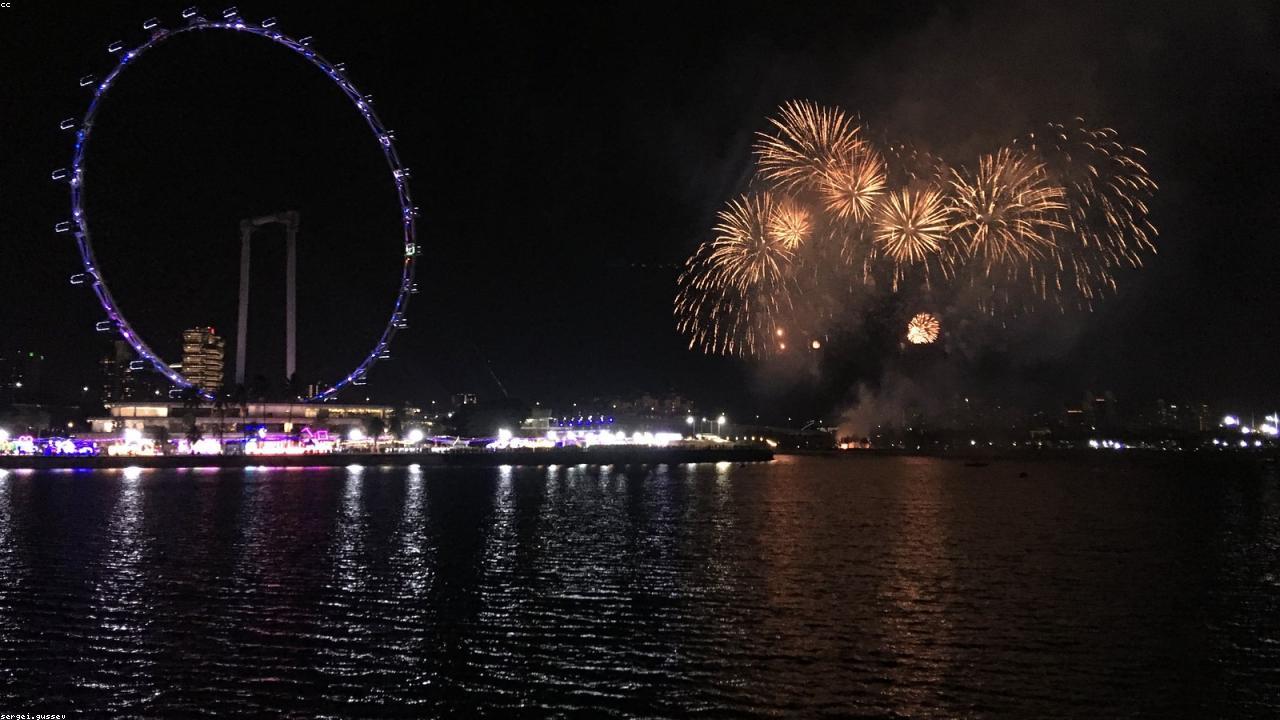
Spend at least four nights. Eat at three different hawker centres. Walk the Southern Ridges. Take the bumboat to Pulau Ubin. Watch the Supertrees light show once. The city will not change your life. It might, very quietly, change what you think a city is allowed to be.
If you only have a few days
7 ideal things to do in Singapore
Singapore Botanic Gardens at first light
Tanglin; MRT to Botanic GardensFirst thing. By mid-morning it is a sauna with birds
Singapore's only UNESCO site, free, and open long before sunrise, which is the one civilised hour to be outdoors here. A patch of primary rainforest older than the city survives inside the grounds with a boardwalk through it, and you can go from that to a clipped lawn in four minutes. The Orchid Garden opens later, charges, and earns it. I did a lap at half six among the retirees and the herons and was back at a hawker centre before the heat had properly started.
The TreeTop Walk at MacRitchie
Central Catchment Nature ReserveClosed Mondays. Earliest bus you can manage
Canopy-level suspension bridge, two hundred and fifty metres of it, slung between two ridges, one-way only, free, and reachable solely by walking a good hour through real rainforest to get to the near end. Long-tailed macaques work the trail and have understood for years that bags mean food, so zip everything and don't meet their eye. I lost a bottle of water to one and felt, briefly, robbed by a professional. The full loop is around ten kilometres and there is no shortcut.
Peranakan Museum
39 Armenian StreetAfternoon, when the heat has won
Reopened in 2023 after four years shut, in the old Tao Nan School building of 1912, with nine galleries and eight hundred-odd objects arranged around origins, home and style rather than dates. Beadwork slippers, wedding chambers, kebaya, porcelain in colour combinations that should not work and do. It is the best short explanation of who the Peranakans are and therefore of why Singaporean food tastes the way it does. Ninety minutes, air-conditioned, and it makes the rest of the week legible.
Thian Hock Keng
158 Telok Ayer Street, ChinatownMid-morning, midweek
Hokkien immigrants who survived the crossing came ashore at Telok Ayer — the waterfront, then — and built a joss house to Mazu, goddess of the sea, in 1821. The temple that replaced it in 1842 was assembled without a single nail by craftsmen shipped from Fujian with the timber. The sea is now several blocks away behind landfill and glass, which is the whole Singaporean story in one measurement. Stand at the threshold, look up at the beams, and let the guided groups flow round you.
The ferry to St John's and Lazarus Island
Southern Islands, boats from Marina South PierA weekday. Bring everything; there are no shops out there
Quarantine station on St John's opened in 1874, held up to six thousand people at a time, and closed in 1976; a causeway built in 2006 joins the island to Lazarus, which has a crescent of empty sand and no facilities whatsoever. So there is a nearly deserted beach a short boat ride from one of the densest cities on earth. Take water, take lunch, take everything, because there is genuinely nothing out there, and that absence is the attraction.
Fort Canning Park and the Battlebox
Above the Singapore River; MRT Fort CanningLate afternoon. The bunker tour needs booking
This is the hill the Malay kings were buried on, then Raffles' bungalow, then a fort of 1859 of which only the gate survives, then the concrete command bunker where Percival decided to surrender Singapore in February 1942. The bunker is the Battlebox now and the tour is the least comfortable hour in the country, in a useful way. Above ground there is a replica of Raffles' experimental spice garden and some very large trees, ten minutes' walk from the shopping.
Jewel Changi, deliberately
Changi Airport, linked to Terminal 1The evening you fly out — or an evening you don't
Forty metres of indoor waterfall falls through a hole in a glass doughnut, with a forest wrapped around it, inside an airport, and you do not need a boarding pass to walk in. I have taken the MRT out there on a night I was not flying anywhere, which sounds like a symptom and probably is one. Canopy Park on the top floor has hedge mazes and a net you bounce on. Enormous, unnecessary, extremely well made: the most Singaporean object in Singapore.
From a Split boy’s notebook
The Split lens
What reminded me of home
Multi-ethnic harbour city where the various communities have, mostly, learnt to share the same small territory. The hawker-centre system — the city's culinary heart, a covered food market with dozens of small specialist stalls — is structurally what our Pazar wants to grow into. We have the building. We just don't use it that way.
What Split could borrow
Singapore's hawker centres are publicly owned, low-rent, and protect the small operators against being priced out by chains. Our Pazar in the old town has a similar architectural footprint but is mostly fresh-produce sellers without a cooked-food hawker layer. A managed hawker layer, with rent protection for traditional Dalmatian dishes, would be transformative.
Who can take you
Tour operators & guides to try
A short, opinionated starter list — just my humble opinion. Verify before booking.
Intrepid Travelsmall groupwww.intrepidtravel.com →
Intrepid's Southeast Asia itineraries use Singapore as a 1–2 night gateway in or out of the region — a brief hawker-centre walk, a Gardens by the Bay visit, the night safari. Group size 12–16. This is the correct way to do Singapore as a visitor — short and sweet — unless you have specific reasons to stay longer. Caveat: Singapore is structurally not Intrepid's strength; the city does not benefit much from a small-group format.
The Original Singapore Walksspecialistwww.journeys.com.sg →
The Original Singapore Walks (operated by Journeys) is the city's longest-running walking-tour outfit, going since the 1990s — Chinatown, Little India, Kampong Glam, the wartime Sentosa tour. Groups around 15. Guides are Singapore residents, some of them serious cultural-history specialists working part-time. Caveat: in afternoon heat the walks are punishing; book the morning slot (typically 9 a.m.) wherever it's offered, and avoid the midday tours in June–September.