Photo: Ščenza
Vienna, Austria · Europe
Vienna in winter: the case for the slow imperial city
Vienna is a city that doesn't want to be done quickly, and it's surprisingly good at outlasting visitors who try. The Viennese take their afternoons in coffee houses for a reason. Sit down. Order. Stay.
By Ščenza
· updated · 5 min read
It’s January in Vienna and the woman two tables over at Café Sperl is on her third newspaper. She came in around eleven. It is now nearly two. The waiter has brought her a small fresh glass of water twice without being asked. This is how you stay in a Viennese coffee house: indefinitely. No one will rush you. The whole institution is built around the right to occupy a marble-topped table for as long as you can read.
Why I keep coming back
My first visit was in 2006 for a conference I no longer remember. I came back to Vienna two years later for a long weekend and stayed eleven days. The city has a quality I have only otherwise found in Kyoto: it has been a capital long enough that the rituals of its public life — the coffee house, the opera, the Heuriger wine tavern in the hills — have become quietly perfected. Nothing flashy. Just the slow accumulation of getting things right.
It’s also one of the most liveable cities I know. Public transport runs to a minute. The opera is genuinely cheap if you stand. The water is from the Alps. The bread is good.
Where to base yourself
Neubau (7th district), west of the Ringstraße. Boutique-y, cafés on every corner, walkable to the Hofburg and the museums. The MuseumsQuartier is on its edge.
Leopoldstadt (2nd district), across the Danube Canal. The old Jewish quarter, now home to a young, multinational, faintly hip energy. The Augarten park, the Karmelitermarkt, the bridge to the centre.
Wieden (4th district) for a quiet, residential, well-located base.
Avoid anything immediately around the Stephansdom for a longer stay. Beautiful by day, dead by night, the prices reflect the postcode.
What to actually do
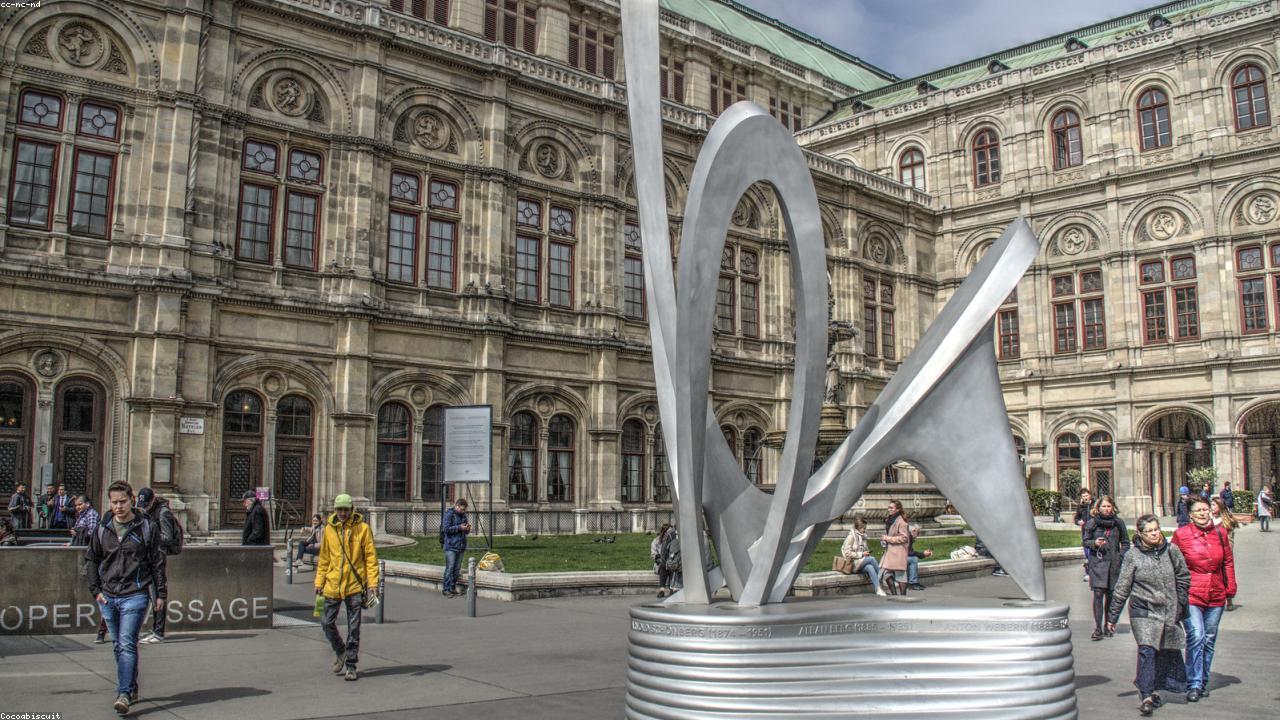
Stand at the opera. The Wiener Staatsoper sells Stehplatz — standing-room tickets — for about €15 about ninety minutes before the curtain. You queue in a side entrance. You get a small leaning pole. The acoustics are perfect from up there. You can stay for one act and leave; the Viennese do this all the time. I’ve seen Don Giovanni this way three times.
Spend a full afternoon at the Kunsthistorisches Museum. Don’t try to see everything. Walk to the Bruegel room and stay. Six paintings by the same family. The Bruegels — Hunters in the Snow especially, in January — are one of the great rooms in Western painting. The café in the museum, on the upper rotunda, is also one of the most beautiful interiors in the city; have lunch.
Go to a coffee house and stay for four hours. Pick one. Café Sperl for the old marble and the billiard table. Café Hawelka for the bohemian feel and the Buchteln (sweet dumplings) at 10 p.m. Café Central for the postcard photo (it gets ten-deep queues now, alas). Order a Verlängerter, ask for a glass of tap water (it will come unprompted but you can request it again), and write something.
Visit the Belvedere not for the Klimt but for the second floor. Yes, The Kiss is here and it’s worth seeing once. But the museum’s second-floor rooms — the Egon Schiele self-portraits, the Kokoschka, the Vienna Secession — are the deeper find. Schiele died at 28 in the 1918 flu epidemic; the paintings, mostly of himself, are unforgettable.
Take the U4 to Heiligenstadt and walk into the vineyards. Vienna is the only major capital with working wine vineyards inside the city limits. Walk up through the Beethovengang, the path Beethoven walked while composing the Pastoral symphony, and find a Heuriger — a seasonal wine tavern with cold cuts and bread and a glass of young white wine. Mayer am Pfarrplatz is the famous one; Zahel in the south is quieter.
Where to eat
Viennese food is heavy in the best sense: Schnitzel, Tafelspitz, Beuschel, Apfelstrudel. Don’t fight it.
Plachutta (centre) — The institution for Tafelspitz, boiled beef in broth, with the marrow bone and the chive sauce. Reserve.
Figlmüller — Two locations, both famous for an enormous wiener schnitzel. The original on Wollzeile is better.
Skopik & Lohn (Leopoldstadt) — Modernised Austrian, an inked-ceiling dining room that looks deliberate but is the result of an artist getting bored at a party in 2003. The food is excellent.
Tian Bistro — Vegetarian, an unusual move in this city of veal, and surprisingly excellent.
Café Prückel for Apfelstrudel with hot vanilla sauce in winter, eaten in late afternoon, with the snow falling outside, while you read the German edition of Die Presse you can’t actually understand.
When to come
January and February. The off-season is the secret. The opera is performing, the museums are quiet, the snow falls on the Ringstraße, and the coffee houses are full of locals and not tourists. The cold is real — pack a wool coat — but the Viennese have indoor culture in a way few other European cities can match.
December has Christmas markets, which are pretty and crowded; the Spittelberg one is the best.
April and October are reliable, less atmospheric than winter, less crowded than summer.
Practical notes
- Visa: Schengen.
- Money: Card universally.
- Transport: The U-Bahn is among the cleanest and most efficient in Europe. A 72-hour ticket at €17 is the sweet spot. Trams are reliable.
- Language: German; English is widespread, but a Grüß Gott on entering a shop is appreciated; the response will tell you a lot about whether you’ve found a tourist place or not.
- Tipping: Round up to the next euro or so; for restaurants, 10% is the upper end.
- Standing-room opera: The line forms at the side entrance on Operngasse roughly 90 minutes before curtain. €13–18 depending on performance. Cash or card.
A final thought
Vienna is one of the few cities I’ve written about that consistently meets the cliché. The coffee houses really are like that. The opera really is that good for that little. The cake really is that important. The Viennese really do conduct entire afternoons of public life at marble tables, with one cup of coffee and several glasses of water and the day’s newspapers fanned out in the wooden newspaper-holders the waiters bring without being asked.
The city has a deserved reputation for being slightly stiff, slightly slow to warm to strangers. I’ve found this true in the abstract and almost never in the specific. The waiter learns your face. The neighbour at the next table will eventually nod. The lady at the bakery starts setting aside the Topfengolatschen before you ask.
What Vienna teaches, if you let it, is that the right pace for almost everything is slower than you think. Sit down. Order. Stay.
If you only have a few days
7 ideal things to do in Vienna
Standing-room tickets at the Wiener Staatsoper
Side entrance on OperngasseQueue roughly an hour and a half before curtain
Five hundred and sixty-seven standing places, sold cheap on the day, about eighty minutes before the curtain. You queue at the side door, you get a leaning rail, you tie a scarf to it to claim your spot, and the acoustics up there beat most of the seats below. The regulars in the top gallery have been coming for decades and boo with genuine technique. Leave after an act if you have had enough — nobody minds, and a good number of them are doing exactly that.
The Bruegel room at the Kunsthistorisches Museum
Maria-Theresien-Platz, on the RingJanuary, when the museum is half empty and Hunters in the Snow makes sense
Bruegel's Hunters in the Snow hangs here alongside the largest gathering of his paintings anywhere, and in a Viennese January the picture functions less as art than as a weather report. Do not attempt the whole museum. Sit in that one room for an hour, then go and find Vermeer's Art of Painting and the Cellini salt cellar — stolen in 2003, dug out of a forest three years later — and then leave while you still like looking at things.
The Zentralfriedhof by tram 71
Simmering; the 71 has run out here since 1907November, in fog, for the full effect
Tram 71 has served the Central Cemetery since 1907, and there is a long-standing Viennese euphemism for dying that involves taking that number. Beethoven and Schubert were moved here in 1888; Brahms, Salieri, Johann Strauss and Schoenberg lie in the same musicians' section, with a Mozart cenotaph standing in for a man nobody can actually locate. The place covers two and a half square kilometres and holds more people than several Austrian towns. Take a map, or accept in advance that you are going to get lost.
Otto Wagner's Kirche am Steinhof
Penzing, up the hill inside the Steinhof hospital groundsWeekend afternoons in the warmer half of the year — the interior opens rarely
Otto Wagner built a church for a psychiatric hospital between 1903 and 1907 and designed it around the people who would actually use it: rounded corners and no sharp edges, a floor that drops about twenty-six centimetres from door to altar, running water in place of shared stoups. Koloman Moser did the glass and the mosaics. The last restoration put two kilos of gold leaf back on the dome. It is well out of the centre, the opening times are awkward, and it is the finest building in Vienna.
The Schiele rooms at the Leopold Museum
MuseumsQuartierLate in the day, when the MQ courtyard fills up and the galleries empty out
Egon Schiele died at twenty-eight in the 1918 influenza epidemic, three days after his pregnant wife, and the Leopold holds the largest collection of his work in existence — put together over five decades by a Viennese doctor and his wife, who bought while nobody else wanted any of it. The self-portraits are difficult to stay in a room with, which is the correct response to them. Klimt, Kokoschka and Gerstl are here too, and the whole building is calmer than the scrum around The Kiss at the Belvedere.
The Saturday flea market at the Naschmarkt
Wienzeile, along the covered course of the Wien riverSaturday mornings only, and early
Saturdays since 1977 the market stretches on past the food stalls into several hundred metres of trestle tables selling other people's grandparents: Bakelite radios, Soviet cameras, ski boots, postcards by the shoebox, and an unaccountable quantity of brass. Haggling is expected and conducted quietly. In twenty years I have bought exactly one useful object here, a 1960s Viennese street map, which I still own and have never once used to find anything.
A Heuriger walk from Nussdorf and the Beethovengang
Nussdorf and Heiligenstadt, out at the end of the D tram and the U4Autumn, when the new wine comes in. Look for the fir bundle over the door
Vienna is the only major capital with commercial vineyards inside the city boundary, and the taverns that sell that wine hang a bundle of fir twigs above the door — ausg'steckt — to signal that they are open this particular fortnight. Walk up through Heiligenstadt along the Beethovengang, the streamside path Beethoven used while going deaf and writing the Pastoral, then find a Heuriger and order a quarter-litre of Gemischter Satz and cold meat by the plateful. It is the least imperial thing this city does and the part I miss most from Split.
From a Split boy’s notebook
The Split lens
What reminded me of home
The slow café afternoon — one coffee, several glasses of water, four hours of newspapers — is our Mediterranean instinct dressed in heavier wool. Café Sperl is a colder version of Caffè Bar Centro. Both cities understand that time spent in a chair is not time wasted.
What Split could borrow
Vienna sells standing-room opera tickets for thirteen euros, ninety minutes before curtain. Our HNK in Split is one of the most beautiful theatres in the Adriatic and is sold out months ahead. A proper *Stehplatz* system at HNK would let young Splićani see the company they grow up walking past.
Who can take you
Tour operators & guides to try
A short, opinionated starter list — just my humble opinion. Verify before booking.
Context Travelspecialistwww.contexttravel.com →
Context's Vienna program is one of the strongest in their European network, particularly the music-history walk through Innere Stadt (the Beethoven-and-Schubert houses, not just the surface) and the Vienna Secession architecture walk. Six-person cap, three-hour minimum. Caveat: pricing is at the higher end of their catalogue; choose carefully which one walk you want rather than stacking three.
Good Vienna Toursspecialistwww.goodviennatours.com →
Good Vienna Tours is the small Vienna-based walking outfit run by city residents — not academics, not actors, just locals who've gotten the imperial-history narrative right after over a decade of guiding. Their Old Vienna and Jewish Vienna walks are the standouts; groups stay around 12. Pick this over Context if you want the city's daily texture rather than the academic depth. Caveat: they don't cover the music-history beat as well as the dedicated music-tour specialists do.