Photo: Ščenza
Hallstatt, Austria · Europe
Hallstatt at dawn: a tiny Alpine village before the buses
Hallstatt has 700 residents and, last I checked, 11,000 visitors a day in high season. The math doesn't work. The two windows that do work — first light, and after 6 p.m. — give you the alpine village that made it famous in the first place.

By Ščenza
· updated · 5 min read
It’s 5:47 a.m., still dark, and I’m sitting on the small church-square wall above the village with a thermos of coffee. The lake below — Hallstättersee — is glass-flat. The Dachstein mountains opposite are just beginning to define themselves against the blue-grey. A single fishing boat is out, half a kilometre off, the engine making a thin whine that carries. The village, all 750 of it stretched along a strip of land between the lake and a vertical limestone cliff, is asleep. For about ninety minutes I have one of Europe’s most-photographed places almost entirely to myself.
Why I keep coming back
Hallstatt is one of the few small alpine villages that has survived as a working community despite its postcard celebrity. It was a salt-mining settlement for over seven thousand years — the Hallstatt culture, the Iron Age culture, is named after the prehistoric cemetery here. The mine is still working. The village is largely Renaissance-era timbered buildings stacked up a steep slope. The lake is glacier-fed.
What the photographs don’t tell you is that Hallstatt has become genuinely overrun. The Chinese tourism boom of the 2010s, combined with a fictional Hallstatt that was used as a setting for a Korean K-drama, brought daily numbers of visitors that the village cannot absorb. The local government has begun rationing tour buses. The trick is not to be there during the bus hours.
Where to base yourself
In Hallstatt itself, in one of the small guesthouses or B&Bs (there are about a dozen). Choose a place above the main square if possible — Gasthof Zauner or Heritage Hotel Hallstatt — and you’ll be in position to walk before the buses arrive.
Obertraun, the village across the lake, is a 15-minute drive or 8-minute ferry away, less famous, half the price, and a useful alternative.
What to actually do
Walk the village before 8 a.m. This is the entire trip. The first tour buses arrive at the parking lots above the village around 9. From then until about 5 p.m. the main square is a slow-moving wave of selfie-takers. Before 8, the village is yours.
Take the funicular to the salt mine. The mine has been operated continuously since the Bronze Age. You wear a coverall, sit on a long wooden bench-slide, and slide down into the mine. The Bronze Age artefacts found in the mine are extraordinary — preserved leather backpacks, wooden tools, even a fully clothed Iron Age miner found mummified by the salt.
Hike the Five Fingers viewpoint. A cable car from Obertraun (the Krippenstein) takes you up to a series of viewpoints — the Five Fingers steel platform is the most famous, with a sheer drop of 400 m. The walks at the top are excellent in summer.
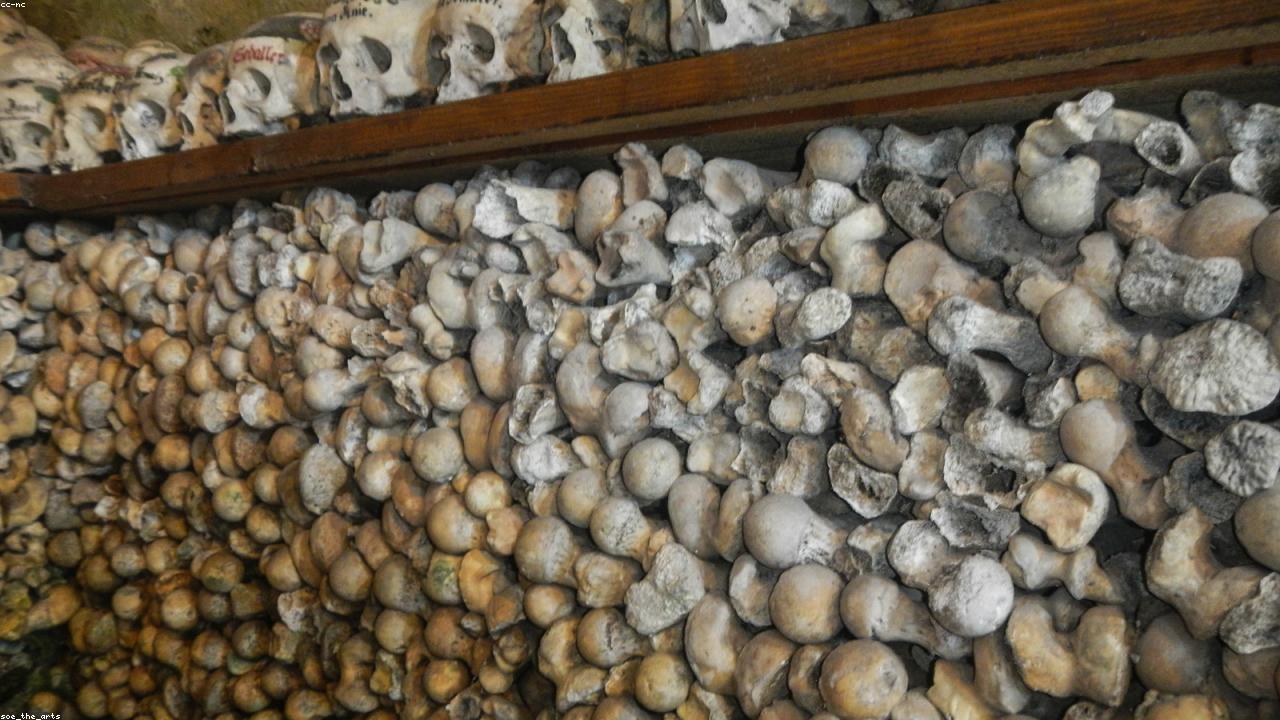
Visit the Beinhaus. The small ossuary in the village’s Catholic chapel holds around 1,200 human skulls, 610 of them painted — the result of a centuries-long practice of exhuming village skulls (the cemetery is small and reuse was necessary) and decorating them with the deceased’s name and a small painted floral motif. The practice continued into the 20th century; the last skull is from 1995.
Take the ferry across the lake. The small passenger ferry from Hallstatt to Obertraun runs every 30–60 minutes. The view of the village from the water is the postcard view. The ferry costs three or four euros.
Where to eat
Hallstatt has perhaps eight serious restaurants and they fill up quickly.
Restaurant Bräugasthof — Lakefront terrace, the Salzkammergut whitefish (Reinanke), the Wiener schnitzel. Reserve.
Restaurant Im Kainzbauernhof — Slightly outside the village, traditional Austrian, much loved by locals.
Gasthof Simony — On the main square; the Tafelspitz is the dish.
Hallstatt is the only place in the world I’ve eaten the Bronze Age fish recipe, served at the Salt Mine restaurant — boiled with herbs from the surrounding hills. A novelty more than a destination.
When to come
Late September through October, or late March through April. Reasonable weather, manageable crowds, the village light at its most flattering.
Winter (December–February) is beautiful — snow on the timbered houses, the lake sometimes partially frozen, the Christmas market quiet and small. The buses are far fewer.
Summer (June–August) is the high overcrowding season. Visit only if you’re there at 6 a.m. and after 6 p.m.
Practical notes
- Visa: Schengen.
- Money: Card universally.
- Getting there: By train to Hallstatt station (across the lake), then the small passenger ferry directly to the village. From Salzburg, around 2.5 hours by train. From Vienna, 3.5 hours.
- The village toll: Hallstatt has been considering daily entry fees and restricted tour-bus access. Check current rules before you go.
- One night is enough: For most visitors, one night in Hallstatt and one or two in the surrounding Salzkammergut region is the right ratio.
A final thought
Hallstatt is a useful case study in the modern impossibility of small heritage sites. The village exists because of salt mining, agriculture, and lake fishing — and it survives now because of mass tourism, which has both saved its economy and, on busy days, hollowed out its character. The locals are pragmatic about this in the way Alpine communities tend to be pragmatic: tourism pays the rent, and the rent is high; the daily annoyance is part of the deal.
The ethical question for the visitor is straightforward. You can go and be one of 11,000 day-trippers in a 750-person village. Or you can stay overnight, walk the streets at dawn, eat at the local restaurants, leave actual money in the village rather than at the cruise-line buffet, and have the experience the place was famous for in the first place.
I prefer the second option. Most visitors don’t choose it. They have ninety minutes between buses and they spend it photographing the church-square viewpoint and getting back on. I don’t blame them. But Hallstatt at dawn — the lake glass-flat, the church bell ringing six times, the village asleep — is what brought the photographers in the first place. It’s still there. You just have to be there before they are.
If you only have a few days
5 ideal things to do in Hallstatt
Salzwelten Hallstatt, the oldest salt mine in the world
The high valley above the village, up by funicularMay to early November; take the first car up
Europe's oldest wooden staircase is down there, cut in 1344 BC and preserved by the salt that buried it. You are issued a boiler suit, sent down a miners' slide into the workings and brought out on a mine train. Before any of that, the Skywalk platform hangs out over the valley with the lake directly below — ten minutes of standing still, well spent. I took the slide badly and was photographed doing it, which is evidently the business model.
The Beinhaus and its painted skulls
St Michael's Chapel, beside the parish church above the villageAny morning; it is a small room and it fills fast
In a chapel roughly the size of a garage sit around twelve hundred skulls, six hundred and ten of them hand-painted with the name of the dead and a wreath — ivy for life, oak for glory, roses for love. The cemetery was too small, so graves were reused and the bones came here. The painting began about 1720 and the most recent skull was added in 1995, at the woman's own request. Nobody here is being macabre. They simply ran out of ground.
The 5fingers platform on Krippenstein
Above Obertraun, by cable car from across the lakeSummer season, early, before the cloud settles on the plateau
A cable car out of Obertraun lifts you onto the Dachstein plateau where five steel walkways project over a five-hundred-metre drop: one floored in glass, one framing the valley through a Baroque picture frame, all of them entirely unnecessary and completely worth it. The Giant Ice Cave is on the same mountain and keeps its ice through the summer. I stood on the glass one for four seconds and then walked back along a solid one, having made my point.
The loop around Vorderer Gosausee
Gosau valley, about twenty minutes westWindless mornings, May to October, for the reflection
Twenty minutes west of the crowd sits a lake with a four-kilometre path around it and the Dachstein glacier standing at the far end, and on a still morning the whole mountain turns up upside-down in the water. The circuit is flat and takes about an hour. On my last time round I passed nine people. Hallstatt takes eleven thousand a day in season, and the mountains in between did not agree to either figure.
Arrive by train and cross the lake on the ferry
Hallstatt Bahnhof, east shore — the boat meets the trainsYear-round; the last crossing back is early evening
Hallstatt's railway station is on the wrong side of the lake with no road from it to the village, which sounds like a planning failure and is in fact the best arrival in Austria. A small boat meets each train, takes about fifteen minutes, and the village assembles itself in front of you exactly as it does in the photographs, except moving. Bring cash for the crossing. I found that out in the tedious way, at the ticket window, in the rain.
From a Split boy’s notebook
The Split lens
What reminded me of home
A small Alpine village whose population is now outnumbered ten-to-one by daily visitors. Hallstatt is what the smaller Brač and Hvar villages risk becoming if we don't manage them — beautiful, photographed, hollowed out. The locals leave; the bakery becomes a souvenir shop.
What Split could borrow
Hallstatt now caps tour-bus arrivals by issuing time-slot permits at the village entrance. We could do exactly this at the entrance to Bol on Brač, at Stari Grad on Hvar, at Komiža on Vis. The bus operators would scream; the villages would survive.
Who can take you
Tour operators & guides to try
A short, opinionated starter list — just my humble opinion. Verify before booking.
Intrepid Travelsmall groupwww.intrepidtravel.com →
Intrepid's Austrian-Alps itineraries handle Hallstatt as one of several stops — one night, the dawn walk, the Salt Mine, the train onward to Salzburg. This is the right way to do Hallstatt as a visitor; the village cannot absorb a longer stay without becoming uncomfortable. Group size 12–16. Caveat: in summer the village is overcrowded by mid-morning regardless of operator; the dawn slot is the only redeeming hour.
Salzkammergut Touristiktailoredwww.salzkammergut.at →
Salzkammergut Touristik is the regional DMC for the broader lake district — Hallstatt itself, the Dachstein cable car, the salt-mine heritage, the lesser-visited Gosau and Bad Aussee. They treat Hallstatt the way it should be treated: as one stop in a wider 3–5 day region. Caveat: most travellers will want Hallstatt-only, which they'll arrange; the value here is in convincing you to give the whole Salzkammergut a longer week. If you can, do it.