Photo: Ščenza
Kochi, India · Asia
Kerala on the backwaters: the slow southern state of houseboats and coconut palms
Kerala is the antidote to the intensity of northern India. The state is greener, slower, and structurally different — Hindu-Muslim-Christian-Jewish historic religious mix, a 100% literate population, a houseboat culture that lets you sleep on a rice barge in the canals.
By Ščenza
· updated · 4 min read
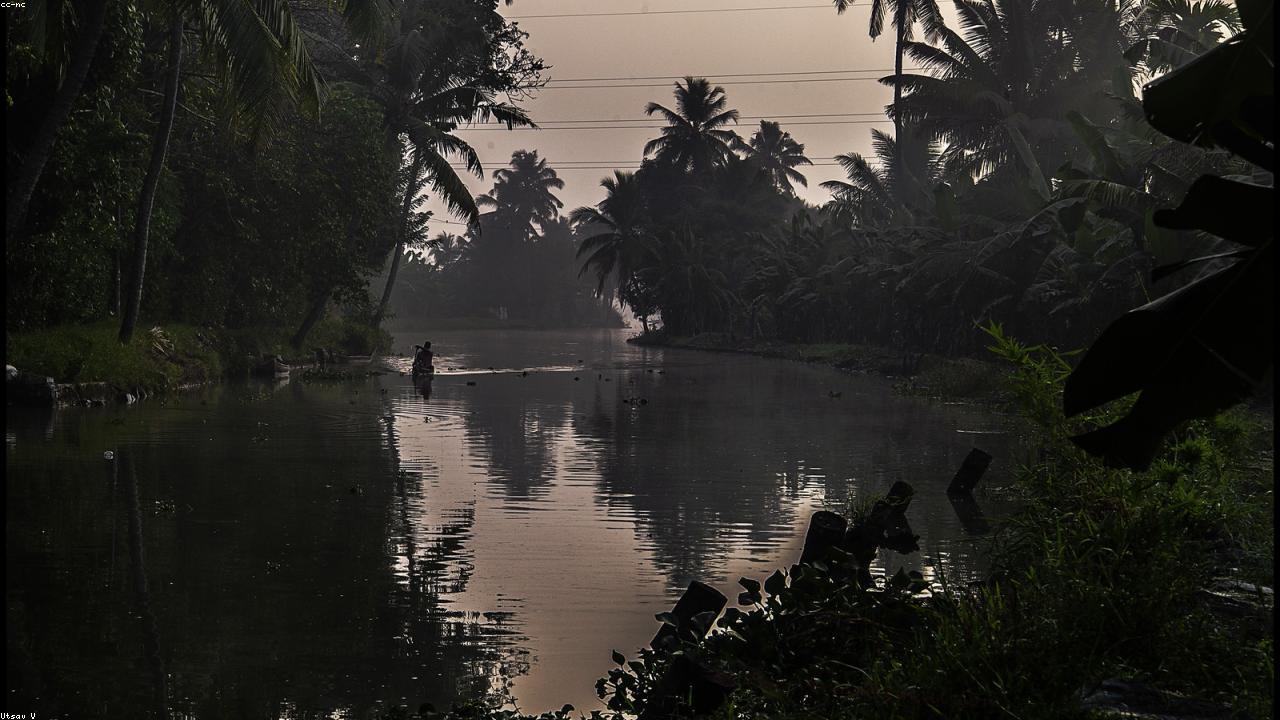
It’s 6:23 a.m. on a houseboat in the Kerala backwaters and I’m on the open foredeck with a coffee, watching the canal-side village of Kanjippadam wake up. The fishermen in their narrow dugouts are out. A woman is washing clothes on the steps that lead down to the water. A small girl in a school uniform is being ferried across the canal in a tiny rowboat. A water buffalo is being washed by its owner. We are moving at three kilometres an hour. The world is wet and green.
Why I keep coming back
Kerala is the south-western Indian state stretching along 600 km of the Arabian Sea coast, with a network of inland canals (the backwaters), a Western Ghats mountain range running its length, and a culinary tradition shaped by 2000 years of Arab and European spice trade. It is, by almost every quality-of-life measure, the most developed state in India — highest literacy, lowest infant mortality, highest life expectancy, the longest matriarchal traditions in the country.
It also has one of the world’s distinct travel formats: the houseboat. The kettuvallam — a traditional rice-barge converted into a one-bedroom floating cottage with crew of two and a cook — lets you sleep on the canals between Alleppey and Kollam at three kilometres an hour, watching village life happen on the banks.
Where to base yourself
Fort Kochi for the colonial-era heritage town with its Portuguese churches, Dutch palace, Jewish synagogue, and famous Chinese fishing nets.
Alleppey (Alappuzha) for the houseboat launches.
Munnar for the Western Ghats highland tea plantations.
Varkala or Kovalam for the beaches.
Wayanad for the forests and the wildlife reserves.
A classic Kerala loop is Kochi → Alleppey (houseboat) → Munnar → Wayanad → back to Kochi, 10–14 days.
What to actually do
Sleep one night on a houseboat. Pick up at Alleppey, drop off at Kollam (or vice versa) — this two-day, one-night route covers the most varied backwaters and is the better option than a same-day return. The boat costs around ₹8,000–15,000 per night including food and crew. Choose a smaller, double-decker boat over the larger ones.
Walk Fort Kochi in the early morning. The old colonial port town with the famous cheena vala (Chinese fishing nets, said to have been brought by traders from the court of Kublai Khan). The Paradesi Synagogue in Jew Town is the oldest active synagogue in the Commonwealth. The Dutch Palace’s mural rooms are extraordinary.
Take a cooking class. Kerala cuisine is one of the most underrated regional cuisines in India — coconut, curry leaves, tamarind, mustard seeds, dried red chilies, and the spice tradition (cardamom, cloves, pepper, all grown in Kerala). Cook & Eat or Mrs Leelu Roy’s are the established home classes in Fort Kochi.
See a Kathakali performance. The classical Keralan dance-theatre form; the masks and the make-up alone take hours to apply. Kerala Kathakali Centre in Fort Kochi does a 90-minute performance with the make-up application visible from 5 p.m.
Visit a spice plantation. In the Western Ghats around Munnar or Thekkady. Cardamom, pepper, vanilla, coffee, tea, all growing together.
Spend a day on a Munnar tea-estate walk. The high hill stations at 1600 m are blanketed with tea bushes, all geometric and green. Local guides will walk you through estate trails.
Where to eat
Kerala food is fish-heavy on the coast, vegetarian and spicy in the highlands.
Dhe Puttu (Kochi) — Specialty in puttu (steamed rice-flour-and-coconut tubes); the traditional Keralan breakfast. Kayees Rahmathulla Hotel (Kochi) — A famous 1940s biryani shop; Malabar-style mutton biryani. Fusion Bay (Fort Kochi) — Modern Kerala seafood; the karimeen pollichathu (pearl spot fish in banana leaf). Spice Garden (Munnar) — Highland Kerala vegetarian. Toddy shops along the coast — Local rural pubs serving toddy (palm wine) and spicy fish dishes. Ask a local; the official spots are not advertised. Sadya — The traditional Kerala feast served on a banana leaf with up to 28 small dishes. Mostly served at festivals or in heritage hotels. The Brunton Boatyard hotel does a Sunday sadya.
When to come
December through February for the coast and the backwaters — pleasant temperatures, dry weather.
June through September is the monsoon — heavy daily rain, but the highlands are at their most extraordinary green (and the Ayurvedic treatment centres consider this the recommended season for cures).
March and April are hot but workable.
Practical notes
- Visa: E-visa for most Western passports.
- Money: Cash and card. Smaller villages cash-only.
- Transport: A car with driver is the standard for the inland circuit; around ₹3000–4500 per day. The state’s road network is excellent by Indian standards. The Konkan Railway connects Kochi to Mumbai along the coast — overnight train is one of the great Indian rail experiences.
- Toddy shop alcohol: Kerala has occasional alcohol restrictions; the rules change. Hotels with foreign-tourism licences are reliable.
- The houseboat itself: Mosquito coils, a light blanket, light reading — what you need on the boat. Wi-Fi is patchy or absent; that’s a feature, not a bug.
A final thought
Kerala is the Indian state most often described in travel literature as ‘God’s Own Country’ — the official tourism slogan, slightly cheesy, almost accurate. The state has, more than any other in India, managed to retain its rural character, ecological diversity, and slow-village daily life while developing the infrastructure to receive Western visitors comfortably.
The houseboat night is the cliché and the cliché is correct. Sleeping on a rice barge in the backwaters, with the canal water lapping under your bedroom, the cook making fresh karimeen in the galley, and the village life of the canal banks passing at three kilometres an hour, is one of the most particular experiences in Indian travel. Spend 10–14 days. Do a full loop. Slow down. The state will return the gesture.
If you only have a few days
6 ideal things to do in Kochi
The cheena vala fishing nets on the Fort Kochi seafront
Vasco da Gama Square, Fort KochiFirst light, or the hour before sunset
Six men to a net, cantilevered timber frames ten metres high, counterweighted with rocks slung on ropes so precisely that one man walking out along the main beam is enough to drop the whole apparatus into the water. As the tide changes depth the crews have to move between installations. The catch, most lifts, is thin — I watched four consecutive hauls produce roughly one fish and a plastic bag — and nobody operating them was remotely embarrassed, because the people standing on the seawall are now the reliable income.
The Paradesi Synagogue, Jew Town, Mattancherry
Jew Town Road, MattancherryClosed Fridays, Saturdays and Jewish holidays — plan the day around that
Hand-painted eighteenth-century Chinese porcelain floor tiles, no two of them alike, under Belgian glass chandeliers, in a synagogue built in 1568. You go in barefoot and covered. The clock tower outside is eighteenth-century as well. The congregation is now very small and the street leading up to it has become an antiques bazaar, so the approach is a gauntlet of dealers calling prices at you — and then the building at the end of it is completely, unreasonably quiet.
Mattancherry Palace and its mural rooms
Mattancherry, a few minutes' walk from the synagogueSame trip as Jew Town; go in the morning while it is cooler
Portuguese builders, a Dutch nickname, and a Cochin royal family who used it for coronations — the name alone carries about four centuries of Kerala's history. It was handed over around 1545 and has been a protected monument since 1951. The reason to climb the stairs is the murals: temple-tradition painting covering entire walls, dense, stylised, and in a couple of the chambers considerably franker about what the gods were doing than the guidebook prepares you for.
The make-up hour at the Kerala Kathakali Centre
KB Jacob Road, Fort KochiArrive an hour before the performance, for the face-painting
Get there for the make-up rather than the play. The performers sit cross-legged building up layers of green pacha for the noble characters and red for the villains, an hour of it, in front of an audience that is allowed to watch the whole process. Then the drama itself, with no spoken word at all — everything carried in eye movement and hand gesture. Ninety minutes is about right for a first attempt. The traditional temple versions run all night and I am not going to sit here and claim I have lasted one.
One night on a kettuvallam out of Alappuzha
Alappuzha (Alleppey), on the Vembanad backwatersDecember to February for dry weather; the monsoon if you want the green
Sleep on a converted rice barge and the entire trip reorganises itself around three kilometres an hour. There are now well over two thousand of these boats working the canals, so the decision that matters is picking a small one — two cabins, not four — and a route that runs Alappuzha towards Kollam rather than a loop back to the jetty you left. The crew cook on board. You will be awake at six whether or not you intended to be, because the canal bank starts washing, ferrying and arguing at first light.
Tea estates and Eravikulam National Park at Munnar
Western Ghats, about 130 km east of KochiDecember to March; estate paths turn to mud in the monsoon
Munnar sits at around 1,600 metres and the hills are clipped into tea bushes all the way to the horizon, which is beautiful and is also a colonial monoculture, and both of those remain true at the same time. Eravikulam National Park above the town holds the Nilgiri tahr, a mountain goat that long ago concluded humans are furniture and will walk past your knees without breaking stride. The drive up from Kochi eats most of a day in hairpins. Take the motion sickness seriously, which I did not.
From a Split boy’s notebook
The Split lens
What reminded me of home
Coastal state with a serious houseboat tradition (the *kettuvallam* — converted rice barges turned into one-bedroom floating cottages). Our Adriatic equivalent is the wooden gajeta and pasara fishing boats — also being lost. Both regions could turn working boats into slow-tourism beds rather than letting them rot.
What Split could borrow
Kerala's houseboat industry is regulated — only traditional-build boats with specific cooks aboard qualify for the licensed permit. The result has saved the traditional building trade. We could license a small fleet of traditional Dalmatian gajete and pasare as overnight slow-cruise vessels around the Kornati islands. Saves boats, generates income, slows tourism.
Who can take you
Tour operators & guides to try
A short, opinionated starter list — just my humble opinion. Verify before booking.
Greaves Indiatailoredwww.greavesindia.com →
Greaves India handles Kerala particularly well — they have long relationships with the family-run houseboats on the backwaters (the smaller barges, not the larger tourist ones) and the homestays in the highlands around Munnar. Mid-to-upper-tier pricing. Caveat: the houseboat night is the cliché and the cliché is correct; spend the extra to get a smaller boat with a private deck and not the 4-cabin variety.
Intrepid Travelsmall groupwww.intrepidtravel.com →
Intrepid's Kerala itineraries hit the canonical sequence — Cochin, the backwaters, Munnar, the wildlife reserve at Periyar — at a sensible pace. Group size 12–16. The houseboat is usually one of the better mid-tier vessels. Caveat: Kerala genuinely benefits from slower travel than Intrepid's pace allows; if you can, add 2 free days at a beach resort (Marari or Varkala) at the end of the trip.
If you liked this, try these
Tokyo, Japan
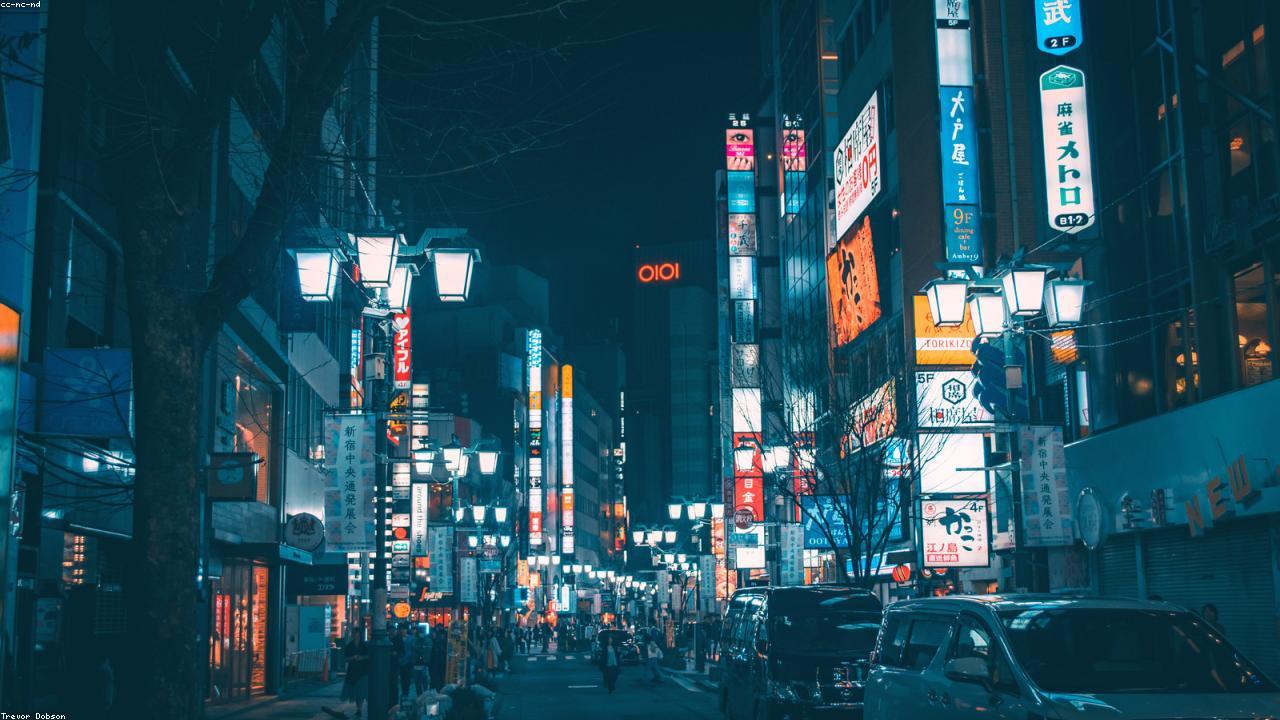
Tokyo, slowly: a city of thirteen million that rewards patience
August 19, 2024
Singapore, Singapore
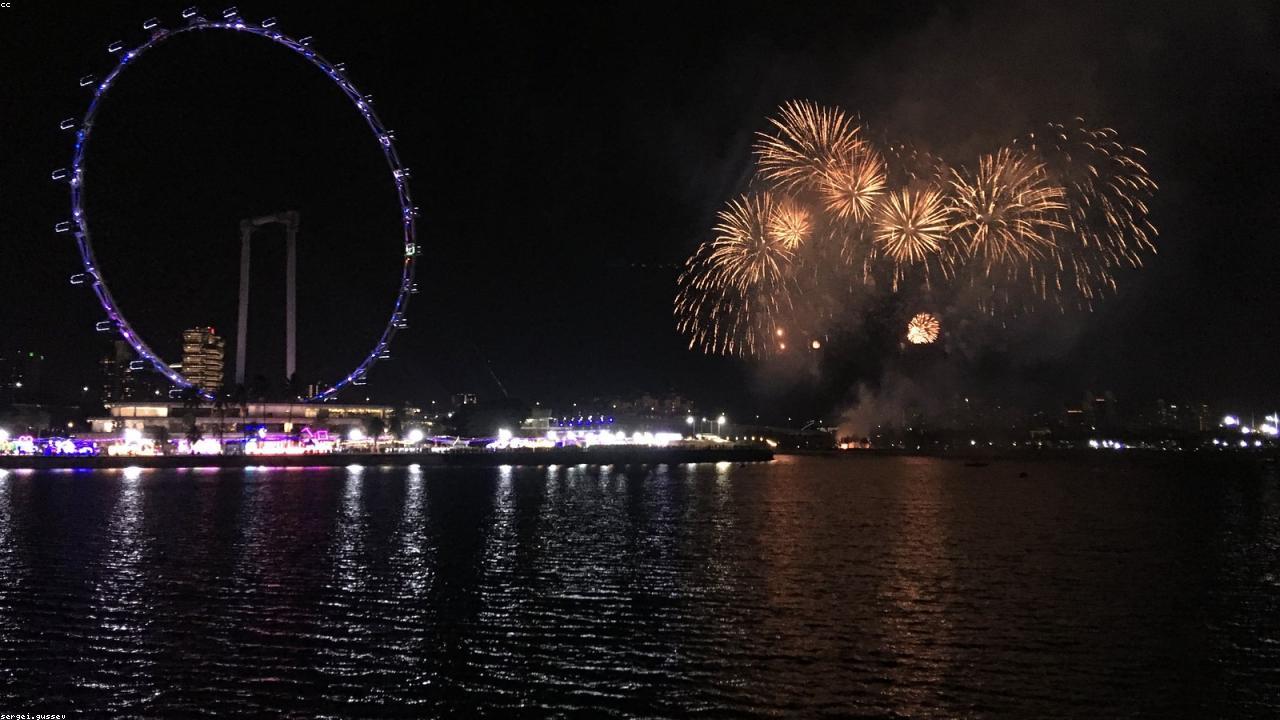
Singapore: the small city-state that gets the small things right
April 29, 2024
Seoul, South Korea
Seoul at 2 a.m.: the late-night city of bbq, soju, and underground streets
March 12, 2024