Photo: Ščenza
Seoul, South Korea · Asia
Seoul at 2 a.m.: the late-night city of bbq, soju, and underground streets
Seoul is most itself between 10 p.m. and 2 a.m. The bbq restaurants are at full smoke. The streets in Hongdae and Itaewon are full of office workers on a third bottle of soju. The 24-hour everything is open. The city that took ten years to be discovered by Western tourists became, almost overnight, the most influential cultural city in East Asia.
By Ščenza
· updated · 5 min read
It’s 1:47 a.m. and I’m at a low table under a yellow extractor hood at a gogi-jip — a Korean grill restaurant — in Mapo, with two friends and a charcoal grill of samgyeopsal (pork belly) and a green-glass bottle of soju. The kimchi is being changed out every fifteen minutes. The radish is properly cold. The grill smoke is going up the hood and out into the alley. A taxi pulls up outside; the driver gets out, comes in, eats half a portion of the same pork belly, drinks a small soju, pays, and is back in his car in twelve minutes. This is Seoul.
Why I keep coming back
I first went to Seoul in 2010 on assignment for a magazine that wanted a story about the Korean Wave (the Hallyu, the cultural export of K-pop, drama, and cinema), which was at the time only beginning to register in the West. I underestimated the city. I underestimated it again in 2013. By 2018 it was clear that Seoul had become the most culturally influential city in East Asia outside Tokyo and that I had been missing the structure of why.
The city’s particular gift is density. Twenty-five million people in the metropolitan area; the central core is high-rise, multi-layered, with underground shopping streets that are themselves entire ecosystems. The public transport is the best in Asia. The food culture — Korean BBQ, the banchan side-dish tradition, the noodle shops, the late-night fried chicken — is layered into every neighbourhood.
Where to base yourself
Bukchon / Insadong for the heritage hanok houses, the palaces, and the slower-paced central historic district.
Hongdae for the student / nightlife energy.
Itaewon for the international neighbourhood with the best non-Korean food.
Seongsu-dong for the design-led, Brooklyn-of-Seoul feel.
Gangnam for the wealthy modern district south of the river; useful if you want the corporate Seoul.
What to actually do
Visit Gyeongbokgung Palace at first opening. The main royal palace of the Joseon dynasty, with the Geunjeongjeon throne hall and the National Folk Museum on the grounds. Reduced entry if you wear a hanbok (rented from shops around the palace); a touch theme-parky but locals do it too.
Walk Bukchon Hanok Village in the early morning. A neighbourhood of preserved traditional Korean wooden houses, occupied as actual residences. Don’t speak loudly; this is people’s homes.
Take a Seoul City walking tour or do a temple walk. Jogyesa, the main Zen Buddhist temple, in the city centre. The 1,500-year-old Bongeunsa across from the COEX mall in Gangnam.
Eat at a market at 1 a.m. Gwangjang Market is the famous late-night market — bindae-tteok (mung bean pancakes), live octopus (yes, sannakji), bossam (boiled pork wraps).
Go to a jjimjilbang. The Korean bathhouse-and-sauna complex; communal hot pools, sauna rooms in various temperatures (the rooms cooled by ice, heated by salt, etc.), often with overnight floor sleeping. Dragon Hill Spa is the famous 24-hour one; Siloam by Seoul Station is also large and central.
Climb Namsan Tower for the view. Or, more interestingly, walk the city wall trail — Seoul’s medieval city wall is largely intact and walkable in sections.
Where to eat
Korean food is a deep regional culture. Seoul has the best of all of it.
Jung Sik — Modern Korean tasting menu; two Michelin stars. Mingles — Two Michelin, contemporary Korean with deep respect for the tradition. Hadongkwan (Myeongdong) — Seolleongtang (slow-simmered beef bone soup); a 90-year-old institution. Tosokchon Samgyetang (Tongin) — The classic ginseng-stuffed-whole-chicken soup. Queue. Wooraeok (Euljiro) — Naengmyeon (cold buckwheat noodles in icy broth) — an absurd dish on first encounter, addictive by the third bowl. Anywhere with a ‘meat row’ sign for BBQ. Cheongdam and Mapo are the meat-row districts; pork (samgyeopsal, moksal) for the casual evenings, hanwoo beef for the splurge. Fried chicken and beer (chimaek) — A national institution. Kkanbu Chicken and Kyochon are the chains; the smaller neighbourhood places are usually as good.
When to come
April–May (cherry blossom, mild) or October (the famously crisp Korean autumn, autumn leaves).
June through August is hot and humid. December through February is dry but cold (sometimes –10°C).
Golden Week / Korean Thanksgiving (Chuseok, October) is a busy domestic-travel period.
Practical notes
- Visa: 90 days visa-free for most Western passports. K-ETA online pre-registration is now required for most Western visitors.
- Money: Korean won. Card universally. T-money card for transit (loadable, used on subway, bus, taxi).
- Transport: The metro is the best subway in Asia in my experience — fast, signposted in English, with mobile coverage and clean toilets. The KTX high-speed train connects Seoul to Busan in under three hours.
- Etiquette: Bow slightly when greeting. Don’t pour your own drink (someone else fills your glass; you fill theirs); take with two hands when an elder pours for you. Take your shoes off at the entrance of homes and many traditional restaurants.
- Soju: Korean rice spirit, around 16–20% alcohol. Drunk in shots; the cycle is fast. The mornings are unforgiving.
A final thought
Seoul is one of the cities that has, in the past fifteen years, gone from underrated to slightly overrated and then settled back to its actual strength. The K-pop tourism wave, the rise of Korean cinema globally, the food tourism — these have all made Seoul a more obvious destination than it was when I first visited in 2010.
The city’s actual gift is the late hours. The Korean working day is famously long, and the social life happens between 9 p.m. and 2 a.m. The bbq restaurants, the soju bars, the karaoke rooms (noraebang), the 24-hour markets, the bathhouses — all of these are calibrated to a city that doesn’t really sleep until 3.
For a visitor, the implication is straightforward: do less in the daytime. Sleep in. Walk a palace in the late afternoon. Eat dinner at 9 p.m. Drink soju. Find a 24-hour spa at 1 a.m. and emerge at 5 with the city’s first subway. The Western tourist habit of being in bed by 11 is the wrong strategy here. Seoul rewards the night.
If you only have a few days
7 ideal things to do in Seoul
Gyeongbokgung at opening, and the guard change
Jongno, at the head of Sejong-daeroFirst hour of the day
The Joseon dynasty's first palace, founded in 1395, burned in the 1590s, rebuilt from 1865 and knocked about repeatedly since — what stands is a reconstruction and nobody here pretends otherwise. The changing-of-the-guard reenactment has only run since 2002 and is enjoyable in the way a good brass band is enjoyable. Entry is free if you are wearing a rented hanbok, which about 1.8 million people managed in 2024, so expect half the courtyard to be dressed considerably better than you.
Bukchon Hanok Village, inside the permitted hours
Between Gyeongbokgung and ChangdeokgungDaytime only; the main lane is closed to visitors outside set hours
Six thousand people still live in these hanok, and after several years of six-million-visitor seasons the district fenced the day in: since late 2024 the main lane is open to tourists for a fixed window and shut to us the rest of the time. That is a reasonable trade, and the old guidebook habit of telling people to come at dawn — a sentence I have written myself about other places — is now simply wrong here. Come in the window, keep the group small, do not photograph through anyone's gate.
Walk a section of the Seoul City Wall
The Naksan or Inwangsan stretchesLate afternoon into dusk
Begun in 1395 around the old capital, demolished in long stretches under the colonial administration, and still climbing over the hills between the surviving gates. Naksan is the gentle section, threading through a residential hillside; Inwangsan is steeper and gives you the whole basin at once. There is a stamp book for people who finish things. I am not one of them, and I still did three sections.
Gwangjang Market late at night
Jongno, a block up from the CheonggyecheonLate evening
Open since 1905, the first Korean market to trade every day of the week, and the food alley through the middle of it is now on television in about forty countries. It is busier than it was and the stall aunties have heard every line. It is still the right thing to be doing at eleven at night: bindae-tteok straight off the griddle, mayak gimbap, a bowl of something you point at. Sit at the counter. Standing to eat marks you out faster than the accent does.
A night in a jjimjilbang
The big 24-hour ones cluster around Yongsan and Seoul StationIn after the last train, out with the first
Wash first, properly, in the gender-separated bathing hall — this is not optional and there is no comfortable way to be told about it. Then put on the issued shorts and t-shirt and go up to the shared floor: kiln rooms at wildly different temperatures, heated floor, sweet rice drink, baked eggs, and rows of Koreans asleep on mats. I once slept eleven hours in one and woke to a man doing sit-ups beside my head. With our Roman baths and the springs at Solin, Split should have had this for two thousand years.
Bongeunsa with the COEX towers behind it
Samseong-dong, GangnamEarly evening; the temple stay is bookable
A temple founded in 794, sitting directly across the road from a shopping and convention complex the size of a district, with a stone Maitreya standing over the car parks. The juxtaposition is the whole experience and Seoul does not find it remarkable in the slightest. Monks chant, delivery scooters idle, the towers come on. The temple runs overnight stays with a four in the morning start, which I have not done and keep announcing I will.
Walk the Cheonggyecheon at dusk
From Gwanghwamun east through JongnoEvening, and especially in the August heat
There was an elevated motorway over this stream until 2003. The city took it down, spent something north of 280 million dollars, pumped water back into the channel from the Han, and got eleven kilometres of walkable water running three to six degrees cooler than the road four blocks north. It is not natural and it makes no attempt to pretend. Every coastal city still arguing about its seafront road should be made to walk it once.
From a Split boy’s notebook
The Split lens
What reminded me of home
City that doesn't really wake up until the evening and stays up until two. The Korean BBQ-and-soju night, with strangers becoming friends across the grill, is kindred to a proper Split *fešta* on a summer Friday — the long table, the wine in plastic cups, the conversations that get more animated as the night goes on.
What Split could borrow
Seoul's *jjimjilbang* — 24-hour public bathhouses with hot pools, saunas, and floor sleeping for those who missed the last train — is one of the most-underrated urban institutions on earth. With our Roman bath heritage and the thermal springs at Solin, building a serious 24-hour public bath complex in Split would feel like reclaiming something we'd let slip.
Who can take you
Tour operators & guides to try
A short, opinionated starter list — just my humble opinion. Verify before booking.
Intrepid Travelsmall groupwww.intrepidtravel.com →
Intrepid's Korea itineraries are a sensible first-time-visitor frame — Seoul, the DMZ day, Gyeongju, Busan over 10–12 days. Group size 12–16. The Seoul portion handles the palace visits and Bukchon walks competently. Caveat: Seoul's food and nightlife depth is hard to convey at group-tour pace; if Korea is primarily a food trip for you, supplement Intrepid with two or three nights of self-guided eating in Itaewon and Mapo.
O'ngo Food Communicationsspecialistongofood.com →
O'ngo is the Seoul-based food-tour and cooking-class outfit run by Daniel Gray (long-time Seoul resident, food writer). The night-market crawl through Gwangjang and the bibimbap-making class are the standouts. Groups around 8. Caveat: heavily booked by food tourism in October and during cherry-blossom weeks; reserve 6–8 weeks ahead. The cheaper street-food tours via the hostels are fine for the basics but the curation and the cultural framing don't compare.
If you liked this, try these
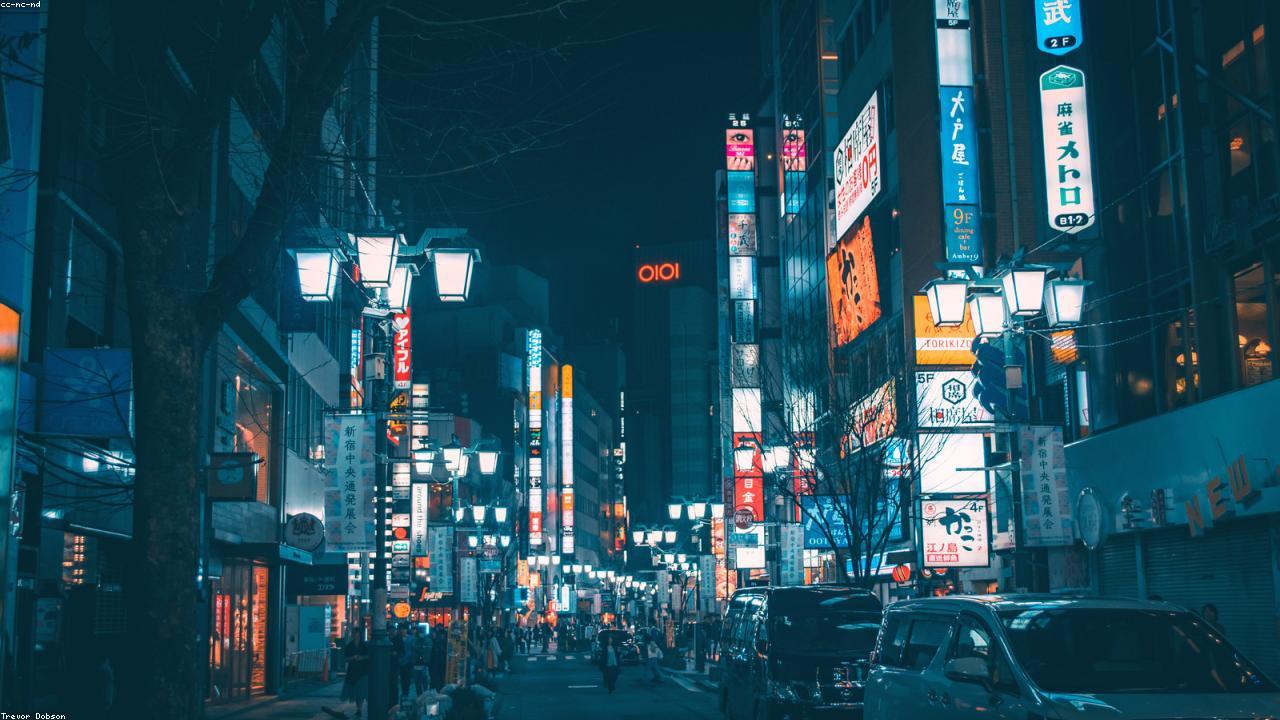
Tokyo, Japan
Tokyo, slowly: a city of thirteen million that rewards patience
August 19, 2024
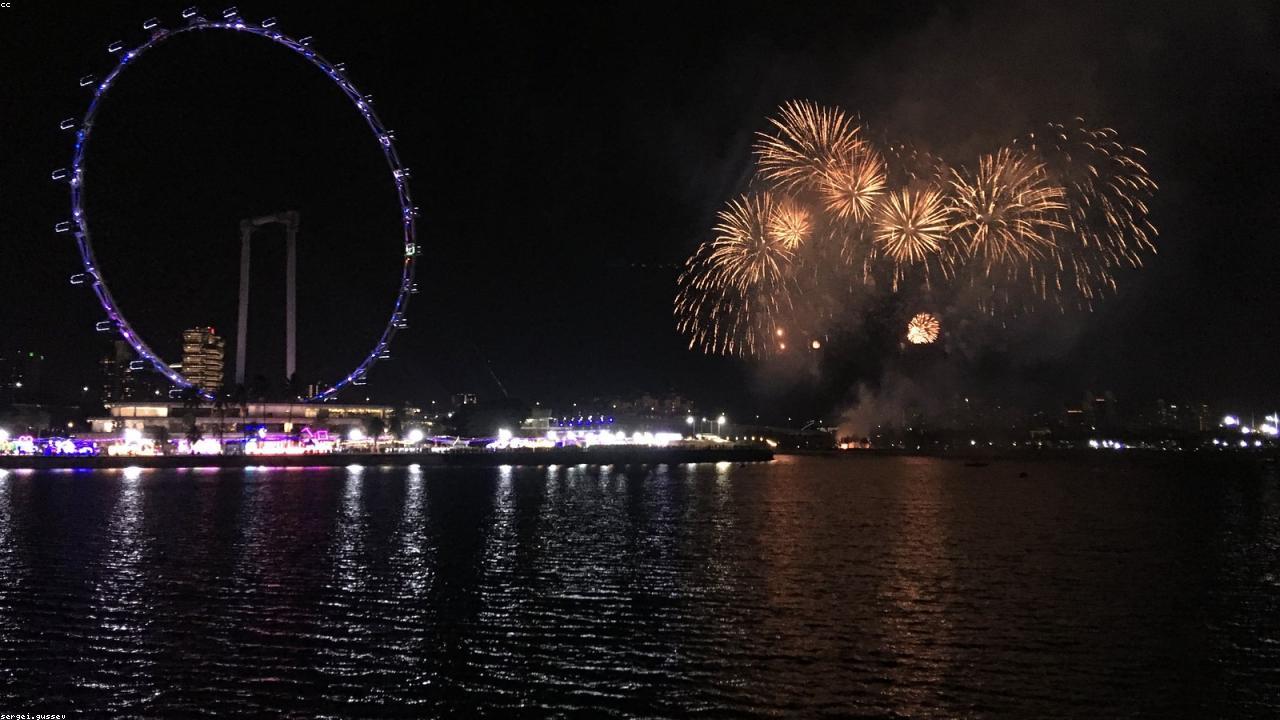
Singapore, Singapore
Singapore: the small city-state that gets the small things right
April 29, 2024
Bangkok, Thailand
Bangkok at street level: the city of dawn markets and slow evenings
December 4, 2023