Photo: Ščenza
Kyoto, Japan · Asia
Kyoto in the early hours: the old capital before the day-trippers
Kyoto has a famous-temples problem: there are too many famous temples in a small city, and the day-tripper bus from Osaka delivers tens of thousands of visitors to half a dozen of them daily. The other temples — and the famous ones at 6 a.m. — are still entirely yours.

By Ščenza
· updated · 5 min read
It’s 6:18 a.m. at the Fushimi Inari shrine and the orange torii gates climb up the mountain in a tunnel that, in this hour, has perhaps three other people in it. The morning fog hasn’t burned off yet. A small cat is on a stone wall. Somewhere a temple bell is being struck. By 11, this path will be a crowded, slow-moving line of selfie-takers. Right now it is one of the most beautiful walks in Asia.
Why I keep coming back
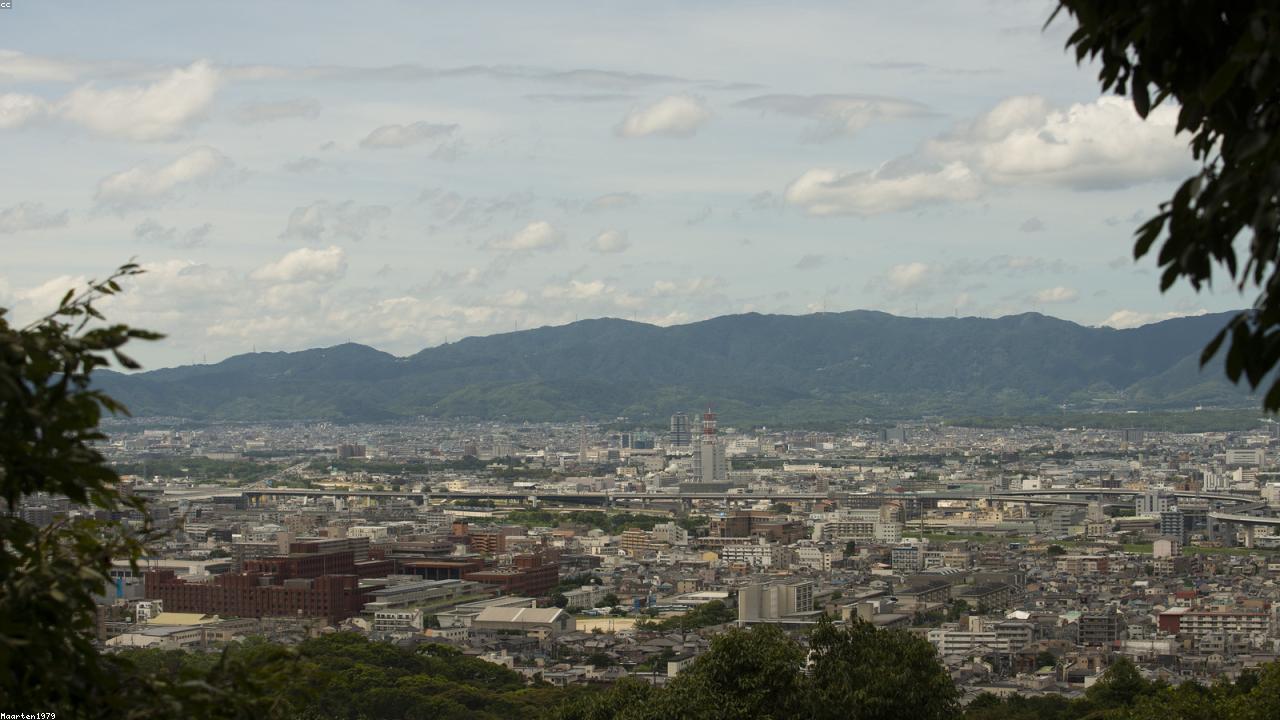
Kyoto is the old imperial capital of Japan (from 794 to 1868) and remains the country’s repository of pre-modern culture. The old city centre survived the 20th century essentially intact — it was spared bombing in 1945 — and the result is one of the densest concentrations of preserved temple architecture in the world. Seventeen UNESCO-listed sites are within the city limits.
What keeps me coming back is the city’s particular relationship to seasons. Kyoto’s temples and gardens are designed to be experienced through the year — cherry blossom in April, maple leaves in November, snow on the moss garden in February, the dry summer light on stone in August. The same temple, in two different seasons, is genuinely a different experience.
Where to base yourself
Gion or Higashiyama for the postcard old-Kyoto experience, walking distance to many temples.
Northern Higashiyama for a quieter base near the Philosopher’s Path and Ginkaku-ji.
Central Kyoto (around Karasuma) for the modern downtown convenience and trains.
Arashiyama if you want the bamboo grove and the river. Slightly out of the centre.
Ryokan vs hotel: At least one night in a traditional inn (a ryokan) is essential to the trip. Tawaraya is the famous old one (and now very expensive); the smaller machiya conversions are excellent alternatives.
What to actually do
Walk Fushimi Inari at 6 a.m. The orange-torii shrine in the south. Free, open 24 hours. The mountain hike up through the gates takes 2 hours up and back. By 9 a.m. it’s crowded; by 11 it’s a procession.
Visit Kinkaku-ji at first opening. The Golden Pavilion. A 15-minute viewing experience, but the first 30 minutes after 9 a.m. opening is the difference between a postcard and a procession.
Spend two hours at Ryoan-ji. The famous Zen rock garden in northwest Kyoto. Fifteen rocks on a bed of raked gravel, arranged so that you cannot see all fifteen from any single position. Sit on the temple veranda for as long as you can.
Walk the Philosopher’s Path in cherry blossom or maple season. A 2-km canal-side walk between Ginkaku-ji and Nanzen-ji, lined with cherry trees. In April, this is the postcard walk of Japan; in November, the maple leaves; in any other month, a quiet stroll.
Eat a multi-course kaiseki dinner. The traditional Japanese tasting menu, served in seasonal small dishes, is a Kyoto specialty. Kikunoi (Honten, the original) is the famous three-star option; Nakamura is the slightly smaller and arguably more elegant alternative. Reserve months ahead. Less expensive kaiseki at ryokan inns and lunch-time set menus is the entry point.
Visit a temple garden in the rain. Tenryu-ji’s pond garden, Kodai-ji’s bamboo, the moss garden at Saiho-ji (now requires advance application by postcard from Japan; the moss requires the wet). Japanese gardens are designed for wet days. The colours intensify.
Where to eat
Kyoto cuisine — kyo-ryori — is refined, vegetable-forward, seasonal, and shows its hand more slowly than Tokyo’s food. The temple tradition gave rise to shojin ryori, Buddhist vegetarian cooking.
Kikunoi — Three-Michelin kaiseki. Hyotei — 400-year-old kaiseki house; the breakfast set is the accessible version. Den Shichi — Casual sushi, walk-in friendly. Honke Owariya — A 565-year-old soba shop. Yes, 565 years. Nishiki Market — Five-block-long covered market, sometimes called ‘Kyoto’s kitchen’. Walk through, taste; don’t try to dine here. Coffee at Weekenders Coffee or Bia (formerly % Arabica) — Modern Kyoto coffee scene.
When to come
Late March to mid-April for cherry blossom. The hardest week to book, the most beautiful week.
Mid-November to early December for the maple leaves (koyo). Roughly as crowded as cherry season, equally beautiful.
Late January to early March for the cold, clear, quietest months. Snow on the temples is rare but possible. The off-season prices are real.
August is hot, humid, and somewhat crowded with summer festivals (Gion Matsuri in mid-July is the main event).
Practical notes
- Visa: 90 days visa-free for most Western passports.
- Money: ATMs at 7-Eleven and post offices accept foreign cards.
- Transport: The Kyoto bus system is extensive and confusing. The Karasuma and Tozai subway lines plus the Keihan and Hankyu private rail lines cover most of the city. Many travellers rent bikes, which is excellent in good weather.
- Temple etiquette: Shoes off when entering temple interiors. Quiet voices. Photography sometimes restricted; signs are usually clear.
- The ‘geisha’ photography problem: Geiko and maiko (Kyoto’s geisha and apprentice geisha) are working professionals heading to engagements; chasing them for photos in Gion is a recurring problem and the city now imposes fines on private alleys. Don’t.
A final thought
Kyoto is the rare major travel destination that consistently rewards close looking. The temples are not just old buildings but actively cultivated environments — the gardens have been pruned to specific shapes for 400 years, the moss has been encouraged to a particular thickness, the gravel raked into patterns each morning. The city is, in a sense, a series of carefully maintained set designs for the act of looking.
The lesson the city teaches the patient visitor is the difference between seeing and looking. The day-tripper sees fifteen temples in a day and remembers none of them. The slow visitor looks at one or two temples deeply, sits on the veranda, watches the light change across the moss for half an hour, and remembers the temple for years. Both are legitimate. Only one is what Kyoto was built for.
Go for a week. Walk in the early mornings. Sleep at a ryokan once. Eat kaiseki once. Sit in a Zen garden until you stop checking the time. Come back in a different season. The temples will still be there, the same and entirely different.
If you only have a few days
8 ideal things to do in Kyoto
Fushimi Inari to the Yotsutsuji crossroads at dawn
Fushimi-ku, south of the city; the shrine has no closing timeBefore seven — by eleven the path is a procession
Ten thousand torii, each one paid for by a business, about eight hundred of them packed into the double tunnel everybody photographs. Mount Inari is 233 metres and the full circuit runs roughly two hours; the terrace at Yotsutsuji is where most people turn back and where the city opens out beneath you. At six one morning I had it with three other walkers and a cat asleep against a stone fox. By eleven you are queueing in order to walk.
Tōfuku-ji's Tsūtenkyō bridge and the Hōjō gardens
Higashiyama, one stop south of Kyoto StationThe Hōjō garden closes during the peak maple weeks — check before a November visit
Tsūtenkyō, the covered wooden bridge, crosses a valley of maples that in late November is the most photographed ravine in Japan. Go for the Hōjō instead: Mirei Shigemori laid out these four gardens in 1939, and the checkerboard of moss and cut stone thinning away into plain moss at one corner is the most modern thing I have seen inside a Zen temple. The garden shuts during the autumn rush, which tells you roughly what the priests make of the autumn rush.
The thousand and one Kannon of Sanjūsangen-dō
Higashiyama, near the Kyoto National MuseumFirst hour of the day
Inside a hall of thirty-three bays stand a thousand and one gilded Kannon in ranks, with twenty-eight guardians, a wind god and a thunder god in front of them. Photography is forbidden, so for once nobody is holding a phone above their head. For 255 years archers competed down the length of the outside veranda, shooting arrows the full run of the building. You go slowly along the inside. Every face is carved differently, and the guides will tell you one of them is yours.
Sit at Ryōan-ji until you stop counting
North-west Kyoto, near Kinkaku-jiAt opening, or in rain
Fifteen rocks in raked gravel, placed so that from any point on the veranda you can only ever see fourteen. That is the entire proposition. The mistake is to arrive, photograph it and go; the thing to do is stay long enough that a coach party arrives behind you, murmurs, and leaves, and the wall in front of you stops being a fact you have read about and becomes a wall.
Daisen-in and Ryōgen-in inside the Daitoku-ji walls
Murasakino, north KyotoLate morning on a weekday
Daitoku-ji's main temple is closed to visitors and so are most of its twenty-odd subtemples, which is precisely why the few that do open stay calm. Daisen-in, built between 1509 and 1513, runs a dry garden of gravel around the building like a river with a beginning and an end. Ryōgen-in a few steps away has several small gardens and hardly anyone in them. A whole walled district of gravel and tea-ceremony history, and I have never once had to queue in it.
Walk Nishiki Market end to end before lunch
Downtown, one block north of ShijōMid-morning; by afternoon it is shoulder to shoulder
Kyoto's kitchen: five covered blocks of pickle barrels, knife makers, tofu skin, dried fish and stalls that will hand you a slice of something to try. It is a working market slowly being eaten by street food, so the move is to walk it once for the pickles and the cutlers and then buy lunch on a side street. I came away with a knife I did not need and have used it every week since, which I choose to file as research.
The Suirokaku aqueduct at Nanzen-ji
North Higashiyama, at the southern end of the Philosopher's WalkAny time; best in rain
A Meiji brick aqueduct on Roman arches runs straight through the middle of a thirteenth-century Zen temple, carrying water over the hills from Lake Biwa. No planning committee alive would allow it now. Everyone photographs the arches and then walks off without going into the Hōjō garden thirty metres away — a mistake I made on my first visit and have not made since.
The stepping stones at the Kamo river delta
Demachiyanagi, where the Takano and Kamo rivers meetLate afternoon; summer evenings the banks fill up
Stepping stones cross the water where the two rivers join, a few of them cut as turtles and birds, and the whole city seems to use them — students, herons, and a man practising trumpet at a considerate distance from everybody. No ticket, no gate, no temple. After four days of raked gravel and taking my shoes off, sitting on that bank with a convenience-store coffee is the part of Kyoto I miss most.
From a Split boy’s notebook
The Split lens
What reminded me of home
Old religious-imperial capital with a deeply held local discipline about how the buildings should look. The Gion district's protected facades, the timber discipline, the resistance to neon — this is what we should have been doing in our old town for the past thirty years instead of the current laissez-faire signage chaos.
What Split could borrow
Kyoto enforces a strict signage and façade code inside its protected districts — no large illuminated signs, no plastic shop fronts, no air-conditioning units bolted to historic walls. We have UNESCO status and arguably the most chaotic shop signage of any European old town. A real signage code, enforced with fines, would matter.
Who can take you
Tour operators & guides to try
A short, opinionated starter list — just my humble opinion. Verify before booking.
InsideJapan Tourstailoredwww.insidejapantours.com →
InsideJapan's Kyoto component is their flagship region — they have the best mid-tier ryokan relationships I've encountered, and the temple-visit timings are intelligently arranged (Fushimi Inari at 6 a.m., Kinkaku-ji at first opening). Custom itineraries with private-guide days as you want them. Caveat: book six to nine months ahead for the maple or cherry-blossom weeks; the ryokans are at capacity earlier than people realise.
Context Travelspecialistwww.contexttravel.com →
Context's Kyoto walks lean heavily on the temple-and-garden depth — the Zen-garden walk through Ryōan-ji and Daitoku-ji, the Heian-period palace walk, the tea-ceremony specialist walk. Six-person cap. Pair with self-guided mornings at the bigger sites you've already visited and want to revisit alone. Caveat: in November and April the timed-entry constraints at the bigger temples are tighter than usual; Context books ahead but plan early.