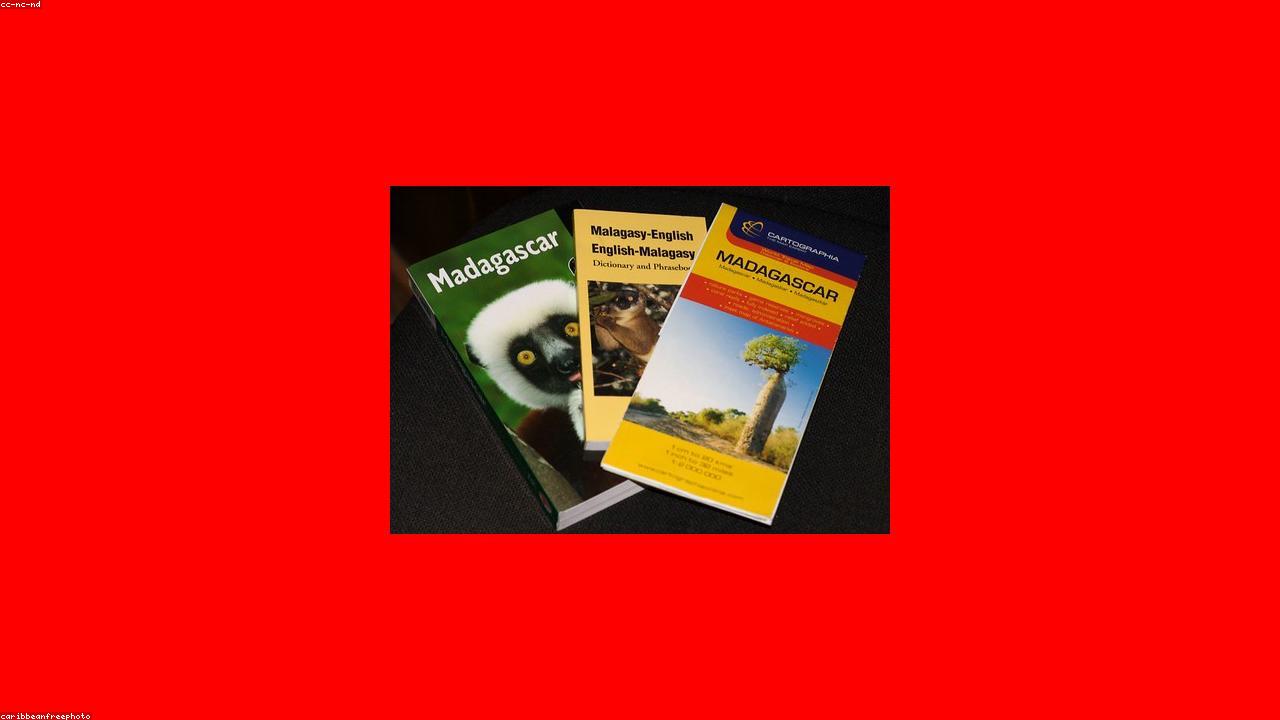
Photo: Ščenza
Antananarivo, Madagascar · Africa
Madagascar: the eighth continent and the slow road through it
Madagascar is the most biologically distinct landmass after Australia — 90% of its plants and animals are endemic — and one of the most logistically demanding countries I have travelled in. The reward, for the patient, is a country unlike anywhere else.
By Ščenza
· updated · 4 min read
It’s 5:38 a.m. on the so-called Avenue of the Baobabs, the kilometre stretch of road in western Madagascar where two dozen 30-metre-tall Adansonia grandidieri baobab trees still survive in a line that was, before deforestation, a forest. The sun is just coming up behind one of the trees. The shadow it throws across the laterite track is, briefly, twenty metres long. A small cart pulled by zebu cattle is creaking past at the speed of cattle. Two boys are walking by with backpacks for school. The country is doing what it does — slowly, beautifully, in the absence of much infrastructure.
Why I keep coming back
Madagascar broke off from the African continental plate roughly 165 million years ago, and from the Indian plate around 88 million years ago. The result is that the island’s flora and fauna evolved in isolation for an extraordinarily long time: roughly 90% of the species on Madagascar exist nowhere else. The lemurs (every single species), the baobabs, the chameleons, the fossa, the tenrec — Madagascar’s biology is the singular reason to travel here.
The country is also one of the poorest in the world by per-capita GDP, with infrastructure that reflects that reality. Roads are slow. Internal flights are unreliable. Even the most basic journey between regions takes a full day or two. The Madagascar trip rewards travellers willing to give it time.
Where to base yourself
Madagascar is not a ‘base in one place’ trip. It’s a circuit. The classic itineraries:
The RN7 (Route Nationale 7) south from Antananarivo — Tana → Antsirabe → Ranomafana → Isalo → Tulear. The most-travelled circuit, two weeks of slow driving with three national parks. The best introduction.
The northwest — Diego Suarez, the Tsingy de Bemaraha, Morondava and the Avenue of the Baobabs. Spectacular and harder to reach.
The east coast — Andasibe National Park (the closest indri-habitat to the capital), Maroantsetra and the Masoala peninsula. Wet, dense rainforest.
What to actually do
Visit Andasibe-Mantadia National Park. A 4-hour drive east of the capital; the easiest place to see the indri, the largest lemur and one with a song that carries kilometres through the rainforest. A 2-night stay is sufficient.
Hike Isalo National Park. A sandstone-and-canyon landscape in the south; multi-day hikes through gorges, natural swimming pools, and ring-tailed lemur troops.
See the Avenue of the Baobabs at sunset. West of Morondava, accessible by 4x4. The classic photograph.
Trek to the Tsingy de Bemaraha. A UNESCO-listed karst landscape of razor-sharp limestone pinnacles, requiring rope-and-ladder navigation. The trip from Morondava is rough — two days each way on dirt roads — but the landscape is genuinely unique.
Visit Ranomafana National Park. The classic eastern rainforest park, with several lemur species and one of the country’s longest-running primate research stations.
Spend a few days in Antananarivo. The capital is rarely loved by visitors but the old upper-town quarter has French colonial-era cobbled streets and the rova (royal palace, partially restored after a 1995 fire) is worth a half-day.
Where to eat
Malagasy food is rice-heavy (the country has one of the highest per-capita rice consumptions on earth), with French-colonial influence in the cities.
Romazava — The national dish; meat-and-greens stew over rice. Ravitoto — Pounded cassava leaves with pork. Madagascar street zebu skewers — Grilled zebu (the local cattle) with rice and tomato salsa. Coffee at Ku-De-Ta (Tana) — Modern café-restaurant; good Western breakfast options. French-influenced bistros in Tana — The food culture in the capital has a deep French inheritance.
Outside the major cities and lodges, food options are limited; you’ll eat at your hotel most evenings.
When to come
April through November is the dry season; the practical window for travel.
June–August can be cool in the highlands (below 10°C at night in Antsirabe).
December through March is the cyclone-affected rainy season; significant disruption to travel possible.
September and October is widely considered the optimal window: dry, the wildlife is active, the chameleons are breeding.
Practical notes
- Visa: E-visa for most Western passports.
- Money: Madagascar Ariary. Card accepted only at upper-end hotels and a few city restaurants. Cash is essential and ATMs are unreliable in rural areas; bring or exchange enough.
- Transport: Internal flights (Air Madagascar / Tsaradia) are useful but unreliable; allow buffer days for cancellations. The most practical inter-region travel is a hired vehicle and driver; budget around €80–150 per day plus fuel.
- Roads: Slow. The 800 km RN7 from Tana to Tulear takes 5+ days with park stops; the Tsingy access road is 2 days of dirt-road driving each way.
- Health: Yellow fever and standard tropical vaccinations; malaria prophylaxis recommended. Be cautious with tap water.
- Cost: The country is inexpensive in absolute terms but the logistics (drivers, park fees, internal flights) add up. A 14-day trip is usually US$3000–6000 per person, depending on lodge choices.
A final thought
Madagascar is one of the most distinctive countries I have travelled in and one of the most logistically demanding. The infrastructure has not, in twenty years, materially improved. The wildlife is, mostly, where it has always been — but several lemur species are now critically endangered, and the country’s slow deforestation continues at a depressing rate.
Go for at least two weeks. Do the RN7 south, or pair Andasibe with the Avenue of the Baobabs and Tsingy. Hire a private vehicle and driver. Stay in modest lodges close to the parks. Pay the park fees fully; they fund the conservation. Tip the local guides well. The country has its own pace, considerably slower than most travellers expect, and surrender to that pace is the precondition for any genuine experience. The lemurs will not be on schedule. The roads will not move faster. The patience is the whole point.
If you only have a few days
5 ideal things to do in Antananarivo
The Rova and the Haute-Ville of Antananarivo
Analamanga hill, above the capitalMorning, on foot, uphill, slowly
Manjakamiadana, the stone-cased royal palace on the highest hill in the city, burned in 1995 and has been under reconstruction for most of the time since; the queens' tombs and the chapel stand alongside it. Getting there means climbing the Haute-Ville through steep cobbled lanes of tall brick houses with wooden balconies, which look far more like a Portuguese hill town than anybody expects of Madagascar. Tana is a city almost every visitor tries to escape on the first afternoon. Give it a morning and a decent pair of legs instead.
The Royal Hill of Ambohimanga
24 km north-east of AntananarivoHalf a day; go on a weekday
Fortified hill where King Andrianampoinimerina pulled the Merina kingdom back together in the 1790s, inscribed by UNESCO in 2001 and still somewhere people come to pray rather than to sightsee. The main gate was closed each evening by a stone disc four and a half metres across weighing about twelve tonnes, which took twenty soldiers to roll into place. Behind the compound stands one of the last fragments of the primary forest that once covered the whole of these highlands. The forest is the part that stayed with me afterwards.
Parc Botanique et Zoologique de Tsimbazaza
Central Antananarivo, below the Assembly buildingTwo hours on your first or last day in the country
Nobody comes to Madagascar for a city zoo, and the enclosures will not impress anyone who has seen a European one lately. Go regardless, for the museum building: skeletons of the extinct megafauna laid out in cases — elephant birds, pygmy hippos, giant lemurs the size of a grown man — with the country's largest herbarium next door. Seeing what was here five hundred years ago before you go out and look at what is left changes the tone of the whole trip. It sharpened mine considerably, and not comfortably.
Listening for indri at Andasibe-Mantadia
About 150 km east of the capital, three hours on tarmacEarly morning; they call shortly after first light
Indri are the largest surviving lemurs and they sing — a sliding, wailing, whale-like call that carries a couple of kilometres through wet forest, answered by the next family group in the same phrase. You take a local guide at the gate, which is compulsory and entirely right, and walk in the drizzle before breakfast until a group starts up. Eleven lemur species live in the park. The indri is the one still playing in your head on the drive back. Bring a rain jacket you do not mind writing off.
Antsirabe, first stop down the RN7
Central highlands, a long half-day's drive south of the capitalApril to November; genuinely cold at night in July
Fifteen hundred metres up, founded in 1872 by a Norwegian missionary who wanted somewhere cool to recover in, with thermal baths from 1917 and a spa hotel and railway station from the early 1920s that have aged into a peculiar and rather lovely faded grandeur. Thousands of pousse-pousse rickshaws work the streets. Lake Tritriva, a crater lake fifteen kilometres out, repays the detour. The apples are the best in the country, which is not a sentence I expected to write about Madagascar.
From a Split boy’s notebook
The Split lens
What reminded me of home
Island ecology with a strong endemic-species profile and very few visitors. Our Kornati and Mljet archipelago has a similar Mediterranean endemic profile — the monk seal, the loggerhead turtle nesting beaches — and equally low visitor density on the marine side. Both ecosystems are quietly remarkable and quietly under-visited.
What Split could borrow
Madagascar's parks now require licensed local guides for entry, which both protects the ecology and channels significant tourist income to local communities. Our Kornati and Mljet national parks could expand the licensed-local-guide requirement — currently visitors arrive on their own yachts with no formal guide presence — and the revenue would fund both conservation and local employment.
Who can take you
Tour operators & guides to try
A short, opinionated starter list — just my humble opinion. Verify before booking.
Wild Frontierssmall groupwww.wildfrontierstravel.com →
Wild Frontiers' Madagascar trips are among the better organised in a country that is genuinely difficult to travel — small groups (8–12), proper 4x4 vehicles, the right park-stay arrangements at Ranomafana, Isalo, and the Avenue of the Baobabs. Higher cost than the local operators but the logistics are tighter. Caveat: Madagascar's road network is slow regardless; budget 12+ days for the southern circuit alone.
Steppes Traveltailoredwww.steppestravel.com →
Steppes Travel's Madagascar program is the tailored-and-private end — same circuits potentially, plus the harder-to-reach Tsingy de Bemaraha and the Masoala peninsula. Upper-tier pricing. Caveat: the country's infrastructure is genuinely poor; even the upper-tier accommodation is modest by international standards. The trip is about the biology, not the comfort.
If you liked this, try these
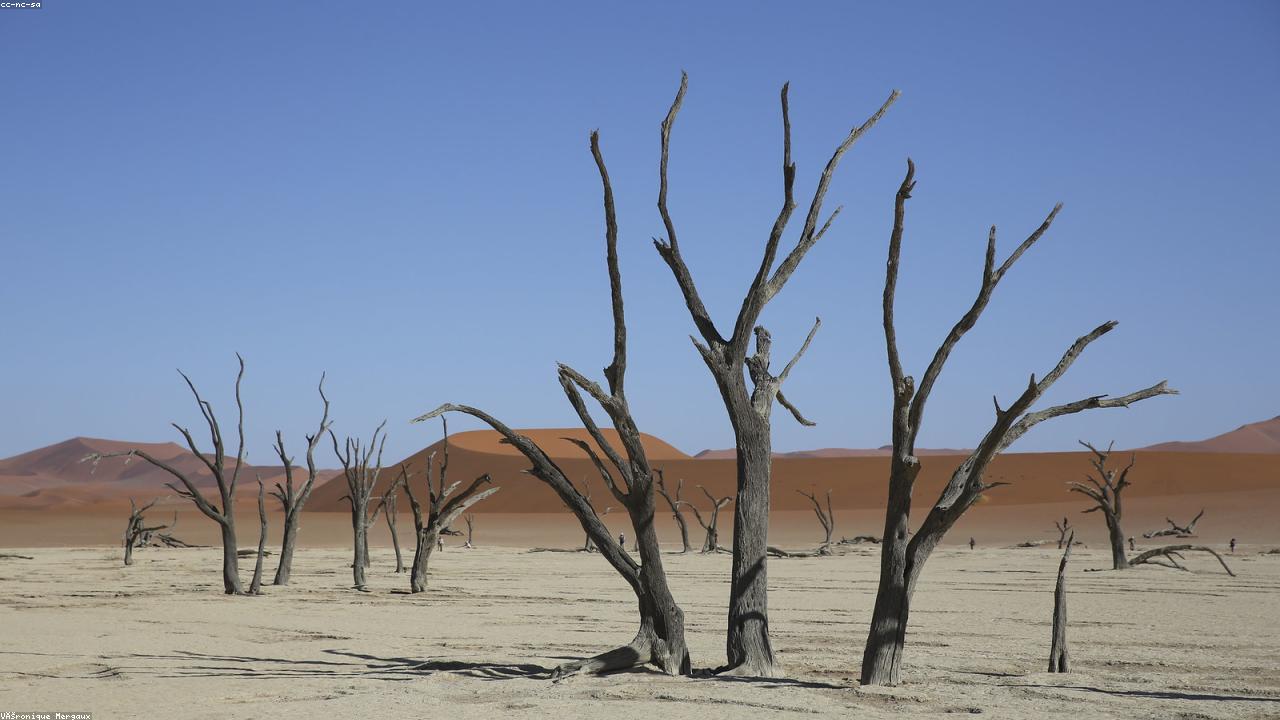
Sesriem, Namibia
Sossusvlei: the dunes of the Namib and the country around them
October 15, 2022
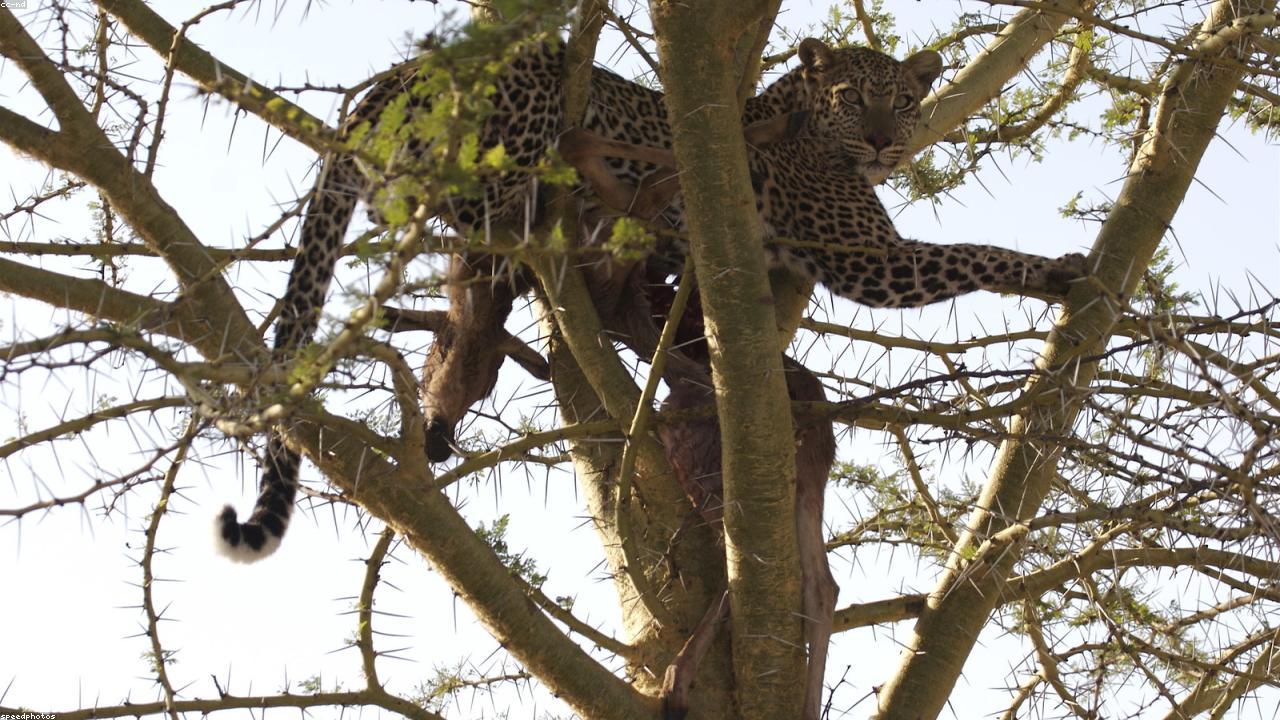
Seronera, Tanzania
Serengeti: the East African plains and the great migration
July 4, 2022
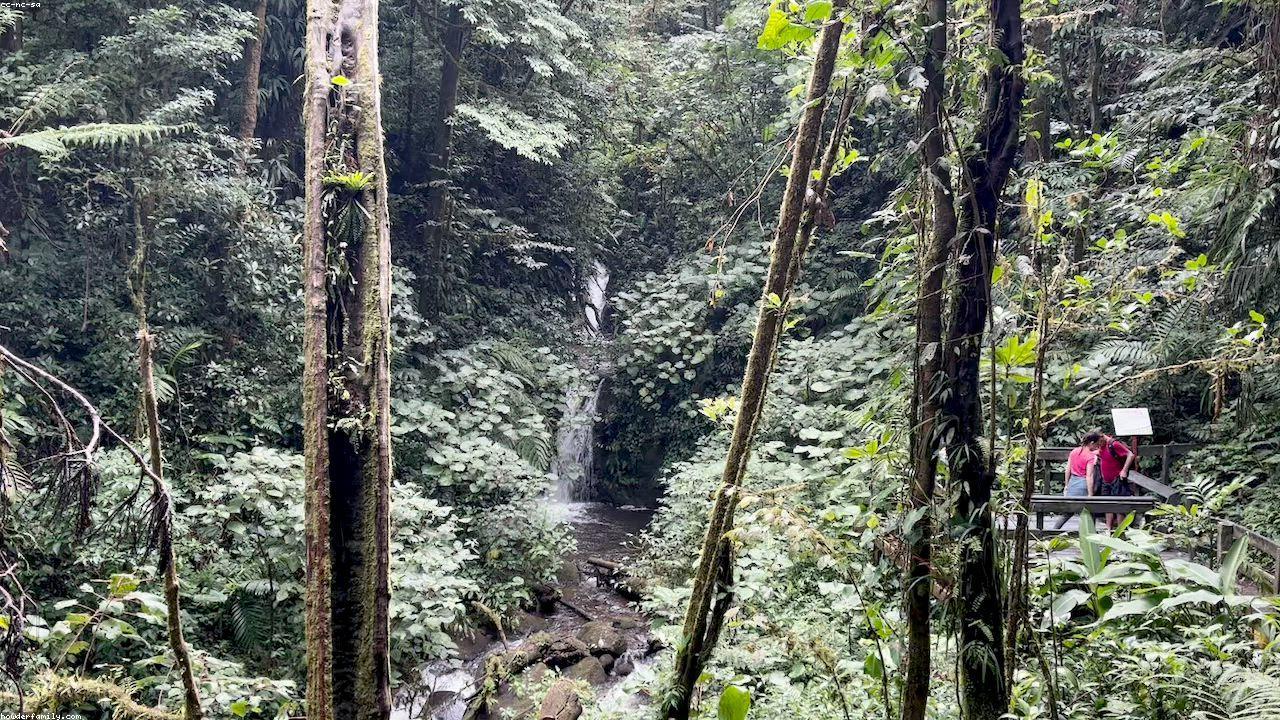
Santa Elena, Costa Rica
Monteverde: the cloud forest in the Costa Rican highlands
January 8, 2024