Photo: Ščenza
Seronera, Tanzania · Africa
Serengeti: the East African plains and the great migration
The wildebeest migration through the Serengeti and Maasai Mara — 1.5 million wildebeest, 200,000 zebra, 500,000 gazelle moving in an annual circuit — is the largest movement of land mammals on earth. The trick to seeing it is matching your visit to the herds, which is harder than the brochures suggest.

By Ščenza
· updated · 4 min read
It’s 6:18 a.m. and our Land Cruiser is parked on a low ridge above a tributary of the Mara River. Below us, perhaps three thousand wildebeest are massed at the riverbank, debating, in their incremental wildebeest way, whether to cross. The crocodiles are visible in the shallows. The lions are somewhere in the long grass on the other side. The wildebeest are doing what wildebeest do: edge forward, hesitate, edge back, edge forward, and eventually, one of them commits. The driver, Stephen, has been quiet for half an hour. He has been doing this for twenty-two years. He thinks today might not be the day.
Why I keep coming back
The Serengeti is one of the great wildlife landscapes on earth. The 30,000 km² ecosystem (extending across the border into the Maasai Mara of Kenya) supports the world’s largest population of lions, the largest annual migration of land mammals, and a density of large fauna that simply does not exist in most of the world anymore.
The great migration is the headline. Roughly 1.5 million wildebeest, accompanied by 200,000 zebra and 500,000 gazelle, move in an annual clockwise loop — calving in the southern Serengeti (January–March), heading northwest as the rains shift (April–June), crossing the Grumeti and Mara Rivers (July–September), and returning south through the eastern Serengeti (October–December). Where you should be depends on the month.
Where to base yourself
The Serengeti has dozens of camps and lodges spread across distinct regions:
Southern Serengeti (Ndutu / Naabi Hill area) — Best Dec–March for the calving season.
Central Serengeti (Seronera) — Year-round, the most accessible region with permanent water.
Western corridor (Grumeti) — Best May–July for the river crossings.
Northern Serengeti (Kogatende / Mara River) — Best July–October for the Mara River crossings.
Most first-time visitors do a multi-camp safari combining two or three areas, plus a few nights in the Ngorongoro Crater (the volcanic caldera south of the Serengeti, with a permanent resident population of around 25,000 large mammals).
What to actually do
Game drives, dawn and late afternoon. The animals are most active at the cooler edges of the day. A standard schedule is 6 a.m. departure, return for lunch and a midday rest, out again at 4 p.m. until sunset.
A hot-air balloon ride. Sunrise balloon flights operate from several lodges; ~US$500 per person; the only way to see the migration from above. Champagne breakfast on landing.
Day-trip to Ngorongoro Crater. The 19-km wide volcanic caldera, with its dense game and rim lodges. Often combined with the Serengeti as a single safari.
Visit a Maasai village. Many lodges arrange visits; ethically variable. The community-run boma visits (where the village gets the fee directly) are the better option.
Walk safaris. Available in some areas (parts of the southern Serengeti, some private concessions); a different and more humbling perspective than the vehicle.
Where to stay
Safari camps fall into roughly three tiers:
Luxury permanent lodges (US$1500–3000+ per person/night): Singita Faru Faru, andBeyond Klein’s Camp, the Four Seasons Serengeti.
Tented camps (US$700–1500): Asilia’s Sayari, Lemala, the Olakira mobile camps.
Mid-range and self-drive (US$200–600): Some good options for those willing to be more independent.
Most visitors book through a safari specialist; the camps are not really independent-booking-friendly and the logistics of moving between regions (small bush flights, scheduled transfers) are best handled by a specialist.
When to come
For the Mara River crossings: July through September; the spectacle most people imagine when they imagine the migration.
For the calving: late January through early March; thousands of wildebeest born per day, and consequently a high density of predator activity.
For lowest prices and good general game-viewing: April–May (the long rains, lower crowds), November (short rains).
Practical notes
- Visa: Tanzanian visa on arrival or e-visa for most Western passports; US$50.
- Money: US dollars are widely accepted in safari camps; Tanzanian shilling for any local purchases.
- Health: Yellow fever vaccination required if arriving from a yellow-fever country. Malaria prophylaxis recommended. Standard typhoid, hep A, tetanus etc.
- Cost: A serious safari is the most expensive trip in this guide on a daily basis. Budget US$700–1500 per person per day for a quality experience; double that for the high-luxury camps.
- Time of year: Match it to the migration phase you want to see. The brochures sometimes blur this; ask the operator specifically.
- Tipping: Tipping your driver-guide and the camp staff is significant and expected; budget around US$30–50 per person per day for guides, US$10–20 per person per day for camp staff.
- The mobile-camp option: Several operators run camps that move with the migration; the right choice if you want to be in the middle of the wildebeest rather than visiting them from a permanent base.
A final thought
A safari is one of the most expensive forms of travel and one of the most predictable in its emotional payoff. The size of the East African plains, the density of the wildlife, the proximity to large animals on their own terms — these are experiences that most modern travel cannot offer.
The operating cost of the conservation infrastructure is enormous; the entry fees to the parks fund the rangers, the anti-poaching teams, and the local communities. Pay them, fully. Tip the camp staff well. Hire local guides. The economic model of high-cost, low-volume tourism in these reserves is, for the moment, the model that keeps the Serengeti the Serengeti.
Spend at least seven nights — ideally split between two or three camps in different regions of the ecosystem. Go for the right month. Trust the guide. The wildebeest will cross when they cross. Stephen will know.
If you only have a few days
5 ideal things to do in Seronera
Dawn game drive in the Seronera valley
Central Serengeti, along the Seronera RiverOut at first light, back for a late breakfast
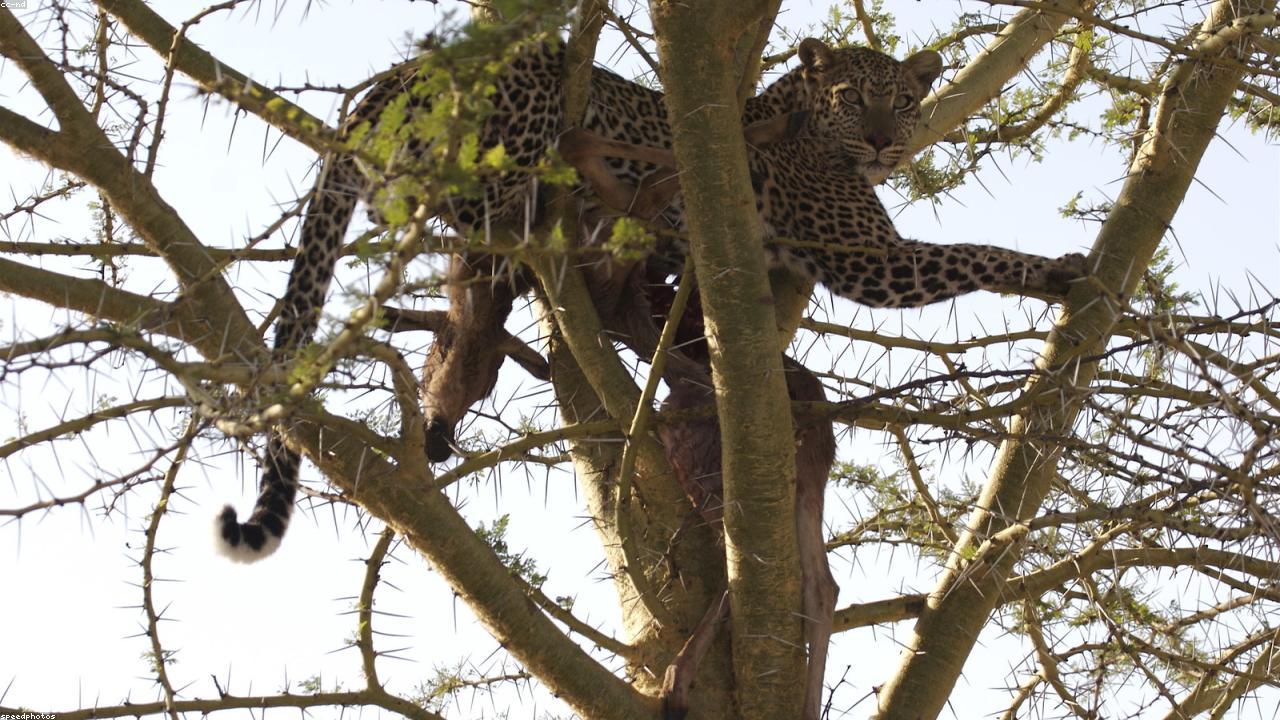
Water runs in the Seronera year-round, which is why the central park holds resident game even when the migration is four hundred kilometres away. Leopards use the big trees along the watercourse; the granite kopjes hold lion prides that treat them as furniture. Six degrees at dawn and thirty by eleven, so pack the fleece you feel ridiculous packing. Our driver found a leopard by watching where the impala were looking rather than where the other vehicles were, and that is the whole difference between a guide and a driver.
Balloon safari at sunrise
Launch sites near Seronera and in the northOne dawn, booked a long way ahead
Up before four, driven to a dark field, and then an hour of drifting a hundred metres over the plains with no engine noise at all, watching herds react to the shadow rather than to any sound. It is the most expensive hour of most people's safari and I have yet to meet anybody who regretted it. The champagne breakfast laid out on the grass afterwards is faintly absurd — white tablecloths in the middle of nowhere — and everybody plays along, me included, in yesterday's shirt.
Mara River crossings at Kogatende
Northern Serengeti, on the Kenyan borderJuly to October; fly in, the drive up from Seronera is punishing
Wildebeest mass on the bank for hours and then do not cross. Then they cross. Nobody can tell you which day it will be, and any operator promising a crossing is selling you something they do not control. Crocodiles wait in the shallows and the herd goes anyway, because the grass is on the other side and that is the entire calculation. We sat two mornings and got one crossing of about forty minutes. I have never managed to describe the noise of it to anybody afterwards.
Moru Kopjes
South-central Serengeti, an hour or so from SeroneraBest in the wetter months, when the southern plains hold game
Kopjes are ancient granite outcrops standing out of the grass like islands, and the Moru group is the largest cluster of them in the park. They collect shade, rainwater in the rock hollows and a commanding view, so they collect cats — lions lie on them all day looking so exactly like the photographs that you briefly stop believing your own eyes. Ask the guide to kill the engine and sit for twenty minutes. Nothing seen from a vehicle doing thirty is ever quiet enough to count.
Ngorongoro Crater, with Oldupai Gorge on the road
Ngorongoro Conservation Area, southeast of the parkOne full day, usually the first or the last of a safari
Six hundred metres down into a collapsed caldera whose floor covers two hundred and sixty square kilometres and holds around twenty-five thousand large animals that mostly never leave. Black rhino among them, back from thirteen individuals in 1993 to about fifty-five by 2018. Only fifty vehicles are allowed on the floor at once and it can still feel like a car park at a good sighting. Stop at the Oldupai Gorge museum on the way — the Leakeys' site, and oldupai is Maasai for the wild sisal growing all over it.
From a Split boy’s notebook
The Split lens
What reminded me of home
A landscape large enough to humble you. The Serengeti's scale isn't directly comparable to anything in Dalmatia, but the experience of being small in something much bigger — that's what a clear night out on a Vis fishing boat in May gives you, when there are no land lights and the Milky Way is the dominant feature of the sky.
What Split could borrow
Tanzania funds its national parks substantially through visitor fees that go directly to conservation, ranger salaries, and surrounding community grants. Our Nature Park Krka, Plitvice, and the Kornati Islands collect park fees but a smaller fraction of it visibly returns to conservation. Transparent fee allocation would build local support.
Who can take you
Tour operators & guides to try
A short, opinionated starter list — just my humble opinion. Verify before booking.
&Beyondluxurywww.andbeyond.com →
&Beyond is the safari operator I most often recommend for the Serengeti — particularly their Klein's Camp in the north and the Grumeti reserve. The vehicles, the guides, the camp standards, the conservation contribution are all serious. Upper-tier pricing (USD 800–1,500 per person per night). Caveat: the migration timing matters more than the operator; verify that your dates align with the herd's likely position.
Asilia Africaluxurywww.asiliaafrica.com →
Asilia Africa runs some of the best mobile tented camps in the Serengeti — Olakira and Sayari in particular — that move with the wildebeest migration through the year. Smaller camps (8–12 tents typically), strong conservation credentials. Upper-tier pricing. Caveat: the mobile-camp format means slightly less infrastructure than the permanent lodges; if hot water on demand and stable Wi-Fi are priorities, &Beyond's permanent lodges are the better fit.
If you liked this, try these
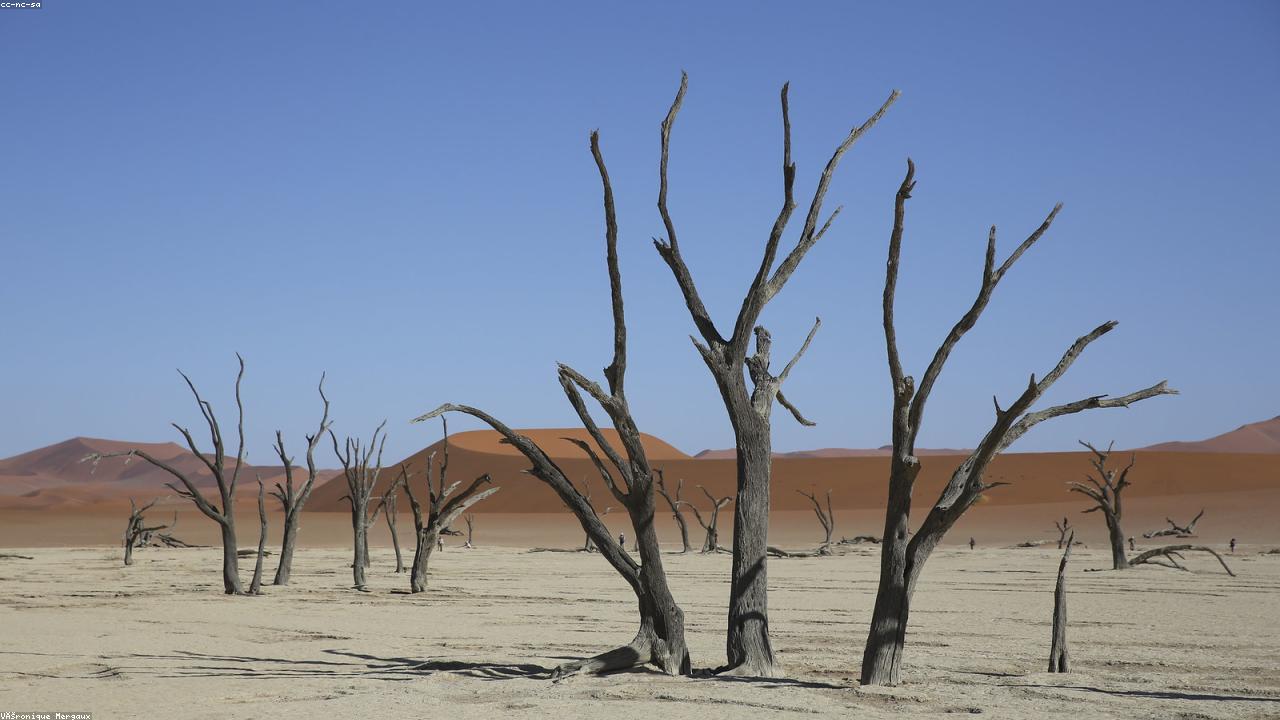
Sesriem, Namibia
Sossusvlei: the dunes of the Namib and the country around them
October 15, 2022
Antananarivo, Madagascar
Madagascar: the eighth continent and the slow road through it
September 26, 2022
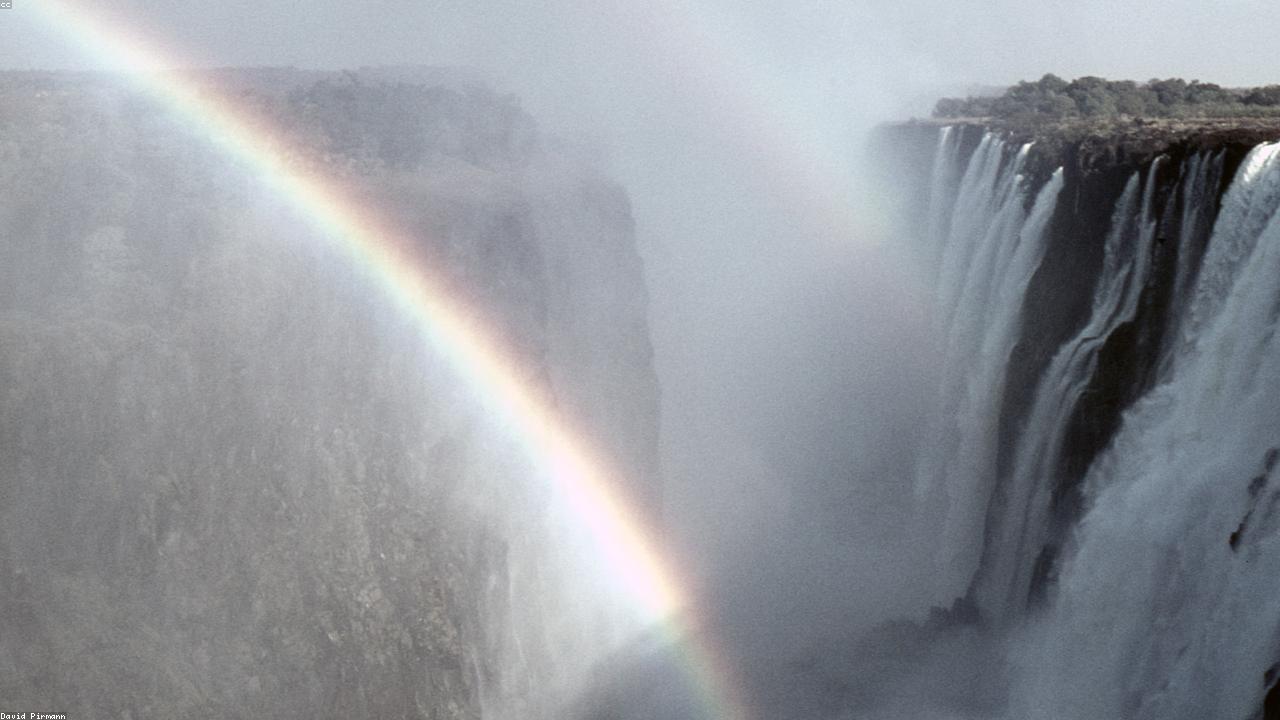
Livingstone, Zambia
Victoria Falls: the smoke that thunders on the Zambezi
August 10, 2022