Photo: Ščenza
Muscat, Oman · Middle East
Muscat and the Omani interior: the Arabian peninsula the other way
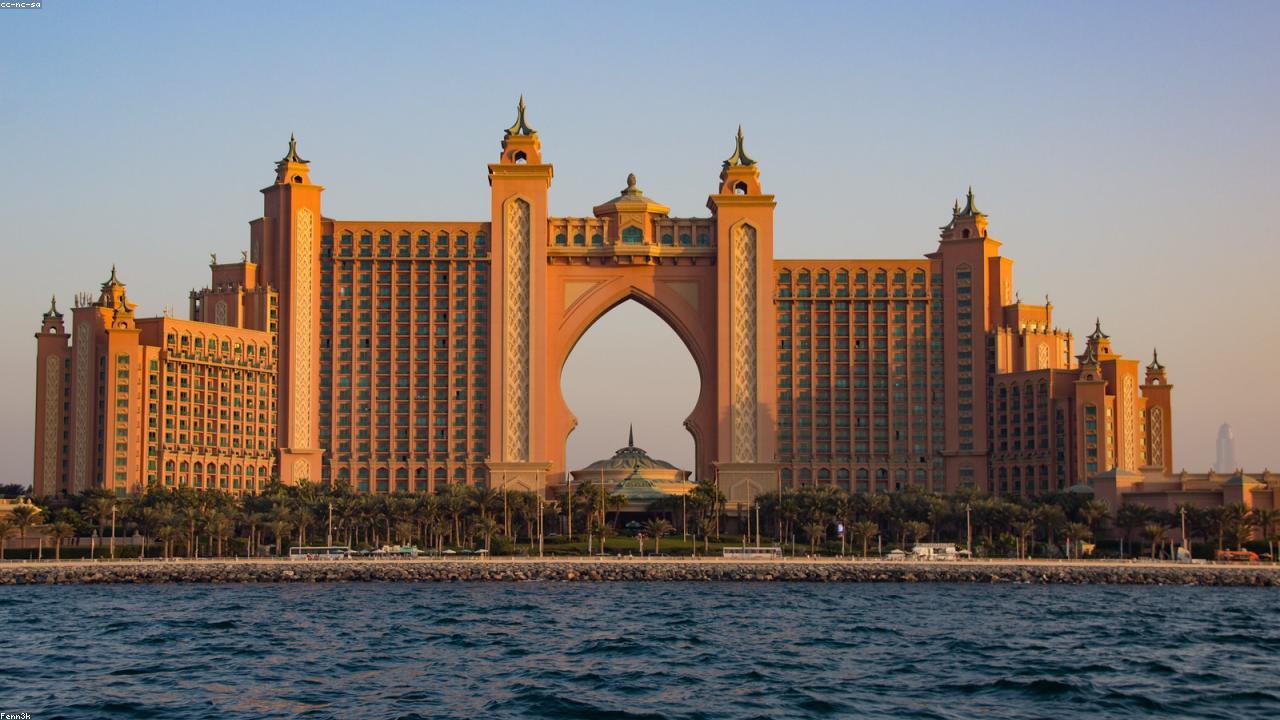
Oman has chosen, deliberately, a different path from its glittering Gulf neighbours. The buildings are low-rise. The architecture is regulated to traditional Omani style. The tourism numbers are smaller. The country is, in every meaningful sense, the antidote to Dubai.
By Ščenza
· updated · 4 min read
It’s 5:38 a.m. on the Corniche of Muttrah — the old port quarter of Muscat — and the morning call to prayer is coming from a small whitewashed mosque on the seafront. The dhows are still in the harbour. The Portuguese-era fort, Al Jalali, is silhouetted on the rocky headland at the harbour entrance. Two fishermen are unloading their catch. The buildings along the Corniche are all whitewashed, all low-rise, in keeping with the building code that has, since the 1970s, deliberately limited Muscat to a particular Omani aesthetic. This is the Arabian peninsula on a different and quieter setting from Dubai’s, two hours’ flight to the west.
Why I keep coming back
Oman is the southeastern corner of the Arabian peninsula and one of the most pleasantly surprising countries I have travelled in. The country has, under the long reign of Sultan Qaboos (1970–2020) and continuing under his successor Sultan Haitham, deliberately chosen a path different from its Gulf neighbours: regulated low-rise architecture, modest tourism numbers, the preservation of pre-oil cultural traditions, a foreign policy of neutrality.
The country is also geographically diverse: Muscat on the Gulf of Oman; the Hajar Mountains rising to 3,000 m inland; the Wahiba Sands desert; the Jebel Akhdar (Green Mountain) plateau; the fjord coast at Musandam in the north; the southern Dhofar region with its monsoon-fed greenery.
Where to base yourself
Muscat (Mutrah, Old Muscat, or the newer Al-Khuwair) for the capital base.
Nizwa for the interior; the historic fort, the Friday goat market, access to the Hajar Mountains.
Jebel Akhdar (Green Mountain plateau) for cool-mountain stays; the Alila Jabal Akhdar is the iconic luxury hotel.
Wahiba Sands for desert camps; many operators run overnight excursions.
Salalah in the south for the Dhofar khareef (monsoon) season (July–September) when the desert turns green.
What to actually do
Walk the Mutrah Souk. One of the oldest active souks in the Arab world; frankincense, gold, silver, textiles, and the famous Omani daggers (khanjars).
Visit the Sultan Qaboos Grand Mosque. Open to non-Muslims in the mornings (Saturday–Thursday, 8 a.m.–11 a.m.); the marble courtyards, the giant chandelier in the main prayer hall, the famous hand-knotted carpet (the world’s second-largest single-piece carpet). Dress code: ankle-length, long sleeves, headscarf for women.
Drive to Nizwa and the interior. The 17th-century round-tower Nizwa Fort; the Friday morning goat-and-cattle market; the surrounding date-palm oases.
Climb Jebel Shams. The ‘Mountain of the Sun’ — Oman’s highest peak (3,000 m), with the Grand Canyon of Oman dropping beside it. The Balcony Walk along the rim is one of the great half-day hikes in the Middle East.
Sleep in the Wahiba Sands. Overnight at a desert camp (Desert Nights Camp, 1000 Nights Camp). 4x4 dune drives, camel rides, stargazing. The night sky is the experience.
Drive the coast to Sur. Three hours south of Muscat; the Wadi Shab swim (an inland canyon swim), the green turtle nesting site at Ras al Jinz, the dhow-building yards at Sur (where the traditional wooden trading dhows are still built).
Visit Musandam. The northern enclave (separated from the rest of Oman by UAE territory); the fjord coast of the Strait of Hormuz; dolphin watching, boat trips, ascending limestone cliffs. A 2-night side trip.
Where to eat
Omani food is influenced by Indian, Persian, Yemeni, and East African cuisines. Slow-cooked goat (shuwa), spiced rice (kabsa), the saffron-cardamom-laced halwa (Omani-style halva, served with kahwa coffee).
Bait Al Luban — Modern Omani in Mutrah; the institutional choice for the cuisine. Kargeen Café — Multi-cuisine, popular with both locals and visitors. Mumtaz Mahal — Indian; one of Muscat’s longest-running. Bait Al Bahar at Al Bustan Palace — Upper-end seafood. A Friday family lunch at any neighbourhood Omani restaurant — the most accessible window into Omani family eating. Kahwa and dates — Anywhere in Oman, you’ll be offered the cardamom-laced Omani coffee and a date. Accept; refuse politely after the second cup by tipping the cup.
When to come
October through April is the practical season; cooler temperatures (22–32°C).
May through September is hot (40°C+ in much of the country); the Dhofar khareef season in the south (July–September) is the green-monsoon exception.
Practical notes
- Visa: E-visa for most Western passports.
- Money: Omani rial (one of the world’s highest-value currencies; OMR 1 is about US$2.60).
- Transport: A rental 4x4 is the practical choice for the interior. Roads are excellent for a Middle Eastern country.
- Dress code: Modest in public — shoulders covered, knees covered, particularly for women. The country is conservative.
- Alcohol: Available in licensed hotels and restaurants; not at street level.
- Safety: Oman is among the safest countries in the Middle East.
- Cost: Significantly cheaper than Dubai or Abu Dhabi but mid-range by international standards.
A final thought
Oman has, over four trips in fifteen years, become one of my favourite countries in the Middle East. The combination of the conservative Omani aesthetic restraint (the whitewashed buildings, the low-rise development, the preserved old quarters), the genuinely warm hospitality, and the geographic variety (mountains, desert, coast, fjords) makes a 10-day trip unusually rewarding.
The contrast with Dubai is significant. Where Dubai is engineered and global, Oman is restrained and Omani. The Omani I have met — at the markets, at the desert camps, in the small interior towns — have a particular quiet pride in their country’s distinct path that is, in the modern Arabian peninsula, increasingly rare.
Ten to fourteen days is the right length. Start in Muscat, drive the interior to Nizwa and Jebel Shams, sleep in the Wahiba Sands, swim in Wadi Shab, return via the coast. The country is not loud about its appeal. The appeal is real and accumulates over days.
If you only have a few days
6 ideal things to do in Muscat
Sultan Qaboos Grand Mosque
Bawshar, on the highway west of the centreMornings, Saturday through Thursday, outside prayer times
Non-Muslim visitors are welcome six mornings a week, which is not something the region is uniformly good at. The prayer hall holds a single-piece carpet of 1.7 million knots that took six hundred weavers four years, under a chandelier fourteen metres tall carrying six hundred thousand crystals. Ankles and shoulders covered, headscarf for women. The courtyards are white marble in direct sun, and I did the entire visit squinting like something that had just been dug up.
Mutrah Souq and the corniche at dusk
Mutrah, the old port quarterAfter the late afternoon prayer, when the heat drops
Two hundred years old and known locally as Al Dhalam, the darkness, because the lanes are roofed and the sun never reaches the floor. Frankincense, silver, khanjar daggers, dishdashas, and a sales pressure that is mild by regional standards. Walk the whitewashed corniche afterwards with the dhows in the harbour and the Portuguese forts on the headland. It is roughly what our Riva would look like if we had ever enforced a building code instead of arguing about one for thirty years.
National Museum of Oman
Old Muscat, opposite Al Alam PalaceTwo to three hours, before you walk the palace quarter
Opened in 2016 with fourteen galleries and none of the oil-money bombast you brace yourself for. The maritime hall and the arms and armour hall are the strong ones, and there is a serious section on Omani silverwork, a craft in which women were also smiths. It was the first museum in the Middle East to label its collection in Arabic Braille, which tells you what sort of institution it is trying to be. Go here before the forts and the rest of the country becomes legible.
Old Muscat: Al Alam Palace, Al Jalali and Al Mirani
The walled harbour at the eastern end of the cityFirst light, or the last hour before dark
Al Alam is the Sultan's ceremonial palace, blue and gold columns, closed to visitors and photographed from the gates by everybody including me. The two Portuguese forts on the crags either side of the inlet, Al Jalali and Al Mirani, are also closed, and are the more interesting objects: sixteenth-century, built to hold a harbour against the sea their builders had just crossed. The whole walled quarter is twenty minutes of walking and absolutely nothing is trying to sell you anything.
An evening at the Royal Opera House Muscat
Shati Al QurumThe season runs roughly autumn through spring
Since opening with Turandot in 2011 the programme has swung between opera, flamenco, Indian classical and whichever orchestra is touring the Gulf that month. The building is Omani stonework and carved teak rather than a glass statement, and the audience is a real mix of Omani families and long-settled expatriates. Dress properly. I arrived in what I had convinced myself were acceptable trousers and spent the interval feeling like a man who had wandered up from the beach.
Nizwa fort and the goat souq
Inland, about ninety minutes southwest of MuscatFriday morning early for the livestock ring; Thursday also works
Nizwa's fort was finished in the seventeenth century around an enormous round tower built for exactly one purpose — to absorb cannon fire — with a well inside it so that a siege changes nothing. Climb it for the date palms running eight kilometres out from the town. Then the round pen beside the souq, where goats are walked in a circle by their owners while men bid, argue and drink coffee. None of it is arranged for visitors and none of it slows down because you are standing there.
From a Split boy’s notebook
The Split lens
What reminded me of home
A whitewashed coastal city that has deliberately kept low-rise low-density development as national policy. The Mutrah corniche is what our Riva could feel like if it had kept the architectural restraint Muscat has enforced. Both cities chose modesty as identity.
What Split could borrow
Muscat's strict low-rise building code has been national policy since the 1970s and has preserved the city's visual character despite oil wealth. Our coast has had no equivalent discipline — Makarska, Tučepi, and Brela have allowed dense mid-rise hotel development. A coastal building-height code would protect what remains.
Who can take you
Tour operators & guides to try
A short, opinionated starter list — just my humble opinion. Verify before booking.
Intrepid Travelsmall groupwww.intrepidtravel.com →
Intrepid's Oman trips are at the more interesting end of the country's tour-operator market — Muscat, the Hajar Mountains (Jebel Akhdar), the Wahiba Sands desert, the coastal road south to Sur. Group size 12–16. The trip is well-paced and the country itself is genuinely easy on visitors. Caveat: in summer (May–September) the heat is brutal; this is genuinely a November-to-March trip.
Wild Frontierssmall groupwww.wildfrontierstravel.com →
Wild Frontiers' Oman program is more substantial — the Musandam fjord coast (the northern enclave), the Empty Quarter desert overnight, Salalah in the south during the khareef monsoon season. Group size 8–12. Higher cost. Caveat: the Musandam component requires a UAE land border crossing (Oman exclave); the visa logistics are handled but build in a transfer day.