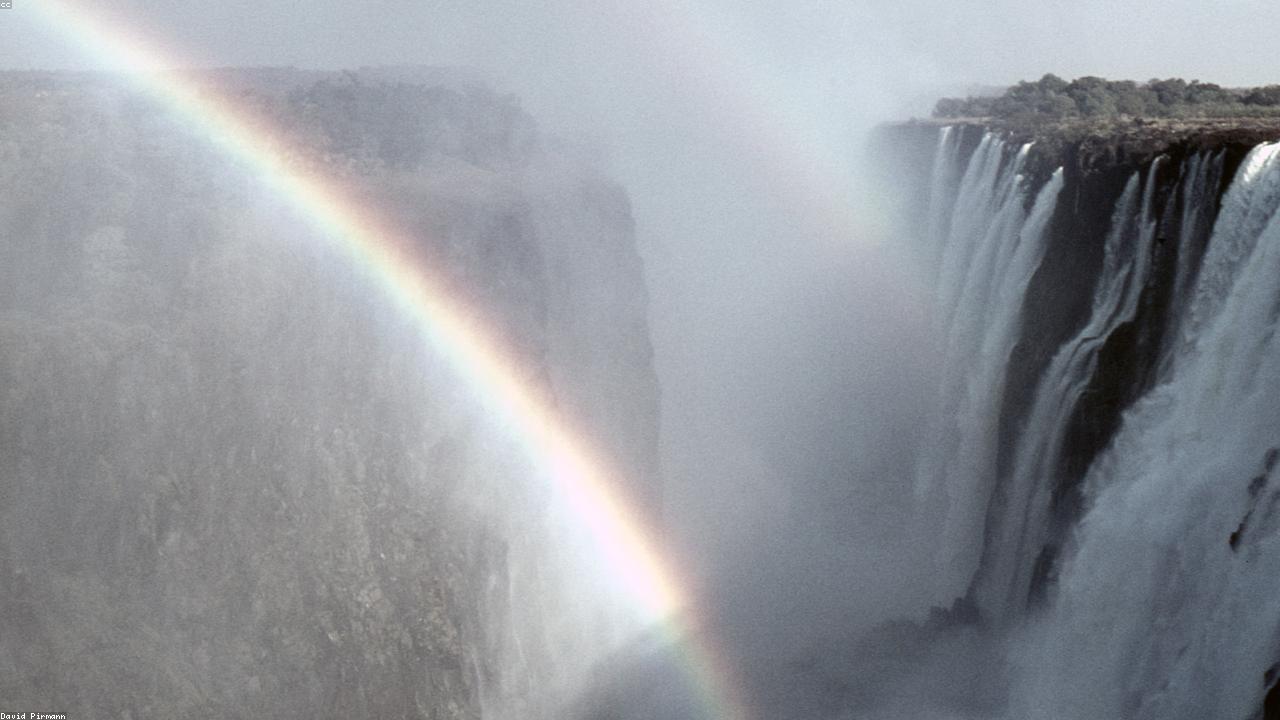
Photo: Ščenza
Livingstone, Zambia · Africa
Victoria Falls: the smoke that thunders on the Zambezi
Victoria Falls (Mosi-oa-Tunya, 'the smoke that thunders' in Lozi) is 1.7 km wide and drops 108 m, with a peak-season volume that throws spray a kilometre into the sky. A guide to seeing it without rushing, and to combining it with the upper Zambezi.

By Ščenza
· updated · 5 min read
I’m standing on the Knife-Edge Bridge on the Zambian side of Victoria Falls in mid-April, at the peak of the wet season, and I am wet to the skin within thirty seconds. The spray from the falls is rising in a column high above my head; the wind catches it sideways; I cannot see the falls themselves for the spray. The roar is continuous. Somewhere across the gorge, on the Zimbabwean side, the Eastern Cataract is doing the same thing it has been doing for at least 100,000 years.
Why I keep coming back
Victoria Falls is, by combined width and height, the largest curtain of falling water on earth. The Zambezi river, having dropped through a series of upstream rapids, falls suddenly into a 108-metre-deep cleft along a 1.7-km-wide line. The water then escapes through a series of zigzag gorges. At peak (March–May), the volume is so high (around 500 million litres per minute) that you literally cannot see the falls from many viewpoints because the spray fills the sky.
The Falls straddle the Zambia-Zimbabwe border; you can visit from either side. Most experienced travellers do both.
Where to base yourself
Livingstone, Zambia — The Zambian-side town, slightly larger and more developed in recent years.
Victoria Falls town, Zimbabwe — The Zimbabwean-side town, smaller and more directly oriented around the falls. The Victoria Falls Hotel (a colonial-era classic, 1904) is the heritage option.
Tongabezi, Royal Livingstone, Sussi & Chuma — Upper-end safari-style lodges on the Zambian side, close to the falls.
What to actually do
Visit the falls from both sides. The Zambian side gives you closer access (you can walk into the gorge and across the Knife-Edge Bridge at some water levels). The Zimbabwean side gives you the wider panoramic views (the Devil’s Cataract, the Main Falls, the Horseshoe Falls).
Both sides need a separate entry fee (about US$30 each). The crossing between countries — over the historic 1905 Victoria Falls Bridge — is straightforward; visas are available at the border for most Western passports.
Swim in Devil’s Pool. Only in the dry season (roughly September to early January), when the water level drops. A small natural pool on the lip of the Eastern Cataract on the Zambian side, with a rock barrier that lets you swim to within a metre of the 108-m drop. Accessed by boat from Livingstone Island; guided trips around US$100. Genuinely terrifying, genuinely safe.
Sundowner on the Zambezi. Sunset cruise on the upper Zambezi above the falls; the river is wide, flat, with hippos and crocodiles in the shallows. Most operators include drinks. About US$50–100.
Walk the gorge or fly over it. Helicopter rides over the falls and the zigzag gorges below are excellent (around US$200 for 15 minutes). Bungee jumping from the 1905 bridge is also available, for the adventurous.
Rhino-tracking walk in the Mosi-oa-Tunya National Park (Zambian side) — a half-day walk with armed guides through the small park; the white rhinos are mostly habituated to walkers. Around US$200.
Add a safari extension. Chobe National Park (Botswana, two hours west) is one of the easiest add-ons; the elephant population is the largest in Africa.
Where to eat
Food options at the falls are mostly hotel-based or in a few independent restaurants.
The Royal Livingstone — High tea on the terrace overlooking the river is the colonial-revival experience. Da Canton Tonga Café (Livingstone) — Italian-ish food, reliable. The Lookout Café (Zimbabwean side) — Gorge-edge dining; the view is the show. Three Monkeys Restaurant (Victoria Falls town) — Pan-African; the kudu steak. The Boma — A traditional dinner-and-drumming experience; mid-tier touristy but enjoyable; the four-course menu samples Zambian/Zimbabwean cooking.
When to come
February through April is the peak flow; spectacular but the spray obscures the view from many points.
May–July is, in my view, the best window — high but not peak water, manageable spray, comfortable temperatures.
August–October is dry season — the eastern half of the falls can run dry, but Devil’s Pool opens and the gorge below is more visible.
November–January is the early rains; lower water levels still, with the chance of a green wet-season scene.
Practical notes
- Visa: Zambia and Zimbabwe both offer visa-on-arrival for most Western passports. The KAZA UniVisa allows multiple entries to both countries and a day visit to Botswana for US$50; useful if you’re moving between sides.
- Money: US dollars are widely accepted on both sides; Zambian kwacha and Zimbabwean local currency mostly for small purchases.
- Transport: A small bridge connects the two sides; the walk from Zambian to Zimbabwean entry stations is about 20 minutes. Taxis are easy on both sides.
- Air: International flights are direct to both Livingstone (LVI) and Victoria Falls (VFA); domestic flights from Lusaka and Harare.
- Health: Malaria zone; prophylaxis recommended. Yellow fever certificate may be required.
- Wildlife: Vervet monkeys and baboons in the falls park steal food; warthogs and elephants occasionally wander into Livingstone’s outskirts. Treat the wildlife with respect.
A final thought
Victoria Falls is one of the rare natural sites that lives up to its reputation, especially in peak flow. The combination of the Zambezi river, the geology of the gorge, and the sheer volume of water makes it different in kind from other large waterfalls (Iguazu, Niagara) — it’s a curtain, not a series of falls, and the spray genuinely fills the sky.
The wider region — the upper Zambezi, the small chain of national parks across Zambia/Zimbabwe/Botswana — is one of the most accessible safari corridors in southern Africa. Pair the falls with three or four nights in Chobe (Botswana) or Hwange (Zimbabwe) for one of the most rewarding combined-trip itineraries on the continent.
Four nights minimum at the falls. See it from both sides. Do at least one experience on the river (sunset cruise or Devil’s Pool). The spray will get on your camera, and your hair, and your clothes. That’s part of the experience.
If you only have a few days
6 ideal things to do in Livingstone
The Knife-Edge Bridge and the Zambian rainforest path
Mosi-oa-Tunya National Park, Livingstone sideMarch to May for maximum water; expect to be soaked
The falls run one thousand seven hundred metres wide and drop a hundred and eight, and in April the Knife-Edge Bridge places you directly beneath the spray column with a clear view of absolutely nothing but white. I have never been wetter with my clothes on. A rain jacket is decorative at that time of year; take the poncho, bag the camera, surrender early. Come back in June and the same short walk hands you the actual curtain of water in daylight, which is why anyone who can manage two visits in one trip does exactly that.
Devil's Pool from Livingstone Island
On the lip of the Eastern Cataract, by boat from the Zambian bankRoughly September to December, when the river drops
A rock lip forms a slack eddy at the very edge of the drop once the water is low enough, and you swim into it and lean out over a hundred and eight metres of nothing while a guide holds your ankles. Every part of that sentence sounds like a coroner's report and the safety record says otherwise. Getting there means a boat out to Livingstone Island and a short wade. I did it, said something extremely stupid on the way in, and came out laughing at a pitch I do not otherwise use.
Walking across the Victoria Falls Bridge
Between Zambia and Zimbabwe, over the Second GorgeMid-morning; carry your passport and the right visa
Built in 1904 and 1905 to George Hobson's design with Ralph Freeman running the stress calculations, a hundred and fifty-six and a half metres of steel arch carrying road, railway and a footway — and you can simply walk it, from one country into another, past the border posts. Halfway across is where the Zimbabwean panorama opens up properly. Guided tours go out along the girders beneath the deck. Above it, people pay to fall a hundred and eleven metres on an elastic rope, an activity I watched for forty minutes and then declined.
White-water rafting in the Batoka Gorge
Below the falls; put in near the Boiling PotLow-water months, roughly August to December
This is the stretch that turns up on every serious list of commercial rafting, and the reason is geological: a narrow basalt gorge, enormous volume, big drops, and rapids arriving one after another with almost no flat water between them. The climb down into the gorge at the start and back out at the end is nobody's favourite hour of the trip — in that heat it is genuine work, and I was overtaken by a man carrying a raft. Low water gives you the full run. Take the safety briefing seriously; it is not a formality here.
Tracking white rhino in Mosi-oa-Tunya National Park
The upstream half of the park, along the ZambeziEarly morning, year-round
Sixty-six square kilometres of park holding a small reintroduced population of southern white rhino — ten of them as of 2022, brought up from South Africa after Zambia's own were wiped out. You walk in with armed scouts and get closer than any vehicle would ever allow. It is managed, guarded and faintly artificial, and to their credit the guides say so rather than selling you a wilderness fantasy. Also giraffe, zebra, buffalo, and baboons that have worked out precisely how a zip functions.
The Livingstone Museum
Central Livingstone, on Mosi-oa-Tunya RoadAn hour on a hot afternoon between river days
Zambia's oldest and largest museum, opened in 1934, with the Livingstone family's own donation of his letters and journals in one gallery and Stone Age to Iron Age archaeology in another. The handwriting is what stays with you: page after cramped page from a man who was, for large parts of his career, comprehensively lost. Almost nobody comes here because everybody is down at the gorge, and after four days of adrenaline sports it was the room where I finally worked out where I actually was.
From a Split boy’s notebook
The Split lens
What reminded me of home
Natural wonder shared between two countries (Zambia and Zimbabwe), with the better experience coming from visiting both sides. Plitvice and Krka are our equivalents — two adjacent national parks, both UNESCO, both stunning, both currently treated as separate day trips rather than as a combined natural-wonder itinerary.
What Split could borrow
Victoria Falls is marketed as a single destination internationally despite spanning two countries. Our Krka–Plitvice–Kornati natural-park cluster could be marketed as a single natural-Croatia product alongside the coastal cities. Currently it's marketed by separate park-administrations with no joint visitor strategy.
Who can take you
Tour operators & guides to try
A short, opinionated starter list — just my humble opinion. Verify before booking.
&Beyondluxurywww.andbeyond.com →
&Beyond's Victoria Falls component is part of their broader southern-Africa luxury safari packaging — Falls + Botswana (Okavango Delta), Falls + Zambia (Lower Zambezi). Upper-tier pricing. Caveat: the Falls themselves are a 1–2 night visit; the rest of the trip is in the surrounding reserves. The operator handles the visa logistics across multiple countries efficiently.
Wildernessluxurywww.wilderness.com →
Wilderness (formerly Wilderness Safaris) runs Victoria Falls visits from their lodge collection — Toka Leya on the Zambian side, the Victoria Falls River Lodge across the river. Established African operator with serious conservation credentials. Upper-tier pricing. Caveat: their lodges sometimes integrate with longer safari trips; the cleanest Victoria Falls-only trip is 3 nights at one of these lodges plus the helicopter flight over the falls.
If you liked this, try these
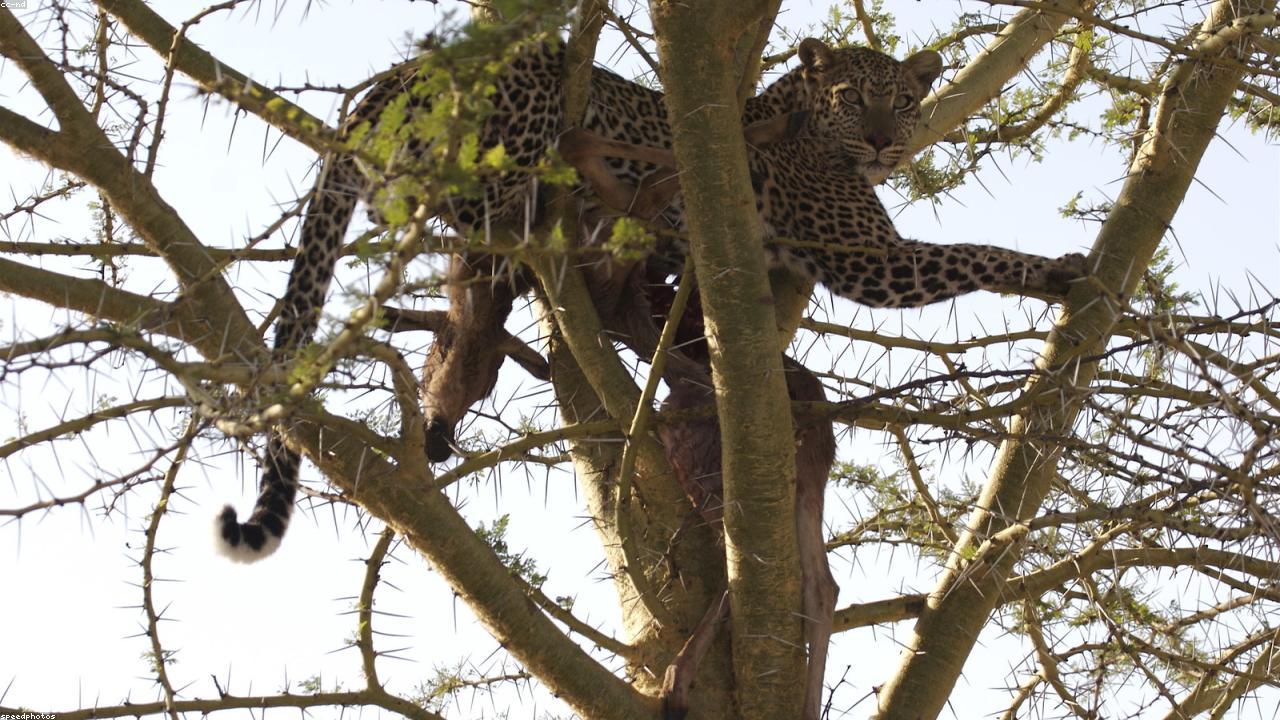
Seronera, Tanzania
Serengeti: the East African plains and the great migration
July 4, 2022
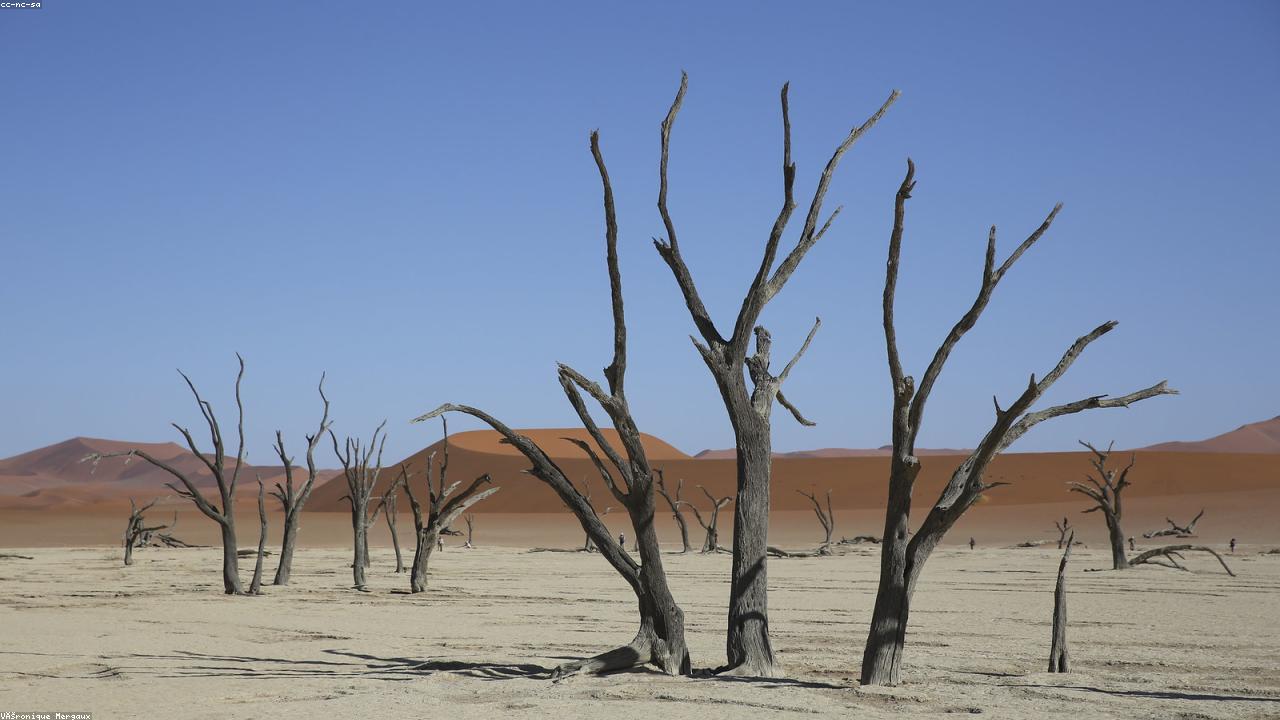
Sesriem, Namibia
Sossusvlei: the dunes of the Namib and the country around them
October 15, 2022
Antananarivo, Madagascar
Madagascar: the eighth continent and the slow road through it
September 26, 2022