Photo: Ščenza
Shanghai, China · Asia
Shanghai, between the Bund and the lane houses
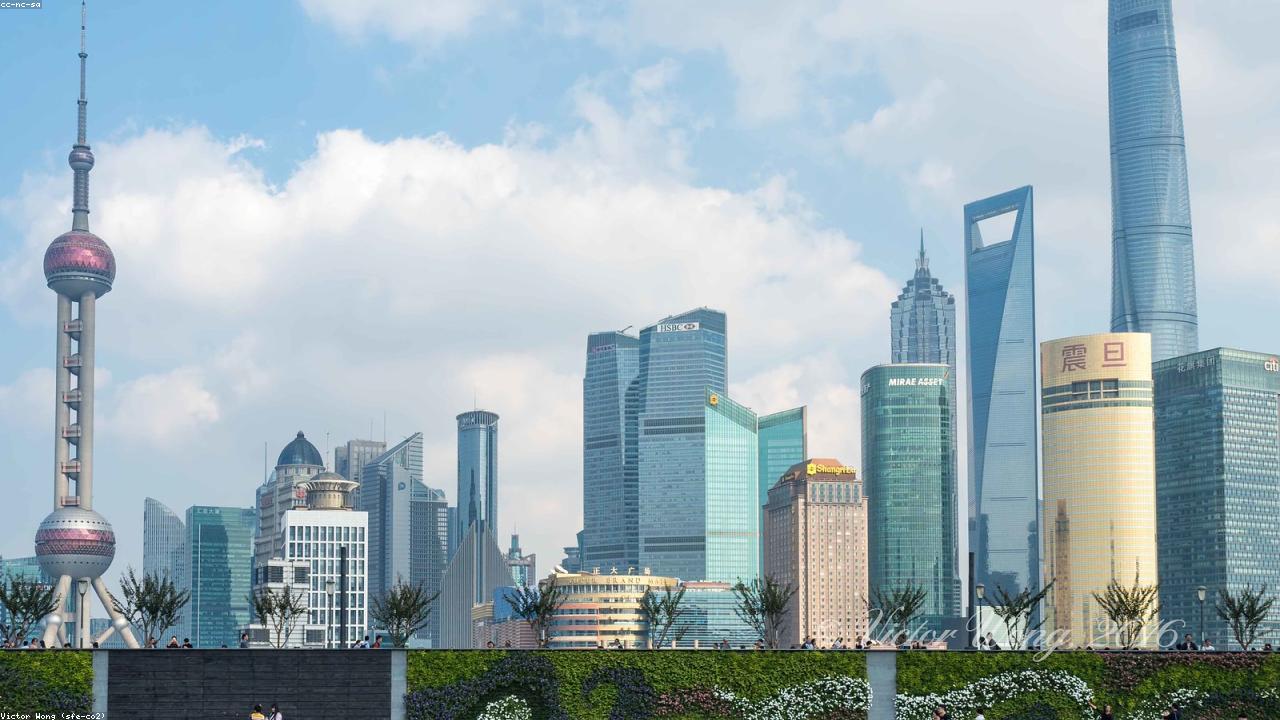
The Shanghai of the headlines — Pudong, the LED-skinned skyline, the supertall towers — is real and worth seeing once. The Shanghai of the *longtang* lane houses, the morning markets, and the plane-tree-lined French Concession streets is where the city actually lives.
By Ščenza
· updated · 4 min read
It’s 6:32 a.m. on a quiet residential lane in the former French Concession of Shanghai and a man in pyjamas is walking a small dog past the wet market that’s just opened. The plane trees overhead — planted by the French in the 1920s — are losing their first yellow leaves of October. A grandmother is buying fresh hairy crabs from a basin on the pavement. A young man on an electric scooter is bringing dawn deliveries to a coffee shop. This is the Shanghai that the postcards never show, and that the city I keep returning for actually is.
Why I keep coming back
Shanghai is the most architecturally interesting Chinese city after, possibly, Beijing. The 1920s and 1930s Bund — the colonnaded river-front of British, French, American, and Japanese banks and trading houses — is one of the great Art Deco urban set pieces in Asia. The Pudong skyline opposite, built almost entirely since 1995, is one of the great late-20th-century urban experiments. And the former French Concession, the leafy residential district of the old foreign settlement, has been preserved largely intact and is now Shanghai’s most pleasant walking neighbourhood.
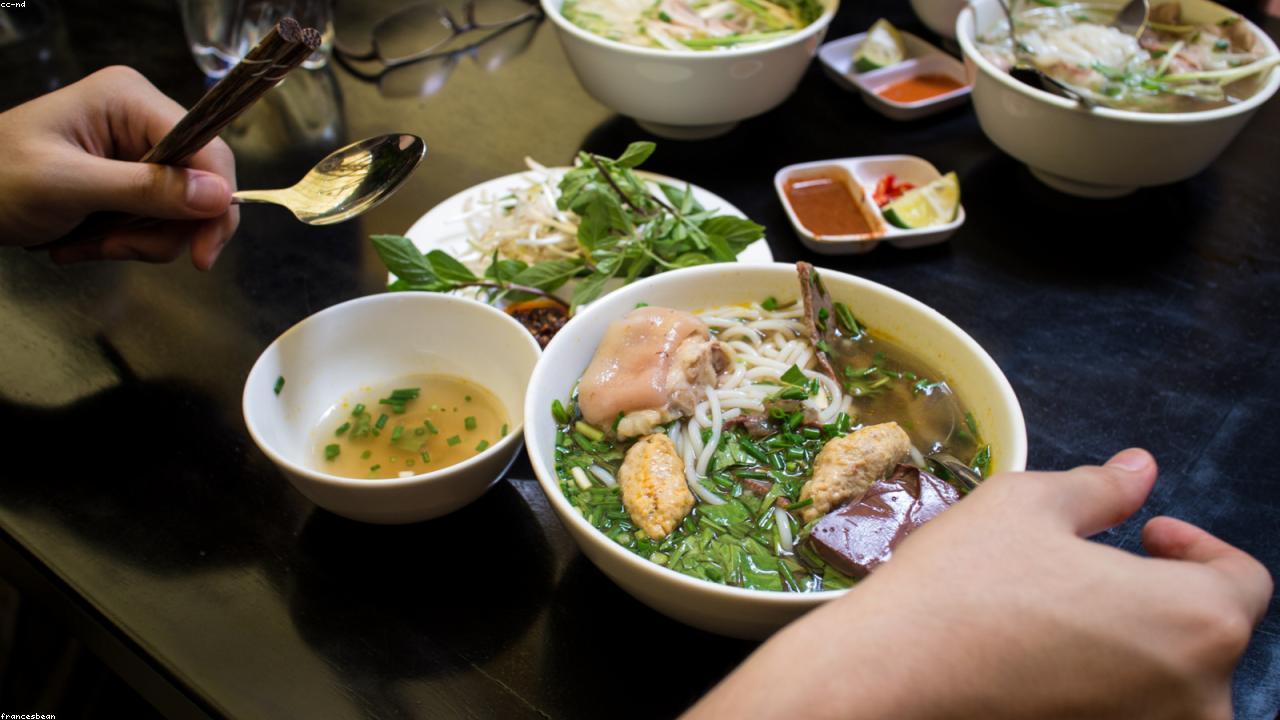
The food is the second great draw. Shanghainese cooking is sweeter and more delicate than Sichuan or Cantonese; the xiaolongbao (soup dumplings), the shengjianbao (fried buns), the drunken crab, the smoked fish, the cold red-cooked pork.
Where to base yourself
Former French Concession (around Wukang Road, Jianguo Road, or Fuxing Park) for the leafy streets and the best small restaurants.
The Bund for the postcard waterfront access.
Jing’an for a slightly more modern, business-district base with good food.
Avoid the Pudong as a base for more than a night — it’s a financial district with thin street life.
What to actually do
Walk the Bund at dawn. The classic Art Deco riverfront, with the Pudong skyline opposite. Best at 6:30 a.m. when the joggers and tai-chi practitioners are out and the tour buses haven’t arrived.
Spend a morning at the Shanghai Museum. One of the great Chinese-art museums; the bronze gallery and the ceramics galleries are the deep collections. Free entry; the queue is real at peak times.
Walk the former French Concession. Wukang Road, Anfu Road, Yongkang Road. Plane trees, small cafés, design shops, and former villas. Quiet on Sunday mornings.
Climb the Shanghai Tower observation deck. The world’s second-tallest building (632 m); the 121st-floor observation deck is the postcard view of Pudong and the city.
Visit Tianzifang. A small lane-house district turned into a maze of design shops, cafés, and small restaurants. Touristed; still atmospheric in the early morning.
Take the high-speed train to Suzhou or Hangzhou. 30 and 45 minutes respectively. Suzhou for the Ming-dynasty classical gardens; Hangzhou for the West Lake and the tea fields.
Where to eat
Din Tai Fung — Taiwanese, but the soup-dumpling reference standard. Jia Jia Tang Bao — A walk-in xiaolongbao shop, queue at the window. Yang’s Fry-Dumplings — Shengjianbao (fried dumplings); the bottom crisp, the top soft. Fu 1088 or Fu 1015 — Refined Shanghainese in heritage villas; the Shanghai banquet style. Lao Ji Shi — Old-school Shanghainese, the red-cooked pork. The Commune Social — A small-plate restaurant from chef Jason Atherton in Jing’an. Shake Shanghai — Modern Shanghainese-Western fusion; the kind of place 30-year-old Shanghainese take their parents.
When to come
Late September through October, or April through early May. The shoulder seasons; pleasant temperatures.
July and August are hot, humid, and crowded. December–February are cold and grey.
The Chinese National Day Golden Week (first week of October) is the worst possible time — domestic travel surge.
Practical notes
- Visa: China visa rules have changed repeatedly. The 240-hour transit-without-visa programme has expanded in recent years; many Western nationals can transit through Shanghai for up to 10 days visa-free. Check current rules.
- Money: Chinese yuan. Cash is increasingly rare; mobile payment via WeChat Pay and Alipay is universal. Foreign cards now work on Alipay (since 2024) which has made travel here significantly easier.
- Transport: The Shanghai Metro is excellent and signposted in English. Maglev train from Pudong airport is the world’s fastest commercial train (430 km/h) but only useful if you have airport luggage.
- VPN: Most Western services (Google, Facebook, Instagram, WhatsApp, ChatGPT) are blocked in mainland China. If you need them, install a VPN before arrival.
- Pollution: Air quality in Shanghai is better than Beijing but still variable. Check the AQI before outdoor activities.
A final thought
Shanghai is the city that has, in some ways, most resembled the Western media stereotype of modern China — the skyscrapers, the Maglev, the LED skylines, the supertall towers — while quietly preserving more pre-1949 urban texture than any other Chinese city of its size. The former French Concession, walked on a quiet Sunday morning, feels closer to a 1930s European treaty port than to a 21st-century megacity.
The combination is what makes Shanghai compelling for a longer visit. Don’t spend your trip in Pudong. Spend it in the lane houses, in the gardens, on the Bund at dawn. Take the train to Suzhou. Eat a soup dumpling sitting on a small plastic stool. Walk slowly. The city is much larger and stranger than the skyline suggests.
If you only have a few days
7 ideal things to do in Shanghai
The Bund at six in the morning
Zhongshan Road, along the HuangpuDawn, before the coaches arrive
Fifty-two buildings of Gothic, Renaissance, neoclassical and art deco banking ambition, put up by people who assumed they were staying permanently. At dawn the promenade belongs to tai chi groups, a ballroom couple with a portable speaker, and men walking backwards for the sake of their knees, with Pudong doing its own sunrise across the water. By nine it belongs to tour groups. The Customs House clock was built in England to imitate Big Ben and still sounds like it.
The Shanghai Museum on People's Square
People's Square, HuangpuMid-morning; pick two galleries, not eleven
Permanent galleries are free and there are eleven of them, which is about nine more than anyone should attempt in a day. Do the ancient bronzes and the ceramics, then leave. The bronzes justify the whole building: ritual vessels three thousand years old covered in animal faces that look designed by somebody with a sense of humour and a deadline. There is a newer and larger branch across the river in Pudong if the first one leaves you unsatisfied.
Yu Garden and the old walled city around it
Huangpu, the old cityAt opening; by ten it is a slow-moving crowd
Started in 1559 by a Ming official as a retirement present for his father, then stalled for nearly twenty years before anyone finished it, which is a timeline any homeowner will recognise. Two hectares of rockeries, dragon-topped walls and pavilions, with a five-tonne perforated boulder as the centrepiece — salvaged from the river after the ship taking it to the emperor sank. The teahouse on the zigzag bridge has been pouring since 1855.
Walk Wukang Road and the streets behind it
Former French Concession, XuhuiSunday morning, under the plane trees
László Hudec's Wukang Mansion, finished in 1924 and shaped like a wedge of cheese, anchors the best walking in Shanghai: plane trees the French planted, lane houses behind iron gates, and small shops that were there long before the design boutiques found the street. There is now a permanent crowd photographing the building from one specific corner. Walk past them. The three quieter streets behind it are the actual reason to be here.
The Jade Buddha Temple
Putuo district, north-west of the BundWeekday morning, outside the lunar festival days
Working Chan monastery founded in 1882 around two jade Buddhas brought by sea from Burma — a seated figure just under two metres, and a smaller reclining one. What earns it an hour is that it is not a museum: monks live here, people drop in on their way somewhere else, and the incense smoke hangs in the courtyards under the surrounding tower blocks. The vegetarian restaurant inside is genuinely good, and I say that as a Dalmatian who considers fish a vegetable.
The Power Station of Art
Miaojiang Road, on the Huangpu riversideHalf a day; check what is on before you go
China's first state-run contemporary art museum, opened in 2012 inside the shell of the old Nanshi power plant, chimney still standing and still enormous. Forty thousand square metres of concrete volume, free entry to the main halls, and exhibitions that swing between excellent and completely baffling without warning. On a bad show day the building on its own is worth the trip, which is the highest compliment available to a converted industrial space.
The train to Suzhou and the Humble Administrator's Garden
Suzhou, about half an hour away by high-speed trainA full day; weekday, and go straight there first
Thirty minutes on the train and you are standing in a garden begun in 1513, sixteen years in the building, named after an essay about an unsuccessful official retiring to water his vegetables. Five hectares of water, pavilions and deliberately framed views, the largest of the Suzhou gardens and UNESCO-listed since 1997. Go early or every one of those framed views will contain a stranger. I have failed at this on four visits and I will fail again.
From a Split boy’s notebook
The Split lens
What reminded me of home
Old colonial-era residential quarter (the French Concession) preserved as the city's most pleasant walking neighbourhood. The lane-house pattern — narrow alleys between brick townhouses, small shops on the corners — is structurally similar to our Lučac and Veli Varoš. Both quarters now under pressure from luxury redevelopment.
What Split could borrow
Shanghai imposed a strict heritage-protection zone over the French Concession, limiting demolition and high-rise infill. Our Veli Varoš and the upper old town quarters have no such protection — small old houses are being torn down or gutted into apartments. A formal protected-zone designation is overdue.
Who can take you
Tour operators & guides to try
A short, opinionated starter list — just my humble opinion. Verify before booking.
Intrepid Travelsmall groupwww.intrepidtravel.com →
Intrepid's China itineraries pass through Shanghai for 2–3 nights on the way to or from Beijing. The Bund, the French Concession walks, a meal in the Yu Garden area, the Shanghai Museum. Group size 12–16. Caveat: the China visa situation has been changing rapidly; Intrepid handles the logistics but you may find the transit-visa-free options are sufficient for a 6–10 day Shanghai + Beijing trip without going through their full visa process.
Wild Frontierssmall groupwww.wildfrontierstravel.com →
Wild Frontiers' China program is more thoughtful than the mainstream operators — small groups, longer stays in the lesser-visited places (Pingyao, Lijiang, the Yunnan minority regions), and Shanghai treated as a brief urban stop rather than a checklist. Group size 8–12. Higher cost than Intrepid; better suited to a deeper trip. Caveat: their China availability has been intermittent in recent years; verify schedule before committing flights.