Africa
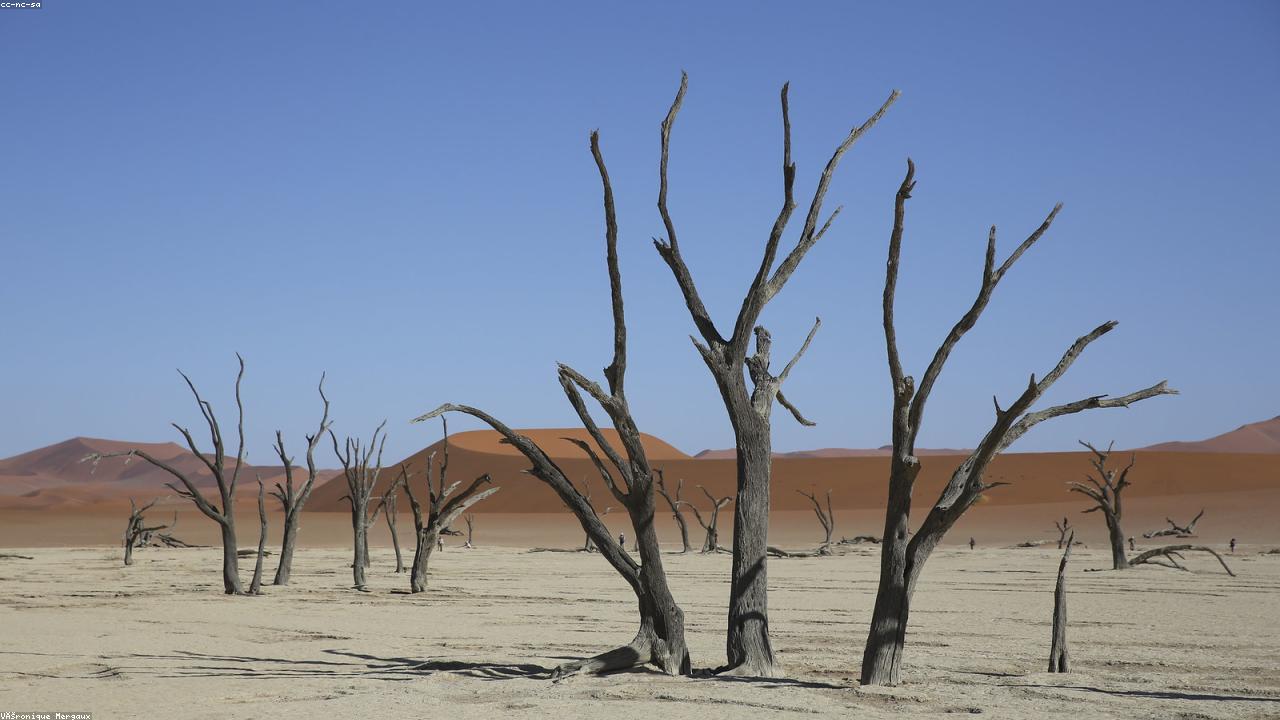
Sesriem, Namibia
Sossusvlei: the dunes of the Namib and the country around them
October 15, 2022
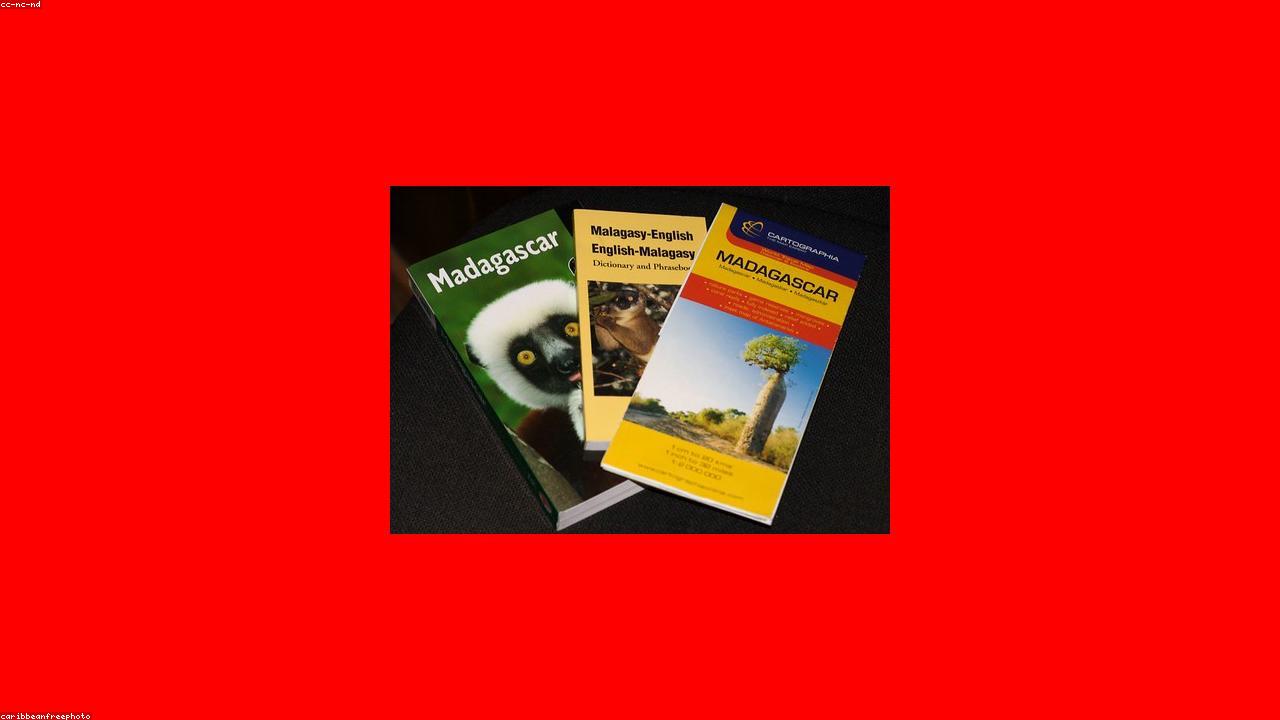
Photo: Ščenza
Antananarivo, Madagascar · Africa
The short list, pulled out of the long essay. No opening hours, because they change and I would only get them wrong — just what is worth your morning, roughly when to turn up, and where I have wasted time so you don’t have to.
By Ščenza
Last checked
Analamanga hill, above the capitalMorning, on foot, uphill, slowly
Manjakamiadana, the stone-cased royal palace on the highest hill in the city, burned in 1995 and has been under reconstruction for most of the time since; the queens' tombs and the chapel stand alongside it. Getting there means climbing the Haute-Ville through steep cobbled lanes of tall brick houses with wooden balconies, which look far more like a Portuguese hill town than anybody expects of Madagascar. Tana is a city almost every visitor tries to escape on the first afternoon. Give it a morning and a decent pair of legs instead.
24 km north-east of AntananarivoHalf a day; go on a weekday
Fortified hill where King Andrianampoinimerina pulled the Merina kingdom back together in the 1790s, inscribed by UNESCO in 2001 and still somewhere people come to pray rather than to sightsee. The main gate was closed each evening by a stone disc four and a half metres across weighing about twelve tonnes, which took twenty soldiers to roll into place. Behind the compound stands one of the last fragments of the primary forest that once covered the whole of these highlands. The forest is the part that stayed with me afterwards.
Central Antananarivo, below the Assembly buildingTwo hours on your first or last day in the country
Nobody comes to Madagascar for a city zoo, and the enclosures will not impress anyone who has seen a European one lately. Go regardless, for the museum building: skeletons of the extinct megafauna laid out in cases — elephant birds, pygmy hippos, giant lemurs the size of a grown man — with the country's largest herbarium next door. Seeing what was here five hundred years ago before you go out and look at what is left changes the tone of the whole trip. It sharpened mine considerably, and not comfortably.
About 150 km east of the capital, three hours on tarmacEarly morning; they call shortly after first light
Indri are the largest surviving lemurs and they sing — a sliding, wailing, whale-like call that carries a couple of kilometres through wet forest, answered by the next family group in the same phrase. You take a local guide at the gate, which is compulsory and entirely right, and walk in the drizzle before breakfast until a group starts up. Eleven lemur species live in the park. The indri is the one still playing in your head on the drive back. Bring a rain jacket you do not mind writing off.
Central highlands, a long half-day's drive south of the capitalApril to November; genuinely cold at night in July
Fifteen hundred metres up, founded in 1872 by a Norwegian missionary who wanted somewhere cool to recover in, with thermal baths from 1917 and a spa hotel and railway station from the early 1920s that have aged into a peculiar and rather lovely faded grandeur. Thousands of pousse-pousse rickshaws work the streets. Lake Tritriva, a crater lake fifteen kilometres out, repays the detour. The apples are the best in the country, which is not a sentence I expected to write about Madagascar.
The long version
Madagascar is the most biologically distinct landmass after Australia — 90% of its plants and animals are endemic — and one of the most logistically demanding countries I have travelled in. The reward, for the patient, is a country unlike anywhere else.
Read the full essay →Sesriem, Namibia
October 15, 2022
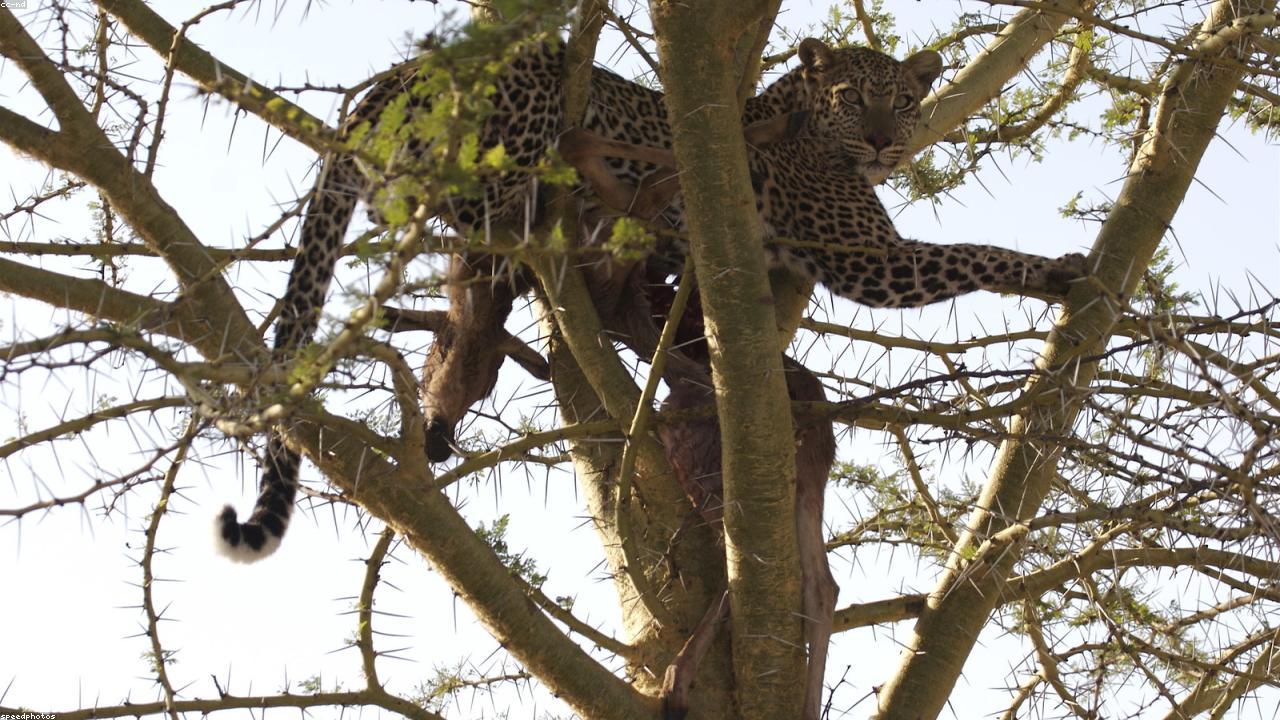
Seronera, Tanzania
July 4, 2022
Santa Elena, Costa Rica
January 8, 2024